Ataşehir Mah. Feza Sk. No:3 İstanbul / Türkiye
 French
  English
  German
  Spanish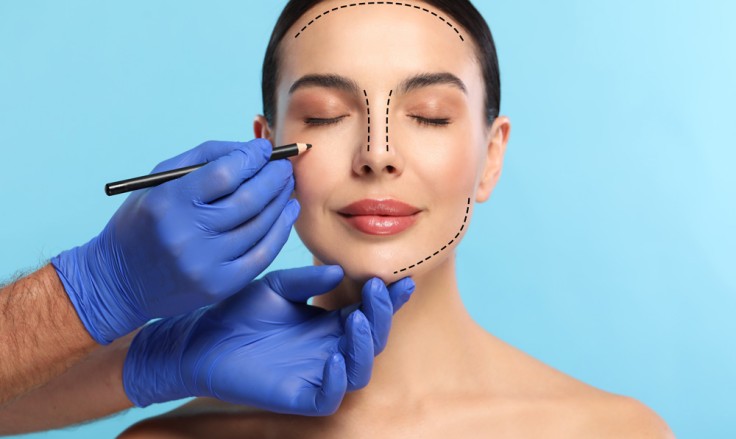
Introduction
The endoscopic facelift has become a recognised option for people wanting facial refinement. Through a targeted and modern approach. This method uses small instruments and guided visual technology to adjust deeper facial structures through minimal incisions. The technique offers precise lifting while preserving natural movement. This guide explains what sets the endoscopic method apart. How specialists perform it, and what people can expect from planning too recovery.
What an Endoscopic Facelift Actually Involves
An endoscopic facelift uses a thin camera and specialised tools inserted through small incisions. These tools allow surgeons to reach deeper tissues. Without the longer incisions seen in traditional facelifts. The aim is to adjust and secure the facial layers. Rather than only tightening the surface skin. This deeper focus supports cleaner contour and longer-lasting structure.
How Endoscopic Facelift Differs from a Traditional Facelift
Traditional facelifts use longer incisions around the ears to tighten skin and reposition tissues. An endoscopic method uses several small incisions hidden within the hairline. Visual guidance helps lift deeper structures with more accuracy. This approach reduces tension on the skin and supports smoother, more natural facial movement.
Areas the Endoscopic Facelift Targets
The technique works best on:
- Midface descent
- Cheek volume loss
- Early jowl formation
- Brow heaviness
- Upper face softening
These areas respond well because the method works directly on deeper support layers.
Why Smaller Incisions Matter
Small incisions reduce visible marks and support faster comfort during recovery. They also limit tension on the surface skin. The internal lift supports contour rather than relying on skin tightening alone. This is one of the main reasons the endoscopic facelift is considered a modern alternative.
Endoscopic Facelift: Who Makes a Good Candidate?
People with early to moderate facial descent usually benefit most. Candidates often have good skin elasticity and clear concerns in the midface or brow. The endoscopic approach suits those wanting refinement without the full scale of a traditional facelift.
How Surgeons Plan the Treatment
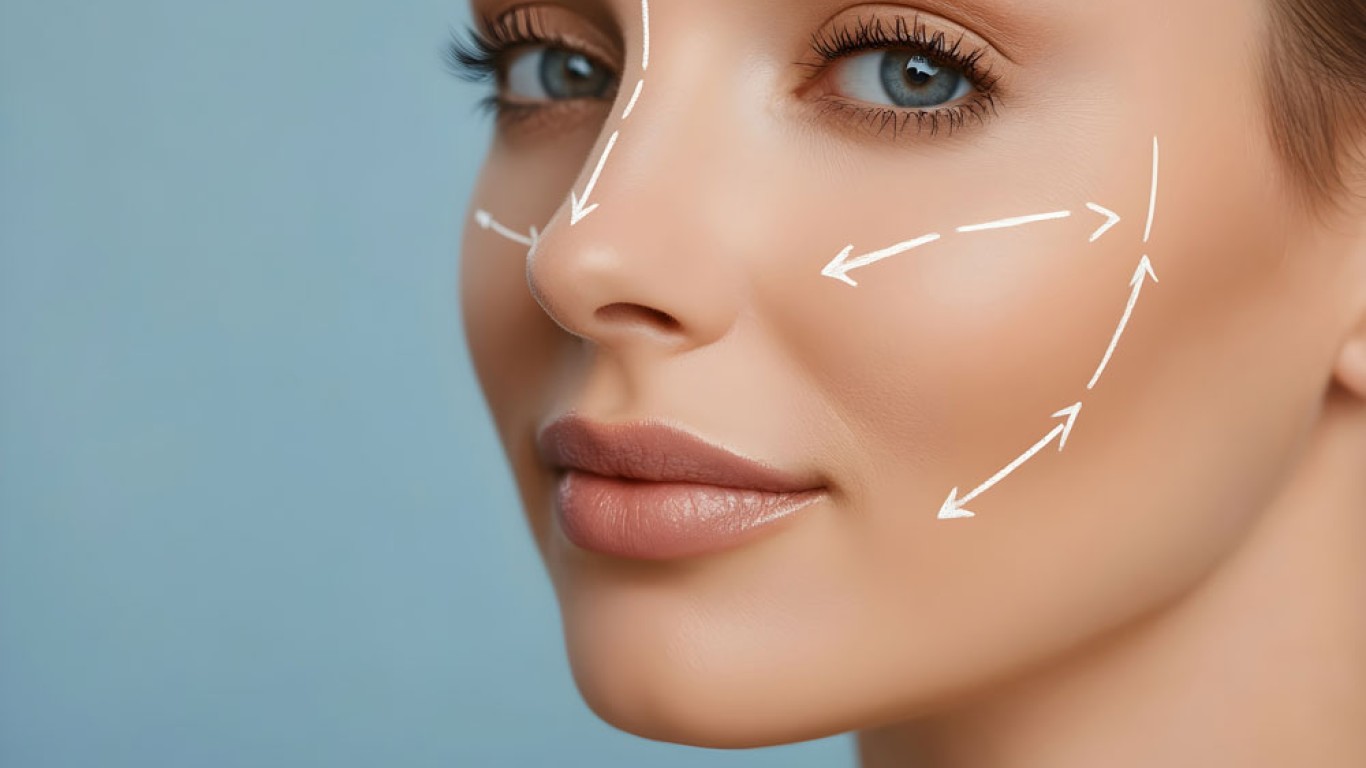
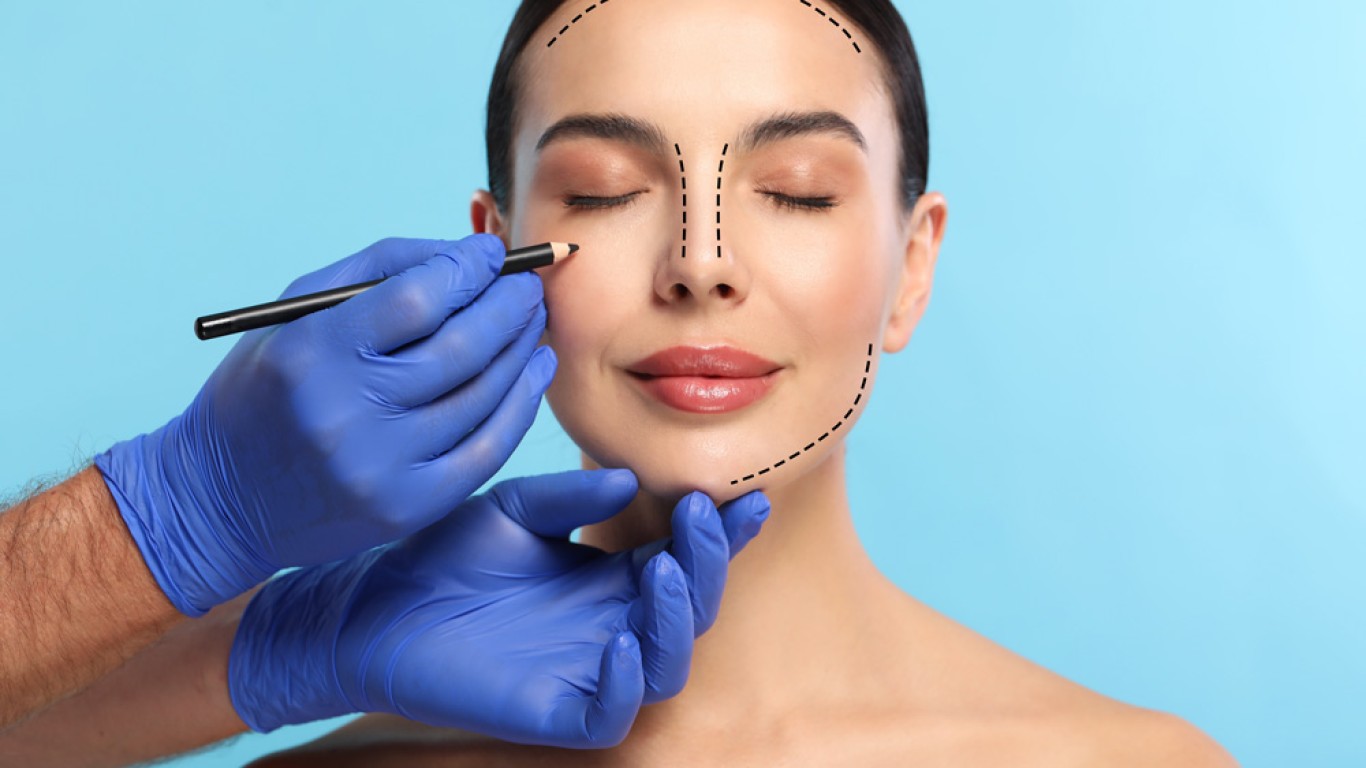
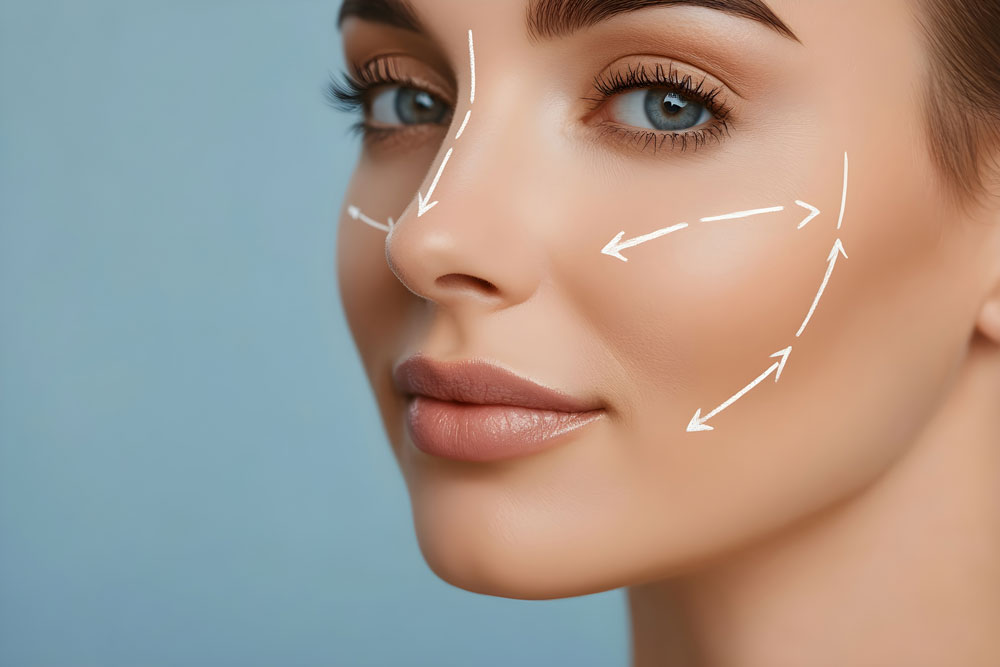
Planning focuses on facial symmetry, tissue strength, and vectors of lift. Specialists examine the midface, forehead, and cheek position. These details guide incision placement and lifting direction. The plan reflects each person’s natural features and structural needs.
Step-by-Step Treatment Process
Surgeons create small incisions within the hairline. A camera provides clear internal visibility. Tools gently lift deeper tissues and secure them in a new position. The technique avoids stretching the skin. Instead, it focuses on stable internal support.
What Recovery From an Endoscopic Facelift Looks Like
Recovery is generally shorter than traditional facelifts. People often experience mild swelling and pressure in the early days. Specialists recommend careful movement and simple routines. The small incisions settle steadily and remain well hidden. Most people return to social routines gradually.
Expected Results After an Endoscopic Facelift
Results develop as swelling reduces. Cheek projection improves, the midface gains lift, and brow heaviness decreases. The deeper support layer holds the structure firmly. This creates a smooth and balanced contour that aligns with natural facial movement.
Why the Endoscopic Technique Lasts Well
Because the lift occurs at the deeper tissue level, results hold more effectively over time. Skin is not pulled tightly. So the structure relies on the natural support layer rather than surface tension. This helps maintain a stable and steady appearance.
How the Technique Supports Natural Outcomes
Natural movement remains intact because the skin is not over-tightened. Instead, the deeper layers provide the lift. This avoids sharp lines or exaggerated tension. The endoscopic facelift aims for subtle and fresh structure rather than dramatic change.
Endoscopic Brow Support Within the Same Procedure
Surgeons can lift the brow during the same session if needed. A small internal adjustment helps support a smoother contour across the upper face. This combination helps unify the appearance of the midface and forehead.
Combining Endoscopic Methods with Other Treatments
People sometimes pair the endoscopic lift with:
- Eyelid refining
- Neck contouring
- Skin resurfacing
- Volume support in selected areas
These additions help create cohesive facial structure. Specialists advise when combinations support a better overall outcome.
Why the Technique Continues to Rise in Popularity
People appreciate the minimal incisions and focused internal lift. The method aligns well with current preferences for subtle and structured refinement. Surgeons also value the precision allowed by guided visual tools.
How to Prepare Before Treatment
Preparation includes stable skin care routines and clear communication. Also avoiding unnecessary strain on facial tissues. Specialists provide specific instructions to help shape a smooth treatment pathway. Proper planning supports safe and predictable results.
Aftercare That Supports Healing
Aftercare guidance often includes:
- Elevated rest
- Gentle routines
- Avoiding heat
- Avoiding pressure on the incisions
- Attending follow-up checks
These steps support stable tissue settling and long-term structure.
Follow-Up Care and Ongoing Support
Specialists also monitor tissue response during follow-up appointments. These checks help confirm that lifting vectors remain stable. Small adjustments in skincare or massage routines may be recommended. These supportive steps help maintain the refined contour created by the endoscopic facelift. They ensure the tissues settle in a balanced and predictable way.
Conclusion
The endoscopic facelift offers a structured, targeted, and modern option for facial refinement. It focuses on deeper tissue support through small incisions and guided visual precision. This technique provides subtle yet meaningful lifting for people with early or moderate descent.
For more information and to book a consultation visit the ACIBADEM Beauty Center Face Lift page.
Frequently Asked Questions
It suits early to moderate descent. Severe laxity may need a different method.
They sit within the hairline and remain discreet.
Most people resume routines steadily as swelling settles.
Yes, brow lifting can be included when needed.
Results remain stable when supported by good habits and strong tissue structure.