Ataşehir Mah. Feza Sk. No:3 İstanbul / Türkiye
 English
  German
  Spanish
Introduction
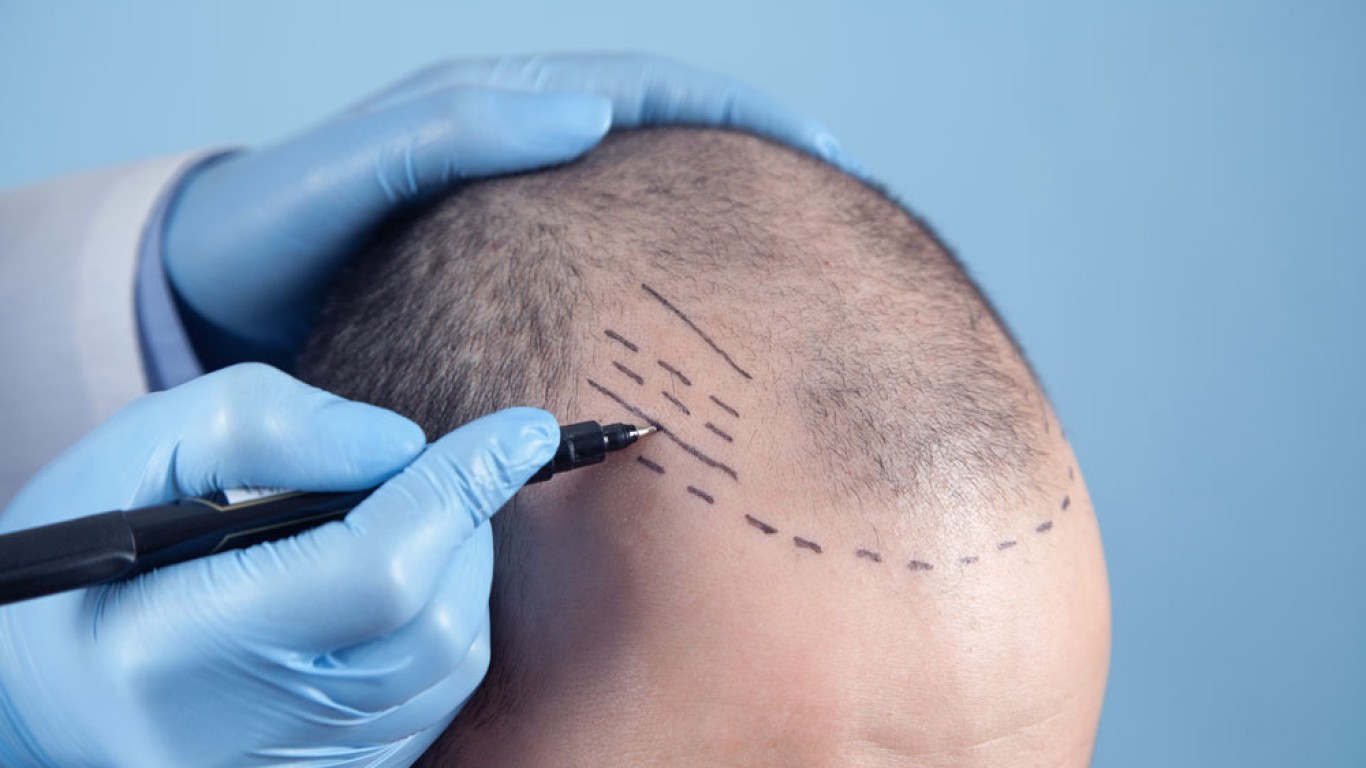
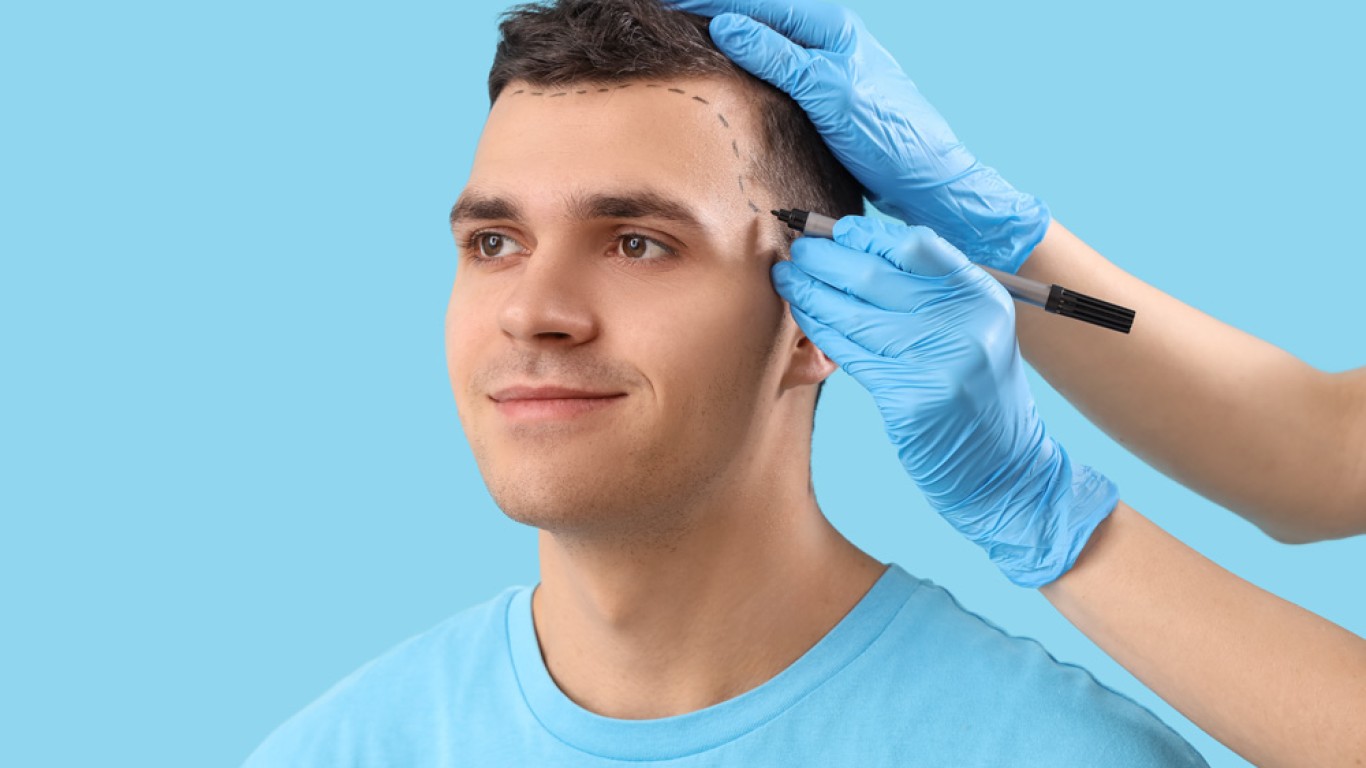
PRP therapy has become a popular complement to hair transplant surgery. Platelet-rich plasma contains concentrated growth factors from the patient's own blood. Many clinics now offer PRP after hair transplant as part of their treatment programme. The question patients ask is whether it genuinely improves results. Understanding the evidence helps patients decide whether the additional investment is worthwhile. This article examines how PRP after hair transplant works, what the research shows and when it should be scheduled.
What Is PRP Therapy?
PRP stands for ‘platelet-rich plasma’. A blood sample is drawn from the patient. It is then processed in a centrifuge to concentrate the platelets. These platelets contain growth factors including VEGF and PDGF. PRP after hair transplant delivers these growth factors directly to the scalp. The biological signals promote tissue repair and healing. They stimulate blood vessel formation around the transplanted grafts. The treatment uses the patient's own blood and no synthetic materials are introduced. Allergy risk is essentially eliminated. PRP has been used in wound healing and sports medicine for decades. Its application in hair restoration is newer but supported by growing evidence. The treatment is minimally invasive and adds minimal time to the overall surgical experience.
How PRP After Hair Transplant Works
PRP for hair targets two specific goals. First, it supports graft survival during the critical establishment phase. Transplanted follicles need to establish a blood supply in their new location. Growth factors in PRP promote new blood vessel formation. This improved vascularisation delivers more oxygen and nutrients to the grafts. PRP may increase the percentage of grafts that survive and produce hair. Second, PRP stimulates existing native hair in the surrounding area. Growth factors encourage dormant follicles to resume activity. Native hair density may improve alongside the transplanted grafts. PRP therefore addresses both the transplanted and non-transplanted hair simultaneously. This dual benefit is one of the main reasons surgeons recommend it alongside surgery.
Does PRP After Hair Transplant Actually Improve Results?
The evidence is encouraging though not yet conclusive. Several studies show positive effects when PRP is used during or shortly after hair transplant surgery. Improved graft survival rates have been reported in comparative studies. Faster onset of new growth has been observed. Patients receiving PRP may notice visible growth slightly earlier than those who do not. Hair density at twelve months appears higher in some PRP-treated groups. However, large-scale randomised controlled trials are still limited. The existing evidence supports PRP as a beneficial adjunct. It is not considered essential for a successful transplant. Most grafts survive well without PRP when surgical technique is excellent. PRP provides an additional biological boost. It is widely regarded as helpful rather than necessary. The growing evidence base continues to strengthen the case for its inclusion.
When Should PRP After Hair Transplant Be Scheduled?
Timing varies between clinics and protocols. Some surgeons apply PRP during the transplant procedure itself. The plasma is applied to the recipient area before or after graft placement. This delivers growth factors to the surgical site immediately. PRP can also be scheduled as a separate session. Most clinics recommend the first session within one to four weeks of surgery. Subsequent sessions follow at monthly intervals. A typical course involves three to four PRP sessions after the transplant. PRP at regular intervals supports the grafts during their most vulnerable establishment period. The first three to six months after surgery represent the critical window. Growth factors during this time may influence how many grafts ultimately produce visible hair. Scheduling PRP during this window maximises its potential benefit.
PRP After Hair Transplant: The Treatment Process
The process is quick and straightforward. A blood sample is drawn from the patient's arm. It is placed in a centrifuge for approximately ten minutes. The platelet-rich layer is separated and collected. PRP is injected across the recipient and sometimes the donor area. Fine needles deliver the plasma at multiple points. The scalp may be numbed with topical anaesthetic. The treatment takes approximately thirty to forty-five minutes. Most patients describe mild discomfort during injection. No significant downtime is required and patients resume normal activities immediately. PRP sessions are convenient - they can be scheduled alongside routine follow-up appointments. The process becomes familiar quickly for patients who complete a multi-session course.
PRP After Hair Transplant: Benefits for Native Hair
PRP after hair transplant doesn’t only benefit the transplanted grafts. Native hair in the surrounding area also responds to growth factor stimulation. Many patients experience reduced shedding of existing hair. Hair thickness may improve in the months following PRP treatment. The overall density of the scalp benefits from both graft growth and native hair improvement. PRP therefore produces a more comprehensive result than surgery alone. The transplanted grafts provide new coverage. PRP supports the health of the hair that was already present. This combined effect creates a denser, more natural overall appearance. Patients who continue PRP as a maintenance treatment every three to six months sustain these native hair benefits long term. The ongoing support helps preserve the overall density that surgery and biology have built together.
PRP After Hair Transplant: Cost and Value
PRP adds to the overall treatment investment. UK pricing for PRP ranges from £200-£400 pounds per session. A course of three to four sessions costs six hundred to one thousand six hundred pounds in total. PRP after hair transplant in Turkey is priced significantly lower. Turkish clinics often include the initial PRP session within the transplant package. Additional sessions are available at competitive per-session rates. PRP following a hair transplant represents a modest additional investment relative to the surgery itself. If it improves graft survival by even a small percentage, the value is meaningful. Each surviving graft contributes to visible density. The cost of PRP after hair transplant is considerably less than the cost of the grafts it helps preserve. Many patients view it as worthwhile insurance for their surgical investment.
Who Should Consider PRP After Hair Transplant?
Most transplant patients can benefit from PRP. It is particularly valuable for patients with thinner donor hair. Every surviving graft matters more when the total number is limited. PRP after hair transplant supports maximum graft survival in these cases. Patients with ongoing native hair thinning benefit from the additional follicle stimulation. Those wanting the fastest possible onset of new growth may find PRP accelerates the timeline. PRP after hair transplant is also recommended for patients combining transplantation with medical treatment. Finasteride, minoxidil and PRP together create the strongest possible hair preservation programme. Few patients are unsuitable for PRP. Those with blood disorders or platelet abnormalities should discuss suitability. The treatment is safe for the vast majority of transplant patients.
PRP After Hair Transplant: Long-Term Maintenance
PRP after hair transplant can transition into long-term maintenance therapy. The initial post-surgical course supports graft establishment. Ongoing sessions every three to six months maintain native hair health. This long-term approach is particularly valuable for patients with progressive hair loss. PRP after hair transplant maintenance helps prevent the thinning of non-transplanted hair over time. It supports the overall density of the scalp alongside the permanent transplanted grafts. Many Turkish clinics offer PRP packages for returning international patients. These can be scheduled during annual follow-up visits. The ongoing investment in PRP supports the longevity and fullness of the transplant result. Patients who commit to long-term PRP maintenance consistently report the most satisfying overall hair density over many years.
Conclusion
PRP after hair transplant delivers concentrated growth factors to support graft survival and native hair health. Evidence shows positive effects on density and growth onset. The treatment is safe, minimally invasive and uses the patient's own blood. PRP is widely recommended as a beneficial adjunct to surgery. 3-4 sessions during the first six months support the grafts during their critical establishment period. Ongoing maintenance sustains native hair health long term. Professional consultation determines the optimal PRP schedule for each patient. Turkey offers PRP alongside hair transplant surgery at competitive pricing with experienced specialists.
Are you considering a hair transplant and want to find out more? Visit the ACIBADEM Beauty Center hair transplant page.
Frequently Asked Questions
Evidence supports improved graft survival and faster growth onset. It is beneficial though not essential.
Typically three to four sessions during the first six months after surgery.
Mild discomfort during injection. Topical numbing is applied for comfort.
Yes. Growth factors stimulate native follicles and may improve surrounding hair density.
Many clinics include the initial session. Additional sessions are available at competitive rates.