Ataşehir Mah. Feza Sk. No:3 İstanbul / Türkiye
 English
  German
  Spanish
Introduction
PRP for skin rejuvenation has become a popular alternative to dermal fillers for patients seeking facial improvement. Both treatments address signs of ageing but they work through fundamentally different biological mechanisms. PRP uses the body's own growth factors to stimulate natural collagen production beneath the skin. Dermal fillers physically add volume using injectable gel products for immediate visible change. Understanding how PRP for skin rejuvenation compares with fillers helps patients choose the right treatment approach. This article explains both treatments, their key differences and which suits different patient needs.
What Is PRP for Skin Rejuvenation?
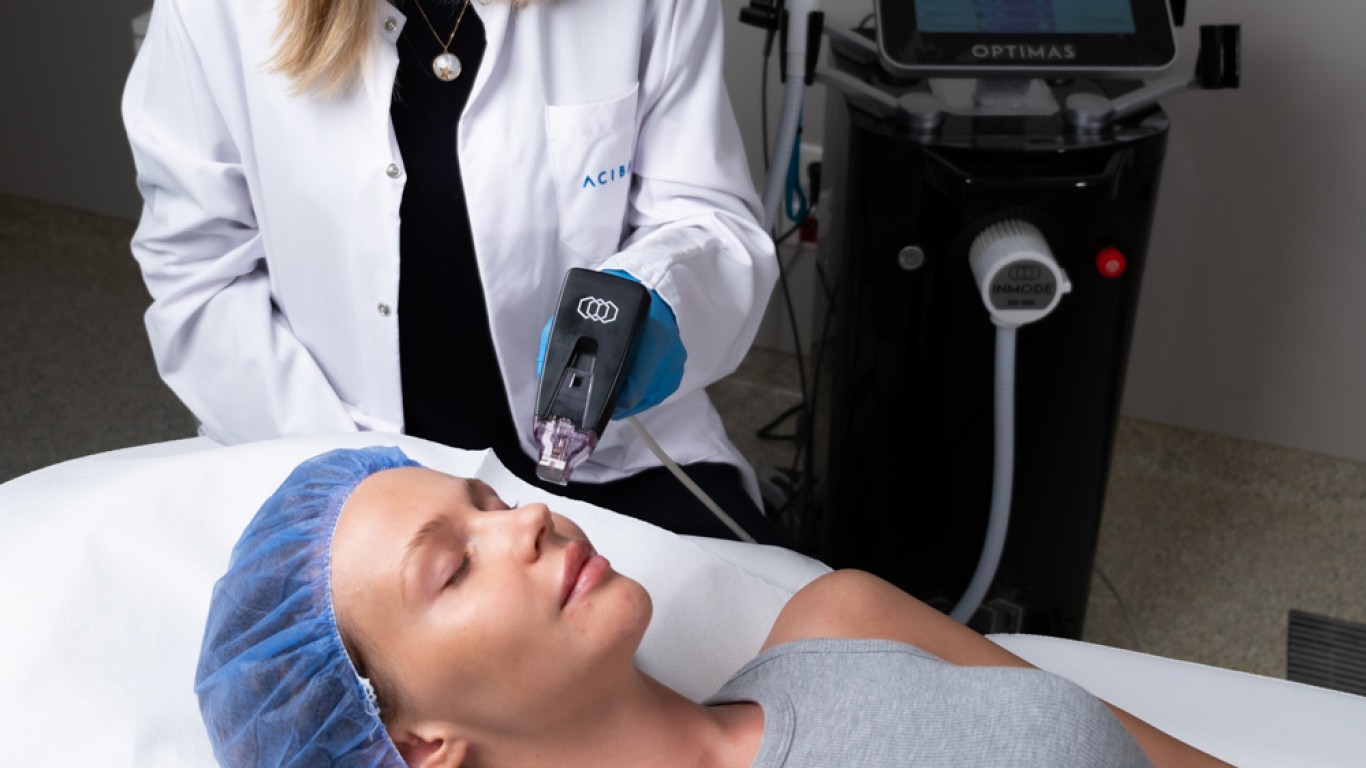
PRP for skin rejuvenation uses platelet-rich plasma derived from the patient's own blood sample. A blood draw is processed in a centrifuge to concentrate the platelets and growth factors together. The concentrated plasma contains biological signals that stimulate collagen and elastin production naturally. PRP is injected into the facial skin or applied after microneedling for enhanced penetration and absorption. The treatment triggers a regenerative response that improves skin texture, tone and firmness. PRP for skin rejuvenation is sometimes referred to as the vampire facial when combined with microneedling. The approach works with the body's natural healing processes throughout the treatment course entirely. No foreign or synthetic substances are introduced to the skin during the procedure. The autologous nature of the product eliminates the risk of allergic reaction. Results develop gradually as the body produces new collagen over subsequent months.
What Are Dermal Fillers?
Dermal fillers are injectable gel products used to restore facial volume and smooth wrinkles immediately. Most modern fillers use hyaluronic acid which occurs naturally in the body's own tissues. The gel is injected beneath the skin to physically create lift and volume on contact. Fillers provide visible results from the very moment of injection into the treatment area. They address volume loss in the cheeks, under-eyes, nasolabial folds and jawline areas effectively. Different filler consistencies suit different treatment areas and injection depths specifically. Results typically last eight to eighteen months depending on the product used and treatment location. Fillers create structural changes in facial contour that PRP for skin rejuvenation cannot replicate alone. Hyaluronic acid fillers can be dissolved with hyaluronidase if the result needs adjusting afterward. This dissolvability provides an important safety reassurance for patients considering the treatment.
PRP for Skin Rejuvenation vs Fillers: How They Work Differently
The fundamental difference between PRP for skin rejuvenation and fillers lies in the mechanism of action. PRP is regenerative. It signals the body to produce new collagen and elastin tissue naturally over time. Growth factors stimulate fibroblast activity over a period of weeks and months progressively. Fillers are structural. They provide an immediate physical scaffold beneath the skin surface instantly. PRP for skin rejuvenation improves overall quality including texture, tone and elasticity comprehensively across the face. Fillers restore specific volume deficits and smooth individual wrinkles or facial folds in targeted areas. PRP works gradually with full results developing over several months of ongoing collagen production. Fillers work instantly with the result visible as soon as the injection is complete.
PRP for Skin Rejuvenation: Results and Timeline
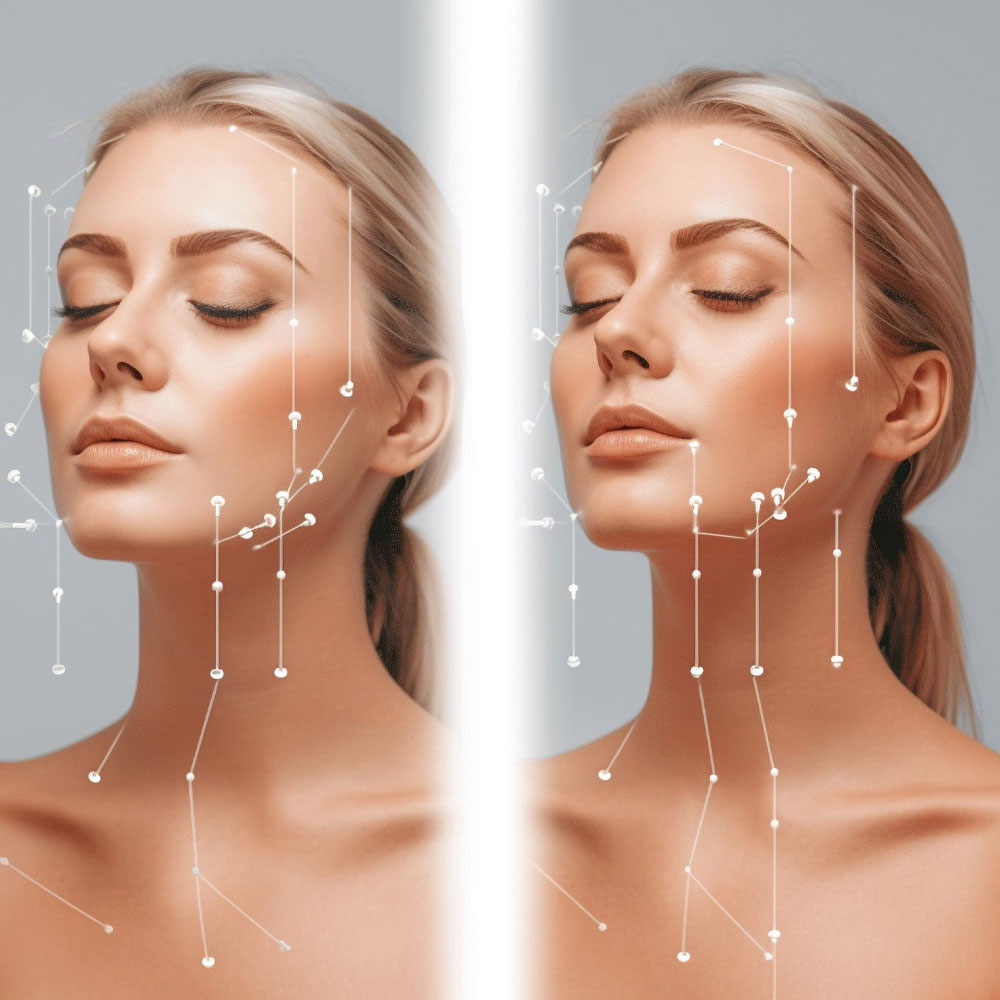
Results from PRP for skin rejuvenation develop gradually over a period of several weeks and months. Initial improvement in skin radiance may become noticeable within the first week after treatment. Collagen production increases progressively over the three to six months following each session. The skin becomes firmer, smoother and more luminous as the treatment course progresses. Fine lines soften as the underlying collagen structure strengthens beneath the skin surface. Most patients undergo three to four sessions spaced two to four weeks apart for best results. PRP for skin rejuvenation produces subtle and natural-looking improvement across the treatment course consistently. Patients typically describe looking refreshed and healthier rather than visibly treated by others. Results last approximately twelve months with maintenance sessions recommended to sustain benefits. The gradual nature of the improvement means visible changes appear entirely natural.
Dermal Filler Results and Timeline
Dermal filler results are visible immediately following the injection treatment appointment. Volume is restored and wrinkles are smoothed from the moment of injection. Mild swelling settles over the first few days to reveal the final result precisely. Results typically last eight to eighteen months depending on the specific product and area. Areas with more facial movement such as the lips tend to metabolise filler more quickly. Repeat treatments are needed to maintain the result consistently over time. Filler results are more dramatic and immediately apparent than PRP for skin rejuvenation produces. The treatment suits patients wanting specific visible volumising or contouring changes. The immediacy of results appeals strongly to patients with clear aesthetic goals.
PRP for Skin Rejuvenation vs Fillers: Who Suits Each Treatment?
Different patient profiles suit different treatments in the PRP for skin rejuvenation versus filler comparison. PRP suits patients wanting overall skin quality improvement through natural biological regeneration over time. Those concerned about texture, tone and early fine lines benefit from the regenerative approach. Patients who prefer using their own biological material rather than synthetic products often choose PRP. PRP for skin rejuvenation is particularly effective for delicate areas including the under-eyes and hands. Fillers suit patients wanting immediate structural changes to facial volume and contour specifically. Those with deep wrinkles, hollow cheeks or significant volume loss benefit most from filler treatment. Patients wanting instant visible results prefer the immediacy that filler treatment provides consistently. Some patients benefit from using both treatments together within a combined plan. Age, skin condition and treatment goals all influence the most appropriate choice
Combining PRP for Skin Rejuvenation with Fillers
Many practitioners now recommend combining PRP for skin rejuvenation with fillers for comprehensive facial results. The two treatments complement each other because they address fundamentally different concerns simultaneously. Fillers provide the immediate structural volume and lift that PRP alone cannot deliver. PRP improves the underlying skin quality, texture and health that fillers do not address. The combination approach allows less filler to achieve a more natural overall outcome. PRP for skin rejuvenation also supports filler longevity by improving the health of surrounding skin tissue. This combined strategy represents current best practice for comprehensive facial rejuvenation treatment today. Patients often find the combination produces a more balanced and natural result. The two treatments work together rather than competing across different aspects of improvement. Treatment plans can be tailored precisely to individual facial anatomy and concerns.
PRP for Skin Rejuvenation: Safety Comparison with Fillers
Both treatments have well-established safety profiles when performed by qualified experienced practitioners. PRP for skin rejuvenation uses the patient's own blood which eliminates any risk of allergic reaction entirely. Side effects from PRP are limited to mild redness and swelling at the injection sites. Dermal fillers carry a small risk of bruising, swelling, asymmetry and rare vascular complications. Hyaluronic acid fillers can be dissolved with hyaluronidase enzyme if any problems develop. This reversibility provides an important safety advantage for patients considering filler treatment options. PRP has no equivalent dissolution option because results come from the body's own collagen production. Both treatments are safe when performed by experienced practitioners in proper clinical settings. Choosing the right provider matters more than the treatment choice itself for safety. Comprehensive consultation and careful technique help optimise outcomes and patient confidence.
Conclusion
PRP for skin rejuvenation and dermal fillers offer different but complementary approaches to facial rejuvenation. PRP works through biological regeneration, improving skin quality gradually over months of collagen production. Fillers provide immediate structural volume and contouring through injectable gel products for instant change. PRP suits patients wanting natural overall skin improvement across the treatment area. Fillers suit those needing specific volume restoration or wrinkle correction in defined areas. Combining both approaches produces comprehensive results that exceed either treatment given alone. PRP for skin rejuvenation is safe, natural and effective for appropriately selected candidates seeking improvement. Professional consultation determines which approach or combination best suits individual goals. Turkey offers both treatments at competitive pricing with experienced practitioners at accredited clinics. Modern treatment planning allows highly personalised rejuvenation strategies that address multiple concerns simultaneously.
To find out more information about skin rejuvenation. Or, to book a consultation visit the ACIBADEM Beauty Center Skin Treatments page.
Frequently Asked Questions
A regenerative treatment using your own blood platelets to stimulate collagen and improve skin quality.
PRP improves skin quality gradually; fillers add immediate structural volume.
Yes, many practitioners recommend combining them for comprehensive results.
Three to four sessions spaced two to four weeks apart for optimal results.
Fillers last eight to eighteen months; PRP results last approximately twelve months.