Ataşehir Mah. Feza Sk. No:3 İstanbul / Türkiye
 French
  English
  German
  Spanish
Introduction
Stem cell therapy aesthetics has emerged as one of the most discussed frontiers in modern cosmetic medicine. The approach uses the regenerative capabilities of stem cells to address signs of ageing and skin damage. Many patients are curious about what stem cell therapy aesthetics can realistically deliver. The field has advanced considerably though much remains under investigation. Separating evidence-backed applications from marketing claims helps patients make informed decisions. This article explains what stem cell therapy aesthetics involves, the current approved uses, what remains experimental and what benefits patients might realistically expect. The information supports thoughtful evaluation of these advanced treatments.
What Is Stem Cell Therapy Aesthetics?
Stem cell therapy aesthetics uses regenerative cells to improve skin health and appearance. Stem cells have the unique ability to develop into various cell types. They also release growth factors that signal healing and regeneration in surrounding tissues. In aesthetic applications, stem cells or their products are used to stimulate skin rejuvenation. The most common approach uses adipose-derived stem cells obtained through liposuction. Bone marrow derived cells represent another source. The cells or their growth factors are then applied to target treatment areas. Stem cell therapy aesthetics aims to enhance the body's natural regenerative capacity rather than introducing synthetic materials into the skin.
How Stem Cell Therapy Aesthetics Works
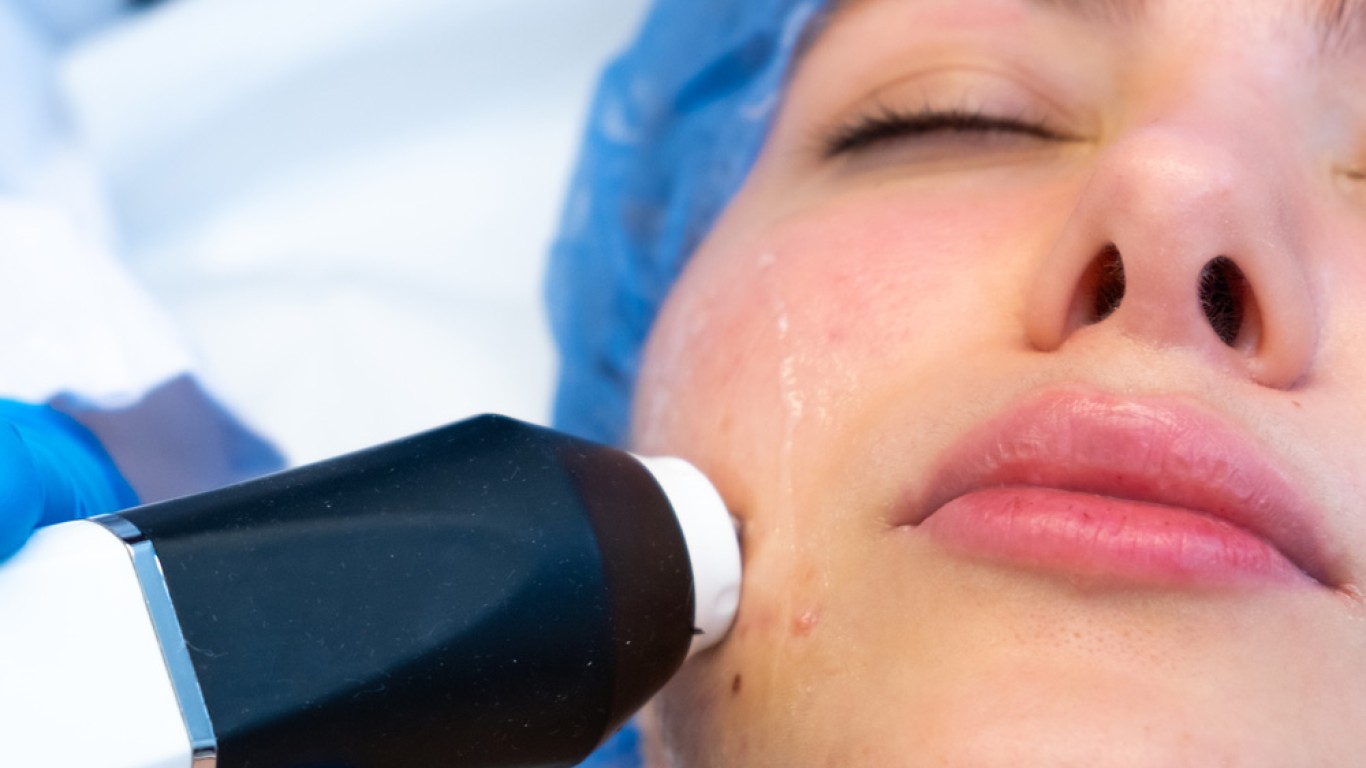
Stem cell therapy aesthetics works through several biological mechanisms. The stem cells themselves can potentially develop into new skin cells, replacing damaged or ageing tissue. More commonly, the growth factors and cytokines released by stem cells stimulate surrounding cells to regenerate. New collagen production increases significantly. Elastin formation improves skin elasticity. Blood supply to the treated area enhances. The overall effect is improved skin quality, firmness and appearance. Different delivery methods exist. Injection directly into target areas places cells precisely. Topical application with microneedling allows broader delivery. Each approach has specific advantages for different treatment goals and anatomical areas.
Sources of Cells for Stem Cell Therapy Aesthetics
Various cell sources are used in stem cell therapy aesthetics. Adipose-derived stem cells obtained through mini-liposuction represent the most common source. Fat tissue contains abundant stem cells that are relatively easy to harvest. Bone marrow stem cells offer another option though harvesting is more invasive. Umbilical cord-derived products are used in some regions but face regulatory restrictions in many countries. Plant-derived stem cell products in topical applications are different from cellular therapies. They contain growth factors and signalling molecules rather than actual stem cells. Patients should understand what source of material is being used in their specific treatment. Clear information about the cell source supports informed consent.
Common Stem Cell Therapy Aesthetics Applications
Several applications of stem cell therapy aesthetics are now widely practised. Facial rejuvenation remains the most popular use. Injectable stem cell-enriched fat transfer adds volume while potentially improving skin quality. Topical products combining growth factors with microneedling offer non-invasive options. Scalp treatments address hair loss. Scar improvement represents another application. Skin texture and tone improvement follows treatment. Some clinics offer comprehensive anti-ageing protocols combining multiple applications. Each application has varying levels of evidence supporting effectiveness. Patients should understand what evidence supports the specific treatment they are considering. Professional practitioners explain realistic expectations based on current understanding of outcomes.
Stem Cell Therapy Aesthetics vs Traditional Treatments
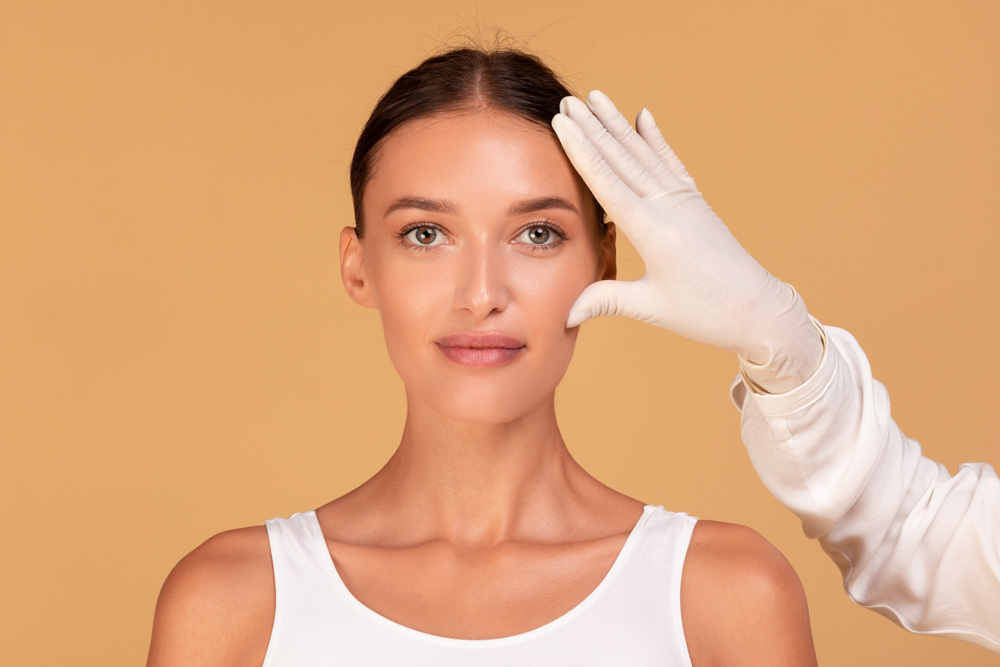
Comparing stem cell therapy aesthetics with traditional treatments highlights key differences. Traditional fillers add immediate volume but do not create new tissue. Botulinum toxin relaxes muscles temporarily. Laser treatments damage tissue to trigger healing. Stem cell approaches aim to provide building blocks for new tissue formation. The results tend to develop more gradually but may be more lasting. Stem cell therapy aesthetics often combine with traditional treatments rather than replacing them entirely. The combined approaches leverage advantages of both traditional and regenerative methods for enhanced outcomes.
What Evidence Supports These Treatments?
Evidence for stem cell therapy aesthetics varies considerably by application. Stem cell-enriched fat transfer has substantial evidence supporting improved survival of transferred fat. Growth factor applications with microneedling show measurable improvements in skin quality. Scar treatment applications have good clinical support. Some advertised anti-ageing claims exceed the current evidence base. Patients should be cautious about clinics making dramatic claims. Treatments should be supported by published clinical research rather than testimonials alone. The field continues to advance with ongoing research. Patients asking about research supporting proposed treatments receive important information about realistic expectations.
The Treatment Experience
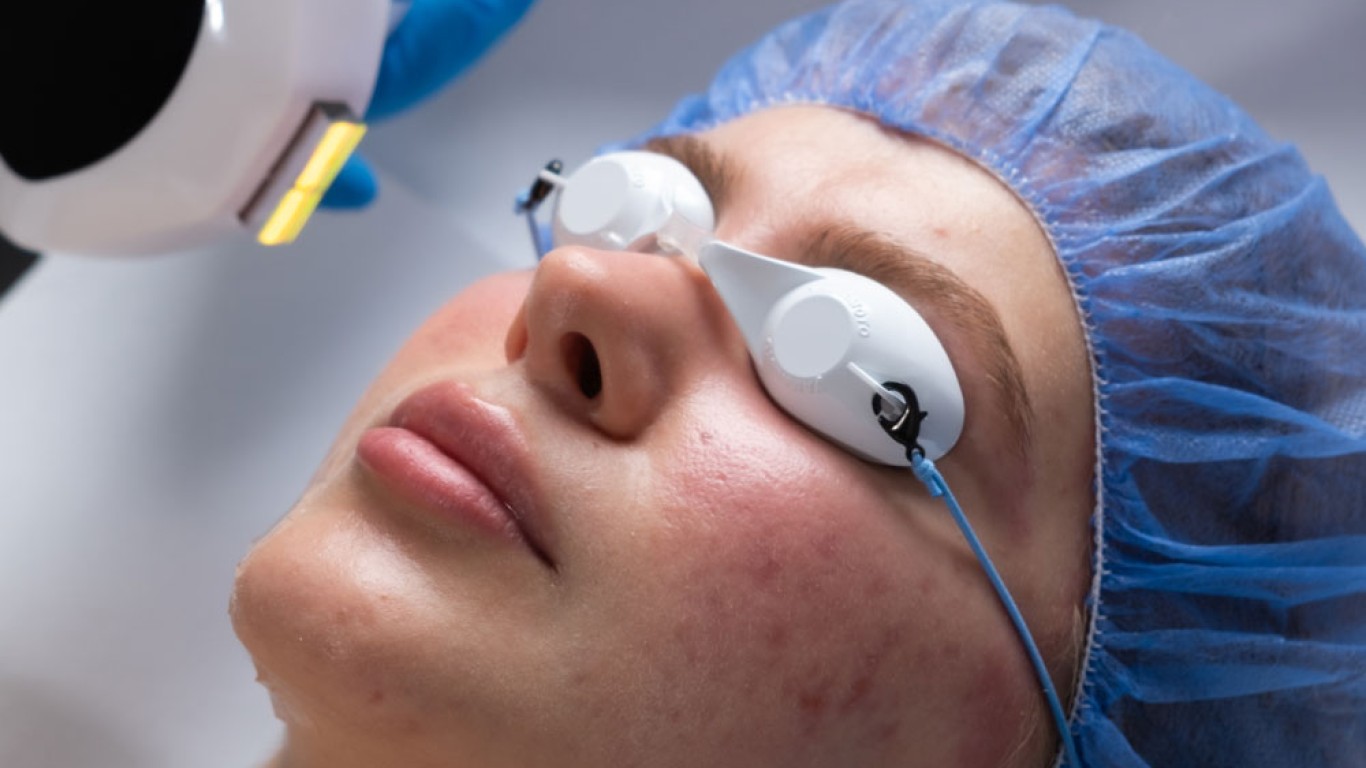
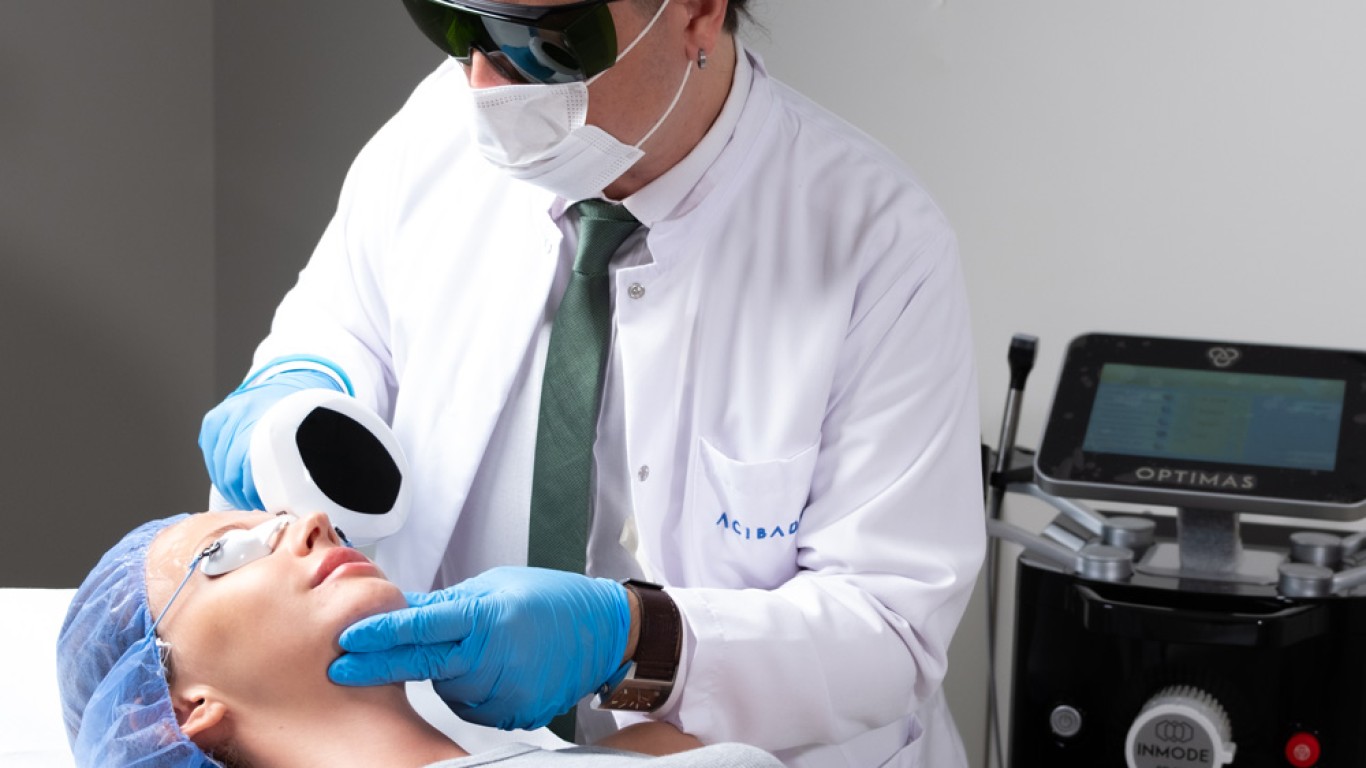
The stem cell therapy aesthetics treatment experience varies by application. Fat harvesting involves mini-liposuction under local anaesthesia. The procedure takes one to two hours. Fat is then processed to concentrate stem cells. Injection into treatment areas follows. Total treatment time is typically two to three hours. Topical applications combined with microneedling take thirty to sixty minutes. Recovery differs by treatment type. Fat harvesting sites may be sore for a week. Injection areas may swell for several days. Microneedling involves mild redness for one to two days. Most patients tolerate the treatments well. Post-treatment care supports the best regenerative responses from the stem cell treatments.
Results from Stem Cell Therapy Aesthetics
Results from stem cell therapy aesthetics develop gradually. Initial improvements may be visible within weeks of treatment. Continued enhancement occurs over three to six months as regenerative processes complete. The results tend to look natural because new tissue formation underlies improvement. Skin appears healthier and more resilient rather than artificially enhanced. Longevity varies by application. Fat transfer with stem cells may provide lasting volume improvements. Topical growth factor applications typically require periodic repetition. Maintenance treatments every six to twelve months help sustain benefits. Realistic expectations support satisfaction. The improvements are meaningful but not transformative. Patients seeking dramatic change may need traditional surgical approaches.
Who Is Suited to These Treatments?
Stem cell therapy aesthetics suit specific patient profiles. Those with early to moderate signs of ageing often achieve good results. Patients seeking natural-looking gradual improvement benefit. Those who prefer biological approaches over synthetic injectables may favour these treatments. Good general health supports safe treatment. Adequate donor sites for fat harvesting are needed for cellular therapies. Pregnancy is a contraindication. Certain medical conditions may exclude some candidates. Active skin infections need resolution before treatment. Realistic expectations about regenerative timelines matter significantly. Professional consultation evaluates individual suitability. The practitioner explains what specific stem cell therapy aesthetics options are evidence-backed versus experimental for each patient's concerns.
Safety and Regulation
Safety and regulation represent important considerations in stem cell therapy aesthetics. Regulatory frameworks vary significantly between countries. Some regions have established oversight for cellular therapies. Others have more permissive environments where untested treatments may be offered. Patients should verify that proposed treatments comply with regulations in the country of treatment. Credentials of practitioners matter significantly. Qualified professionals working within regulated environments provide the safest care. Side effects are generally mild when treatments are performed appropriately. More serious complications can occur with inappropriate treatments. Infections, nodules or autoimmune responses are possible with poor technique. Research into safety continues alongside advancing efficacy studies. Professional caution about overstated claims protects patients.
Choosing a Practitioner
Choosing the right practitioner for stem cell therapy aesthetics is particularly important given the variable regulatory environment. Board-certified specialists with specific training in regenerative medicine offer the safest care. The practitioner should be willing to discuss the evidence supporting specific treatments. Clinic facilities should meet appropriate medical standards. Published research or affiliation with academic institutions indicates serious engagement with the field. Marketing claims should be moderate rather than sensational. References to specific published studies rather than just testimonials are reassuring. Cost should reflect the complexity of treatment rather than unrealistic promises. Taking time to evaluate providers protects patients seeking these advanced treatments.
Conclusion
Stem cell therapy aesthetics represents an advancing area of aesthetic medicine with real potential benefits. Evidence-backed applications include stem cell-enriched fat transfer, growth factor treatments with microneedling and scar improvement. Results develop gradually and look natural through regenerated tissue. Realistic expectations support satisfaction because the improvements are meaningful rather than dramatic. Patients should choose qualified practitioners working within regulated environments. Evaluating the evidence behind specific treatments protects against exaggerated claims. The field continues advancing with ongoing research. For appropriate candidates, stem cell therapy offers a biologically based approach to skin rejuvenation that complements traditional aesthetic treatments well.
For more information and to book a consultation visit the ACIBADEM Beauty Center Aesthetics page.
Frequently Asked Questions
The use of regenerative cells or their growth factors to improve skin appearance.
Most treatments use adipose-derived stem cells obtained from the patient's own fat.
Yes, when performed by qualified practitioners in regulated environments.
Fat-based treatments may last years; topical applications need periodic repetition.
Evidence-backed applications offer meaningful but realistic improvements.