Ataşehir Mah. Feza Sk. No:3 İstanbul / Türkiye
 French
  English
  German
  Spanish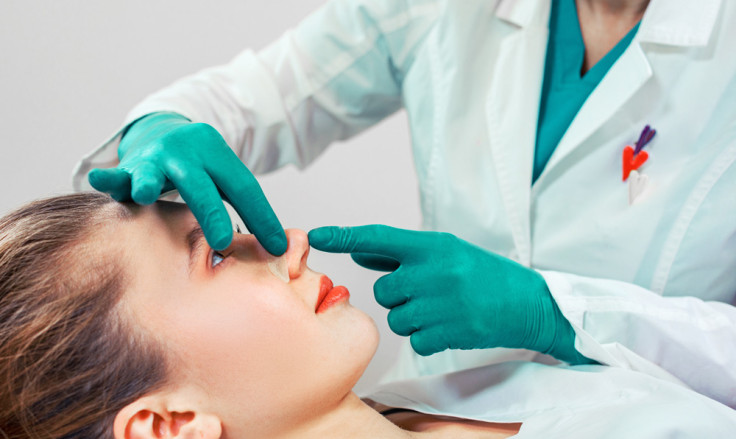
Introduction
Understanding what to expect after rhinoplasty helps patients prepare for the healing process. The rhinoplasty recovery timeline follows a predictable pattern - each stage brings specific changes and milestones. Patients who know what to expect typically feel more confident and less anxious during recovery. Healing varies between individuals based on technique, anatomy and aftercare. This article explains the rhinoplasty recovery timeline day by day from immediately after surgery through to final results. The information helps patients plan their schedule and prepare practically for each phase. Knowing when to expect improvements supports patience during the longer phases of healing.
Rhinoplasty Recovery Timeline: Day of Surgery
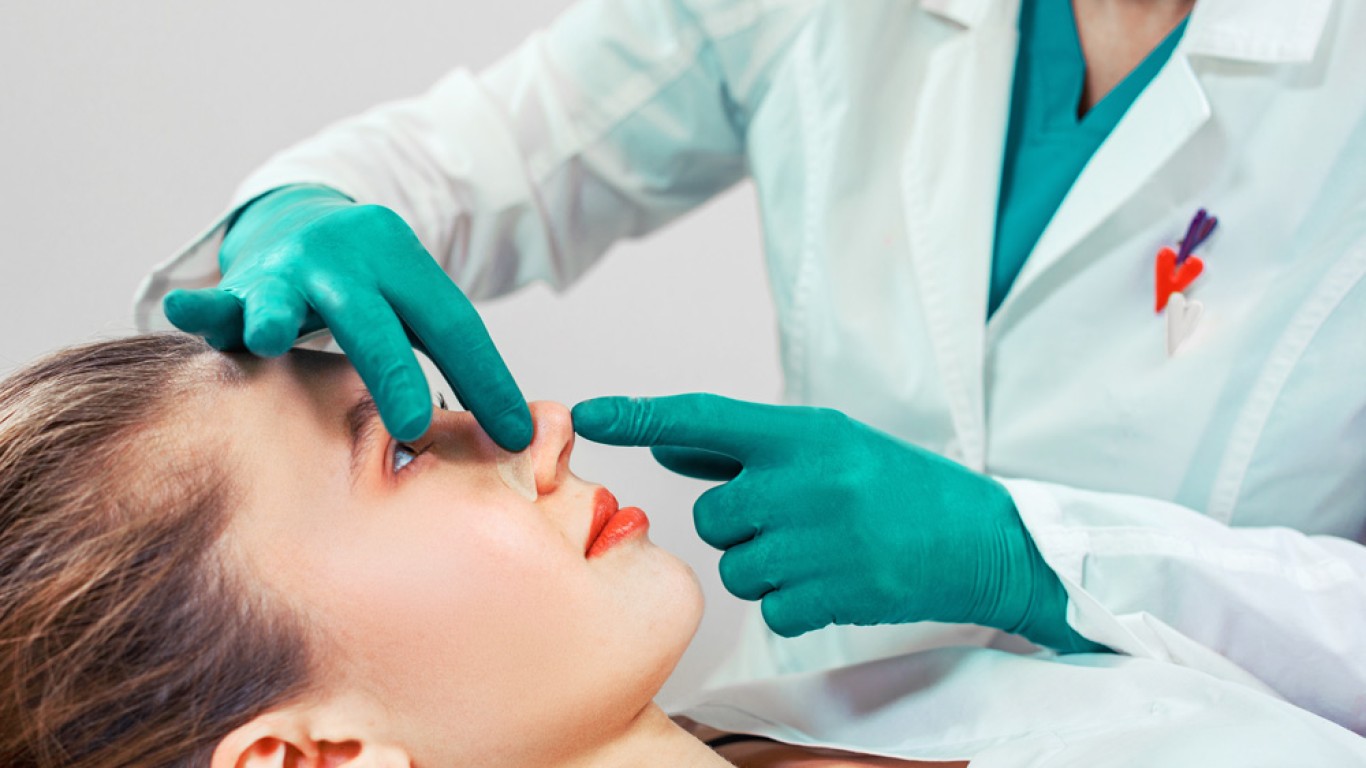
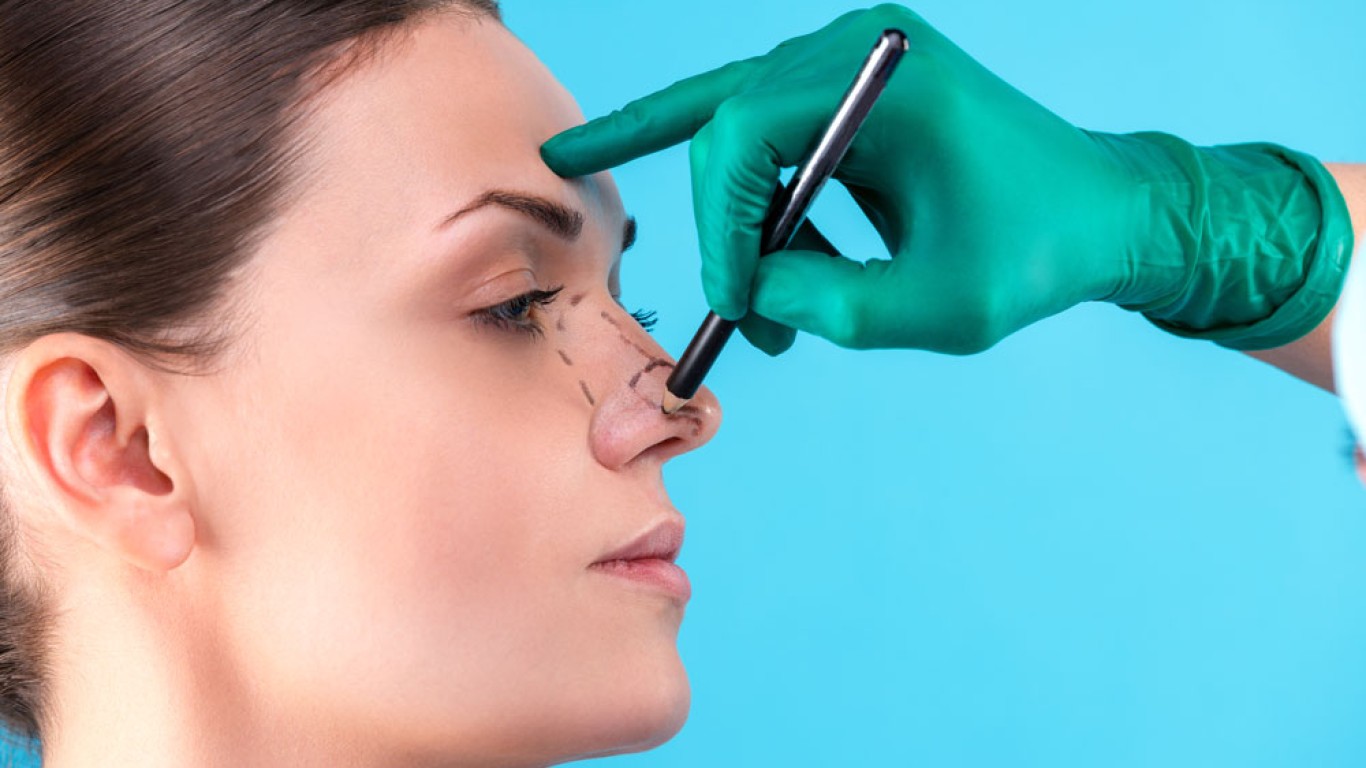
The day of surgery marks the start of the rhinoplasty recovery timeline. Patients arrive at the clinic for their procedure. General anaesthesia is typically used. The surgery itself takes between two and three hours. Patients wake in the recovery room with a nasal splint in place. Internal packing or splints may also be present. Some bruising and swelling around the eyes is normal and mild discomfort is managed with prescribed medication. Most patients spend a few hours in recovery before discharge. Some procedures require an overnight hospital stay. Patients should arrange a friend or family member to accompany them home. Rest is essential for the remainder of the day.
Rhinoplasty Recovery Timeline: Days 1 to 3
The first few days of the rhinoplasty recovery timeline focus on rest and management of initial symptoms. Swelling and bruising around the eyes peak during this period. The face may feel tight and tender, while mild headaches are common. Breathing through the nose is restricted due to internal swelling and packing. Patients should sleep with the head elevated to reduce swelling. Cold compresses applied gently around the eyes help manage bruising. Pain medication keeps discomfort manageable. Eating soft foods is easier than chewing. Hydration is important. Walking around the house gently supports circulation. Patients should avoid bending, lifting or straining during these early days.
Rhinoplasty Recovery Timeline: Days 4 to 7
Days four to seven of the rhinoplasty recovery timeline bring gradual improvement. Swelling begins to decrease and bruising starts to fade and changes colour. Most patients feel less discomfort and require less pain medication. Energy levels improve. Light activities around the house become more comfortable. Patients can shower carefully while avoiding direct water on the splint. Internal packing, if used, is typically removed after the first few days. Many patients return to working from home during this period. Social activities should still be avoided due to visible swelling and bruising. Sleep position remains important. The first follow-up appointment is approaching at the end of this week.
Rhinoplasty Recovery Timeline: Day 7
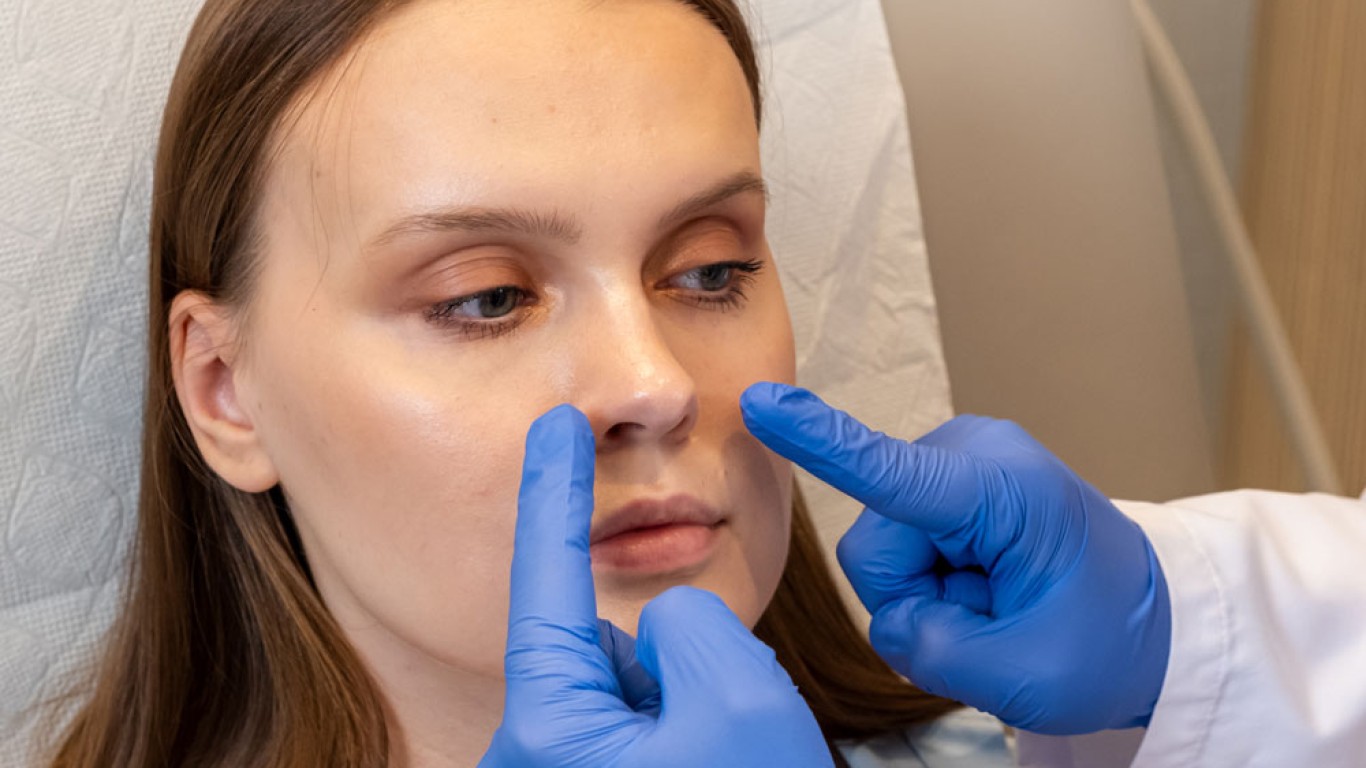
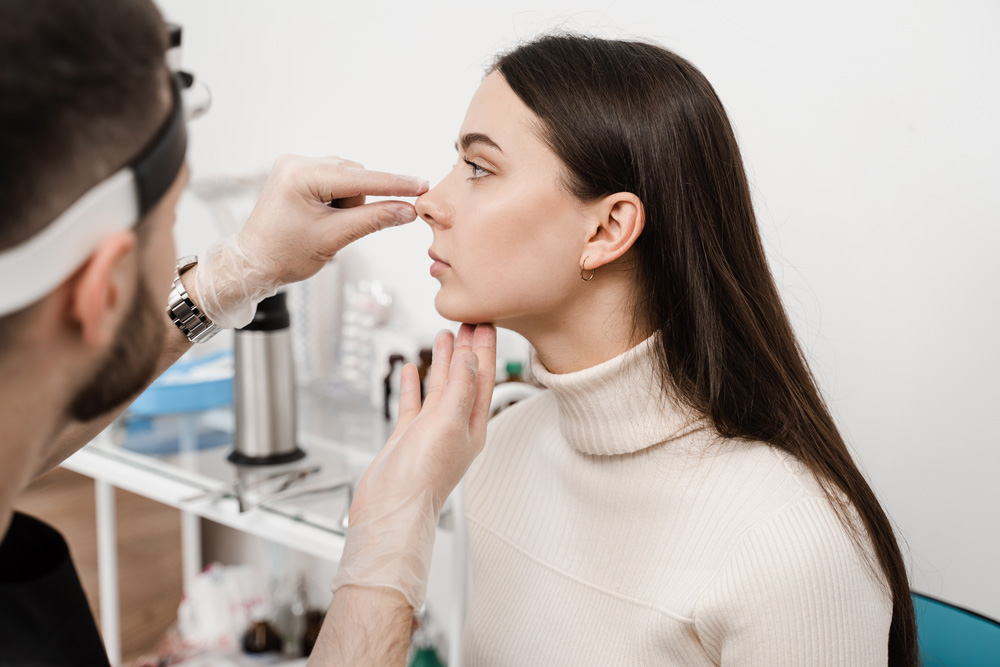
Day seven is a major milestone in the rhinoplasty recovery timeline. Nasal splint is typically removed at this appointment and patients see the new shape of their nose for the first time. The result is exciting but still shows residual swelling. The nose may appear larger than the final result will be. Internal stitches dissolve naturally. The surgeon assesses healing and provides guidance. Patients can wash their face more freely after splint removal. Makeup can typically be applied to cover any remaining bruising. Most patients feel ready to return to social activities within a few days. The first photographs of the new nose can be taken.
Weeks 2 to 3: Returning to Daily Life
Weeks two and three of the rhinoplasty recovery timeline see significant improvement. Most visible bruising fades during this period and swelling continues to decrease but remains noticeable. Patients typically return to office work and most social activities. Light exercise such as walking can resume. Strenuous exercise and contact sports should still be avoided. Breathing through the nose improves as internal swelling resolves. The nose may still feel tender or numb in places. Many patients describe feeling almost back to normal at this stage. Photographs from this period show the developing result. The final shape is not yet visible but the improvement is clearly progressing.
Weeks 4 to 6: Continued Improvement
Weeks four to six of the rhinoplasty recovery timeline bring continued refinement. Swelling reduces further, particularly across the bridge. The nasal tip remains the slowest area to settle. Most patients can resume moderate exercise during this period. Heavy lifting and contact sports should still wait. Glasses can sometimes be worn carefully or with support. Nose blowing should still be avoided. The shape continues to refine as the body heals. Many patients are very pleased with their progress at this stage. Friends and family typically notice the improvement. The new appearance starts to feel familiar. Confidence in the result grows as the swelling subsides.
Months 2 to 3: Visible Refinement
Months two and three of the rhinoplasty recovery timeline show clear improvement. Most external swelling has resolved by this point. The bridge looks defined and the new shape is much closer to the final result. The tip remains slightly swollen and continues to refine slowly. Most patients can resume all normal activities including exercise. Contact sports should still be approached cautiously. Sun protection is essential to prevent pigmentation changes. The nose feels more like the patient’s own. Photographs at three months show the developing result clearly. The improvement compared with the early weeks is significant. Patient satisfaction typically grows during this period.
Months 6 to 12: Approaching Final Results
Months six to twelve represent a longer phase of the rhinoplasty recovery timeline. Most of the visible swelling has resolved - any remaining swelling is subtle and concentrated at the tip. The nose continues to refine slowly and cartilage settles into its final position. Internal healing completes during this period. Patients can resume all activities without restriction. The shape becomes very close to the final result by twelve months. Photographs from this period look natural and refined. Most patients are confident and pleased with their outcome. Some subtle changes may continue beyond this point. Patience during these later months supports satisfaction with the final result.
Beyond 12 Months: Final Results
Rhinoplasty recovery timeline extends to about eighteen months for full final results. The remaining subtle swelling completely resolves during this final period. The nasal tip refines fully as residual swelling disappears and the final shape becomes apparent and stable. Patients with thicker skin may experience a longer timeline for complete refinement. The result represents the culmination of the entire healing process. Most patients are very satisfied with their nose by this point. The shape integrates naturally with the rest of the face. The change feels permanent and comfortable, and long-term photographs document the success of the procedure.
Tips for a Smooth Rhinoplasty Recovery
Several tips support a smoother rhinoplasty recovery timeline.
- Following all aftercare instructions carefully is essential.
- Sleeping with the head elevated reduces swelling.
- Avoiding strenuous activity protects the healing nose.
- Cold compresses help manage early swelling around the eyes.
- Sun protection prevents pigmentation changes during healing.
- Avoiding nose blowing protects internal healing.
- Patience is important throughout the longer phases of recovery.
- Eating a healthy diet supports tissue healing.
- Staying hydrated helps the body recover.
- Avoiding smoking is essential as it impairs healing.
- Regular follow-up appointments ensure progress is monitored and any concerns addressed promptly.
Conclusion
The rhinoplasty recovery timeline progresses through clear phases from the day of surgery to final results twelve to eighteen months later. Each stage brings specific changes and milestones. Understanding what to expect helps patients prepare practically and emotionally for the healing journey. Following aftercare instructions and maintaining patience supports the best outcomes. Professional follow-up ensures optimal healing throughout the process. The gradual improvement leads to a refined and natural-looking result that justifies the patience required during recovery.
To find out more about the typical rhinoplasty recovery timeline, visit the ACIBADEM Beauty Center Rhinoplasty page.
Frequently Asked Questions
Initial recovery takes one to two weeks; final results develop over twelve to eighteen months.
The splint is typically removed at the seven-day follow-up appointment.
Most patients return to office work within ten to fourteen days.
Light exercise can typically resume after two to three weeks.
Final results typically develop over twelve to eighteen months.