Ataşehir Mah. Feza Sk. No:3 İstanbul / Türkiye
 English
Introduction
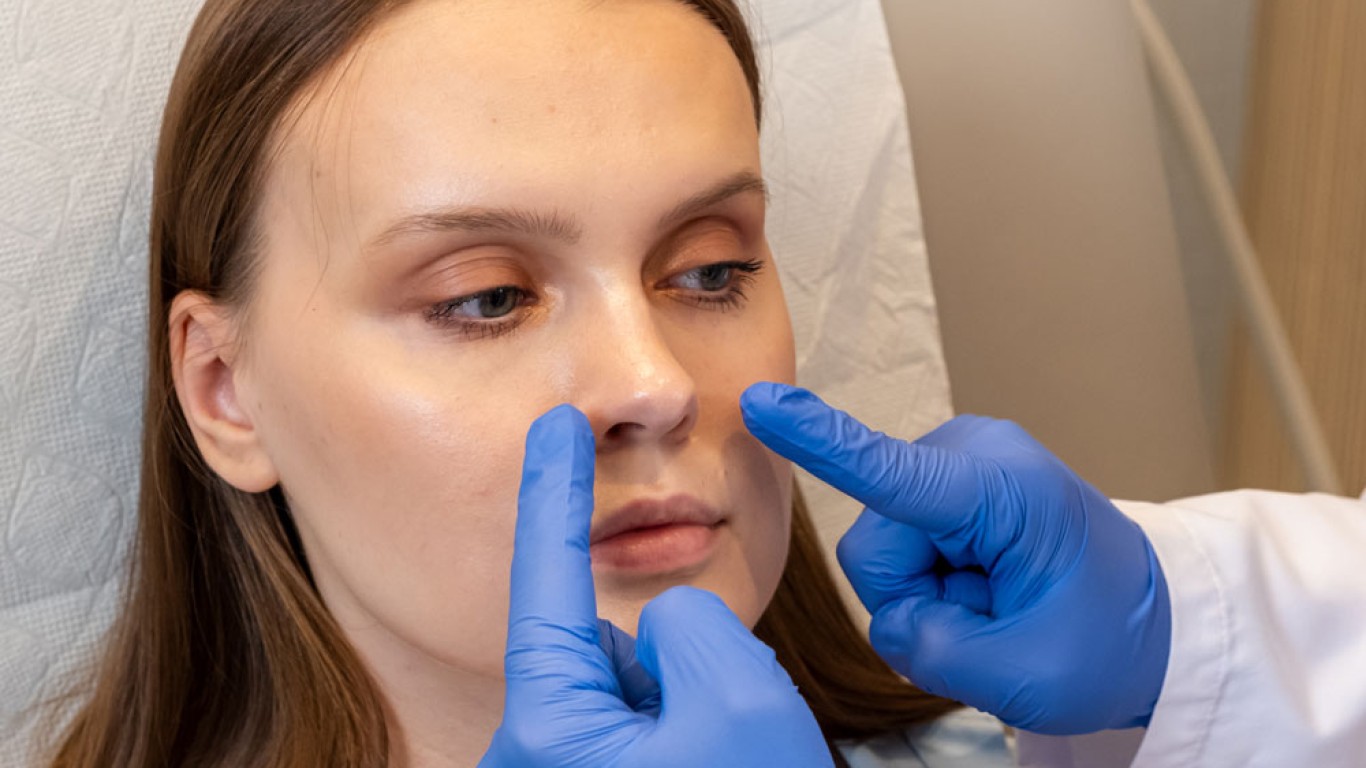
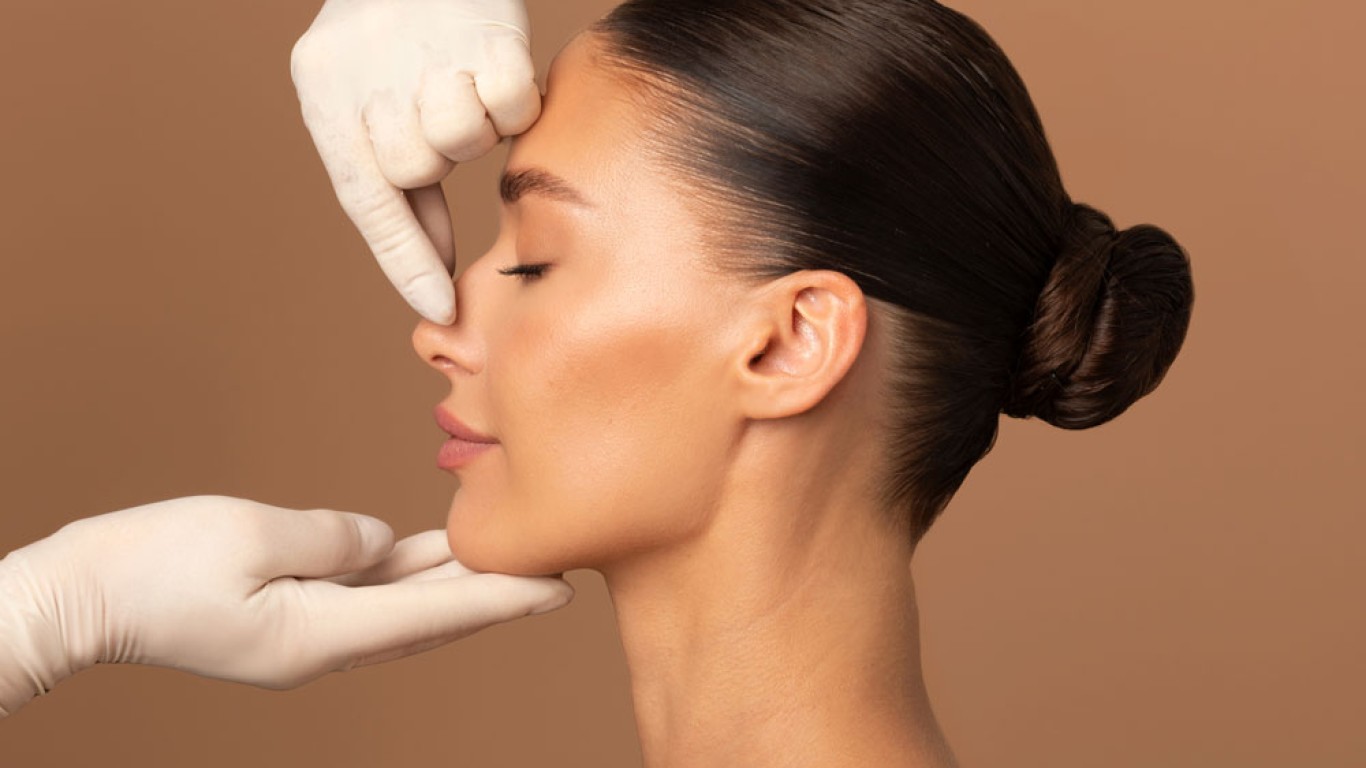
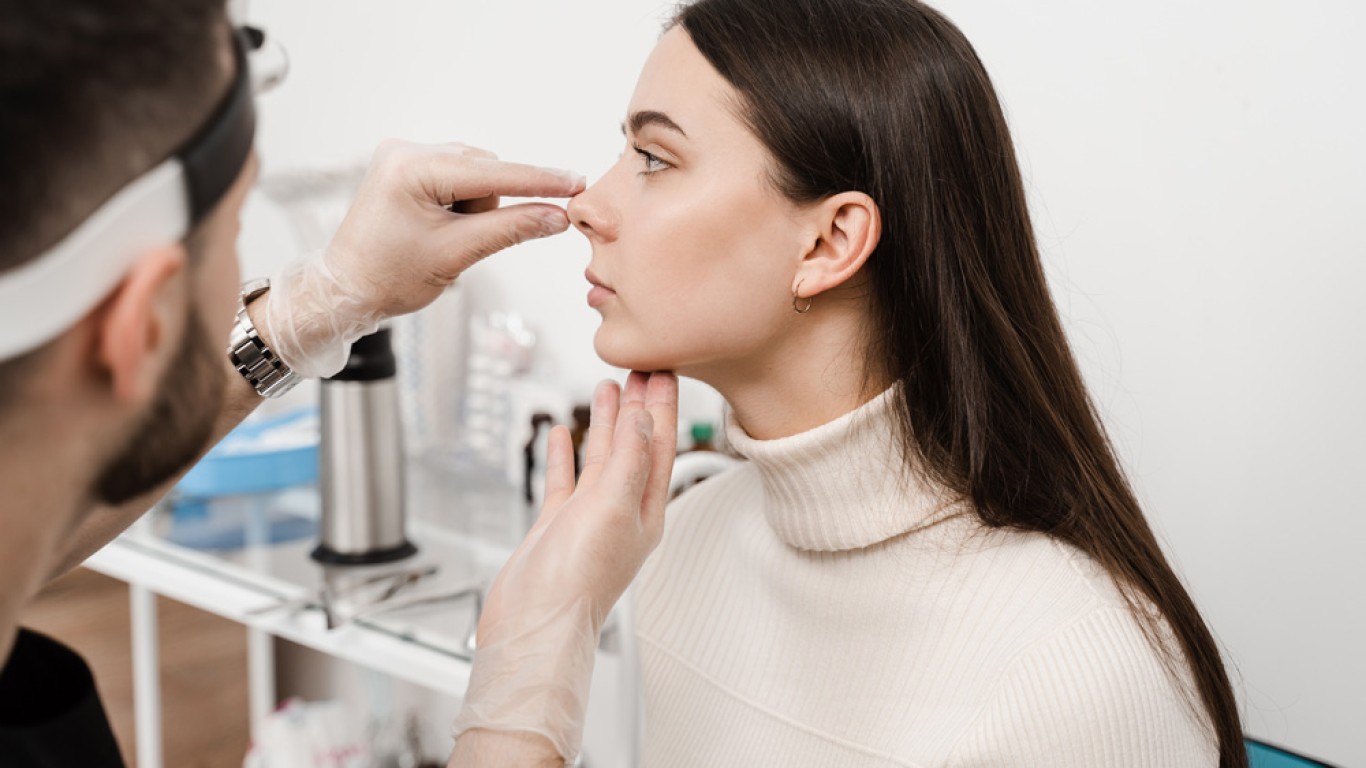
Septorhinoplasty addresses both the external nose and internal nasal septum. It combines rhinoplasty, which reshapes the nose, with septoplasty, which corrects the nasal septum. Both procedures are frequently performed together. Septal deviation can contribute to breathing difficulties and nasal asymmetry. Septorhinoplasty addresses functional and cosmetic concerns during one surgical session. This article explains what the procedure fixes and how it differs from rhinoplasty. It also explains what patients can expect before and after surgery.
What Is the Nasal Septum and What Is a Deviated Septum?
The nasal septum divides the nasal cavity into two chambers. It consists primarily of cartilage and bone. Ideally, the septum sits centrally, creating two roughly equal nasal passages. A deviated septum means this structure is displaced towards one side. Consequently, airflow may become restricted through one or both sides. Septal deviation is very common. Many people have some degree of deviation without experiencing symptoms. Significant deviation can cause nasal obstruction, breathing difficulties and snoring. Additionally, some patients experience sleep disruption or recurring sinus problems. Septal deviation can also contribute to visible nasal asymmetry. Therefore, one side of the nose may appear different from the other.
What Does Septorhinoplasty Fix?
The procedure addresses functional and cosmetic nasal concerns simultaneously. Functionally, it corrects septal deviation to improve nasal airflow. Consequently, treatment can reduce obstruction and improve breathing. Some patients may also experience improvements in snoring or related sleep disruption. Cosmetically, surgery can address a dorsal hump or nasal tip concerns. It can also alter bridge width and improve nasal asymmetry. Correcting the septum may improve symmetry without requiring extensive additional cartilage manipulation.
Septorhinoplasty vs Rhinoplasty: The Key Difference
The main difference involves correction of the nasal septum. Rhinoplasty primarily addresses the external structures of the nose. These structures include the skin, cartilage and bone. The procedure additionally corrects problems affecting the internal septum. It may suit patients experiencing both breathing difficulties and cosmetic concerns. Performing both procedures together can also offer practical advantages. Patients undergo one anaesthetic and one recovery period. Additionally, both concerns can be addressed within one surgical plan. Separating treatment requires two procedures and two recovery periods. The surgical approaches are otherwise broadly similar. Rhinoplasty incisions and surgical access can also accommodate septal correction.
Septorhinoplasty: The Surgical Process
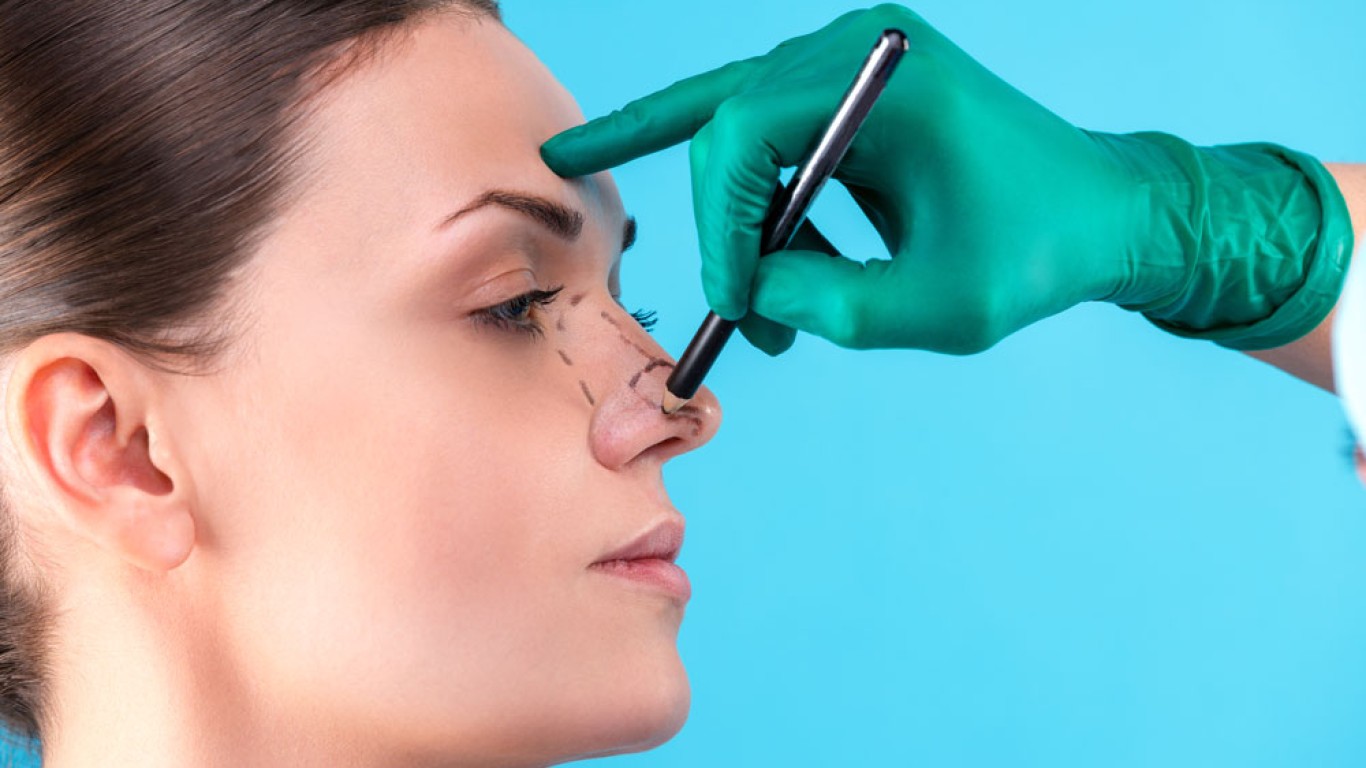
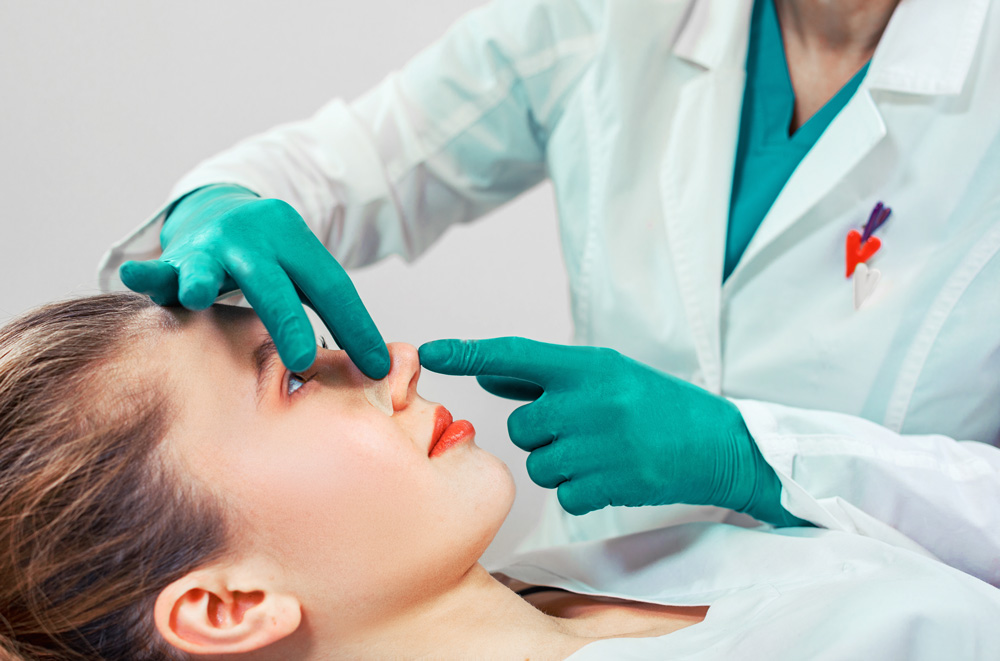
Septorhinoplasty is usually performed under general anaesthesia. Surgery typically takes between two and four hours. However, duration depends on the required septal and external changes. An open approach creates a small incision across the columella. This approach provides clear visibility of the nasal framework. Alternatively, closed surgery uses incisions positioned inside the nose. Open septorhinoplasty is commonly used for significant structural changes. The surgeon repositions or removes selected areas of deviated cartilage and bone. External reshaping of nasal cartilage and bone may follow. Afterwards, the skin is repositioned and incisions are closed. Internal splints may also be placed temporarily. Finally, an external splint supports the newly shaped nasal structure.
Septorhinoplasty Recovery
Recovery develops gradually over several weeks. The external splint usually remains for seven to ten days. Swelling and bruising often peak during the first seventy-two hours. Most patients feel comfortable socially after one or two weeks. Nasal breathing is initially restricted because of internal swelling. However, breathing gradually improves as swelling decreases. Returning to desk work is often possible after two weeks. Strenuous physical exercise should usually be avoided for four to six weeks. Sleeping with the head elevated can help manage swelling during early recovery.
Patients should also avoid pressure or accidental impact to the healing nose. Glasses may require temporary adjustment depending on the surgical work performed. Follow-up appointments allow the surgeon to monitor healing and address any concerns. Final results require considerably more time. Tip swelling can take twelve to eighteen months to resolve completely. Therefore, patience remains important throughout recovery. The nose continues refining throughout the first year.
Septorhinoplasty Results
Septorhinoplasty provides both functional and cosmetic results. Breathing often improves once the initial internal swelling decreases. This improvement may become noticeable within the first few weeks. Long-standing nasal obstruction can significantly affect everyday comfort and sleep. Therefore, improved airflow can provide meaningful quality-of-life benefits. Individual breathing improvements vary according to the original obstruction and nasal anatomy. Cosmetic outcomes also depend on skin thickness, cartilage strength and healing patterns. Cosmetic results develop more gradually. Early swelling can make the nose appear larger than expected. However, this appearance changes considerably throughout recovery. Most cosmetic improvements become visible within approximately six months. Further refinement continues during the following months. Final results commonly become apparent between twelve and eighteen months. Tip swelling is often among the final changes to resolve.
Septorhinoplasty in Turkey
Septorhinoplasty is available at accredited hospitals and specialist clinics across Turkey. Prices are generally lower than private treatment costs in the UK. All-inclusive packages may cost approximately £2,500 to £5,000. UK private treatment can range from approximately £6,000 to £12,000. However, prices vary according to surgeon, hospital and procedure complexity. Turkey has become a popular destination for rhinoplasty and combined septal procedures. Consequently, many Turkish surgeons perform high volumes of nasal surgery. Extensive procedural experience can support refined surgical planning and technique. Some Turkish hospitals also hold recognised international accreditations.
Patients should always verify individual hospital and surgeon credentials independently. Package inclusions should also be checked carefully before booking treatment. These may include accommodation, transfers, medication and scheduled post-operative appointments. International patients should understand their remote aftercare arrangements before returning home. Virtual consultations can help surgeons assess anatomy before patients travel. They also provide opportunities to discuss goals and realistic outcomes.
Conclusion
Septorhinoplasty combines rhinoplasty and septal correction during one surgical session. It can address both breathing difficulties and cosmetic nasal concerns. The procedure may suit patients with septal deviation and aesthetic concerns. Initial recovery usually requires several weeks. However, complete cosmetic refinement takes considerably longer. Final results can take twelve to eighteen months to develop. Turkey provides the procedure at lower prices than many UK private providers. However, patients should prioritise surgeon expertise and hospital standards over price. Careful preparation, appropriate aftercare and realistic expectations also contribute to a positive treatment experience. Professional consultation remains essential before deciding whether treatment is appropriate.
For more information about the procedure and to book a consultation visit the ACIBADEM Beauty Center Aesthetics page.
Frequently Asked Questions
Rhinoplasty primarily addresses the external structures of the nose. Septorhinoplasty also corrects the internal nasal septum. It may suit patients with both functional and cosmetic concerns.
The procedure usually takes between two and four hours. Duration depends on the required septal correction and external reshaping. Both procedures are performed during the same surgical session.
The external splint is usually removed after seven to ten days. Returning to desk work may be possible after two weeks. However, final results can require twelve to eighteen months.
Septorhinoplasty can improve breathing when septal deviation restricts nasal airflow. Improvement usually becomes clearer as internal swelling decreases. However, individual outcomes depend on anatomy and other breathing problems.
All-inclusive packages may cost approximately £2,500 to £5,000. UK private treatment can range from approximately £6,000 to £12,000. However, individual prices depend on procedure complexity and provider.