Ataşehir Mah. Feza Sk. No:3 İstanbul / Türkiye
 French
  English
  German
  Spanish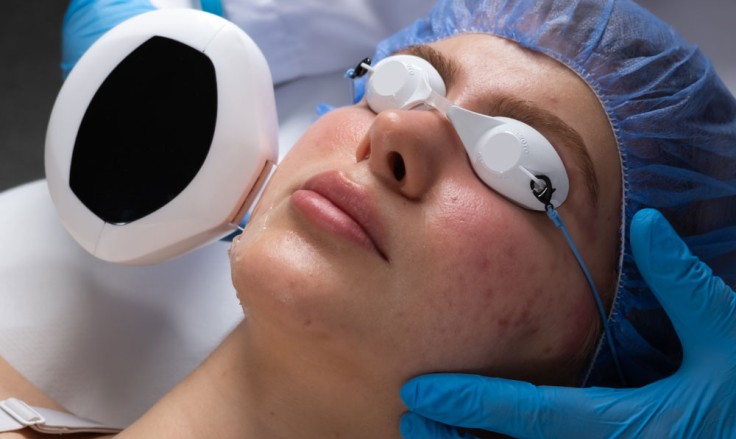
Introduction
Skin quality has become a central focus within modern aesthetic medicine. Rather than dramatic change, many patients now prioritise subtle improvement and skin health. Treatments that enhance hydration, texture and elasticity are increasingly popular. Skin boosters fit this shift toward natural-looking refinement - they work beneath the surface to improve how skin behaves rather than how it appears immediately. Medical aesthetic clinics use skin boosters as part of long-term skin strategies. Understanding how these treatments work helps patients make informed decisions.
What Skin Boosters Are and How They Work
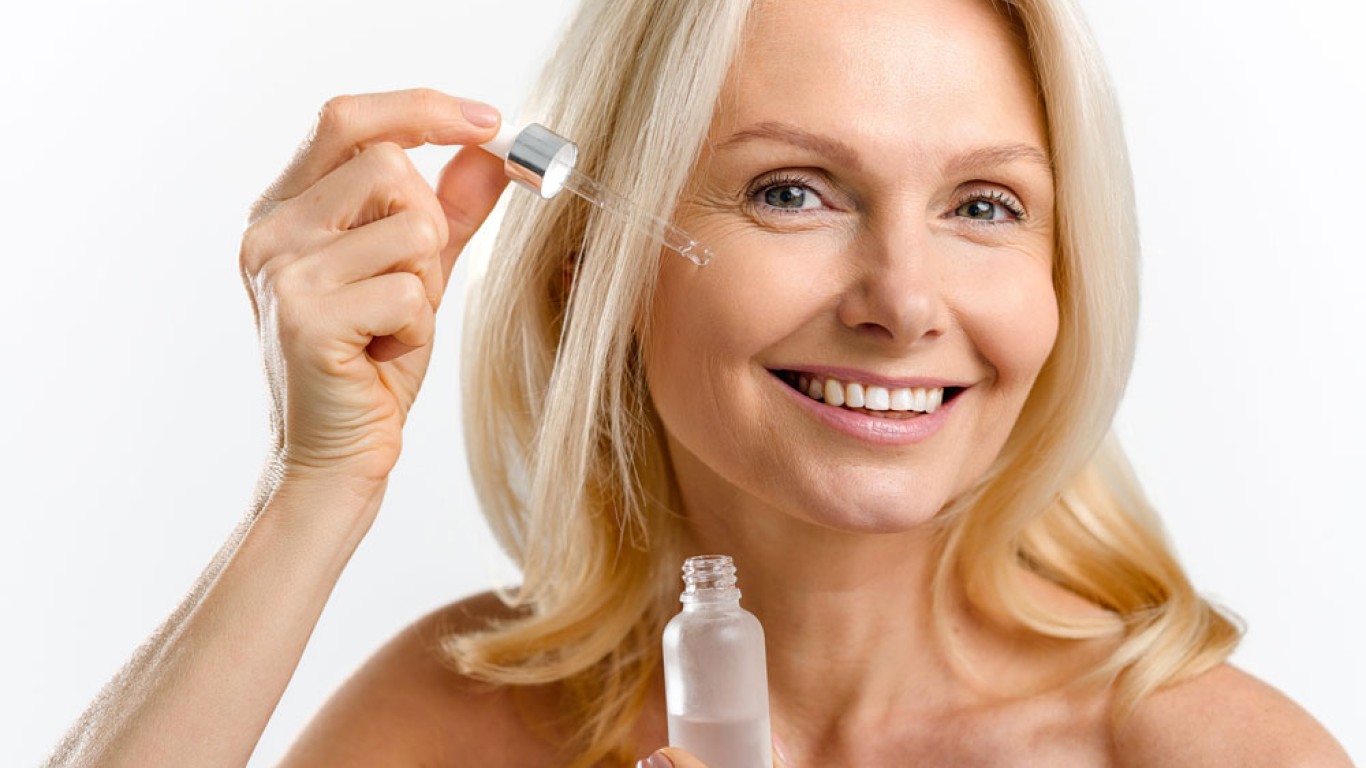
Skin boosters are injectable treatments designed to improve skin quality from within. They are placed into the superficial layers of the skin. Unlike volumising fillers, they do not alter facial structure. Instead, they support hydration and elasticity. The formulations often contain hyaluronic acid in a light, fluid form. This attracts and retains moisture within the skin. Over time, skin appears smoother and more supple. Skin boosters support the skin’s natural functions rather than replacing volume. This approach suits patients seeking refinement.
The Role of Skin Boosters in Medical Aesthetics
Medical aesthetic treatments increasingly focus on prevention and maintenance. Skin boosters align with this philosophy well and are often used as part of broader treatment plans. These plans aim to improve skin condition gradually. Clinicians integrate skin boosters alongside other non-surgical treatments - the goal is balanced improvement rather than isolated correction. Skin texture, hydration, and resilience are addressed together. Medical oversight ensures appropriate placement and timing. This structured use enhances long-term results.
Areas Commonly Treated with Skin Boosters
Skin boosters can be used on multiple areas of the face and body. The face is the most common treatment area. Cheeks, under eyes, and jawline are frequently addressed as these areas benefit from improved hydration. Neck and décolletage skin also respond well to treatment. Hands are another popular area. Skin boosters improve fine texture where skin is thin. Treatment plans vary depending on anatomy and individual assessment guides placement.
How Skin Boosters Differ from Dermal Fillers
Although both are injectable treatments, their purpose differs significantly. Dermal fillers focus on structure and contour. Skin boosters focus on quality and hydration. They do not add noticeable volume. This distinction is important during consultation. Patients seeking lift or shape may require fillers while those wanting improved skin condition may benefit from boosters. In many cases, both treatments are combined thoughtfully. Understanding the difference prevents unrealistic expectations.
Skin Boosters and Seasonal Skin Changes
Skin condition often fluctuates with seasonal changes. Cold weather can reduce moisture retention and increase tightness. At the same time, hot climates may lead to dehydration despite increased oil production. Skin boosters help stabilise hydration across these shifts. By improving water binding within the skin, treatments support consistency year round. Patients often notice that skin feels more balanced during seasonal transitions. This makes boosters particularly useful for long-term maintenance. Treatment timing can be adjusted around seasonal stressors. Consistency supports smoother texture throughout the year.
The Role of Skin Boosters in Post-Treatment Recovery
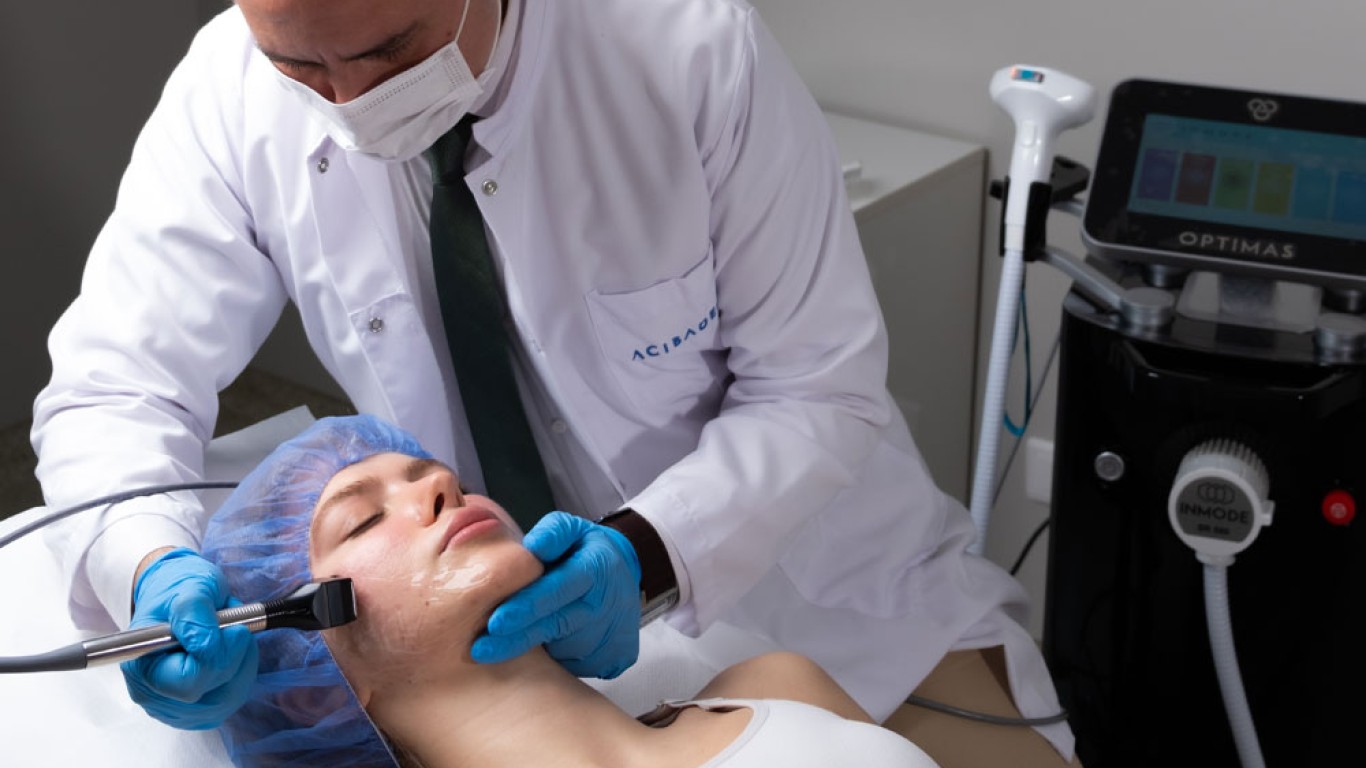
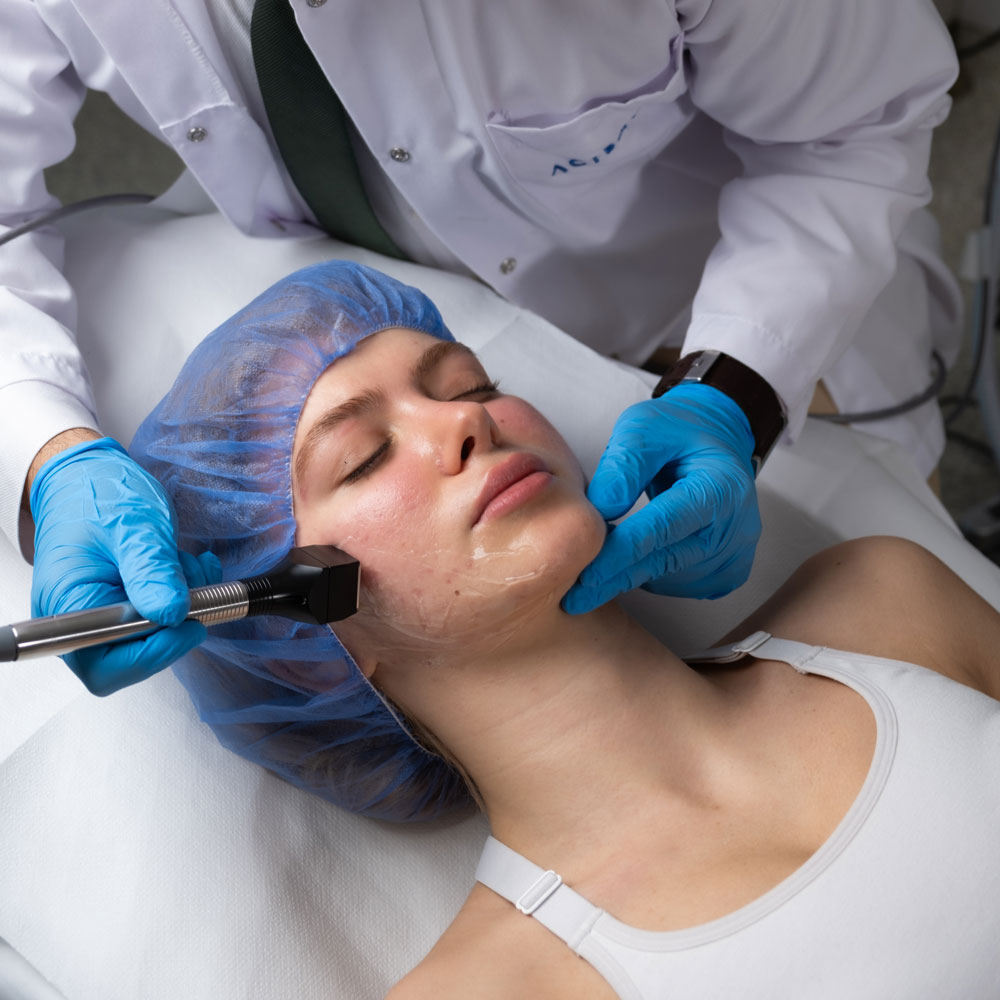
Boosters are frequently used after other aesthetic procedures - they support skin quality following treatments that stimulate renewal. Hydration helps the skin respond more evenly. Texture often appears calmer and more refined. Medical practitioners may recommend boosters after laser or energy-based treatments. This layered approach supports skin resilience. Recovery phases feel more comfortable and skin quality improves gradually rather than abruptly. Integration enhances overall results.
Differences Between Light and Deep Injection Techniques
Injection depth plays an important role in outcomes. Superficial placement targets hydration and texture directly while deeper placement may support elasticity and skin structure. Technique selection depends on treatment goals. Medical professionals adjust depth based on skin thickness and area. Precision ensures even distribution and correct technique supports natural improvement. This highlights the importance of medical expertise and treatment personalisation.
Long-Term Planning with Skin Boosters
Boosters are most effective when planned long term. Single sessions offer improvement, but series deliver consistency. Maintenance schedules preserve results over time, aligning with the philosophy of preventative aesthetics. Patients often incorporate boosters into annual care plans. Timing may coincide with lifestyle or environmental factors. Long-term planning reduces reactive treatments and helps skin quality remain more stable. This strategy supports lasting refinement.
Treatment Process and Scheduling
Skin booster treatments are usually delivered in a series. Initial sessions may be spaced several weeks apart, which allows hydration levels to build gradually. Results develop over time rather than immediately. Maintenance treatments are often scheduled periodically but the exact schedule depends on skin type and goals. Medical aesthetic clinics tailor plans carefully to prioritise gradual improvement.
Texture, Hydration, and Elasticity Improvements
One of the main benefits is improved skin hydration. Skin often feels smoother and more flexible, plus fine lines caused by dryness may soften. Texture becomes more even. Elasticity can also improve gradually, which supports overall skin resilience. Boosters enhance how skin responds to movement. The result is subtle but noticeable refinement - changes feel natural rather than artificial.
Skin Boosters as Preventative Treatments
Preventative aesthetics are increasingly popular. Boosters are often used before visible ageing appears. Maintaining hydration supports long-term skin health, and early intervention can slow texture changes. Younger patients may use skin boosters to support skin quality. Older patients may use them to maintain results from other treatments. Prevention focuses on consistency and professional medical guidance ensures appropriate timing. Long-term strategies are emphasised.
Combining Skin Boosters with Other Treatments
Boosters are rarely used in isolation - they complement treatments such as laser therapy or microneedling. Combination approaches address multiple skin concerns, a layered strategy that enhances outcomes. Medical aesthetic practitioners plan combinations carefully because timing between treatments matters. Boosters may prepare the skin or maintain results. Integration supports harmony and personalised plans deliver balanced improvement.
Results Timeline and Expectations
Results develop gradually after treatment. Hydration improves first, while texture changes follow over several weeks. Patients often notice a healthy glow rather than dramatic change. Understanding the timeline helps manage expectations. Skin boosters are not instant transformation treatments - their strength lies in subtle improvement. It is essential that you remain patient during the initial recovery period.
Suitability for Different Skin Types
Most skin types can benefit from boosters. Dry or dehydrated skin often responds particularly well, plus thinner skin may also show improvement. Sensitivity is assessed during consultation. Skin condition, age, and lifestyle are all considered during the consultation period. Treatment depth and product choice may vary. Individual planning and treatment tailoring supports comfort while also ensuring effectiveness.
Long-Term Skin Quality Maintenance
Maintaining skin quality requires ongoing care - boosters support this process over time. Regular treatments help preserve hydration levels and help skin remain more resilient. Lifestyle factors also influence results. Sun protection, hydration and skincare routines matter. Medical aesthetic treatments work best alongside good habits. Maintenance becomes part of routine care.
Skin Boosters in Medical Aesthetic Clinics in Turkey
Turkey continues to attract patients seeking medically guided aesthetic skin treatments. Clinics integrate boosters into broader programmes focused on improving skin quality over time. Treatment approaches prioritise controlled application and long-term planning rather than isolated sessions. Clinical supervision ensures treatments are delivered with consistency and precision. Leading institutions place strong emphasis on detailed skin assessment before treatment begins. Plans are tailored to skin condition, lifestyle and long-term goals. International patients often appreciate the clarity and coordination provided throughout their care. This structured approach supports predictable outcomes and informed decision making.
Choosing Skin Boosters as Part of Your Aesthetic Journey
Choosing boosters depends on personal goals. Patients seeking natural improvement often find them appealing, and they suit those prioritising skin health over dramatic change. Consultation will help clarify your expectations. Professional assessment helps set achievable expectations from the outset. Clear explanation of skin booster function allows patients to make informed decisions. Treatment choices are guided by long-term skin objectives rather than short-term change. Emphasis is placed on gradual enhancement. This approach supports confidence and lasting satisfaction.
Conclusion
Boosters play an important role in modern medical aesthetic treatments. They focus on hydration, texture and skin resilience rather than volume or shape. Used thoughtfully, they support natural-looking refinement over time. The gradual improvement offered by boosters aligns with preventative aesthetic trends. With medical guidance and structured planning, boosters can enhance long-term skin quality effectively.
If you’re interested in finding out more about boosters and other treatments, visit the ACIBADEM Beauty Center skin treatments page.
Frequently Asked Questions
No, they improve skin quality without altering structure.
Results are gradual and supported through maintenance sessions.
Yes, they are often used alongside other medical aesthetic treatments.
Yes, they are commonly used for preventative skin care.
Medical clinics provide assessment, precision, and structured treatment planning.