Ataşehir Mah. Feza Sk. No:3 İstanbul / Türkiye
 French
  English
  German
  Spanish
Introduction
Puffiness beneath the eyes is a concern that affects many people as they age. The delicate under eye area shows change earlier than other facial regions, often creating a tired or heavy appearance. For this reason, many people research eye bagsto understand why they develop and how they can be improved. While temporary swelling can appear after poor sleep or stress, persistent fullness usually has deeper structural causes. Understanding these differences helps patients make informed choices. This article explains bags under the eyes, focusing on causes, anatomy, and when surgery becomes the most effective solution.
What Causes Puffiness Beneath the Eyes
Several biological processes contribute to under eye puffiness. Over time, the tissues supporting the lower eyelids weaken and stretch. Fat that once sat securely around the eye can shift forward, becoming more visible. Skin also becomes thinner, making underlying changes easier to notice. Fluid retention can worsen swelling temporarily, especially in the morning. Together, these changes explain why eye bags often become more noticeable with age rather than appearing suddenly.
Ageing and Structural Changes
Ageing affects the face in layers, and the lower eyelids are particularly vulnerable. Collagen production slows, reducing firmness and elasticity. Muscle tone beneath the eye weakens gradually, offering less support. Fat pads may descend or bulge forward as ligaments loosen. These changes happen naturally and cannot be prevented entirely. Age related shifts remain the most common reason bags under the eyes develop progressively.
Genetic and Hereditary Factors
Not all under eye puffiness is related to ageing alone. Genetics play a significant role in how facial fat is distributed. Some people inherit prominent under eye fat pads or thinner skin, making puffiness visible at a younger age. Family traits can explain why bags under the eyes sometimes appear. Despite healthy habits and good sleep. In these cases, lifestyle changes alone rarely provide lasting improvement.
Lifestyle Factors That Can Worsen Puffiness
Lifestyle habits can influence how noticeable under eye fullness appears. Poor sleep may increase fluid retention beneath the eyes. High salt intake can worsen swelling temporarily. Alcohol contributes to dehydration, affecting skin quality and elasticity. Stress impacts circulation and overall skin health. These habits do not directly cause eye bags. But they can make existing puffiness appear more pronounced.
Temporary Puffiness Versus Permanent Bags
It is important to distinguish between temporary swelling and structural under eye bags. Temporary puffiness often improves with rest, hydration, or cold compresses. Permanent bags are usually caused by fat protrusion or skin laxity. Surgical treatment targets structural causes rather than fluid retention. Understanding this difference helps patients decide when surgery is appropriate for bags under the eyes.

Under Eye Anatomy Explained
The lower eyelid consists of skin, muscle, fat, and connective tissue. Each layer plays a role in maintaining smooth contours. When support weakens, fat can bulge forward. Thinning skin makes these changes more visible. The interaction between these layers determines how bags under the eyes form and progress. Surgeons assess this anatomy carefully during consultation.
Limitations of Creams and Home Remedies
Topical products may improve skin hydration or texture slightly. Some can reduce temporary swelling by improving circulation. However, they cannot reposition fat or tighten weakened muscle. Structural changes require medical or surgical intervention. This limitation explains why creams cannot permanently remove eye bags, despite strong marketing claims.
When Non Surgical Treatments May Help
In mild cases, non surgical treatments may offer subtle improvement. Skin tightening technologies can enhance firmness slightly. Injectable treatments may smooth transitions between the eyelid and cheek. These approaches work best for early changes. They cannot remove protruding fat, making them unsuitable for advanced bags under the eyes.
Surgical Solutions for Under Eye Bags
Surgery directly addresses the underlying structural causes of puffiness. Lower eyelid surgery targets excess fat and loose skin. The goal is to restore smooth contours while maintaining natural expression. Surgical correction remains the most definitive treatment for bags under the eyes. Especially when anatomy is the primary issue.
Lower Blepharoplasty Explained
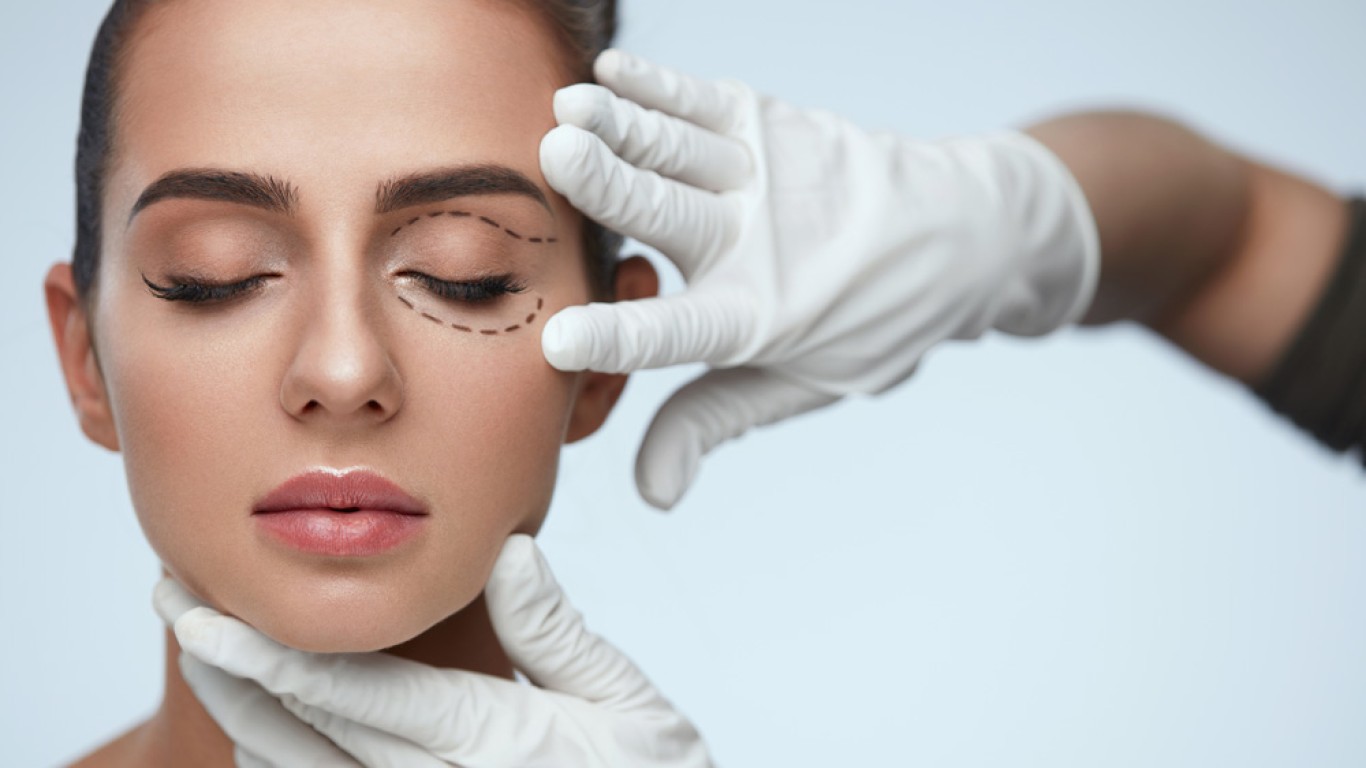
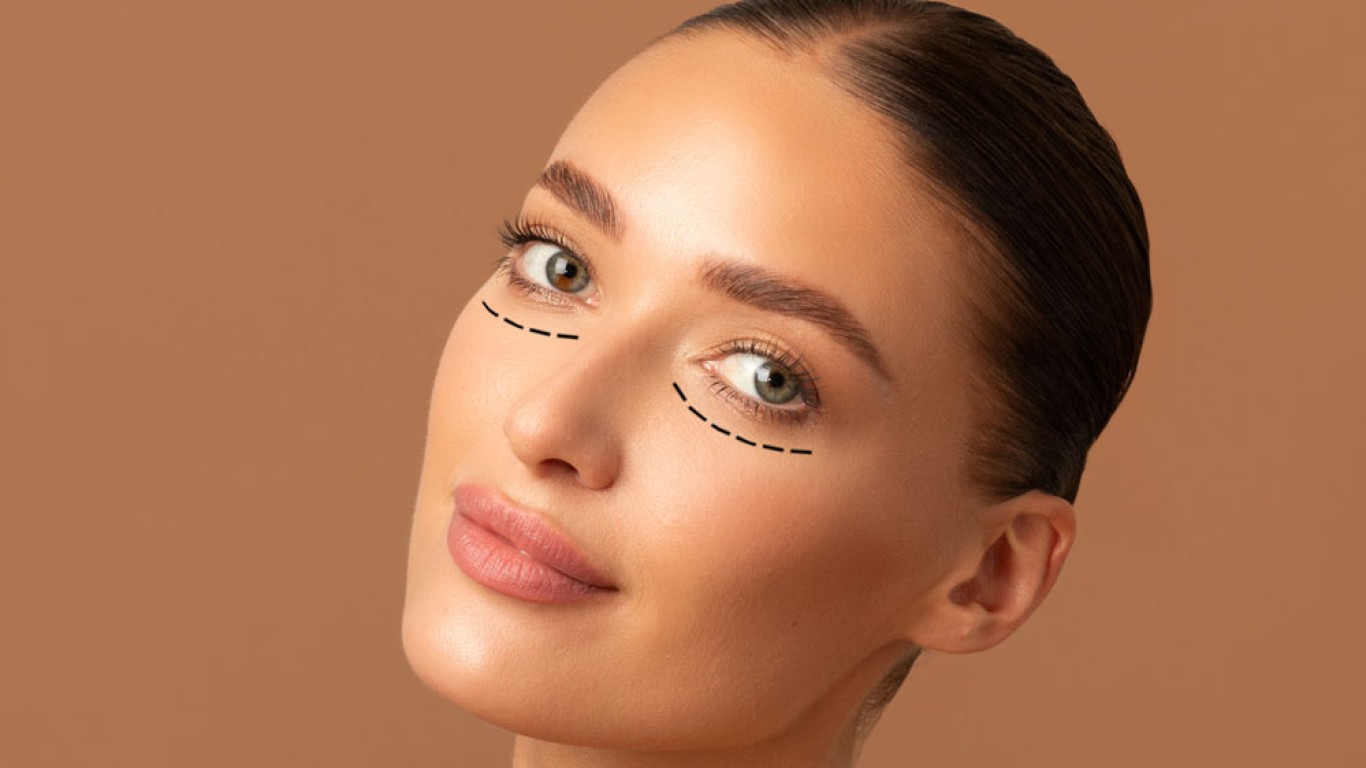
Lower blepharoplasty is the surgical procedure used to correct under eye bags. It can be performed through an internal incision inside the eyelid or an external incision beneath the lashes. Internal approaches leave no visible scars, while external approaches allow skin tightening. Technique choice depends on anatomy and severity of bags under the eyes.
Fat Removal Versus Fat Repositioning
Surgeons may remove excess fat or reposition it for smoother contours. Fat removal reduces bulging directly. Fat repositioning redistributes volume to avoid hollowing. Modern techniques favour balance rather than aggressive removal. This approach supports natural looking results when treating bags under the eyes.
Skin Tightening and Muscle Support
Skin laxity often accompanies under eye bags. Surgeons may tighten skin conservatively to improve smoothness. Muscle support can also be reinforced to maintain eyelid position. These steps contribute to long term stability. Comprehensive planning improves outcomes for bags under the eyes surgery.
Recovery and Healing Expectations
Recovery involves temporary swelling and bruising around the eyes. Most swelling resolves within a few weeks. Patients gradually return to daily activities as healing progresses. Final results become visible as tissues settle. Recovery commitment plays a role in satisfaction after correcting bags under the eyes.
Long Term Results and Natural Ageing
Surgical results are long lasting, although ageing continues naturally. Skin and tissue will still change gradually over time. However, the under eye area typically remains smoother than before surgery. Long term outlook is generally positive for treated bags under the eyes. Healthy habits support maintained appearance.
Psychological Impact of Treating Under Eye Puffiness
The under eye area strongly influences facial expression and perceived energy. Reducing puffiness often helps patients look more rested. Many report improved confidence and self perception. Emotional benefits frequently accompany physical improvement. Treating bags under the eyes can therefore have meaningful psychological impact.
Suitability and Patient Assessment
Not everyone requires surgery for under eye concerns. Suitability depends on anatomy, skin quality, and expectations. Good general health supports safe healing. Surgeons evaluate fat distribution and eyelid support carefully. Proper assessment ensures appropriate treatment for bags under the eyes.
Expectation Management Before Surgery
Clear communication helps align expectations realistically. Surgery refines appearance rather than transforming identity. Understanding limitations prevents disappointment. Informed consent supports confidence. Open discussion is essential when planning surgery for bags under the eyes.
Combining Under Eye Surgery With Other Procedures
Some patients combine lower eyelid surgery with additional facial procedures. Upper eyelid surgery may be performed simultaneously. Other treatments can enhance overall facial harmony. Combination planning depends on individual goals. Holistic assessment improves results for bags under the eyes correction.
Under Eye Surgery in Turkey
Turkey has become a popular destination for eyelid surgery. Clinics offer experienced surgeons and modern facilities. Structured consultations support international patients. Comprehensive care pathways are common. Many people explore bags under the eyes treatment abroad for these reasons.
Cost Considerations and Value
Costs vary depending on technique and complexity. Value includes surgeon expertise, aftercare, and results. Low cost alone should not guide decisions. Quality and safety remain priorities. Transparent pricing also helps patients compare options realistically. While understanding what is included throughout consultation, treatment, and follow up care. Cost discussions form part of responsible planning for eye bagsurgery.
How Under Eye Changes Affect Overall Facial Balance
The eye area plays a central role in overall facial balance and expression. Even subtle changes beneath the eyes can affect how the entire face is perceived. Puffiness may draw attention away from other features, creating visual imbalance. When the lower eyelids appear smoother, the face often looks more rested and harmonious. Surgeons consider how the under eye area interacts with the cheeks and midface.
This holistic view helps avoid isolated correction that looks unnatural. Facial balance is especially important as ageing progresses. Addressing one area thoughtfully can enhance surrounding features indirectly. Patients often notice improved facial proportions rather than a single isolated change. This balanced outcome contributes to long term satisfaction and confidence.
Conclusion
Bags under the eyes develop due to ageing, genetics, and structural tissue changes. Lifestyle habits may worsen appearance but rarely cause permanent puffiness. Surgical treatment directly addresses underlying anatomy and offers lasting improvement. Lower eyelid surgery provides reliable results when planned carefully. Thorough consultation supports informed decision making and realistic expectations.
For more information and to book a consultation visit the ACIBADEM Beauty Center skin treatments webpage.
Frequently Asked Questions
No, genetics can cause early development.
Sleep helps swelling but not structural changes.
Yes, surgery corrects fat and skin causes.
Modern techniques prioritise balance and subtlety.
Results last many years despite ongoing ageing.