Ataşehir Mah. Feza Sk. No:3 İstanbul / Türkiye
 French
  English
  German
  Spanish
Introduction
Facial pigmentation is one of the most common skin concerns among adults worldwide. Uneven patches of darker skin can appear on the cheeks, forehead, upper lip or other areas. Many people search for reliable information on how to remove facial pigmentation effectively. The good news is that modern dermatology and aesthetic medicine offer several proven approaches. Different types of pigmentation respond to different treatments. Understanding how to remove facial pigmentation starts with identifying the underlying cause. This article explains the different types of pigmentation, the treatment options available and how to choose the most appropriate approach for individual concerns.
Common Causes and How to Remove Facial Pigmentation
Understanding how to remove facial pigmentation requires knowledge of its causes. Sun exposure is the most common trigger. UV rays stimulate melanin production leading to sunspots and general darkening. Hormonal changes cause melasma, which often appears during pregnancy or with contraceptive use. Post-inflammatory hyperpigmentation follows acne, injury or skin inflammation. Ageing contributes to age spots also called liver spots. Medications can sometimes cause pigmentation changes. Genetic factors influence susceptibility. Identifying the cause guides appropriate treatment selection. Different causes respond better to different approaches. Knowing how to remove facial pigmentation effectively depends on accurate diagnosis first. A dermatologist or aesthetic practitioner assesses the pigmentation type during consultation to recommend the most effective treatment plan.
How to Remove Facial Pigmentation with Topical Products
Topical products offer a foundation approach for how to remove facial pigmentation. Prescription hydroquinone remains one of the most effective ingredients. It inhibits melanin production to gradually fade dark patches. Tretinoin enhances cell turnover to speed up the fading process. Kojic acid offers a gentler alternative for sensitive skin. Azelaic acid works well for post-inflammatory pigmentation. Vitamin C serums brighten skin and support collagen. Niacinamide helps prevent pigment transfer within the skin. Tranexamic acid has emerged as particularly effective for melasma. Consistent daily use over several months produces gradual improvement. Topical products work best when combined with sun protection and other approaches for comprehensive results.
How to Remove Facial Pigmentation with Chemical Peels
Chemical peels offer an effective approach for how to remove facial pigmentation. The treatment applies a chemical solution that exfoliates the outer skin layers. New healthier skin emerges during healing. Different peel strengths suit different concerns. Glycolic acid peels work well for mild pigmentation. Mandelic acid is gentler for sensitive or darker skin. TCA peels address deeper pigmentation concerns. Multiple sessions typically produce the best results. Most patients need three to six treatments spaced several weeks apart. Recovery varies from minimal flaking to visible peeling depending on depth. Chemical peels combine well with topical products. The treatment is one of the most established approaches for pigmentation.
How to Remove Facial Pigmentation with Laser Therapy
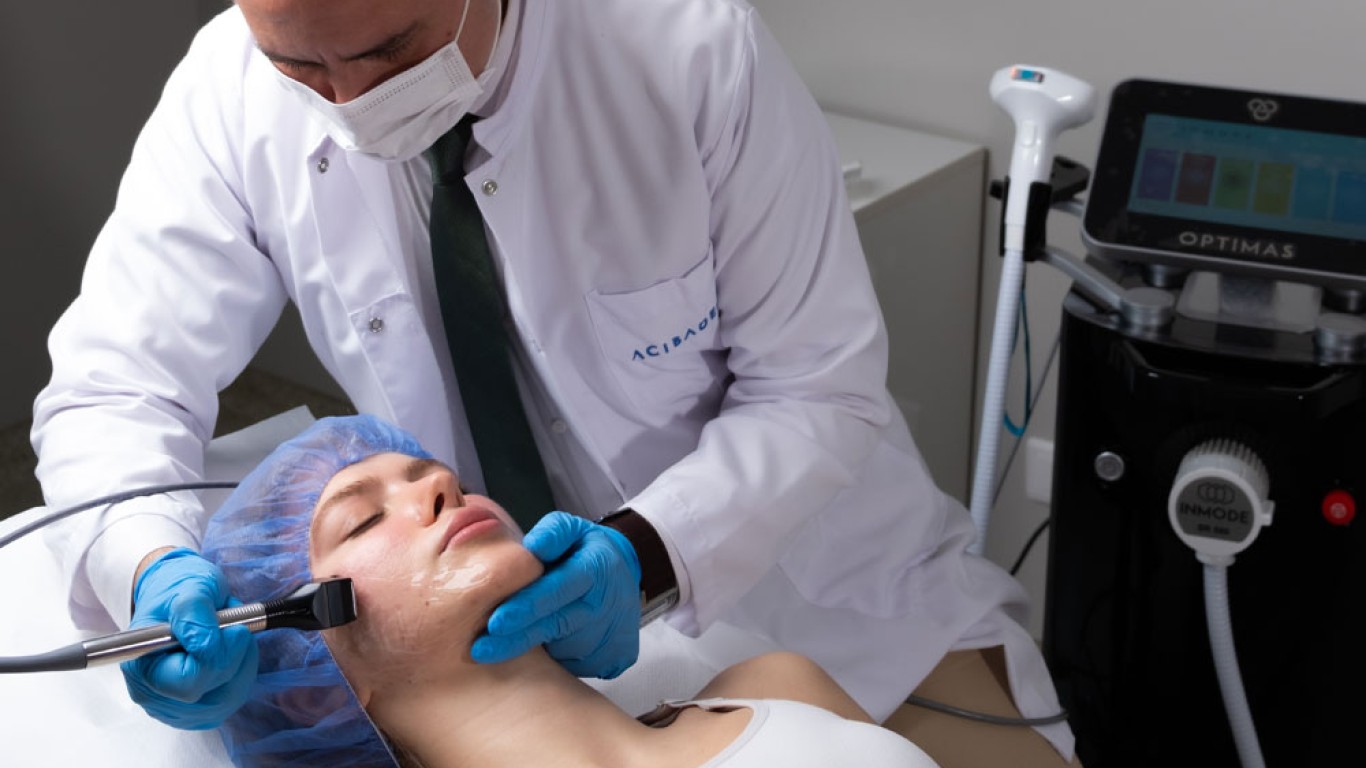
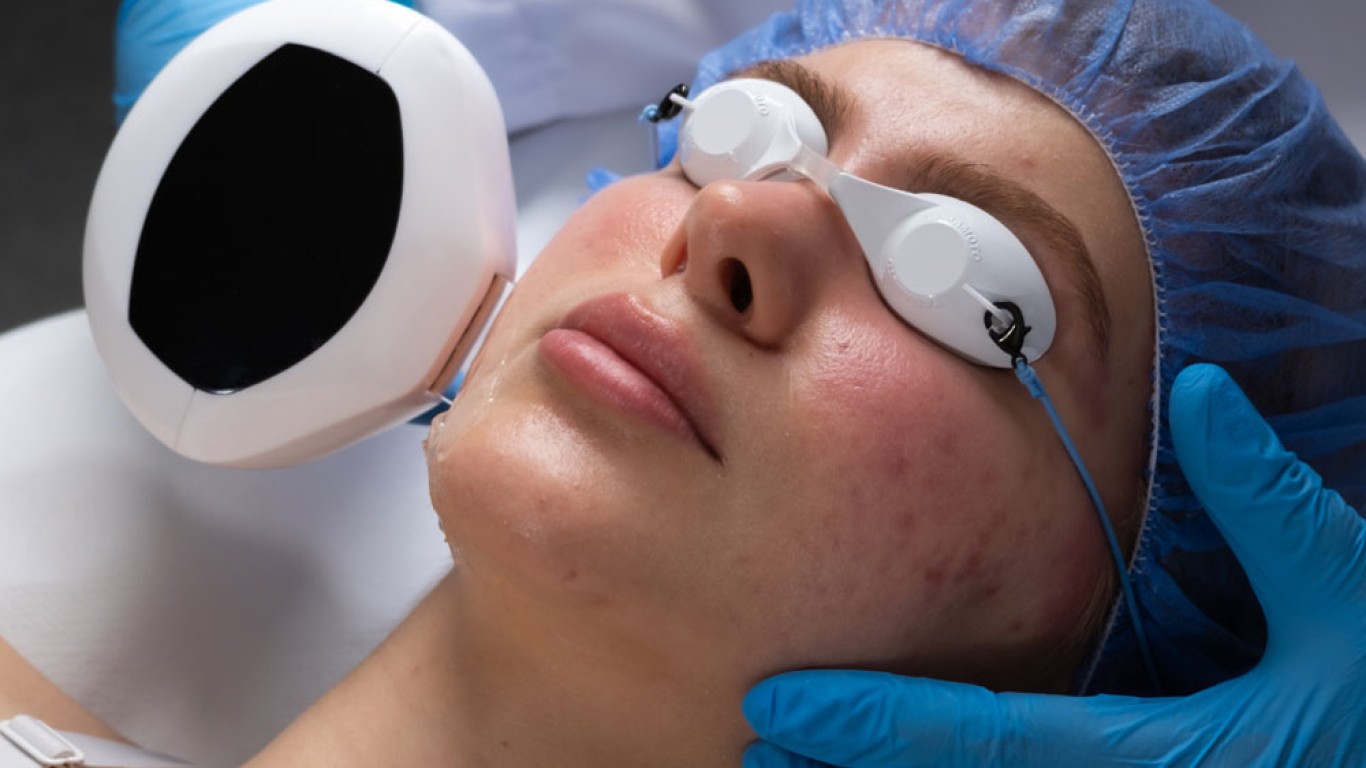
Laser treatments offer powerful options for how to remove facial pigmentation. Q-switched lasers target melanin directly to break down pigment. Intense pulsed light treats multiple types of pigmentation simultaneously. Fractional lasers address both texture and pigmentation concerns. Each laser type has specific advantages. The choice depends on pigmentation type, skin tone and patient goals. Multiple sessions typically produce the best results. Darker skin tones require careful laser selection to avoid complications. Nd:YAG lasers offer safer options for these skin types. Recovery varies from minimal with gentler lasers to several days with more intensive treatments. Professional consultation identifies the most suitable laser approach.
How to Remove Facial Pigmentation with Microneedling
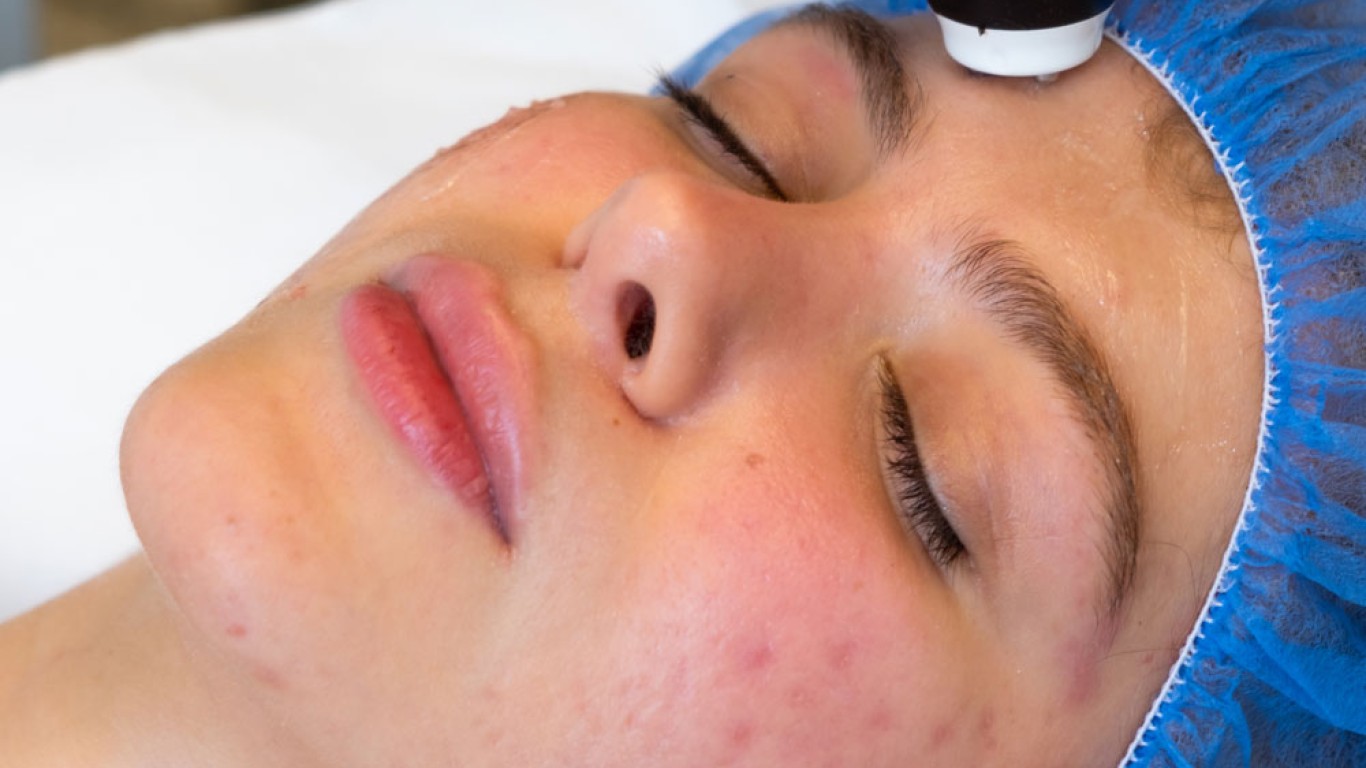
Microneedling provides another effective approach for how to remove facial pigmentation. The treatment uses fine needles to create controlled micro-injuries. These trigger new collagen and support skin renewal. The process helps break up and fade pigmentation over time. Microneedling works particularly well combined with serums containing brightening ingredients. The tiny channels allow better penetration of topical products. Multiple sessions are typically needed. The treatment suits most skin types and carries less risk of pigmentation changes than some lasers. Recovery is brief with mild redness for one to two days. Microneedling has become a popular choice for patients with darker skin tones.
Sun Protection as Treatment
Sun protection is essential whenever addressing pigmentation concerns. Any treatment for pigmentation will be compromised without consistent sun protection. UV exposure triggers new melanin production that undoes treatment progress. Broad-spectrum sunscreen with SPF fifty is recommended during active treatment. Wide-brimmed hats provide additional protection. Avoiding sun during peak hours helps. Some sunscreens also protect against visible light which can trigger melasma. Sun protection should continue as a daily habit even after pigmentation clears. Patients who skip sun protection often find their pigmentation returns quickly. This simple step is the most important element of any pigmentation treatment plan for lasting results.
How to Remove Facial Pigmentation Caused by Melasma
Melasma represents a particularly challenging type of pigmentation. The condition appears as symmetrical brown patches typically on the cheeks, forehead and upper lip. Hormonal triggers drive melasma. Pregnancy, oral contraceptives and hormone therapy can cause it. Sun exposure worsens it significantly. Melasma often recurs after treatment. Combined approaches work best. Oral tranexamic acid has emerged as highly effective. Topical prescription combinations produce good results. Gentle laser treatments such as low-energy Q-switched lasers help. Aggressive lasers can actually worsen melasma. Patience is essential because melasma responds slowly. Strict sun protection and avoidance of hormonal triggers where possible support long-term management of this specific pigmentation condition.
Post-Inflammatory Hyperpigmentation
Post-inflammatory hyperpigmentation follows acne, injury or skin inflammation. The condition causes darker patches where breakouts or wounds have healed. Patients learning how to remove facial pigmentation of this type benefit from targeted treatment. It affects darker skin tones more prominently. Preventing the original inflammation is ideal. Treating acne early reduces post-inflammatory marks. Once pigmentation has developed, several approaches help. Topical retinoids and azelaic acid work well. Gentle chemical peels accelerate fading. Microneedling with vitamin C serum produces good results. Most post-inflammatory pigmentation fades over six to twelve months with treatment. Continued sun protection prevents it from worsening.
Realistic Expectations and Timeline
Realistic expectations support satisfaction when learning how to remove facial pigmentation. Most treatments produce gradual rather than immediate results. Visible improvement typically develops over two to three months. Significant fading often takes six to twelve months with consistent treatment. Complete removal is rarely achievable. Sixty to eighty percent improvement is a realistic goal for most types of pigmentation. Deeper pigmentation responds more slowly than surface changes. Multiple treatment sessions combined with daily skincare produce the best results. Patience during this process protects the investment in treatment.
When to See a Specialist
Professional consultation provides the best guidance on how to remove facial pigmentation. Home remedies and over-the-counter products often produce limited results. A dermatologist or aesthetic practitioner can identify the specific pigmentation type. They can prescribe stronger topical products not available over the counter. They can recommend appropriate in-clinic treatments for how to remove facial pigmentation effectively. Consultation is particularly important for patients with darker skin tones where treatment selection affects safety. New or changing pigmented lesions should always be evaluated to rule out serious concerns. Professional guidance prevents wasted time and money on ineffective approaches. It also protects against complications from inappropriate treatments chosen without specialist input.
Maintaining Clear Skin Long Term
Maintaining results requires ongoing commitment to good skincare. Sun protection becomes a daily habit for life. Gentle cleansers prevent irritation that could trigger new pigmentation. Active ingredients in serums support continued brightness. Avoiding known triggers for melasma helps prevent recurrence. Regular professional treatments every six to twelve months maintain improvements. Annual skin assessments catch any new pigmentation early when easier to treat. Good sleep, hydration and nutrition support overall skin health and help maintain results from how to remove facial pigmentation treatments. Addressing any underlying conditions such as hormonal imbalances helps.
Conclusion
Learning how to remove facial pigmentation involves understanding the cause and selecting appropriate treatments. Topical products, chemical peels, lasers and microneedling all offer effective options. Combined approaches typically produce the best results. Sun protection is essential throughout treatment and beyond. Realistic expectations support satisfaction because pigmentation rarely disappears completely. Significant improvement of sixty to eighty percent is the typical goal. With appropriate treatment and ongoing maintenance, most patients achieve noticeably clearer and more even skin. Persistence and consistency protect the investment in pigmentation treatment.
For more information and to book a consultation visit the ACIBADEM Beauty Center Skin Treatments page.
Frequently Asked Questions
Professional chemical peels or laser treatments produce faster results than topicals alone.
Treatments can significantly reduce pigmentation but maintenance is usually needed.
Combined topical therapy with tranexamic acid and strict sun protection works best.
Significant improvement typically takes three to six months of consistent treatment.
Yes, with careful laser selection such as Nd:YAG technology.