Ataşehir Mah. Feza Sk. No:3 İstanbul / Türkiye
 French
  English
  German
  Spanish
Introduction
Advances in medical technology continue to reshape the field of aesthetic medicine. In recent years, innovations have improved how procedures are planned, performed and monitored. Cosmetic surgery technology trends 2026 highlight how digital tools and refined surgical techniques support more personalised treatments. Patients increasingly expect procedures that prioritise precision and natural-looking results. Technology now allows surgeons to analyse anatomy more accurately before performing treatment. This preparation can improve surgical planning and communication with patients. As these tools evolve, the entire patient experience continues to improve, from consultation through recovery.
Cosmetic Surgery Technology Trends 2026: Digital Imaging and Treatment Planning
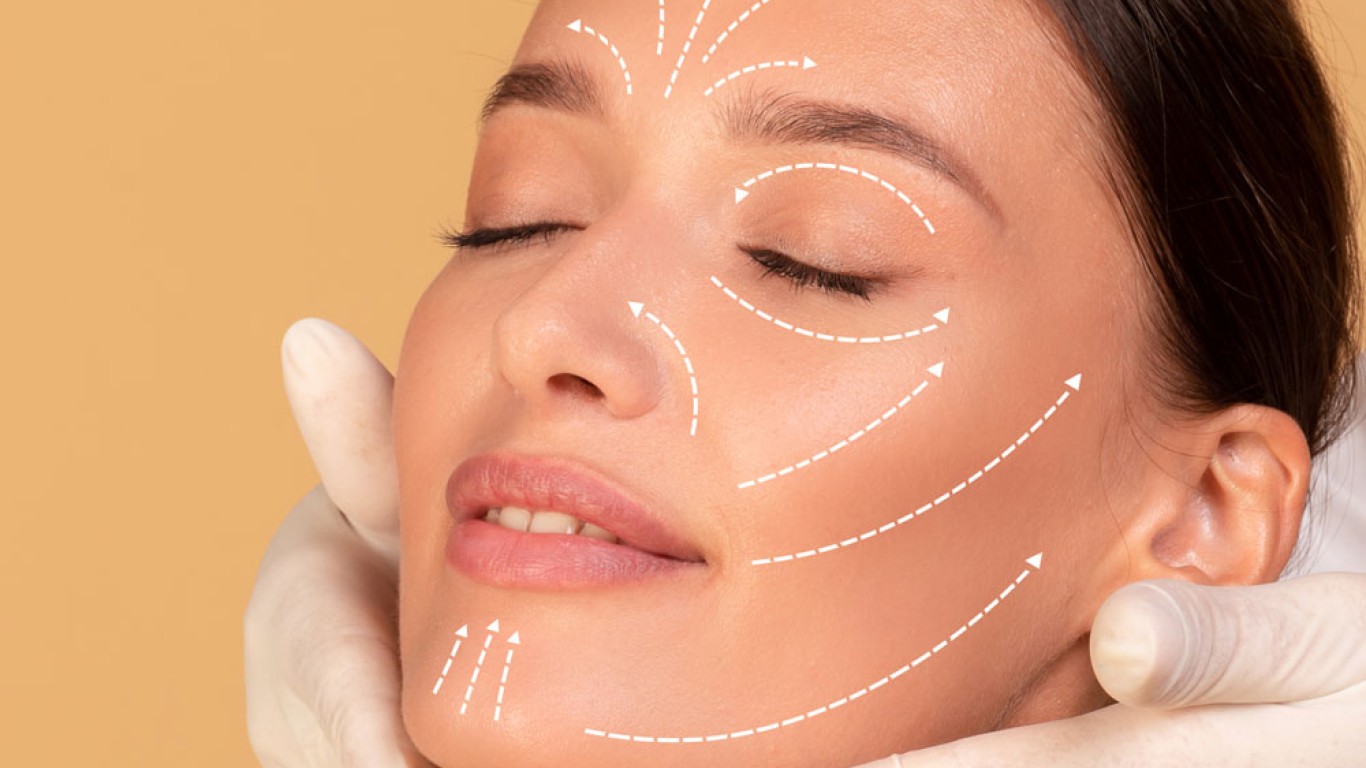
Digital imaging systems play an important role in cosmetic surgery technology trends 2026. These tools allow surgeons to evaluate facial and body proportions in greater detail. High-resolution imaging can capture subtle anatomical variations that influence treatment planning. Advanced imaging software can also simulate potential outcomes before a procedure begins. This visual planning process helps patients understand expected changes more clearly. Surgeons can adjust treatment strategies based on these simulations. Digital planning therefore supports greater precision and more predictable aesthetic outcomes.
Cosmetic Surgery Technology Trends 2026: 3D Simulation for Patient Consultations
Three-dimensional simulation technology is becoming increasingly common in aesthetic consultations. Cosmetic surgery technology trends 2026 show how 3D imaging helps visualise potential surgical results more accurately. Patients can view simulated changes to facial features or body contours before undergoing treatment. This interactive process allows individuals to participate actively in treatment planning. Surgeons also use these simulations to refine procedural strategies and adjust surgical goals. The consultation therefore becomes more collaborative. Patients often feel more confident when they understand the potential results of their procedure.
Cosmetic Surgery Technology Trends 2026:Robotics and Precision-Assisted Surgery
Robotic assistance is emerging as another development in modern surgical practice. Cosmetic surgery technology trends 2026 include tools that enhance precision during certain procedures. Robotic systems can assist surgeons with controlled and delicate movements. These systems are designed to support surgical expertise rather than replace it. Surgeons remain fully responsible for decision-making throughout the procedure. Precision-assisted tools allow surgeons to refine small anatomical details more effectively. This technological support contributes to consistent surgical results and improved contour accuracy.
Cosmetic Surgery Technology Trends 2026:Energy-Based Devices for Skin Treatments
Energy-based technologies continue expanding within aesthetic medicine. Cosmetic surgery technology trends 2026 include devices that use radiofrequency, ultrasound or laser energy. These technologies stimulate collagen production within deeper layers of the skin. Collagen fibres provide structure and elasticity that support skin firmness. As collagen production increases, the skin may appear smoother and more refined. Energy-based devices are frequently combined with surgical procedures to enhance overall results. This integration allows specialists to address both contour and skin quality simultaneously.

Artificial Intelligence in Surgical Analysis
Artificial intelligence is beginning to support decision-making in cosmetic surgery planning. Cosmetic surgery technology trends 2026 show how AI can analyse large datasets related to anatomy and facial proportions. These systems may identify patterns that assist surgeons in evaluating treatment strategies. AI-assisted analysis can provide additional insights during consultation and planning. However, surgeons remain responsible for interpreting the information and making final decisions. Technology therefore functions as a supportive tool rather than a replacement for medical expertise. AI may improve accuracy when assessing facial symmetry and body proportions.
Cosmetic Surgery Technology Trends 2026:Minimally Invasive Techniques and Instrument Design
Modern instrument design has improved how cosmetic procedures are performed. Cosmetic surgery technology trends 2026 highlight smaller surgical tools and refined instruments. These innovations allow surgeons to perform procedures through smaller incisions than traditional techniques required. Minimally invasive approaches may reduce tissue disruption during treatment. Advanced instruments also provide greater control during delicate procedures such as liposuction or facial contouring. Precision tools allow surgeons to sculpt tissues more carefully. As a result, aesthetic procedures continue evolving toward more refined surgical techniques.
Advanced Monitoring During Procedures
Patient monitoring technology has also progressed significantly in modern surgical environments. Cosmetic surgery technology trends 2026 include improved systems for observing vital signs during procedures. These systems track heart rate, oxygen levels and other key indicators in real time. Continuous monitoring allows the surgical team to respond quickly if adjustments are required. Modern digital systems also store data electronically for accurate documentation. This technology helps maintain stable conditions throughout the procedure. Improved monitoring systems contribute to safer surgical environments and better clinical oversight.
Personalised Treatment Approaches
Technology now allows surgeons to design highly personalised treatment strategies. Cosmetic surgery technology trends 2026 emphasise tailoring procedures to each patient’s unique anatomy. Digital imaging and diagnostic tools help identify subtle differences in body structure. Surgeons can adjust surgical plans based on these findings. Personalised planning supports results that complement natural facial features or body proportions. This approach reflects a broader shift toward customised aesthetic medicine. Patients increasingly expect treatments designed specifically for their individual goals.
Future Directions in Aesthetic Innovation
Technology will continue shaping the future of aesthetic medicine in the coming years. Cosmetic surgery technology trends 2026 suggest that digital tools and imaging will become more integrated into everyday surgical practice. Emerging technologies may further improve precision and treatment planning accuracy. Innovations in materials, imaging and energy-based devices may expand treatment possibilities. As these developments continue, surgeons will likely gain new tools to enhance aesthetic outcomes. Patients may benefit from procedures that become increasingly refined and personalised.
Smart Surgical Instruments and Precision Control
Modern surgical instruments are becoming more advanced as technology evolves. New generations of tools are designed to provide surgeons with improved control and precision during procedures. Many of these instruments incorporate ergonomic designs that allow for more accurate movements. This is particularly important in procedures that require delicate adjustments to facial or body structures. Precision-focused instruments can help surgeons sculpt tissue carefully while maintaining natural proportions. As technology improves, these tools continue to enhance surgical accuracy and efficiency. Improved instrument design therefore plays an important role in modern aesthetic surgery.
Augmented Reality in Surgical Planning
Augmented reality is beginning to influence surgical planning in aesthetic medicine. This technology overlays digital images onto real-world views, allowing surgeons to visualise anatomical structures in greater detail. By combining imaging data with real-time visualisation, surgeons can evaluate body proportions before beginning a procedure. Augmented reality tools may also assist with mapping treatment areas and planning incisions. These technologies are still developing, but they represent an important step forward in surgical preparation. As augmented reality systems improve, they may further enhance planning accuracy and surgical precision.
Remote Consultation and Digital Patient Pathways
Digital communication platforms are becoming increasingly important in aesthetic medicine. Many clinics now offer virtual consultations before patients travel for treatment. These online appointments allow surgeons to review photographs and discuss treatment goals with patients remotely. Digital patient pathways can also streamline administrative processes such as scheduling and medical history collection. For international patients, these tools simplify the early stages of treatment planning. Remote consultations help patients gather information and make informed decisions before visiting a clinic. As digital communication technology evolves, patient access to specialist consultations may continue to expand.
Biomaterials and Tissue Support Innovations
Innovations in biomaterials are also influencing the future of aesthetic procedures. Researchers continue developing materials that integrate safely with human tissue. These materials may be used to support structural changes during certain cosmetic procedures. Advances in biomaterial science focus on improving compatibility and durability. When used appropriately, these materials can support refined aesthetic outcomes. Ongoing research in this field aims to improve both performance and safety. As biomaterials continue evolving, they may expand the possibilities available within aesthetic surgery.
Data-Driven Surgical Planning
Medical data analysis is becoming increasingly valuable in aesthetic medicine. Clinics now collect and analyse large amounts of treatment data over time. This information helps specialists identify patterns in surgical outcomes and patient preferences. Data-driven insights can support more accurate treatment planning and improve consistency. As data systems become more sophisticated, they may play a greater role in guiding future surgical decisions.
Conclusion
Cosmetic surgery technology trends 2026 demonstrate how innovation continues to transform aesthetic medicine. Digital imaging, precision instruments and emerging technologies support more accurate treatment planning. These tools allow surgeons to refine procedures while tailoring results to individual anatomy. As technology continues evolving, patients can expect even greater precision and improved treatment experiences.
For more information and to book a consultation visit the ACIBADEM Beauty Center.
Frequently Asked Questions
They refer to innovations improving how aesthetic procedures are planned and performed.
It allows surgeons to analyse anatomy and simulate potential results before treatment.
AI may assist in analysing anatomical data and supporting treatment planning.
They are technologies that use laser, ultrasound or radiofrequency to improve skin quality.
Yes, ongoing innovations are expected to further enhance precision and patient outcomes.