Ataşehir Mah. Feza Sk. No:3 İstanbul / Türkiye
 French
  English
  German
  Spanish
Introduction
The rise of AI cosmetic surgery planning has transformed how aesthetic procedures are prepared and personalised. Clinics now use advanced systems that analyse facial structure, proportions and symmetry. These tools help specialists design treatments that align with natural features and long-term goals. Because AI can process detailed information quickly, it strengthens the planning phase and supports predictable results. This guide explains how AI shapes modern cosmetic surgery planning and why its use continues to grow worldwide.
What AI Cosmetic Surgery Planning Is Designed to Do
AI cosmetic surgery planning uses digital systems to analyse facial or body structures. The technology studies proportions, angles and alignment. Additionally, it creates predictive models that show estimated outcomes. These models guide specialists as they design treatment plans. AI helps refine shape, balance and positioning. Because the technology supports personalised mapping, every plan becomes more precise.
How AI Improves Facial Analysis
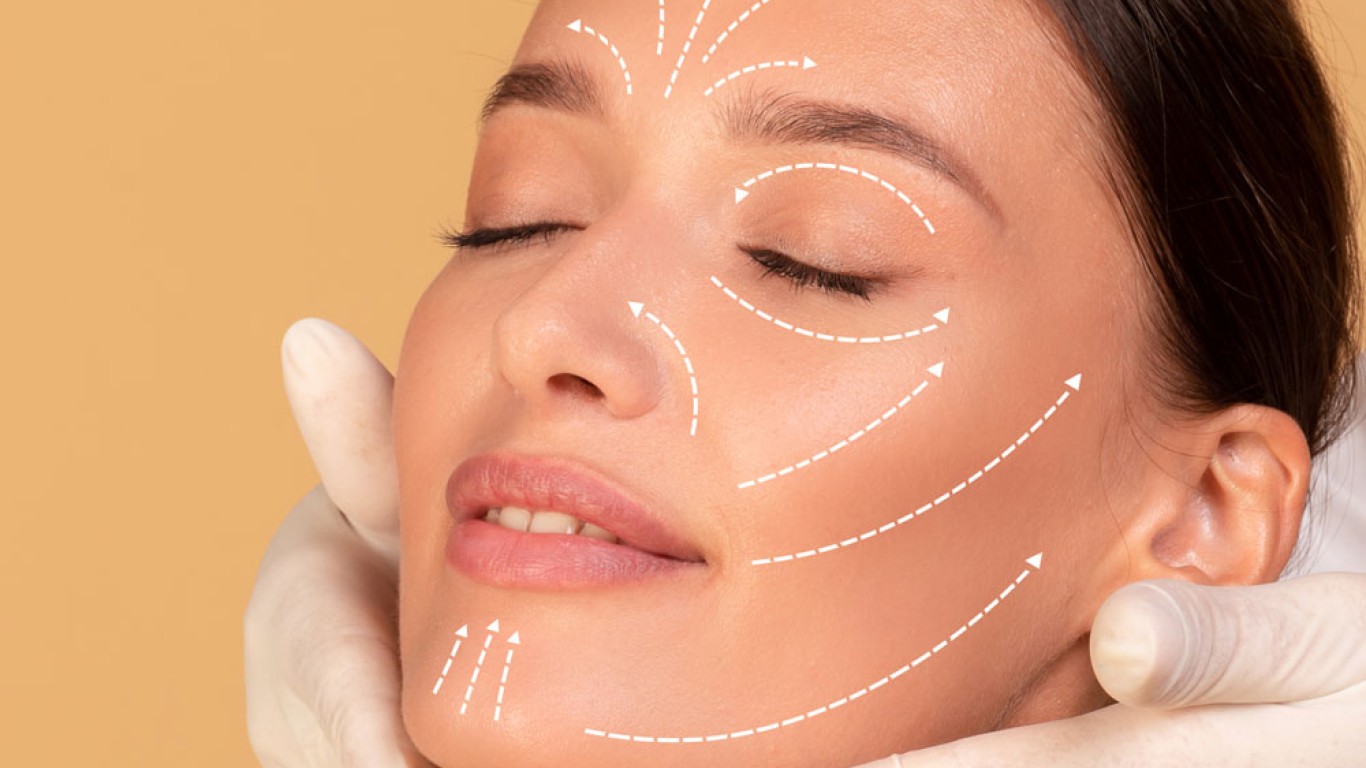
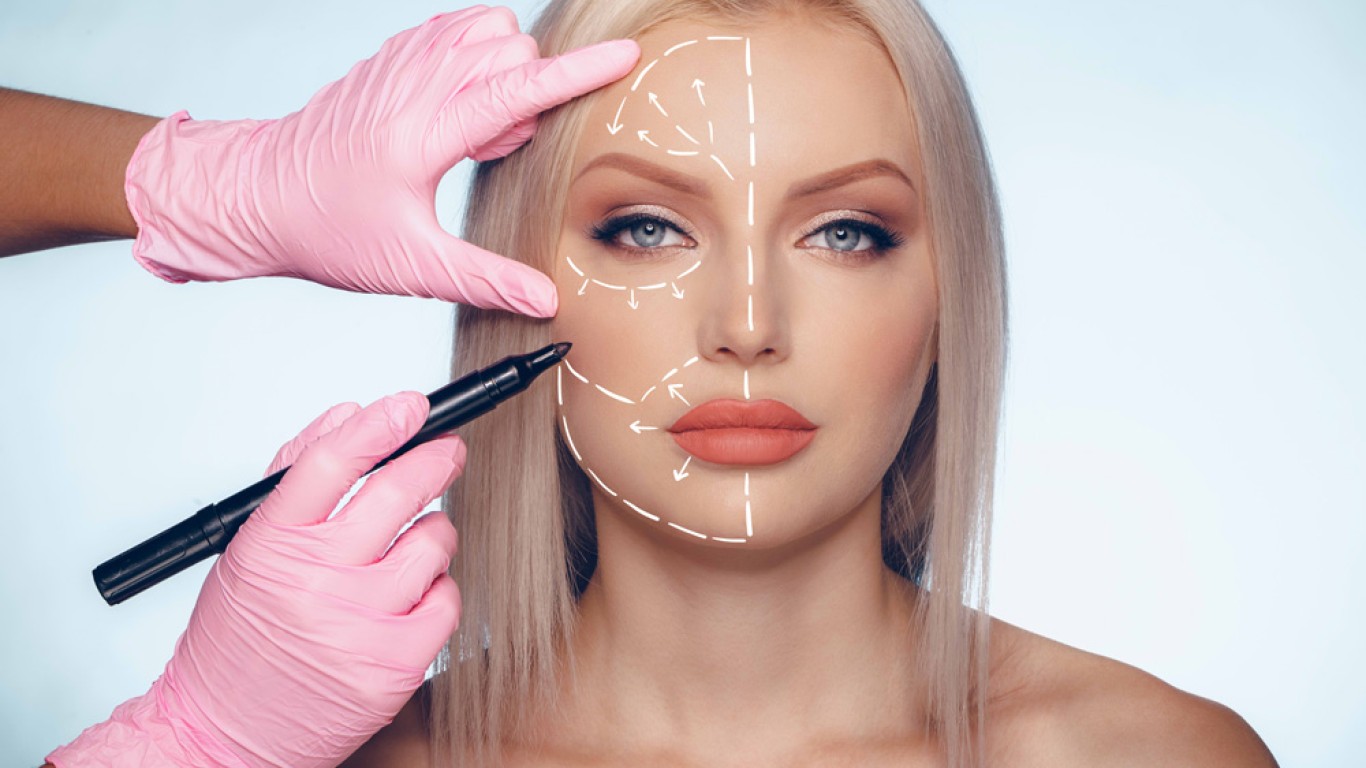
AI systems scan the face and identify symmetry patterns, as well as tracking subtle differences in shape and contour. The tools examine proportions between features and highlight areas that may benefit from refinement. Because AI examines many data points at once, it offers deeper insight than manual assessment alone. This supports balanced and natural planning.
AI Cosmetic Surgery Planning: AI in Full Facial Mapping
Full facial mapping involves analysing several views of the face. AI studies the face in motion and at rest, measuring vertical and horizontal relationships. It also maps curves and angles across the jaw, cheeks and forehead. These insights help specialists understand how features work together. As such, plans become more detailed and more accurate.
How AI Enhances Body Contouring Plans
AI supports body sculpting and shaping procedures by analysing torso proportions and soft tissue distribution. It studies silhouette shape and transition lines. AI also models how contours may change after treatment. These predictions guide specialists as they design a sculpting plan that supports harmony. Because the system offers detailed mapping, planning becomes more structured.

AI Cosmetic Surgery Planning: Digital Scanning and AI Integration
Digital scanners create precise 3D images of the face or body. AI tools then process these images to build customised plans. The system reads depth, width, height and curvature. Additionally, AI detects minor variations that may influence long-term results. Scanners work without discomfort, so the process remains smooth and straightforward.
AI Cosmetic Surgery Planning: Predictive Modelling for Clearer Planning
Predictive modelling shows estimated results before treatment begins. AI uses shape data and proportional analysis to generate these previews. Specialists then review the models and adjust design details to help set clear expectations. Additionally, it supports communication between the individual and the specialist. Predictive modelling continues to evolve each year and now offers highly natural simulations.
How AI Supports Natural Result Design
AI tools help specialists design outcomes that match natural movement. The systems evaluate expressions, eye patterns and lip motion. They also match planned changes with facial dynamics. Because natural movement matters as much as static appearance, AI planning improves the final result. This technology helps create harmony across several features.
AI and Symmetry Refinement
Symmetry plays a central role in aesthetic planning. AI examines symmetry levels across the face or body. It highlights areas where one side differs from the other. Specialists use these insights to refine treatment steps. Symmetry analysis is extremely precise and the final plan supports balanced refinement.
AI in Skin and Texture Evaluation
AI tools evaluate skin tone, texture and brightness. They also detect early signs of unevenness. This helps specialists design skincare or laser-based plans that support smoother appearance. AI skin mapping allows clearer understanding of how the surface layer interacts with deeper structures. This improves treatment coordination across several techniques.
Why Clinics Choose AI Cosmetic Surgery Planning
Clinics choose AI planning because it saves time and improves accuracy. The technology enhances measurement precision and predicts outcomes while also helping specialists adjust plans quickly. Additionally, AI supports consistency across treatments. Many clinics use AI because it improves workflow and strengthens overall planning quality.
AI for Long-Term Planning and Age Prediction
Some systems now predict how results may change over time. AI studies patterns of facial ageing and soft tissue behaviour, using data to build long-term projections. This helps specialists design plans that remain balanced for many years. The approach focuses on future harmony and long-term planning becomes more thoughtful.
How AI Supports Non-Surgical Procedure Planning
AI assists in mapping areas for injectables, contouring and laser treatments. It highlights natural curves that guide placement. It also measures depth and spacing for smoother application. For this reason, non-surgical plans become more consistent across sessions. AI continues to expand into several non-invasive procedures each year.
Why AI Cosmetic Surgery Planning Is Growing Worldwide
Global interest continues to grow because AI improves clarity, communication and precision. Clinics adopt digital tools to enhance accuracy and support predictable planning. Additionally, AI creates a collaborative experience where individuals can preview potential outcomes. Expectations remain clearer, which positively impacts satisfaction.
Suitability for AI Cosmetic Surgery Planning
Most individuals undergoing cosmetic procedures can benefit from AI planning. It supports facial, body and skin care treatments, helping specialists to confirm suitability during assessment.
Conclusion
AI cosmetic surgery planning has become a central part of modern aesthetic care. It supports precise analysis, natural mapping and clear visual previews. Digital scanning, symmetry evaluation and predictive modelling help specialists design personalised and balanced outcomes. As AI continues to grow, it will shape the future of cosmetic planning across several fields.
For more insights into AI-enhanced cosmetic surgery techniques, visit the ACIBADEM Beauty Center website.
Frequently Asked Questions
It is a digital system that designs personalised treatment plans.
Yes, AI measures symmetry and proportions with precision.
Yes, predictive models create detailed previews.
Yes, AI works across several cosmetic fields.
Yes, it helps map skincare and contouring treatments.