Ataşehir Mah. Feza Sk. No:3 İstanbul / Türkiye
 French
  English
  German
  Spanish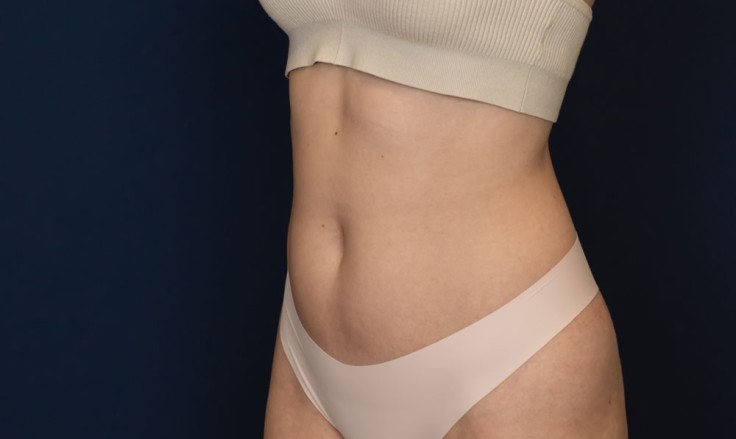
Scarring is a natural outcome of abdominoplasty and often raises long-term questions. Many patients wonder how scars will look several years after surgery. Tummy tuck scars after 5 years usually differ greatly from early healing stages. Texture, colour, and visibility often change gradually over time. These changes depend on skin type, placement, and aftercare consistency. Understanding long-term healing helps patients set realistic expectations. This article explores how scars typically evolve five years after a tummy tuck.
How Tummy Tuck Scars Heal Over Time
Scar healing occurs in stages rather than all at once. Early scars often appear firm, darker, or raised. Over months, collagen remodelling gradually softens the tissue. Blood supply reduces, which affects colour intensity. This process continues for several years. By five years, most scars have completed active remodelling. The scar usually becomes flatter and lighter. Texture often feels closer to surrounding skin. While scars do not disappear, they blend more naturally. Long-term healing reflects cumulative biological changes.
What Tummy Tuck Scars After 5 Years Typically Look Like
Tummy tuck scars after 5 years are often thin and pale. Many sit low on the abdomen and remain easily concealed. Sharp edges seen early usually soften over time. The scar line often appears smoother and less defined. However, appearance varies between individuals. Some scars remain slightly visible due to pigmentation or thickness. Others fade significantly and become difficult to notice. Genetics and skin tone influence these outcomes. Five-year scars usually reflect stability rather than ongoing change.
Scar Placement and Its Long-Term Impact
Scar placement plays a major role in long-term appearance. Most tummy tuck scars are positioned below the underwear line. This supports discretion even years later. Strategic placement helps scars blend with natural creases. Movement also affects scar behaviour. Areas exposed to tension may heal differently. Over time, daily movement influences texture and width. Surgeons consider these factors during planning. Good placement supports better long-term appearance.
Skin Type and Pigmentation Changes Over Five Years
Skin type strongly influences scar evolution. Lighter skin tones may show redness longer initially. Darker skin tones may experience pigmentation changes. These differences often stabilise over time. After five years, pigmentation usually evens out. The scar may still appear lighter or darker than surrounding skin. Texture differences often reduce gradually. Consistent skin care supports balance. Skin behaviour remains individual.
How Weight Changes Affect Tummy Tuck Scars After 5 Years and Beyond
Weight stability supports consistent scar appearance. Significant weight gain can stretch scar tissue. This may widen or distort the scar line. Weight loss may also affect skin tension. After five years, stable weight helps preserve scar refinement. Fluctuations can alter how scars sit on the abdomen. Maintaining balance supports predictable outcomes. Long-term planning includes lifestyle awareness. Scar appearance reflects overall body changes.

Clothing and Daily Movement After Five Years
Daily habits influence scars even years later. Clothing friction can affect scar texture over time. Tight garments may create repeated pressure. Looser clothing reduces irritation. Movement patterns also play a role. Bending and stretching influence abdominal skin. Over years, the scar adapts to these forces. Tummy tuck scars after 5 years usually become resilient with time. Lifestyle and comfort often improves significantly.
Tummy Tuck Scars After 5 Years Compared to Early Healing
Early scars often appear red, firm, and noticeable. This stage can cause concern for many patients. Over time, these features naturally reduce. Tummy tuck scars after 5 years look calmer and more settled. The difference is usually substantial. Early swelling and firmness resolve gradually. Scar edges soften and flatten. Colour contrast diminishes. Long-term perspective helps patients remain patient.
Can Tummy Tuck Scars After 5 Years Continue Improving?
Although major healing completes earlier, subtle improvement can continue. Skin regeneration remains active throughout life. Texture may soften slightly beyond five years. However, changes are usually minimal. Tummy tuck scars after 5 years are considered mature. Most improvement has already occurred. Additional refinement focuses on blending rather than healing. Expectations should reflect this stability. Mature scars behave predictably.
Scar Care Habits That Support Long-Term Appearance
Consistent skin hydration supports scar softness. Moisturised skin maintains flexibility. Sun protection helps prevent pigmentation changes. These habits remain helpful long term. Massage may also support texture improvement. Gentle techniques encourage flexibility. Routine care supports overall skin quality. Long-term habits influence subtle details. Scar care does not stop after early healing.
Tummy Tuck Scars After 5 Years and Revision Options
Some patients explore refinement even years later. Scar revision focuses on improving appearance rather than removal. Options depend on scar width, texture, and colour. Assessment guides suitable approaches. Non-surgical methods may address surface concerns. Surgical revision may refine structure if needed. Five-year scars respond differently than newer scars. Planning considers maturity. Personal goals guide decisions.
Psychological Adaptation to Long-Term Scarring
Over time, many patients become accustomed to their scars. Visibility often becomes less concerning. Tummy tuck scars after 5 years feel like a natural part of the body. Acceptance grows as appearance stabilises. Long-term perspective supports confidence. Understanding expected changes reduces anxiety. Education helps normalise scarring. Five-year outcomes often feel reassuring. Adaptation plays an important role.
Tummy Tuck Scars After 5 Years in Turkey
Turkey remains a popular destination for abdominoplasty procedures. Many international patients ask about long-term outcomes. Clinics in Istanbul provide guidance on scar expectations. Follow-up care supports education. Centres such as Acibadem emphasise realistic planning. Patients receive detailed information about healing timelines. Long-term appearance is discussed clearly. Structured care supports confidence. Turkey attracts patients seeking clarity and expertise.
Factors That Influence Individual Scar Outcomes
Several factors influence how scars look after five years. Genetics play a major role. Skin elasticity and collagen behaviour vary. Surgical technique also affects results. Aftercare consistency supports better outcomes. Lifestyle habits contribute gradually, but no two scars heal identically. Individual variation of tummy tuck scars after 5 years is normal. Understanding this supports realistic expectations.
How Scar Width Evolves Over Five Years
Scar width often changes gradually during long-term healing. In the first year, scars may appear slightly stretched or uneven. Over time, collagen fibres reorganise and tension reduces. This process can lead to a narrower, more refined scar line. By five years, width is usually stable. However, individual factors influence this evolution. Areas exposed to repeated movement may widen slightly. Skin elasticity also affects how scars settle. Consistent weight and posture support better outcomes. Understanding width changes helps set realistic long-term expectations for tummy tuck scars after 5 years.
The Role of Sun Exposure in Long-Term Scar Appearance
Sun exposure can influence scar appearance long after surgery. Ultraviolet light may darken scar tissue more than surrounding skin. This contrast can persist if protection is inconsistent. Over five years, cumulative exposure plays a role. Protective habits support better blending. Covered placement helps naturally limit exposure. Even years later, mindful sun habits can preserve scar tone. Long-term awareness supports subtle improvement. Scar care remains relevant beyond early healing.
How Ageing Skin Affects Mature Tummy Tuck Scars
Skin continues to age alongside scar tissue. As elasticity reduces, surrounding skin may change texture. This can alter how scars appear by comparison. A scar may seem more noticeable if nearby skin thins. However, mature scars often age consistently with surrounding tissue. This creates visual harmony over time. Hydration and skin care support this balance. Ageing does not reverse scar healing. Instead, it influences overall skin context.
Differences Between Mini and Full Tummy Tuck Scars at Five Years
Mini tummy tuck scars are typically shorter than full abdominoplasty scars. Over five years, this difference often becomes more noticeable. Shorter scars may blend more easily with natural creases. Full scars may remain longer but still soften significantly. Placement strategy affects both types. Low positioning aids concealment regardless of length. Five-year outcomes often reflect initial planning quality. Understanding these differences helps patients contextualise results. Scar length alone does not define success.
How Body Composition Influences Scar Appearance Long Term
Changes in muscle tone and fat distribution affect abdominal skin. Increased core strength may improve how skin sits over scars. Conversely, reduced tone can alter tension. Over five years, these factors subtly influence appearance. Body composition stability supports consistent scar behaviour. Exercise habits influence skin support indirectly. Scar tissue adapts to underlying changes gradually. Lifestyle therefore plays a supporting role. Long-term outcomes reflect overall body health.
Conclusion
Tummy tuck scars after 5 years are usually flatter, lighter, and more settled. Most scars blend naturally with surrounding skin. Placement, skin type, and lifestyle influence appearance. Long-term healing reflects stability rather than change. Understanding scar evolution helps patients feel reassured. Education supports confidence in outcomes.
For more information and to book a consultation visit the ACIBADEM Beauty Center Tummy Tuck webpage.
Frequently Asked Questions
They usually fade significantly but do not disappear entirely.
Major healing is complete, with only subtle changes possible.
Yes, mature scars can still be refined if desired.
Yes, weight fluctuations can alter scar appearance.
Turkey offers experienced surgeons and structured long-term care pathways.