Ataşehir Mah. Feza Sk. No:3 İstanbul / Türkiye
 English
  German
  Spanish
Introduction
The vampire facial is one of the most recognisable skin rejuvenation treatments in aesthetic medicine. The name comes from the use of the patient's own blood during the procedure. A vampire facial combines microneedling with platelet-rich plasma. The blood is drawn, processed and applied to the skin during or after microneedling. The growth factors in PRP enhance the skin's healing response. Understanding what the facial actually does helps patients evaluate whether it suits their skin concerns. This article explains the treatment, its mechanism and what results patients can expect.
What Is a Vampire Facial?
The facial is the popular name for PRP microneedling. The treatment has two components. First, microneedling creates controlled micro-injuries across the skin surface. Fine needles penetrate the epidermis and upper dermis. This triggers the body's wound healing response. Collagen production increases. The skin regenerates. Second, the facial applies PRP to the treated skin. A blood sample is drawn from the patient before treatment. The blood is processed in a centrifuge. The platelet-rich layer is separated and collected. Facial applies this concentrated plasma to the freshly needled skin. The micro-channels created by microneedling allow the PRP to penetrate deeper than surface application alone. The growth factors reach the dermis where they amplify the healing response. A vampire facial combines two effective treatments into one enhanced session.
How a Vampire Facial Works
The mechanisms complement each other. The microneedling component of a facial creates thousands of micro-channels per square centimetre. Each channel triggers a localised healing response. Growth factors and cytokines are released. Fibroblasts are activated. New collagen and elastin are produced. The skin texture improves. Fine lines soften. Pores reduce. The facial adds PRP to this process. The concentrated platelets contain growth factors including PDGF, VEGF and TGF-beta. These biological signals amplify the healing response that microneedling initiates. The facial produces stronger collagen stimulation than microneedling alone. The PRP accelerates the repair process. New blood vessel formation improves. Skin quality improvement is more pronounced. A vampire facial essentially supercharges the microneedling treatment with the patient's own biological growth factors.
What Does a Vampire Facial Treat?
The treatment addresses multiple skin concerns simultaneously. Facial improves overall skin texture and tone. The collagen response creates smoother, firmer skin. Fine lines and wrinkles soften as new collagen develops. A vampire facial reduces pore size through skin tightening and collagen remodelling. Acne scarring improves. The micro-injuries break fibrous scar tissue. New collagen fills depressed areas. The facial is effective for mild to moderate acne scarring. Hyperpigmentation and uneven skin tone improve through accelerated cell turnover. The facial produces a brighter, more even complexion. Dull, tired-looking skin responds well. The growth factors promote a healthy, luminous quality. Facial suits patients wanting comprehensive skin quality improvement rather than a single-concern fix. The treatment improves multiple parameters simultaneously. This multi-target effectiveness is one of its most appealing characteristics.
Vampire Facial Procedure
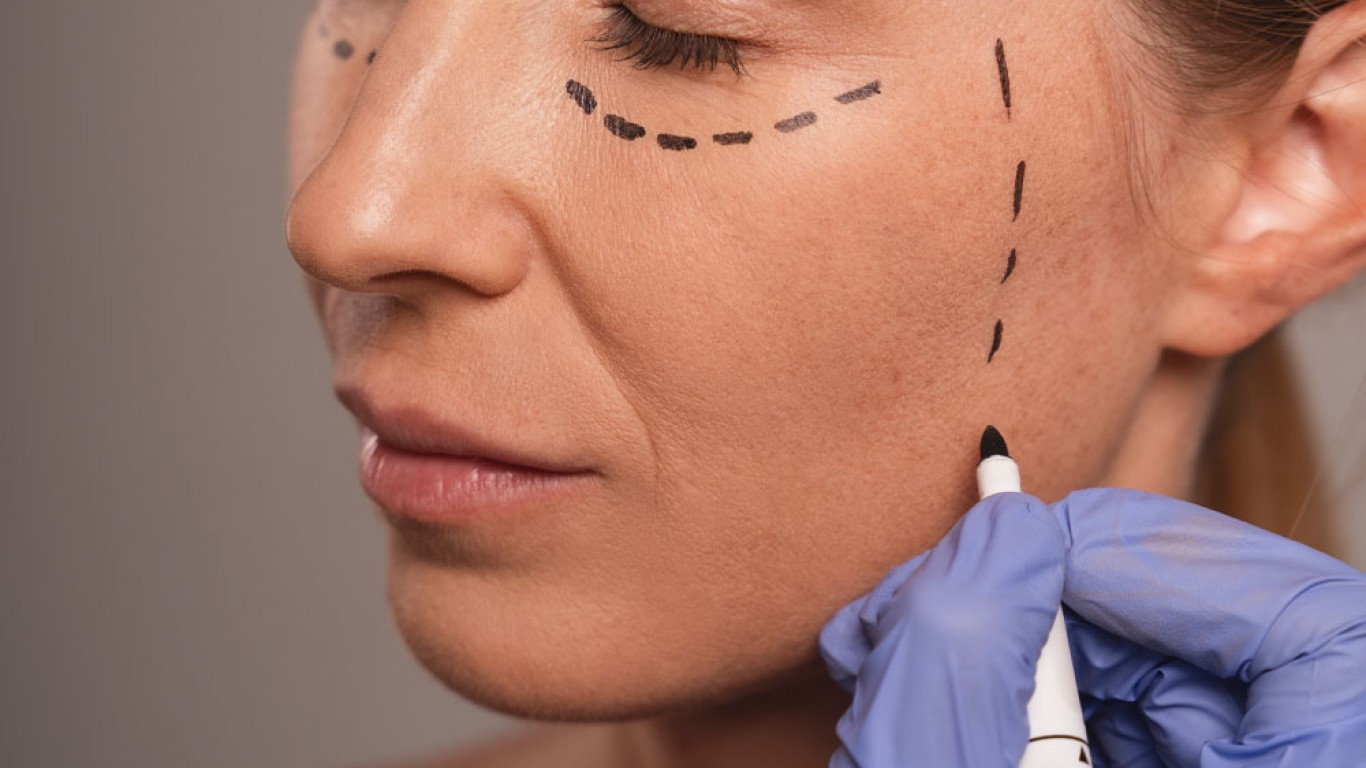
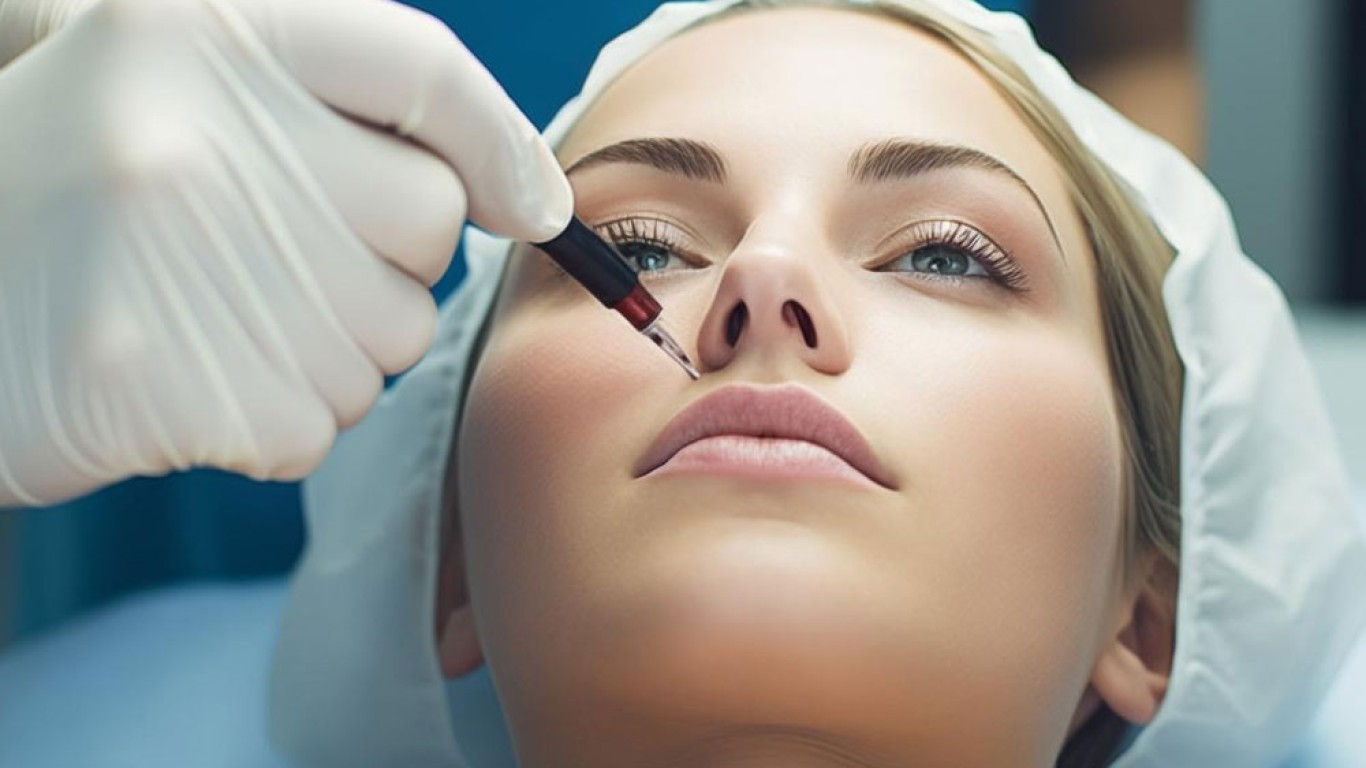
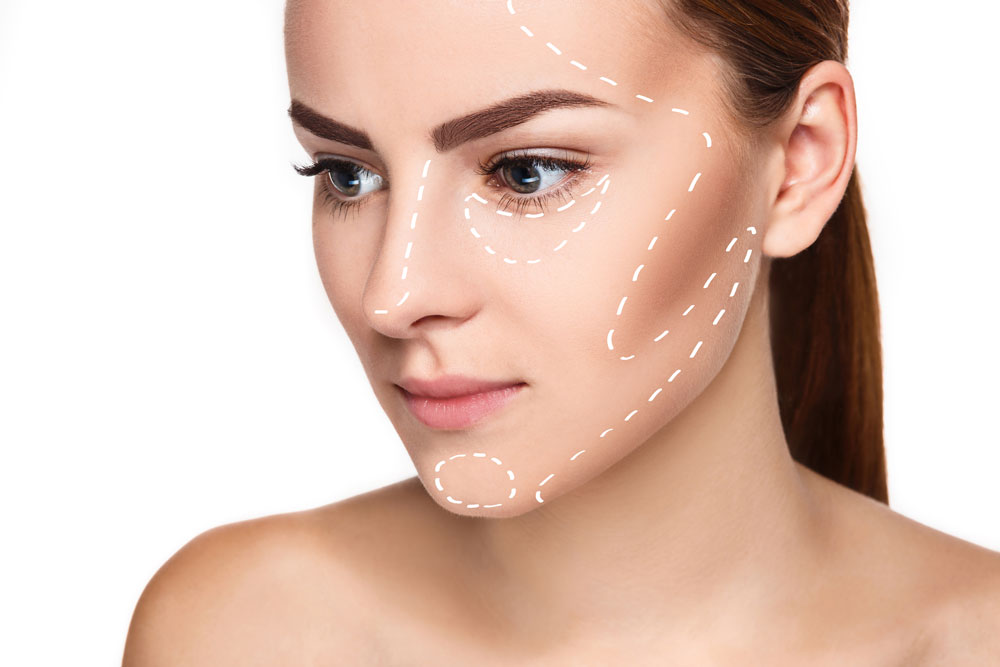
The treatment takes approximately sixty to ninety minutes. The facial begins with a blood draw. A small sample is taken from the arm. This is processed in a centrifuge for approximately ten minutes. The platelet-rich layer is separated. While the blood processes, the face is cleansed. Topical numbing cream is applied for twenty to thirty minutes. The facial microneedling phase follows. A professional microneedling device is passed across the treatment area. The needle depth is adjusted for different facial zones. Delicate areas receive shallower treatment. Thicker skin receives deeper penetration. A vampire facial PRP application occurs during or immediately after needling. The plasma is spread across the freshly treated skin. The micro-channels absorb the PRP. Some practitioners also inject PRP at specific points using a fine needle.
Vampire Facial Recovery and Downtime
Recovery is straightforward. The facial produces redness for one to three days. The intensity resembles sunburn. Some patients experience mild swelling. Pinpoint bleeding during the procedure is normal and resolves within hours. The facial recovery requires gentle skincare. Avoid active ingredients for three to five days. No retinol, vitamin C or exfoliating acids. Use a gentle cleanser and hydrating moisturiser. SPF is essential from the day after treatment. A vampire facial makes the skin more sensitive to UV temporarily. Sun protection prevents post-inflammatory pigmentation. Avoid makeup for twelve to twenty-four hours after the treatment. The micro-channels need time to close. Applying makeup too soon can introduce bacteria. The facial allows return to normal activities immediately. Redness is the only visible effect. Most patients feel comfortable in social settings by day two. By day three, the skin appears normal or even improved with a fresh, glowing quality.
Vampire Facial Results and Timeline
Results develop progressively. The facial produces an immediate glow once initial redness resolves. The skin appears fresher and more luminous within the first week. This immediate improvement comes from the enhanced cell turnover triggered by microneedling. A vampire facial deeper results develop over the following weeks to months. Collagen remodelling takes two to three months. The texture improvement, line softening and scar reduction develop gradually during this period. The facial results peak at approximately three months after treatment. Most patients require three to four sessions for optimal results. Sessions are spaced four to six weeks apart. The facial builds on the collagen response from the previous treatment. The cumulative effect across a full course produces significantly more improvement than a single session.
Who Suits a Vampire Facial?
The treatment suits a broad range of patients. The facial benefits patients with dull, tired skin wanting rejuvenation. Those with early signs of ageing including fine lines and texture changes respond well. Patients with mild to moderate acne scarring achieve meaningful improvement. The facial suits patients wanting natural, progressive enhancement rather than dramatic single-session change. The treatment uses the patient's own blood. No synthetic materials are introduced. Allergy risk is essentially eliminated. The facial suits most skin types and tones. Microneedling does not target melanin. The pigmentation risk is lower than with many laser alternatives. A vampire facial is safe for darker skin tones when performed with appropriate needle depth. Patients with active acne, skin infections or blood disorders should not have the treatment until these conditions are resolved. Pregnant and breastfeeding women should postpone treatment. Consultation confirms individual suitability.
Conclusion
The facial combines microneedling with PRP for enhanced skin rejuvenation. The treatment addresses texture, tone, fine lines, pore size and mild scarring simultaneously. Growth factors from the patient's own blood amplify the collagen response. Results develop over two to three months. Three to four sessions produce optimal improvement. The facial is safe for all skin types. Recovery takes one to three days of redness. The treatment suits patients wanting natural, progressive skin quality enhancement. Professional consultation ensures suitability. Turkey offers the vampire facial at competitive pricing with experienced practitioners.
For more information about microneedling and to book a consultation visit the ACIBADEM Beauty Center Skin Treatments page.
Frequently Asked Questions
PRP microneedling. The patient's blood is processed and applied to microneedled skin for enhanced rejuvenation.
Topical numbing cream is applied. Most patients describe mild discomfort rather than pain.
Three to four sessions spaced four to six weeks apart for optimal results.
Yes. Microneedling does not target melanin. Pigmentation risk is lower than with laser alternatives.
Six to twelve months. Annual maintenance sessions sustain the improvement.