Ataşehir Mah. Feza Sk. No:3 İstanbul / Türkiye
 French
  English
  German
  Spanish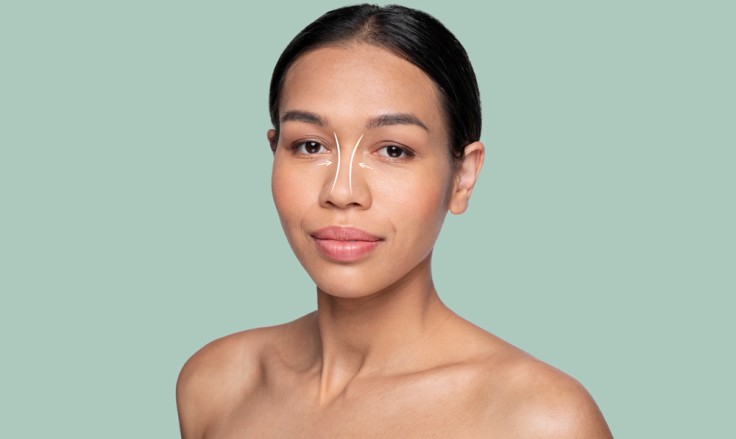
Introduction
Ethnic rhinoplasty offers nose refinement while preserving cultural and ethnic identity. It differs from traditional rhinoplasty by considering skin type, nasal structure, and heritage. This procedure is highly personalised, offering balance without erasing character. Many patients seek a natural result that respects their background. Whether for function, aesthetics, or both, ethnic rhinoplasty is a trusted solution.
What Makes Ethnic Rhinoplasty Different?
Ethnic rhinoplasty addresses the unique nasal traits of various ethnicities. It avoids creating a “one-size-fits-all” appearance. Surgeons focus on enhancing beauty while respecting facial harmony. For example, African, Asian, Middle Eastern, and Latin features all have distinct structures. These differences affect cartilage, skin thickness, and tip support. A skilled surgeon adapts their approach to match each patient’s heritage. This ensures results that look refined, yet remain authentic.
Why Patients Choose Ethnic Rhinoplasty
Patients choose ethnic rhinoplasty for several reasons. Some want better facial symmetry or a more defined bridge. Others seek to correct a droopy tip or wide nostrils. Occasionally, breathing problems also play a role. However, patients often worry about losing their cultural identity. Ethnic rhinoplasty respects these concerns. It reshapes the nose while retaining its ethnic character. The result is a nose that suits both the face and the heritage.
Pre-Surgery Consultation: What Happens First
Your consultation is the first step. During this meeting, your surgeon will assess your nose and facial structure. Photos and digital simulations may be used to visualise possible outcomes. This helps align your goals with realistic expectations. The surgeon will also ask about your medical history and any breathing difficulties. Importantly, they’ll explain how your ethnicity influences surgical planning. You’ll leave with a clear understanding of what’s achievable.
Surgical Techniques in Ethnic Rhinoplasty
Ethnic rhinoplasty may involve several techniques. These include cartilage grafting, nostril reshaping, or bridge augmentation. Open rhinoplasty is often preferred for its better visibility. Cartilage from the septum, ear, or rib may be used for support. Thick skin can limit definition, so tip refinement techniques are carefully chosen. The surgeon may also narrow the nostrils or raise the bridge, depending on your goals. Every move aims to improve harmony without overcorrection.
Ethnic Rhinoplasty: What to Expect on Surgery Day
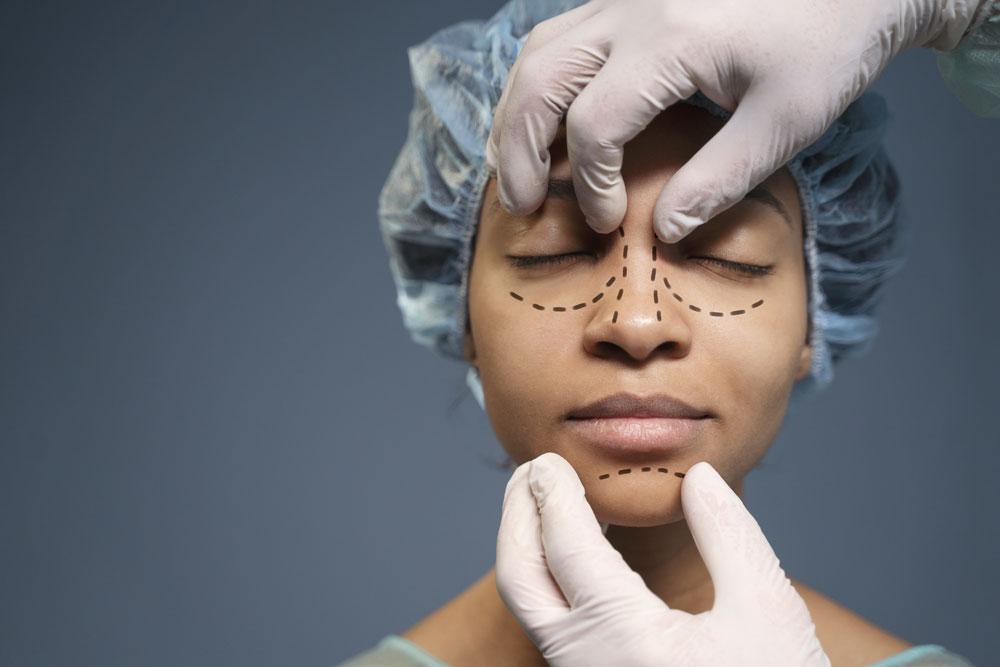
The procedure typically lasts two to four hours. You’ll be under general anaesthesia. Most patients return home the same day. Surgeons work slowly and precisely, preserving as much tissue as possible. Incisions may be internal (closed) or external (open), depending on complexity. After surgery, the nose is taped and a splint is applied. The focus is on both function and form, making sure the airway remains open while reshaping the structure.
Recovery Timeline After Ethnic Rhinoplasty
Initial recovery takes around 7 to 10 days. Swelling and bruising are most noticeable during the first week. Stitches and splints are usually removed after seven days. You can return to light activities soon after. However, strenuous activity should be avoided for several weeks. Most swelling fades within two months. Still, final results can take up to a year to fully appear. This is particularly true in patients with thicker skin. Your surgeon will guide each step.
Potential Changes After Ethnic Rhinoplasty Surgery
Ethnic rhinoplasty can lead to many positive changes. The nose may appear narrower, straighter, or more proportionate. The tip may be lifted, refined, or given better support. Bridge may be reshaped for more balance. Some patients also notice improvements in breathing. However, the best outcomes look subtle and natural. Friends and family may notice something’s different, but won’t always know exactly what. That’s the hallmark of a well-executed procedure.
Maintaining Ethnic Identity in Results
A key goal of ethnic rhinoplasty is maintaining identity. Surgeons aim for enhancement, not transformation. For example, a patient of African descent may want better bridge definition without losing nostril shape. An Asian patient may seek subtle changes without sharp Western features. The process respects bone structure, cartilage, and facial balance. Success is not just about smaller noses - it’s about better proportion with preserved authenticity.
Choosing the Right Surgeon for Ethnic Rhinoplasty
Not all surgeons specialise in ethnic rhinoplasty. It’s vital to choose someone with proven experience in this area. Look at before-and-after images, focusing on patients with similar features to yours. Ask how they tailor procedures for thick skin or wide nostrils. A skilled surgeon listens, explains the approach, and prioritises your vision. They understand that success lies in nuance, not dramatic change. Trust and communication are essential.
Cost Considerations and What’s Included
Costs vary based on the surgeon’s experience, clinic location, and procedure complexity. In Turkey, for example, ethnic rhinoplasty is more affordable than in the UK or USA. Packages often include hospital fees, anaesthesia, consultations, and aftercare. Be sure to ask what’s covered before booking. While affordability matters, never sacrifice safety or expertise for price. A good result saves time, money, and potential revision in the future.
Combining Ethnic Rhinoplasty With Other Procedures
Some patients combine rhinoplasty with chin augmentation or eyelid surgery. These can create overall facial harmony. If you’re undergoing anaesthesia, combining treatments may reduce recovery time. However, combining procedures requires careful planning. Your surgeon will determine what’s safe and beneficial. The goal is to enhance your features, not to change who you are.
Conclusion
Ethnic rhinoplasty offers a balanced, respectful approach to nasal refinement. It celebrates your background while enhancing your natural features. Whether you seek subtle reshaping or improved breathing, this procedure delivers thoughtful, lasting results. With the right surgeon, you’ll feel more confident - without losing what makes you unique.
For more information and to book a consultation visit the ACIBADEM Beauty Center Rhinoplasty page.
Frequently Asked Questions
It tailors techniques to suit diverse nasal structures and preserves ethnic features in the process.
No. The goal is to refine—not erase—your natural features and maintain your ethnic character.
Not necessarily. The cost depends on the surgeon’s experience and your individual treatment plan.
Initial healing takes about one week. Full results may take up to a year to appear.
Yes. Many patients choose to combine it with facial contouring for balanced, harmonious results.