Ataşehir Mah. Feza Sk. No:3 İstanbul / Türkiye
 English

Introduction
Returning to work after plastic surgery is an important part of planning any procedure. Most patients need to arrange time off before surgery takes place. The right amount of time depends on the procedure and the type of work. A desk-based role usually allows a faster return than a physical job. Returning too early can increase swelling, pain and the risk of complications. Returning too late may cause unnecessary financial or professional pressure. This article explains typical timelines for common procedures. It also covers key factors, workplace considerations and practical tips for a smooth return.
Returning to Work After Plastic Surgery: Key Factors
Several factors influence when patients can safely return to work. The type and extent of surgery is the most important factor. Combined procedures generally require a longer recovery than single operations. The physical demands of the job also matter greatly. Lifting, bending and standing for long periods slow the return to work. Each patient's healing response and general health play a role too. Pain levels and the need for strong medication should be considered. Visible bruising may also affect patients in public-facing roles.
Returning to Work After Plastic Surgery: Timelines by Procedure
Recovery times vary widely between procedures. The following table shows approximate timelines for common operations.
| Procedure | Desk-Based Work | Physical Work |
| Liposuction | Three to seven days | Two to four weeks |
| Eyelid surgery | Seven to ten days | Two to three weeks |
| Breast augmentation | About one week | Four to six weeks |
| Rhinoplasty | One to two weeks | Three to four weeks |
| Facelift | Around two weeks | Four to six weeks |
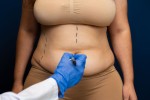
| Tummy tuck | Two to three weeks | Six weeks or more |
| Brazilian butt lift | Two to three weeks | Six to eight weeks |
| Mommy makeover | Two to four weeks | Six to eight weeks |
These timelines are general guidance. Individual recovery may be faster or slower.
Returning to Work After Plastic Surgery in a Desk-Based Job
Desk-based roles usually allow the earliest return to work. However, sitting for long periods can still be challenging after some procedures. Patients should take regular breaks to walk and stretch. This supports circulation and reduces the risk of blood clots. After a BBL, sitting directly on the buttocks is restricted for several weeks. A standing desk or special cushion may help in this situation. After a tummy tuck, patients may need extra support when sitting and standing. A phased return with shorter days can make the transition easier.

Returning to Work After Plastic Surgery in a Physical Job
Physical jobs require a longer recovery period. Lifting, carrying and bending place strain on healing tissues. Heavy lifting is usually restricted for around six weeks after major surgery. Jobs that involve standing all day may cause swelling and fatigue. Patients in healthcare, hospitality, construction or retail often need more time off. Light duties may be possible before a full return. Patients should discuss adjusted duties with their employer in advance. Returning to full physical work should always follow surgeon approval.
Facial Procedures and Public-Facing Roles
Facial procedures often cause visible bruising and swelling. Bruising usually fades within two weeks, although some swelling lasts longer. Patients in public-facing roles may prefer extra time off. After rhinoplasty, a nasal splint is usually worn for one week. After eyelid surgery, small stitches and bruising may be noticeable at first. Makeup can usually be used once incisions have healed. Glasses or a fringe may help disguise minor swelling. Some patients choose to return remotely before meeting clients in person.
Breast and Body Procedures
Breast and body procedures often affect movement and comfort. After breast surgery, reaching and lifting the arms may be uncomfortable. Patients should avoid lifting heavy files, boxes or equipment. After a tummy tuck, patients may walk slightly bent forward for a week or two. Compression garments are worn under clothing for several weeks. Loose, comfortable workwear makes this easier. Drains, if used, are usually removed before returning to work. Fatigue is common, so patients should pace themselves carefully.
Returning to Work After Plastic Surgery: Working From Home During Recovery
Working from home can allow an earlier, more comfortable return. Patients can rest between tasks and adjust their position freely. There is no need to commute or dress formally. Video calls can be managed with the camera off during early recovery. However, patients should still set realistic hours and take regular breaks. Overworking can slow healing, even from home. A comfortable chair, cushions and good lighting support a better working setup.
Returning to Work After Plastic Surgery Abroad
International patients need to plan their time off carefully. Recovery time abroad must be added to recovery time at home. Many procedures require a stay of one to two weeks near the hospital. Patients should allow time to rest after flying home. Long flights can cause fatigue and swelling. Patients should not plan to return to work immediately after landing. A few extra days at home allows the body to adjust. Remote follow-up with the surgical team can continue after returning to work.
Talking to Your Employer
Patients are not usually required to share details of their surgery. However, telling the employer about planned time off helps with planning. Patients may need a medical certificate for extended absence. Discussing a phased return or temporary adjustments can be helpful. Light duties, flexible hours or remote work can ease the transition. Planning these arrangements before surgery reduces stress during recovery.
Returning to Work After Plastic Surgery: Signs You May Need More Time Off
Some signs suggest a patient is not yet ready to return. Persistent pain that requires strong medication is one sign. Significant fatigue or difficulty concentrating may also indicate more rest is needed. Increasing swelling after activity suggests the body needs more time. Wound problems, such as redness or discharge, require medical review. Patients should contact their surgeon if they have concerns. Returning slightly later is better than risking a setback.
Tips for Returning to Work After Plastic Surgery
A few simple steps can make the return to work smoother. Patients should plan time off well before the date of surgery. Building in extra days allows for unexpected delays. Comfortable clothing helps accommodate compression garments and swelling. Patients should keep water and healthy snacks at their desk. Regular short walks support circulation during the working day. Patients should avoid lifting and stretching beyond their comfort level. Most importantly, they should follow their surgeon's advice at every stage.
Planning Before Surgery
Good planning begins at the consultation stage. Patients should ask the surgeon how long their recovery is likely to take. They should consider their job's physical demands when booking surgery. Some patients schedule surgery before holidays to reduce time off work. Arranging cover for important responsibilities reduces pressure during recovery. Clear planning helps patients rest properly without worrying about work.
Conclusion
Returning to work after plastic surgery depends on the procedure and the type of job. Desk-based workers often return within one to three weeks. Physical roles usually require four to eight weeks before a full return. Working from home and phased returns can ease the transition. Following surgeon advice helps patients return safely and protect their results.
To learn more about returning to work after plastic surgery, visit the ACIBADEM Beauty Center Aesthetics webpage.
Frequently Asked Questions
Most desk-based workers need one to three weeks, depending on the procedure.
Desk-based workers often return after two to three weeks.
Many patients can work from home sooner, provided they rest and take regular breaks.
Physical roles often require four to eight weeks, depending on the procedure.
You do not need to share details, but planning time off with your employer helps.