Ataşehir Mah. Feza Sk. No:3 İstanbul / Türkiye
 English

Introduction
Facelift results longevity is one of the most important questions for patients considering surgery. A facelift is a significant investment of time, money and recovery. Patients naturally want to know how long they will enjoy the results. A facelift can turn back the clock by several years. However, it cannot stop the natural ageing process. The face continues to age after surgery, just from an improved starting point. This article explains how long results typically last and why. It also covers different techniques, influencing factors and ways to maintain results.
What Does a Facelift Do?
A facelift, also called rhytidectomy, addresses sagging in the lower face and neck. The surgeon lifts and repositions the deeper supporting tissues of the face. Excess skin is then removed and the remaining skin is redraped. This improves jowls, deep folds and loose skin along the jawline. Many patients also have a neck lift at the same time. A facelift does not change the underlying facial features. It restores a more youthful contour while keeping a natural appearance. Incisions are usually hidden around the ears and in the hairline.
Facelift Results Longevity: What to Expect
Most patients enjoy visible results from a full facelift for around ten years or more. Many continue to look younger than they otherwise would for much longer. The face does not suddenly return to its previous appearance. Instead, natural ageing continues gradually from the improved position. Some skin laxity may slowly return over the years. However, the deeper tissue repositioning often provides lasting structural support. Results from more limited procedures may not last as long. A surgeon can give a personalised estimate based on each patient's anatomy.
Facelift Results Longevity by Technique
Different techniques produce results that last for different lengths of time. The following table summarises general estimates.
| Technique | Main Features | Typical Longevity |
| Mini facelift | Limited lift for early jowls and mild laxity | Around five to eight years |
| SMAS facelift | Tightens the deeper muscle layer and skin | Around eight to twelve years |
| Deep plane facelift | Releases and lifts deeper tissues as one unit | Often ten to fifteen years |
| Facelift with neck lift | Treats the lower face and neck together | Often ten years or more |
These figures are general estimates. Individual results vary depending on age, skin quality and lifestyle.
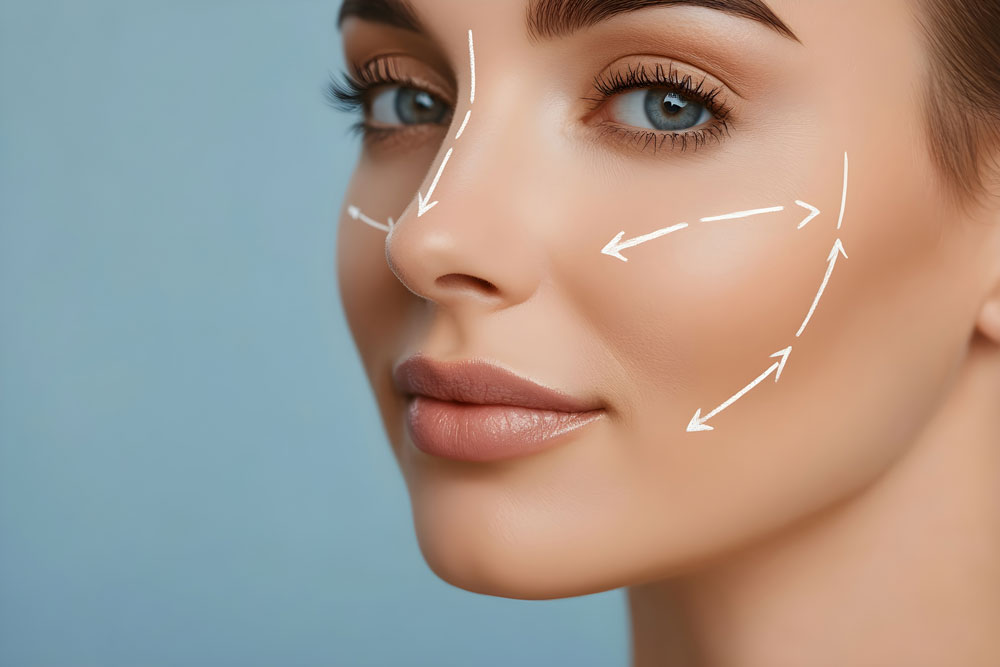
Facelift results longevity: Why Deeper Techniques Often Last Longer
Skin-only facelifts were common in the past but rarely used today. Pulling only the skin creates tension that stretches over time. Results may fade sooner and can look unnatural. Modern techniques lift the deeper layers that support the face. These layers carry most of the lifting force rather than the skin. This reduces tension on the incisions and creates a more natural appearance. Lifting deeper tissues also addresses the true cause of sagging. As a result, deeper techniques often provide longer-lasting improvement.
Factors That Affect Facelift Results Longevity
Several individual factors influence how long results last. Age at the time of surgery plays a role. Younger patients often have better skin elasticity, which supports lasting results. Skin quality is another important factor. Thin, sun-damaged skin may lose firmness more quickly. Genetics influence how quickly each person's face ages. Bone structure also affects how well the face supports lifted tissues. The surgeon's technique and experience significantly influence durability. Finally, lifestyle choices after surgery have a major effect.
How Lifestyle Affects Facelift Results Longevity
Daily habits can extend or shorten facelift results. Sun exposure is one of the biggest causes of skin ageing. Daily broad-spectrum sunscreen helps protect collagen and elasticity. Smoking reduces blood flow and accelerates skin ageing. Patients who stop smoking permanently protect their results. Significant weight changes can stretch or deflate the facial tissues. Maintaining a stable weight helps preserve facial contours. A balanced diet, good hydration and regular sleep support healthy skin. Limiting alcohol also helps maintain skin quality over time.
Skincare After a Facelift
A consistent skincare routine helps maintain skin quality after surgery. Gentle cleansing and moisturising support a healthy skin barrier. Retinoids can encourage collagen production and improve texture. Vitamin C serums help brighten the skin and protect against environmental damage. Daily sunscreen remains the most important step. Professional treatments, such as chemical peels, can refresh the skin surface. Patients should introduce active products gradually after healing is complete. A dermatologist can recommend a routine suited to each patient's skin.
Treatments That Extend Facelift Results Longevity
Non-surgical treatments can complement and prolong facelift results. Botox can soften expression lines that a facelift does not treat. Dermal fillers can restore volume lost naturally with age. Skin boosters improve hydration and skin quality. Laser and radiofrequency treatments can tighten skin and improve texture. These treatments are usually started several months after surgery. They help maintain a refreshed appearance between surgical procedures. A practitioner can plan a long-term maintenance programme.
Facelift Results Longevity Compared With Non-Surgical Options
Non-surgical treatments can improve the face but have shorter-lasting effects. Thread lifts typically last one to two years. Dermal fillers usually last six to eighteen months, depending on the area. Botox results usually last three to four months. Energy-based skin tightening may last one to two years. These options suit patients with mild ageing or those not ready for surgery. However, they cannot match the lifting effect of a facelift. For moderate to significant sagging, a facelift offers the longest-lasting improvement.
Facelift results longevity: Can You Have a Second Facelift?
Some patients choose a second facelift many years after the first. This is sometimes called a secondary or revision facelift. It can refresh results as natural ageing continues. A second facelift is often less extensive than the first. However, scar tissue may make surgery more complex. Patients should choose a surgeon experienced in secondary procedures. Many patients find that one well-performed facelift meets their needs for many years.
Facelift results longevity: Signs Your Results Are Fading
Facelift results fade gradually rather than suddenly. Patients may notice the jawline becoming slightly softer over time. Early jowls can begin to reappear. The neck may show some returning laxity. Folds around the mouth may deepen slightly. These changes reflect natural ageing rather than surgical failure. Non-surgical treatments can often address early changes effectively.
Choosing a Surgeon for Long-Lasting Results
The surgeon's skill has a major influence on how long results last. Patients should choose a qualified plastic surgeon with extensive facelift experience. Before-and-after photographs, ideally including long-term results, are valuable. The surgeon should explain which technique they recommend and why. A natural, balanced result tends to age more gracefully. Treatment should take place in an accredited hospital with full support facilities.
Conclusion
Facelift results longevity is typically around ten years or more for a full facelift. Deep plane techniques often last longer, while mini facelifts may fade sooner. Age, skin quality, genetics and lifestyle all influence results. Sun protection, a stable weight and good skincare help preserve improvements. Non-surgical treatments can extend results and maintain a refreshed appearance.
To learn more about facelift results longevity and to book a consultation, visit the ACIBADEM Beauty Center Face Lift webpage.
Frequently Asked Questions
A full facelift typically provides visible results for around ten years or more.
Deep plane techniques often last longer because they lift the deeper facial tissues.
Mini facelift results usually last around five to eight years.
Sun protection, not smoking, a stable weight and good skincare all help.
Yes. Natural ageing continues, but from a more youthful starting point.