Ataşehir Mah. Feza Sk. No:3 İstanbul / Türkiye
 French
  English
  German
  Spanish
Introduction
Choosing a dental crown is rarely only about strength or durability - many people care deeply about how their smile looks and feels. Because teeth sit at the centre of facial expression, even small differences become noticeable. A zirconia crown is widely chosen because it combines durability with refined aesthetics. However, the final appearance depends on several design factors working together. Understanding these details helps patients feel informed and involved. Overall, good design decisions support confidence and satisfaction.
What Is a Zirconia Crown and Why Appearance Matters
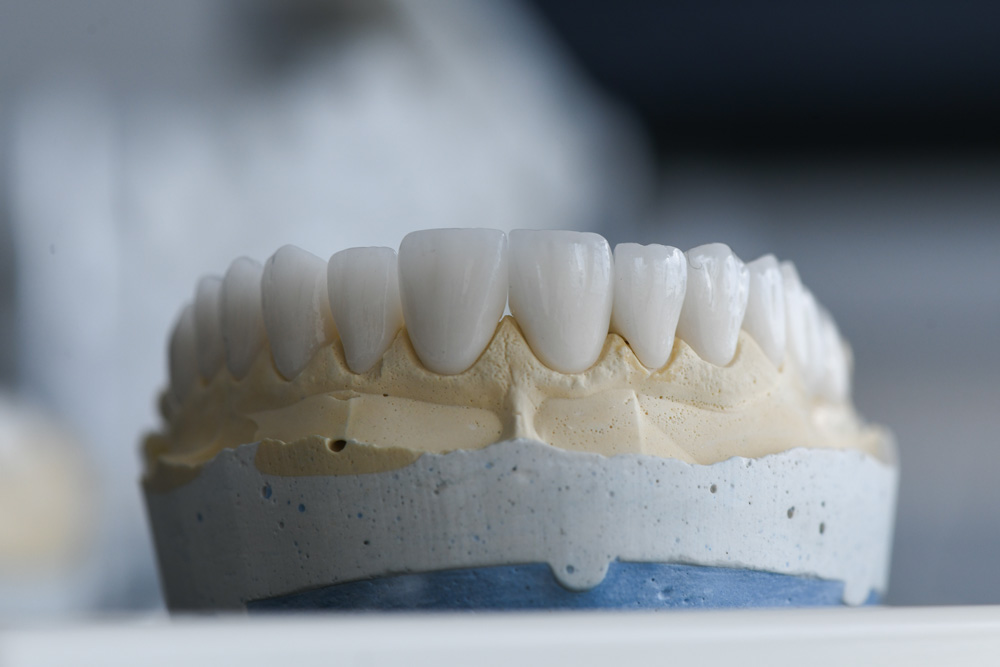
A zirconia crown is a dental restoration made from zirconium dioxide ceramic. It’s valued for strength, longevity and visual appeal, and because it resists staining better than many alternatives. Because crowns often replace visible teeth, appearance matters greatly. Shape, colour and surface detail all influence how natural it looks. Unlike metal-based options, zirconia allows light reflection similar to enamel. Consequently, it suits front and side teeth well.
How Tooth Shape Influences Zirconia Crown Design
Tooth shape strongly affects zirconia crown design. Every tooth has unique proportions and contours; length, width and edge shape influence harmony. Because no two smiles are identical, crowns must be customised carefully. Dentists examine neighbouring teeth closely. This ensures the crown blends seamlessly within the smile. Additionally, facial structure influences shape decisions. Accurate shaping prevents a bulky or artificial appearance.
The Importance of Shade Selection for a Zirconia Crown
Shade selection plays a major role in zirconia crown aesthetics. Natural teeth contain layers of colour and subtle variations, and because teeth are rarely pure white, accurate matching is essential. Dentists assess shade under natural lighting conditions. Additionally, surrounding teeth guide tone selection. The procedure can be layered or tinted for realism. Consequently, careful shade choice avoids an obvious mismatch - this step often requires patience and experience.
Surface Texture and Translucency in Zirconia Crown Design
Surface texture greatly influences how a crown reflects light. Natural enamel is not completely smooth, so slight texture creates realistic light diffusion. Additionally, translucency adds depth and vitality. Modern zirconia allows controlled translucency levels. Because overly opaque crowns appear flat, it’s essential to strike a balance. Dental technicians adjust layering carefully. As a result, the crown appears lifelike rather than artificial.
How Crown Placement Affects the Final Look
Placement accuracy significantly affects the appearance of zirconia crowns. Front teeth demand precise alignment because they are highly visible, even minor positioning errors stand out quickly. And because crowns must follow natural tooth angles, placement planning is critical. Additionally, gum line position influences tooth proportions. A well-placed zirconia crown supports facial symmetry. Consequently, dentists plan positioning meticulously.
The Role of Digital Smile Design
Digital smile design increasingly supports proper planning. This technology creates visual previews before treatment begins, allowing patients to see proposed changes clearly. Because expectations vary, communication improves significantly. Additionally, digital planning refines proportions and spacing. Adjustments happen before crown fabrication. As a result, outcomes feel predictable and personalised. Digital tools strengthen confidence for both patient and dentist.
How Gum Health Influences Zirconia Crown Appearance
Healthy gums frame a zirconia crown effectively. Inflamed or uneven gums can distract from even the best design. Because gum margins define tooth length, symmetry matters greatly. Dentists often assess gum health during planning. Over time, healthy gums help maintain aesthetic results. Consequently, gum care supports long-term appearance and satisfaction.
Zirconia Crown Design for Front Teeth Versus Back Teeth
Design priorities vary depending on tooth location.
- Front crowns prioritise appearance strongly. Translucency, shade and fine detail become essential.
- Back teeth focus more on strength and bite support. However, appearance still matters during speech or laughter.
Because zirconia suits both roles, design adapts accordingly. Dentists balance aesthetics with function carefully.
How Bite and Alignment Affect Zirconia Crown Design
Bite alignment directly affects zirconia crown shape and thickness. Crowns must withstand chewing forces comfortably, and because uneven pressure impacts comfort, adjustments are vital. Dentists carefully evaluate how teeth meet. Additionally, alignment affects smile balance. A zirconia crown designed for proper bite feels natural during use. As a result, function supports appearance and vice versa. Both elements remain closely connected.
Personal Preferences and Smile Style in Zirconia Crown Design
Personal preference plays a meaningful role in zirconia crown design. Some patients prefer brighter, uniform smiles while others choose softer, natural tones. A smile reflects a unique personality, so discussion with your dentist matters. Dentists often ask about lifestyle and aesthetic goals. Additionally, age may also influence design choices. The procedure can be tailored accordingly.
Longevity and Colour Stability of a Zirconia Crown
Zirconia crown design also considers long-term appearance. Zirconia resists staining better than many materials, so colour stability remains strong over time. Surface quality affects brightness retention, and so polishing matters. Proper design helps the crown age naturally. Additionally, consistent oral care supports lasting aesthetics. Longevity adds value to thoughtful design choices.
How Communication Shapes Zirconia Crown Design Success
Clear communication supports successful zirconia crown outcomes. Patients who understand all their options feel more involved. Dentists explain shape, shade and texture choices clearly, which leads to increased satisfaction for patients. Additionally, feedback during planning helps refinement. This partnership improves results. Communication ensures the zirconia crown matches both function and appearance goals.
Conclusion
Successful zirconia crown design depends on several interconnected factors. Shape, shade, translucency, placement and communication all influence appearance. When planned carefully, the results look natural and balanced. Understanding these elements helps patients feel confident throughout treatment.
If you’re interested in finding out more about zirconia crowns, and to book a consultation, visit the ACIBADEM Beauty Center dental treatments page.
Frequently Asked Questions
Natural shape, accurate shade selection and realistic translucency help zirconia crowns blend seamlessly.
Yes, zirconia crowns are customised to match neighbouring teeth in colour, size and contour.
Yes, front teeth focus more on aesthetics, translucency and fine surface detail.
Healthy, even gums frame the zirconia crown and improve overall smile balance.
Yes, patient preferences guide brightness, tone and overall smile style during planning.