Ataşehir Mah. Feza Sk. No:3 İstanbul / Türkiye
 French
  English
  German
  Spanish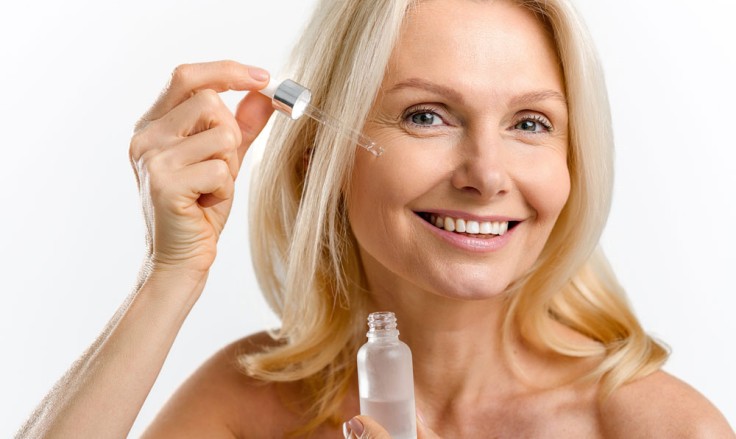
Introduction
Ageing is natural, but many want to slow its visible signs. As skin changes, fine lines, dullness and wrinkles appear. Consequently, both anti-ageing treatments and professional serums have become increasingly popular. However, knowing which option suits your needs can feel overwhelming.
This article explores the key differences between serums and treatments. We’ll explain how they work, what results to expect and who they’re best for. Whether you want a daily skin care routine or targeted anti-ageing solutions, this guide will help you decide.
What Are Anti-Ageing Serums?
Anti-ageing serums are concentrated skin care products designed for daily use. Typically, they are lightweight and absorb quickly. Serums deliver active ingredients deep into the skin to combat ageing at the source.
Common ingredients include retinol, hyaluronic acid, peptides and vitamin C. These help improve elasticity, hydration and cell renewal. Although the results are gradual, consistent use can lead to smoother, firmer skin.
Because serums are used daily, they’re ideal for people looking to maintain their skin at home. Moreover, they’re often recommended after in-clinic anti-ageing treatments to prolong results.
What Are In-Clinic Anti-Ageing Treatments?
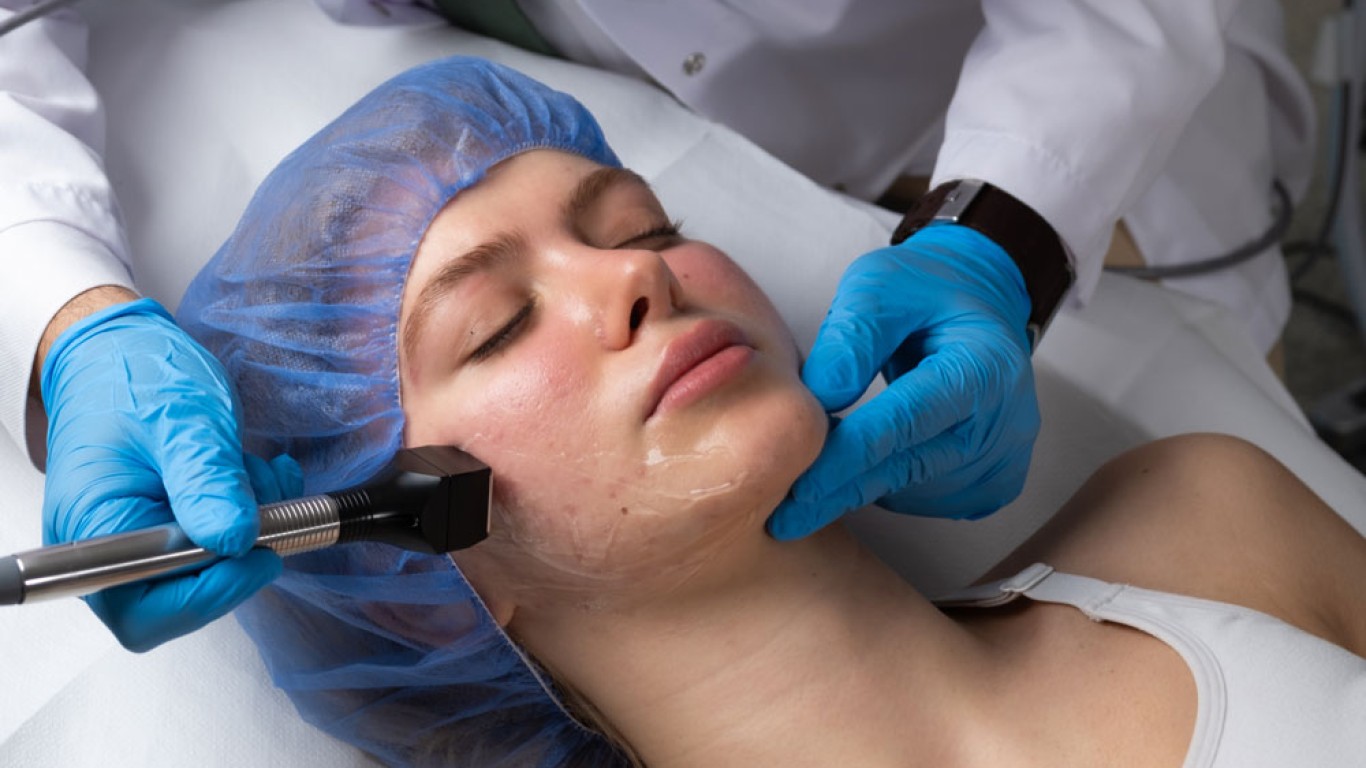
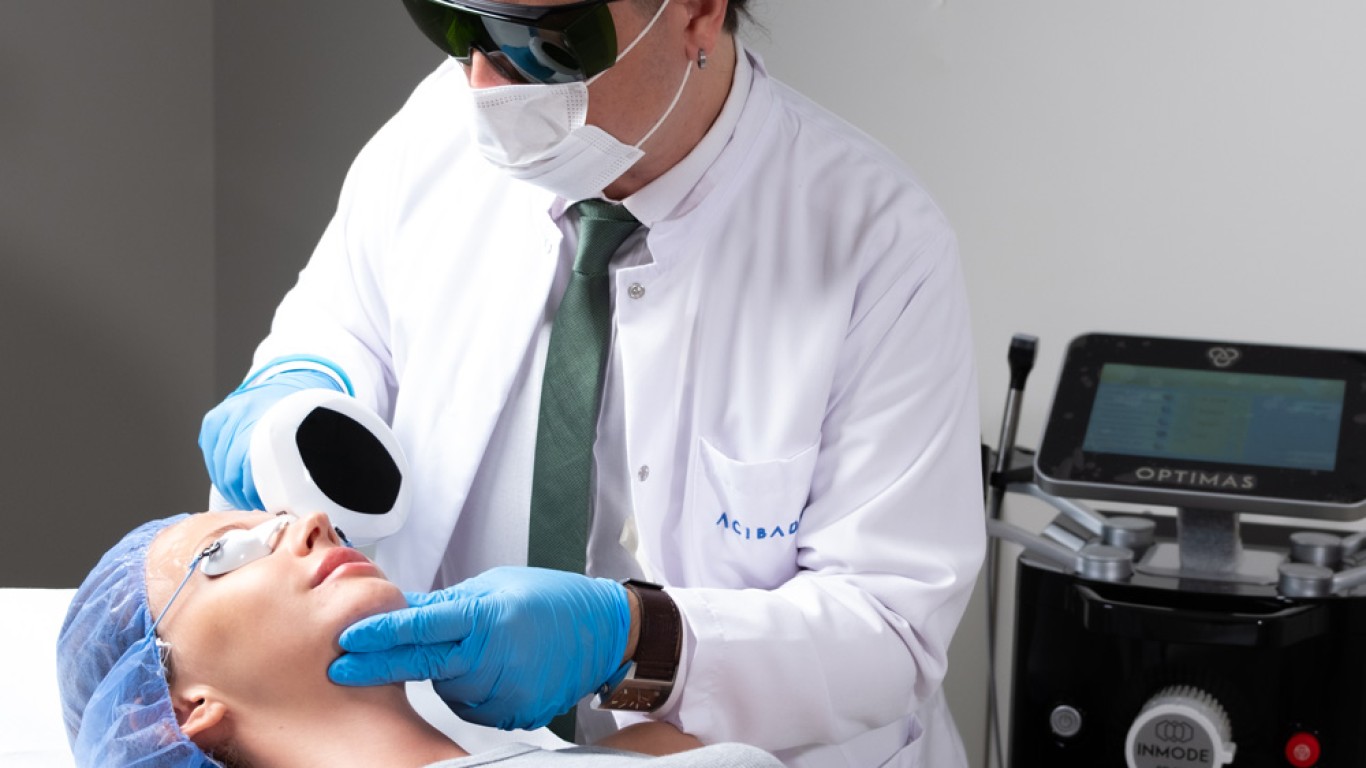
Anti-ageing treatments are professional procedures done in a clinic or beauty centre. These may include chemical peels, microneedling, laser therapy, and radiofrequency.
Unlike serums, these treatments aim for faster and more noticeable results. They stimulate collagen production, improve skin tone, and reduce wrinkles. Sessions are usually scheduled every few weeks, depending on the method.
Although some treatments have mild downtime, others are non-invasive with little to no recovery period. Overall, they are suited for people looking for visible, long-lasting improvements.
Anti-Ageing Treatments vs Serums: The Key Differences
While both aim to reduce ageing signs, they differ in intensity, speed and approach. Serums are gentle and easy to apply at home. They improve skin texture over time but require consistency and patience.
Conversely, in-clinic treatments offer quicker and often more dramatic results. These involve trained professionals and medical-grade equipment. They can target deeper skin layers where serums may not reach.
Cost is another factor. Serums are more affordable upfront. However, they must be used long term. Treatments may cost more per session, but fewer are usually needed for noticeable effects.
How to Combine Serums and Anti-Ageing Treatments
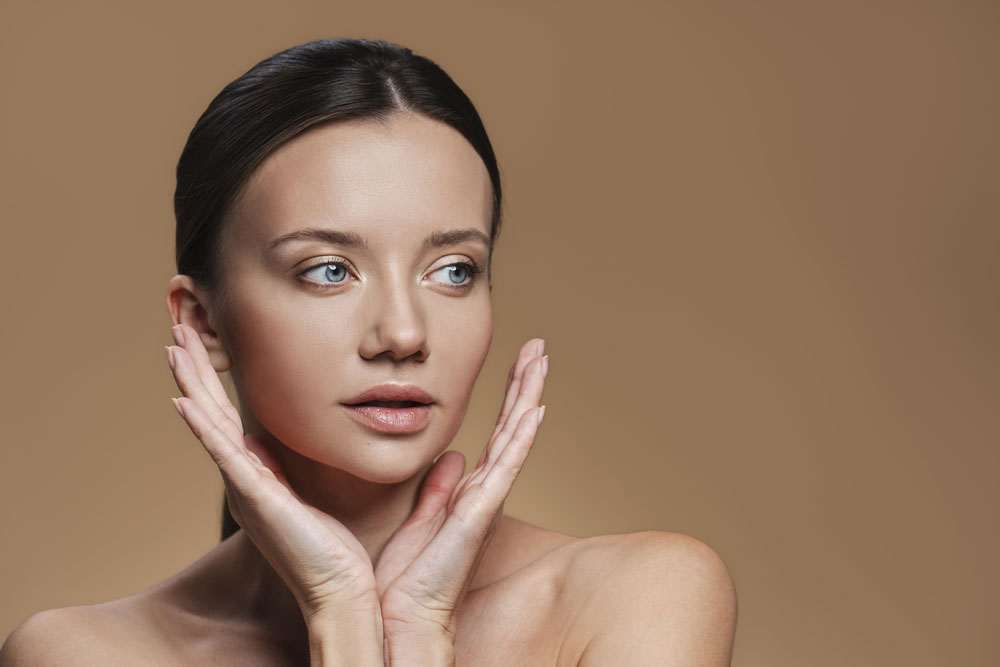
Interestingly, you don’t always have to choose one over the other. Combining serums and anti-ageing treatments can enhance your skincare outcomes. For example, microneedling can improve how serums absorb. Additionally, serums help maintain results between treatments.
Have you had laser or radiofrequency procedures? Your aesthetician might recommend hydrating or soothing serums. These support healing and reduce inflammation. Similarly, retinol-based serums can boost collagen production after recovery.
Hence, this combined approach often offers the best of both worlds. You get powerful treatment outcomes with consistent at-home care.
Top Ingredients in Anti-Ageing Serums
If you opt for serums, choosing the right ingredients is crucial. Firstly, retinol increases cell turnover and fades fine lines. Secondly, hyaluronic acid adds deep hydration, giving skin a plump, youthful look.
Thirdly, peptides signal the skin to produce more collagen. Vitamin C, meanwhile, brightens skin and protects it from free radicals. Lastly, niacinamide improves elasticity and reduces blotchiness.
Look for products with clinically proven concentrations. Also, always patch test before adding new serums to your routine.
Popular Anti-Ageing Treatments Explained
Here’s a breakdown of some leading anti-ageing treatments you may encounter:
- Microneedling: Creates micro-injuries to stimulate collagen. Improves texture and reduces fine lines.
- Chemical Peels: Use acids to exfoliate the top skin layer. Helps fade spots and boost brightness.
- Radiofrequency: Heats deeper tissues to firm skin and smooth wrinkles.
- Laser Resurfacing: Targets pigmentation, scars and lines. Leads to clearer, younger-looking skin.
- LED Light Therapy: Uses specific light wavelengths to reduce inflammation and promote skin repair.
Each treatment addresses specific concerns, so consultation is key to choosing the right one.
When to Consider Serums vs Anti-Ageing Treatments
Deciding between serums and anti-ageing treatments depends on your skin’s condition, goals and lifestyle. If you have mild signs of ageing or prefer gradual improvements, start with serums. They’re simple, affordable and effective when used properly.
However, if your concerns include deeper wrinkles or sagging, in-clinic treatments may be more suitable. These offer targeted solutions with stronger results. Age, skin type and medical history can also guide your decision.
Furthermore, time plays a role. Busy lifestyles may limit your availability for regular treatments. In such cases, serums provide a flexible alternative.
Cost Considerations for Both Options
Serums range from budget-friendly to luxury. Prices often reflect the concentration of active ingredients. Using one quality product is usually more beneficial than layering several cheaper options.
Anti-ageing treatments in Istanbul or elsewhere can range in cost. Basic chemical peels may start at £50, while advanced laser sessions can exceed £300. Still, many patients view these as worthwhile investments in their appearance and confidence.
Always factor in maintenance costs. Even treatments need occasional follow-ups to preserve results. Combining serums with treatments can help extend these intervals.
Final Thoughts on Choosing Anti-Ageing Support
Ultimately, the best solution may not be “either/or.” Many people use both approaches in harmony. Serums offer daily maintenance, while anti-ageing treatments provide deeper skin transformation.
Speaking with a professional helps tailor the approach to your skin. Whether you start small or go all-in, the key is consistency and expert guidance. Healthy, radiant skin is an ongoing journey - not just a one-time fix.
Conclusion
Anti-ageing treatments and serums both offer valuable benefits. While serums work gradually, treatments deliver faster, targeted results. Depending on your needs, combining both may be ideal. With proper guidance, either route can help you achieve brighter, firmer skin.
For more information and to book a consultation visit the ACIBADEM Beauty Center Skin rejuvenation page.
Frequently Asked Questions
Serums are daily-use products. Treatments are professional procedures for faster, deeper skin improvement.
Yes, many serums help support healing and prolong results after in-clinic treatments.
Generally, yes. However, a skin consultation is essential to find the best method for your skin.
This depends on the treatment type. Some require monthly visits, while others last longer.
Treatments usually show results faster. Serums take time but support long-term skin health.