Ataşehir Mah. Feza Sk. No:3 İstanbul / Türkiye
 French
  English
  German
  Spanish
Introduction
GLP-1 weight loss treatments have gained significant attention in recent years. These medications are designed to support appetite regulation and metabolic balance. As more individuals experience rapid or substantial weight reduction, questions about body contour are emerging. One common concern relates to loose skin and remaining fat deposits after weight loss. While body weight may decrease, skin and tissue structures may take longer to adapt. Understanding these changes helps individuals explore strategies that improve body contour following weight loss. With planning and realistic expectations, individuals can gradually improve body shape after major weight reduction.
How GLP-1 Weight Loss Affects Body Composition
GLP-1 weight loss treatments influence appetite signals within the body. By reducing hunger and improving satiety, individuals often consume fewer calories throughout the day. Over time, this reduced calorie intake can lead to noticeable weight reduction. As fat mass decreases, the body’s overall composition begins to change. Muscle mass, fat tissue and skin structure all respond to these changes. However, the skin and connective tissues that previously stretched may not immediately contract. The body therefore undergoes a gradual adjustment period following major weight changes. This transition may influence both skin elasticity and the appearance of remaining fat deposits.
Why Loose Skin May Develop After GLP-1 Weight Loss
Loose skin can appear when the skin stretches during weight gain and then loses underlying fat support. When body weight decreases quickly, the skin may not fully retract. Collagen and elastin fibres within the skin determine how well it adapts to change. Age, genetics and the amount of weight lost all influence skin elasticity. Individuals experiencing substantial GLP-1 weight loss may notice areas where skin appears softer. These areas often include the abdomen, arms and thighs. The degree of looseness varies widely between individuals. It depends on skin condition and the pace of weight reduction.
Areas Where Loose Skin Is Most Common
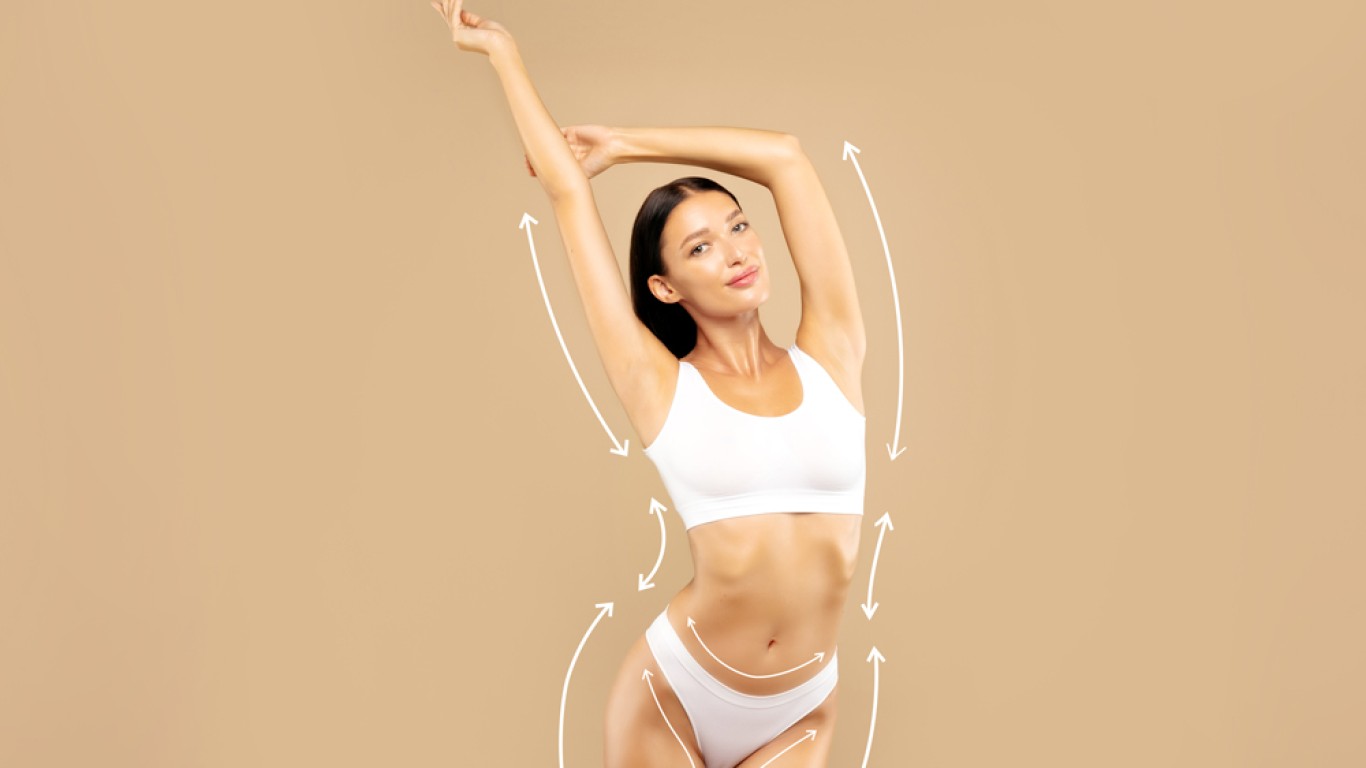
Certain regions of the body are more likely to show loose skin after weight reduction. The abdominal area often changes because it stretches significantly during weight gain. The upper arms may also appear less firm when underlying fat decreases. Thighs and lower back areas can experience similar changes. Facial contours may also shift as fat beneath the skin decreases. In some individuals, the neck and jawline may also show subtle changes in skin firmness. These changes are natural responses to major body composition adjustments.
Remaining Fat Deposits After GLP-1 Weight Loss
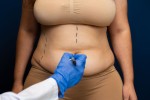
Even after substantial weight reduction, some individuals may still notice localised fat deposits. These areas may remain because the body stores fat differently in specific regions. The abdomen, waist and flanks are common areas where fat may persist. After GLP-1 weight loss, these pockets of fat may appear more noticeable. This happens as surrounding areas become slimmer. In some cases, body shape becomes more defined while isolated areas of fat remain. Body contour treatments are sometimes considered to refine these areas and create more balanced proportions.

Non Surgical Treatments for Skin Tightening
Non surgical skin tightening technologies may support improved skin firmness after weight loss. Treatments that stimulate collagen production can help the skin appear smoother over time. Technologies such as radiofrequency, ultrasound or laser energy are often used in aesthetic clinics. These approaches work gradually by activating collagen beneath the skin surface. As collagen production increases, the skin may appear firmer and more structured. These treatments are commonly recommended when skin laxity is mild to moderate.
Surgical Options for Body Contouring
In some cases, surgical body contour procedures may be considered after significant weight loss. Procedures such as abdominoplasty or body lift surgery focus on removing excess skin. These procedures can improve the overall contour of the abdomen, waist or other areas. Specialists evaluate skin condition and body structure before recommending surgery. Surgical contouring procedures are typically planned once weight stabilises. This timing allows surgeons to design procedures that align with the patient’s final body shape.
Lifestyle Habits That Support Skin Health
Lifestyle habits can influence how the body adapts after weight loss. Balanced nutrition provides essential nutrients that support skin health and tissue recovery. Adequate protein intake may help maintain muscle mass during weight reduction. Hydration also plays an important role in maintaining skin elasticity. Strength training exercises can improve muscle tone beneath the skin. This additional muscle support can improve the appearance of body contours. These habits may help the body maintain balanced proportions after GLP-1 weight loss.
Why Body Contouring Is Increasing in 2026
As GLP-1 weight loss treatments become more common, interest in body contouring continues to grow. Many individuals who achieve significant weight loss explore ways to refine their body shape. Advances in aesthetic medicine provide more options for addressing loose skin and remaining fat deposits. Modern technologies allow specialists to create personalised treatment plans. Clinics increasingly combine lifestyle guidance with contour procedures to support long-term results. These developments help individuals achieve balanced body contours after weight loss.
How Rapid GLP-1 Weight Loss Influences Skin Adaptation
Rapid weight reduction can change the way skin adapts to the body’s new shape. When fat volume decreases quickly, the skin sometimes struggles to retract at the same pace. Collagen and elastin fibres need time to respond to these changes. Individuals experiencing GLP-1 weight loss often notice that the body continues adjusting. This can happen for several months after weight stabilises. During this period, skin tone may gradually improve as tissues adapt. Patience is therefore an important part of the body contour process following major weight reduction.
The Role of Muscle Tone After GLP-1 Weight Loss
Muscle tone plays an important role in shaping the body after significant weight changes. When muscle mass is maintained or increased, it provides structural support beneath the skin. This support can help the body appear firmer and more balanced. Strength training exercises may improve definition in areas such as the abdomen, arms and thighs. Building muscle gradually can also enhance metabolic health. Maintaining muscle tone may help improve overall body contour and stability.
Facial Changes Following Significant Weight Loss
Weight reduction can also influence facial structure. As fat beneath the skin decreases, facial contours may become more defined. However, some individuals may notice that facial volume changes during the weight loss process. The cheeks, jawline and neck are areas where subtle shifts can occur. These changes are part of the body’s natural adaptation to reduced fat mass. In many cases, facial proportions become more defined as weight stabilises. Specialists sometimes evaluate facial balance when planning aesthetic treatments following significant weight loss.
The Importance of Weight Stabilisation Before Treatments
Stabilising body weight is often recommended before pursuing body contour procedures. When weight fluctuates frequently, it can be difficult to determine the most effective treatment approach. Once weight stabilises, specialists can assess the true extent of loose skin and remaining fat deposits. This evaluation helps guide treatment planning. Individuals who maintain stable weight for several months often achieve more predictable contour results. Weight stability also helps ensure that the body adapts gradually to the new body composition.
Psychological and Lifestyle Adjustments After Weight Loss
Significant weight reduction can also bring psychological and lifestyle adjustments. Many individuals feel increased confidence as body shape changes. However, adapting to a new body composition may take time. Developing sustainable routines for nutrition, exercise and self-care helps support long-term wellbeing. Individuals who have experienced GLP-1 weight loss often focus on maintaining healthy habits. This transition can improve both physical health and personal confidence.
Monitoring Long-Term Body Composition Changes
Body composition continues evolving even after weight loss stabilises. Muscle development, lifestyle habits and ageing can influence how the body appears over time. Monitoring these changes allows individuals to maintain balanced body proportions. Regular health assessments and fitness routines may help track progress. Some individuals schedule follow-up consultations with specialists to review body contour changes. This ongoing monitoring supports long-term maintenance of weight loss and body shape improvements.
Conclusion
GLP-1 weight loss treatments can lead to significant changes in body composition. While weight reduction may improve overall health, some individuals notice loose skin or remaining fat deposits afterward. Understanding how the body adapts after weight loss helps patients explore appropriate solutions. Non surgical treatments, surgical procedures and healthy habits may all contribute to improving body contour. Personalised consultation helps determine the most suitable approach for each individual.
For more information and to book a consultation visit the ACIBADEM Beauty Center Obesity Surgery webpage.
Frequently Asked Questions
It refers to medications that help regulate appetite and support weight reduction.
Skin may not fully retract after significant fat loss due to reduced elasticity.
The abdomen, arms and thighs often show changes after major weight loss.
Some technologies stimulate collagen to improve skin firmness.
Yes, certain body contour procedures can remove excess skin and refine body shape.