Ataşehir Mah. Feza Sk. No:3 İstanbul / Türkiye
 French
  English
  German
  Spanish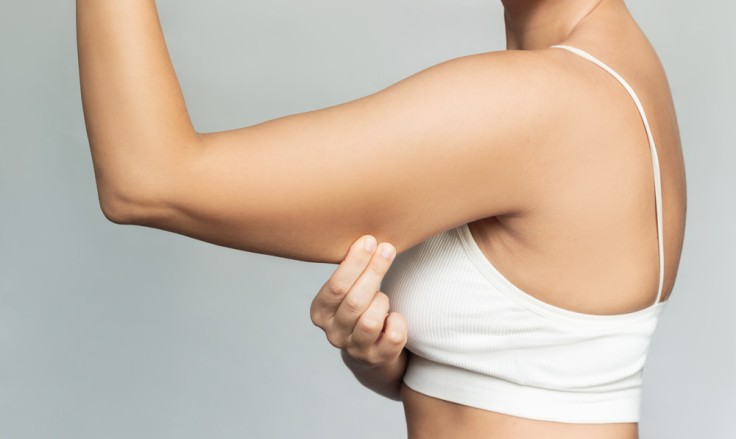
Introduction
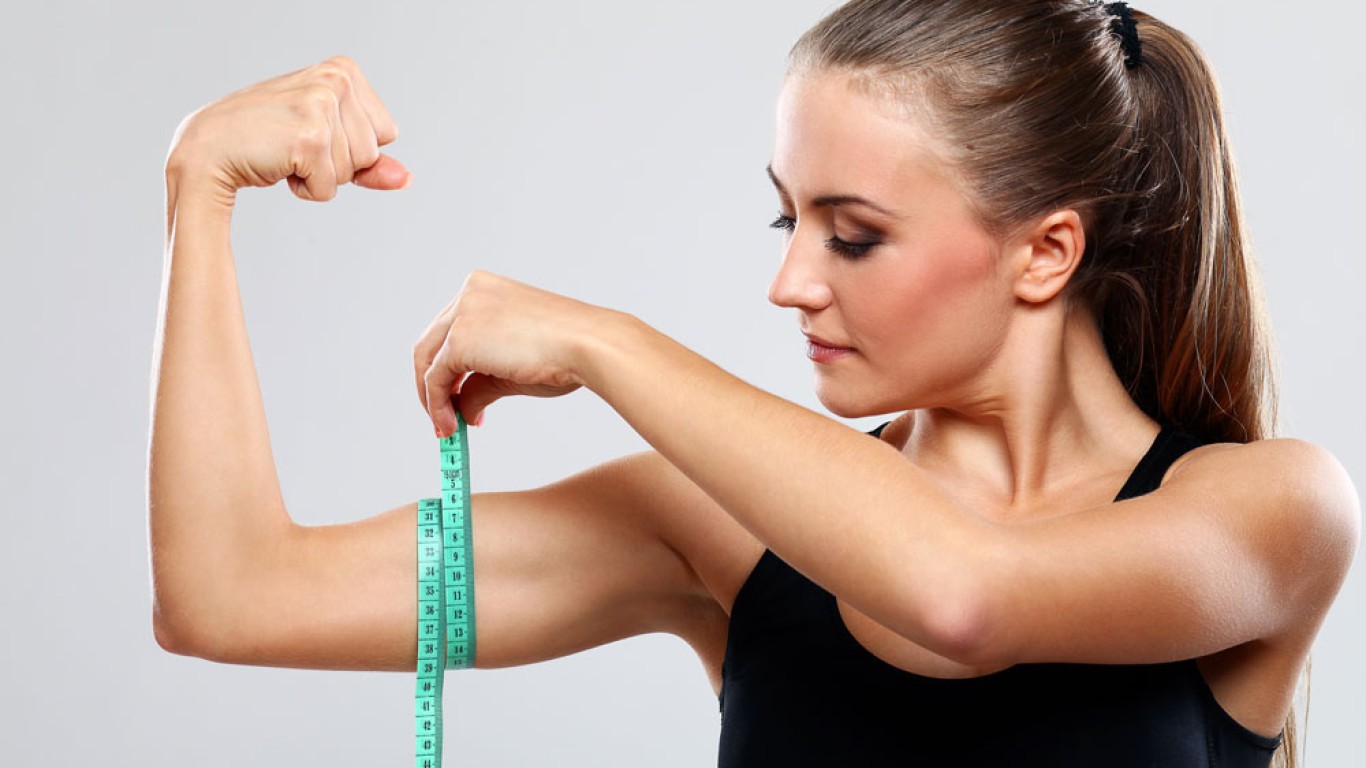
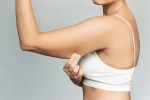
Upper arm fullness is a common aesthetic concern for many individuals. The area between the shoulder and elbow can hold stubborn fat deposits that are often difficult to reduce through exercise alone. Even individuals who maintain healthy diets and active lifestyles sometimes notice persistent fullness in this area. Arm fat removal treatments focus on reducing these localised fat pockets and improving the overall contour of the arms. Modern aesthetic medicine offers both surgical and non-surgical solutions designed to address this concern. The goal of treatment is typically to create smoother upper arms while maintaining natural body proportions. When the arms appear more refined, the overall body silhouette often becomes more balanced.
Why Fat Accumulates in the Upper Arms
Fat distribution varies across the body depending on genetics, hormones and lifestyle patterns. The upper arms can store fat easily because this area contains soft tissue and relatively limited muscle mass compared with other regions. Hormonal changes, particularly those associated with ageing, can influence how fat accumulates in this region. Some individuals also notice increased fullness in the arms following weight fluctuations. As the body gains and loses weight, fat cells may expand or shrink unevenly in different areas. Arm fat removal treatments target these deposits directly to refine the arm profile. Understanding why fat accumulates helps specialists select the most suitable treatment approach for each patient.
Common Treatment Approaches for Upper Arm Fat
Several treatment approaches are available for improving upper arm contour. Arm fat removal treatments may involve surgical procedures or non-surgical fat reduction technologies depending on the patient’s needs. The appropriate option often depends on the amount of fat present and the condition of the skin. Some patients benefit from gradual fat reduction methods that reshape the area slowly. Others require more precise contouring techniques to achieve noticeable improvement. Specialists assess the structure of the arms carefully during consultation. Personalised planning ensures that the treatment result remains balanced with the rest of the body.
Arm Fat Removal Treatments: Liposuction for Upper Arm Contouring
Liposuction is one of the most widely used techniques for reshaping the upper arms. During the procedure, a surgeon removes fat cells through a small cannula inserted beneath the skin. Arm fat removal treatments using liposuction allow careful sculpting of the arm contour while preserving natural proportions. The technique focuses on reducing volume while maintaining smooth transitions between surrounding tissues. Small incisions are typically placed in discreet locations to minimise visible marks. Liposuction can produce noticeable improvements in arm definition when performed by experienced specialists.
Arm Fat Removal Treatments: Non-Surgical Fat Reduction Technologies
Non-surgical treatments offer alternatives for individuals seeking gradual improvement in arm contour. Arm fat removal treatments sometimes include technologies such as cryolipolysis, radiofrequency or ultrasound-based systems. These devices target fat cells beneath the skin without requiring surgical incisions. The body gradually processes the treated fat cells over time. As the fat cells break down, the arm area becomes slimmer and smoother. These methods are often chosen when fat deposits are mild or moderate. Many patients prefer these options because they allow contour improvement without surgical procedures.
The Role of Skin Elasticity in Arm Fat Removal Treatments
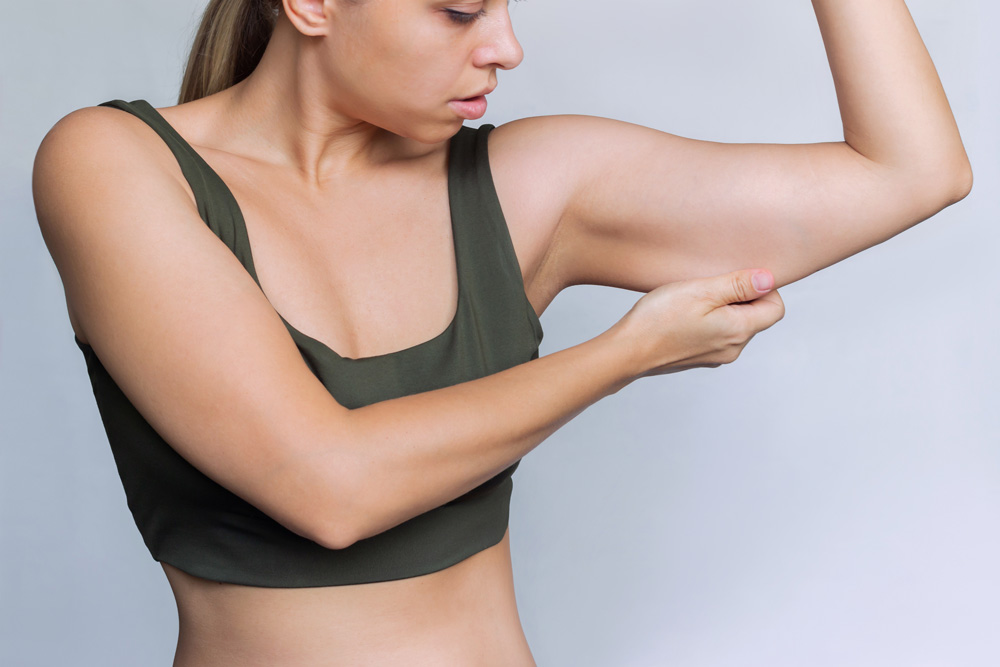
Skin elasticity plays an important role in the final appearance after fat reduction procedures. Strong collagen support within the skin allows it to adapt smoothly after fat volume decreases. Arm fat removal treatments often achieve the best outcomes when the skin retains good elasticity. Younger individuals generally experience stronger skin retraction following treatment. As collagen levels decline with age, the skin may become less firm. In such cases, skin tightening technologies may be recommended to support improved contour. Evaluating skin quality helps specialists develop a treatment plan that produces smoother arm contours.
Arm Fat Removal Treatments: Recovery and Post-Treatment Changes
Recovery experiences differ depending on the type of treatment selected. Surgical contouring procedures may involve temporary swelling or mild bruising as the body heals. These changes usually improve gradually over the following weeks. Non-surgical arm fat removal treatments often allow patients to return to daily routines quickly. Improvements in arm contour become visible as treated fat cells gradually reduce. The body continues adapting as tissues settle into their new shape. Following professional aftercare guidance supports smooth healing and optimal contour outcomes.
Maintaining Smoother Upper Arms Long Term
Maintaining treatment results depends on long-term lifestyle habits. Arm fat removal treatments remove targeted fat cells from the treated area. However, remaining fat cells in the body can still expand if body weight increases significantly. Balanced nutrition helps support stable body weight and overall wellbeing. Regular physical activity also helps maintain muscle tone in the upper arms. Strength training exercises can further improve arm definition. These habits help preserve the smoother arm contour achieved through treatment.
How Upper Arm Contouring Improves Body Balance
The upper arms contribute significantly to overall body proportion and silhouette. Excess fat in this area can make the arms appear heavier compared with the shoulders and torso. Arm fat removal treatments refine the shape of the arms and improve visual balance. When the arms appear slimmer, the upper body often looks more proportionate. Many individuals notice improved clothing fit after contouring treatments. Sleeveless garments and fitted clothing may feel more comfortable to wear. Improving arm proportion therefore contributes to a more balanced and harmonious body shape.
Exercise After Arm Fat Removal Treatments
Physical activity plays an important role in supporting upper arm contour after aesthetic treatments. While arm fat removal treatments reduce localised fat deposits, exercise helps maintain muscle tone beneath the skin. Strength training exercises that target the triceps and shoulders can improve arm definition over time. Movements such as resistance band extensions or light weight training may gradually strengthen these muscle groups. Improved muscle tone can enhance the smoother contour achieved through treatment. Regular exercise also supports overall metabolic health, which helps maintain stable body weight. When fitness routines complement contouring procedures, the arms often appear firmer and more proportionate.
Clothing Fit and Confidence After Arm Contouring
Upper arm contour can influence how clothing fits and feels. Many individuals notice that sleeves feel tighter when fat accumulates in this area. Arm fat removal treatments can help create a slimmer arm profile that improves clothing comfort. Shirts, dresses and tailored garments may fit more naturally after contour refinement. Individuals often report feeling more confident wearing sleeveless clothing once arm fullness is reduced. Improved arm proportion can also contribute to a more balanced appearance when wearing fitted outfits. For many patients, the visual change in clothing fit becomes one of the most noticeable benefits.
Combining Arm Contouring with Other Body Treatments
Some patients explore additional contouring treatments alongside upper arm procedures. Arm fat removal treatments may be combined with other body contouring approaches depending on individual goals. For example, patients who have experienced weight loss sometimes consider treatments for the abdomen or thighs as well. Addressing multiple areas can improve overall body balance. Specialists often assess body proportions carefully before recommending combined procedures. Creating harmony between the upper arms and surrounding body regions helps maintain natural aesthetic proportions. When treatments are coordinated effectively, the overall result appears more refined.
Long-Term Skin Care for Upper Arm Appearance
Skin care also contributes to maintaining smooth upper arm appearance after contouring treatments. Healthy skin retains elasticity more effectively when supported by proper care. Moisturising regularly can help maintain skin hydration and softness. Ingredients that support collagen production may help strengthen the skin structure over time. Sun protection is another important factor because ultraviolet exposure can weaken collagen fibres. Protecting the skin from sun damage supports long-term firmness. Consistent skin care routines therefore complement the results achieved through arm contouring procedures.
Conclusion
Arm fat removal treatments provide effective options for reducing stubborn fat in the upper arms. Both surgical and non-surgical techniques can improve arm contour depending on individual needs. Careful evaluation of fat distribution and skin quality helps determine the most appropriate treatment approach. With modern technologies, patients can achieve smoother and more balanced upper arm contours. Maintaining healthy lifestyle habits helps preserve these results over time. These improvements often support greater confidence in everyday activities. Many patients appreciate the subtle yet meaningful changes that refined arm contours can provide.
For more information and to book a consultation visit the ACIBADEM Beauty Center.
Frequently Asked Questions
They are procedures designed to reduce fat deposits and improve upper arm contour.
No, non-surgical technologies can also reduce small fat pockets.
Individuals with localised upper arm fat and stable body weight may benefit.
Results can be long lasting when healthy lifestyle habits are maintained.
Yes, reducing excess fat can create smoother and more defined arm contours.