Ataşehir Mah. Feza Sk. No:3 İstanbul / Türkiye
 French
  English
  German
  Spanish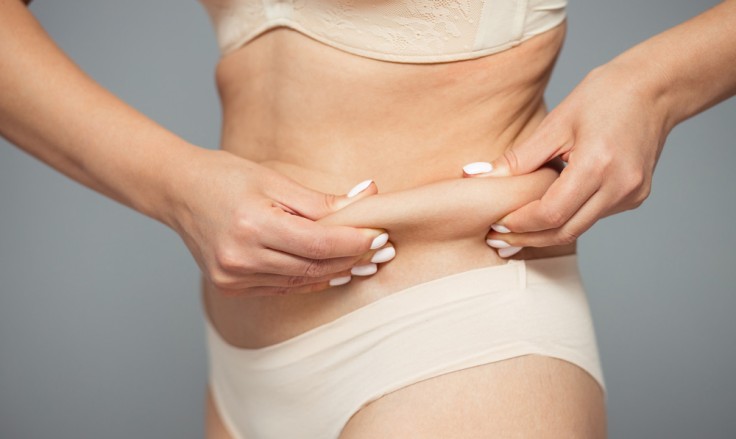
Introduction
Liposuction removes targeted fat deposits to refine body contour and improve overall proportion. However, fat removal alone does not determine the final appearance after surgery. Skin elasticity plays a crucial role in how the treated area settles and adapts once volume is reduced. When skin contracts smoothly, results appear firm, defined and proportionate to the surrounding anatomy. When elasticity is reduced, contour may look softer or less sculpted. Understanding how skin elasticity influences liposuction outcomes helps patients set realistic expectations and plan treatment appropriately. A thorough preoperative assessment allows surgeons to predict how tissue will respond after fat extraction.
What Is Skin Elasticity?
Skin elasticity refers to the skin’s ability to stretch and then return to its original position. This property depends on collagen and elastin fibres located within the dermis. These structural proteins provide both strength and flexibility to the tissue. Younger skin generally contains higher levels of these fibres, allowing it to retract more effectively after stretching. Over time, collagen production declines naturally as part of the ageing process. Environmental factors such as sun exposure, smoking and poor nutrition can accelerate this decline. Significant weight changes may also weaken the supportive framework. Strong skin elasticity supports smoother contraction after fat removal, while reduced elasticity may limit how tightly the surface adapts to the new contour.
Why Skin Elasticity Matters in Liposuction
Liposuction removes fat beneath the skin, leaving the outer layer to adjust to the reduced volume. If skin elasticity is strong, the surface tightens gradually around the new shape, creating a smoother and more sculpted appearance. This natural retraction is essential for refined outcomes. When elasticity is compromised, the skin may not contract fully. Mild looseness or unevenness can remain, particularly in areas that have previously been stretched. Evaluating skin elasticity before surgery helps determine whether liposuction alone is sufficient or whether complementary tightening strategies should be considered.
Age and Its Effect on Skin Elasticity
Age is one of the most influential factors affecting tissue response. Younger patients typically experience stronger contraction due to resilient collagen fibres and better circulation. As ageing progresses, elasticity decreases gradually, and the skin becomes thinner. This doesn’t mean older patients cannot benefit from liposuction - many achieve satisfying contour improvement. However, expectations must align with tissue quality. In some cases, combining liposuction with skin tightening treatments may enhance overall definition and balance.
Impact of Weight Fluctuations on Tissue Quality
Significant weight gain and loss can stretch the skin repeatedly over time. Rapid changes may weaken collagen structure and reduce its ability to recoil. Repeated fluctuations further diminish elasticity and resilience. Patients with a history of substantial weight variation may notice slower or less dramatic retraction after liposuction. Maintaining a stable weight prior to surgery often supports better adaptation and more predictable results. Stability allows the skin to respond more evenly to contour changes.
Body Areas and Skin Elasticity Differences
Not all body areas respond identically to fat removal. The abdomen and thighs often show varying degrees of contraction depending on individual tissue quality. The neck and upper arms may respond differently because skin is thinner and more delicate. Skin elasticity in each region influences how smoothly contour appears after healing. Careful assessment allows surgeons to adjust technique and determine appropriate treatment depth. Tailored planning improves harmony across treated areas and supports balanced results.
Stretch Marks as an Indicator of Reduced Skin Elasticity
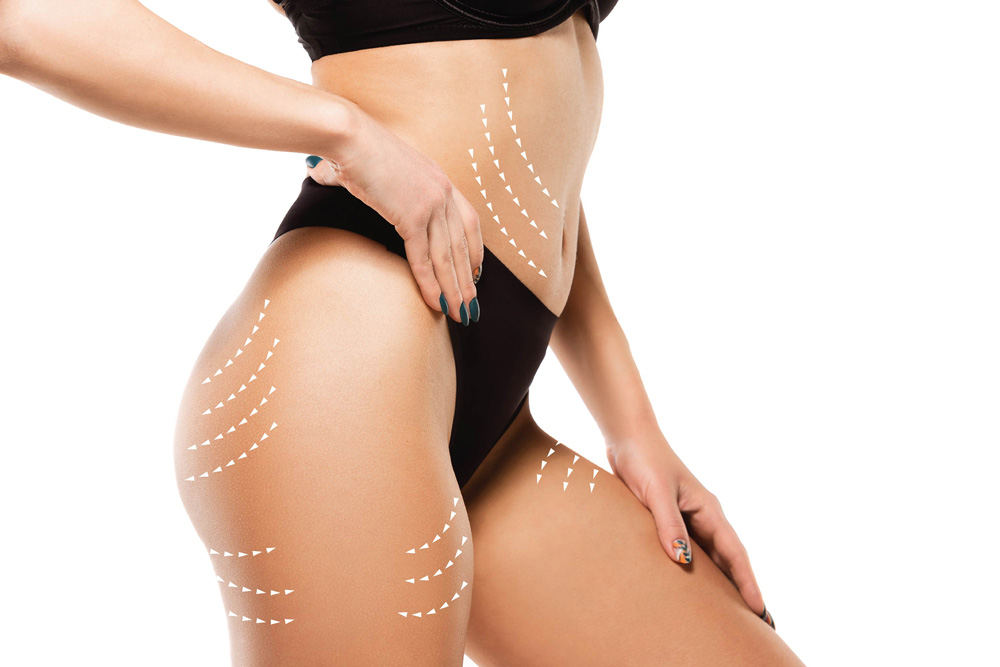
Stretch marks develop when the skin has been overstretched beyond its elastic capacity. They often appear during rapid growth, pregnancy or weight change. The presence of stretch marks can indicate compromised skin elasticity. While they do not prevent liposuction, they may signal limited retraction potential. In these cases, the treated area may improve in contour but retain mild looseness. Surgeons factor this into planning and may suggest adjunctive tightening treatments if necessary. Understanding the relationship between stretch marks and tissue behaviour helps patients anticipate final appearance more accurately.
The Role of Collagen and Elastin in Skin Elasticity and Recovery
Collagen and elastin are structural proteins that determine how the skin adapts after contour changes. Collagen provides firmness, while elastin allows stretch and recoil. When fat is removed, these fibres must reorganise to accommodate reduced volume. In individuals with strong fibre networks, contraction appears more uniform and smooth. Reduced collagen density may lead to slower or less dramatic tightening. Supporting collagen health before surgery through balanced nutrition and adequate hydration can contribute to better tissue resilience. Although biological ageing continues, maintaining structural integrity enhances postoperative contour refinement.
Hydration and Nutritional Influence on Skin Quality
Hydration contributes to skin flexibility and resilience. Well hydrated skin often appears more supple and responsive. Adequate protein intake supports collagen synthesis, while vitamins such as C and E assist tissue repair. Nutritional balance influences how the skin responds to structural change. Although diet alone can’t reverse ageing, it supports optimal healing conditions. Patients who maintain balanced nutrition before and after surgery often notice smoother recovery. Supporting skin health internally complements the physical contouring achieved through liposuction.
When Skin Tightening Treatments Are Recommended
If elasticity is moderate rather than strong, complementary treatments may help improve surface firmness. Energy-based skin tightening technologies can stimulate collagen production and encourage gradual contraction. These treatments may be performed before or after liposuction depending on individual needs. Combining approaches supports more comprehensive contour refinement when tissue firmness is limited. The goal is to enhance definition without overcorrecting.
Smoking and Its Impact on Tissue Response
Smoking significantly affects circulation and collagen production. Reduced blood flow limits oxygen and nutrient delivery to the skin. This can impair healing and decrease overall elasticity. Patients who smoke may experience slower recovery and less optimal contraction after liposuction. Discontinuing smoking before and after surgery supports healthier tissue adaptation. Improved circulation enhances collagen activity and promotes smoother contour. Lifestyle modification plays a meaningful role in supporting surgical results.
Maintaining Skin Elasticity After Surgery
Lifestyle habits influence long term tissue quality and overall appearance. Adequate hydration, balanced nutrition rich in protein and antioxidants and sun protection all support collagen preservation. Avoiding smoking helps maintain circulation and skin health. While natural ageing continues, maintaining healthy routines may support long term contour stability and firmness. Consistent weight management also prevents unnecessary stretching of the treated area.
Gradual Versus Immediate Visible Results
Skin adaptation does not occur instantly after fat removal. Swelling initially masks contour changes, and true contraction develops over several months. Individuals with strong elasticity may observe progressive tightening as swelling resolves. Those with moderate elasticity may experience slower refinement. Patience is important, as final results evolve gradually. Surgeons typically evaluate contour several months after surgery to assess full adaptation. Understanding this timeline prevents premature judgement of outcome and supports realistic expectations.
Long Term Ageing and Contour Stability
Even after successful liposuction and skin contraction, natural ageing continues. Over time, collagen levels decline and skin becomes thinner. However, removing excess fat can create a more favourable baseline contour. Maintaining healthy habits helps preserve this improvement. Regular exercise, sun protection and stable weight support long term stability. While ageing cannot be halted, thoughtful lifestyle management sustains proportion and definition achieved through treatment.
Why Many Patients Choose Turkey for Body Contouring
Turkey has become known for structured body contouring procedures and personalised assessment. Clinics evaluate tissue quality carefully during consultation and design treatment plans accordingly. Experienced surgeons consider skin elasticity when planning liposuction strategy to ensure realistic and proportionate results. Personalised planning and modern techniques help optimise contour while respecting each patient’s anatomical characteristics.
Conclusion
Skin elasticity significantly influences liposuction outcomes and overall contour refinement. Strong tissue contraction supports smoother results and enhanced definition. Reduced elasticity may require adjusted expectations or complementary treatments to optimise appearance. Careful evaluation before surgery ensures that results appear natural, balanced and aligned with tissue quality. With thoughtful planning and healthy maintenance, patients can achieve improved contour that complements their skin’s natural properties.
Interested in finding out more about liposuction? Visit the ACIBADEM Beauty Center liposuction page.
Frequently Asked Questions
Not necessarily, but expectations and planning may differ.
Certain tightening technologies may stimulate collagen production.
Elasticity generally decreases with age, though individual variation exists.
Areas with naturally firmer skin often contract more effectively.
Healthy lifestyle habits and sun protection support tissue quality.