Ataşehir Mah. Feza Sk. No:3 İstanbul / Türkiye
 French
  English
  German
  Spanish
Introduction
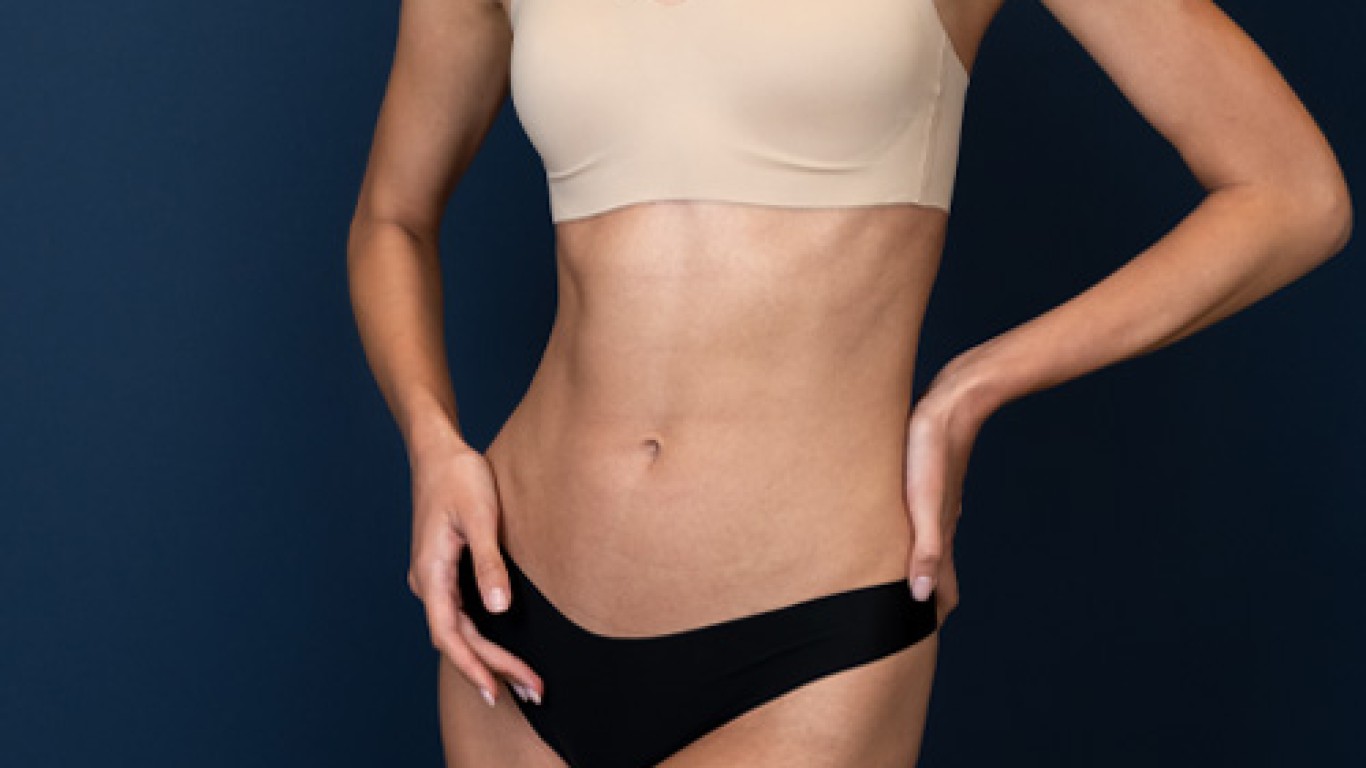
Body contouring options have expanded significantly in recent years, offering patients greater flexibility. Individuals can now choose between surgical and non-surgical solutions depending on their goals. Non invasive body contouring offers fat reduction without incisions, sutures or general anaesthesia. Surgical procedures, such as liposuction, provide more immediate and dramatic reshaping of specific areas. Understanding the differences between these approaches helps patients select the most suitable option. Treatment choice depends on body composition, desired outcome, recovery tolerance and lifestyle commitments. Careful comparison ensures realistic expectations and balanced decision making.
What Is Non Invasive Body Contouring?
Non invasive contouring refers to fat reduction treatments performed without surgical intervention. Technologies such as cryolipolysis, radiofrequency and focused ultrasound target fat cells selectively beneath the skin. The surrounding tissues are largely unaffected when treatment is performed correctly. Once fat cells are disrupted, the body eliminates them gradually through natural metabolic processes. Non invasive body contouring focuses on small to moderate fat deposits resistant to diet and exercise. It is not intended for significant weight loss or large-volume fat removal. Results develop progressively over several weeks, offering subtle contour refinement rather than immediate transformation.
What Does Surgical Body Contouring Involve?
Surgical body contouring typically includes procedures such as liposuction. During liposuction, fat is removed directly through small incisions using a cannula. The surgeon sculpts the treatment area manually to achieve defined contour and proportion. Surgical intervention allows removal of larger fat volumes in a single session. The procedure may be performed under local or general anaesthesia depending on the extent. Recovery involves swelling, temporary bruising and use of compression garments. Results become visible as swelling subsides over several weeks. Surgical contouring offers more immediate and dramatic reshaping compared to non-surgical methods.
Differences in Results
The most significant difference between these methods lies in the degree and speed of change. Non invasive body contouring produces subtle, gradual refinement, which appeals to those seeking discreet improvement. Surgical procedures deliver more immediate and noticeable volume reduction. Patients seeking minor contour smoothing often prefer non-surgical options. Those desiring significant reshaping or correction of larger fat deposits may consider surgery. Matching expectations with technique is essential to avoid dissatisfaction. Realistic goals determine the most appropriate approach.
Non Invasive Body Contouring Recovery and Downtime
Recovery expectations differ considerably between non-surgical and surgical treatments. Non invasive contouring typically requires little to no downtime. Patients usually resume work and daily activities immediately after sessions. Mild redness, numbness or tenderness may occur temporarily. Surgical procedures involve a short recovery period that includes swelling and restricted physical activity. Compression garments are often recommended to support contour stability. Discomfort levels vary based on treatment extent. Understanding recovery commitments helps patients plan appropriately.
Non Invasive Body Contouring Risk and Invasiveness
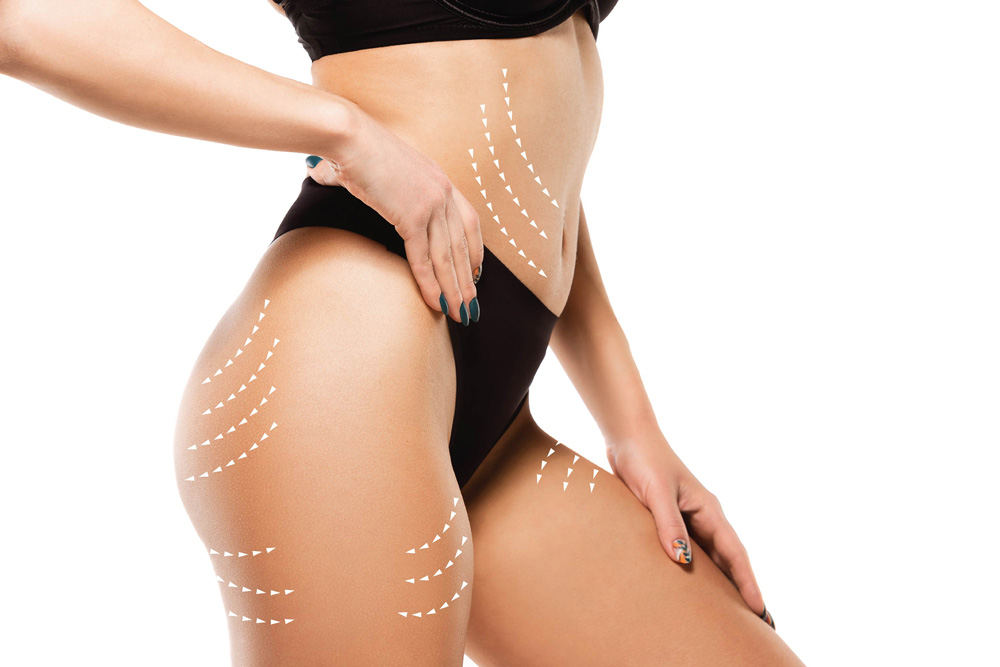
Non invasive body contouring avoids incisions, sutures and general anaesthesia, reducing procedural complexity. Because the skin remains intact, risks associated with surgical wounds are minimised. Surgical contouring carries typical surgical considerations such as swelling and temporary bruising. Proper assessment ensures safety in both methods. Patient health status, medical history and skin elasticity influence suitability. Choosing an experienced practitioner enhances safety outcomes. Awareness of invasiveness supports informed and confident decisions.
Skin Tightening Effects
Some non invasive body contouring devices stimulate mild collagen production alongside fat reduction. This may improve skin firmness in treated areas. Surgical liposuction removes fat effectively but does not inherently tighten loose skin. In certain cases, additional skin tightening procedures may be required after surgery. Skin elasticity plays an important role in determining final contour smoothness. Younger patients with good tissue tone often experience better skin adaptation. Treatment selection should always consider skin quality.
Non Invasive Body Contouring Cost Considerations
Non invasive contouring often costs less per session compared to surgical procedures. However, multiple sessions may be required to achieve optimal results. Surgical procedures involve higher upfront cost but usually require only one session. Total cost depends on treatment area size, technology used and clinic expertise. Budget planning should consider long-term goals rather than initial price alone. Evaluating value includes assessing outcome quality and durability.
Non Invasive Body Contouring: Long-Term Maintenance
Both non invasive body contouring and surgical liposuction permanently remove treated fat cells. However, remaining fat cells can expand if weight increases significantly. Maintaining stable weight preserves contour results in either approach. Non invasive contouring requires patience for gradual change but offers consistent refinement. Surgery provides faster visual improvement but still depends on lifestyle habits for maintenance. Long-term durability is influenced by nutrition and exercise consistency.
Why Many Patients Choose Turkey for Non Invasive Body Contouring
Turkey offers advanced technologies for both surgical and non-surgical contouring treatments. Experienced practitioners provide comprehensive consultation and personalised assessment. Non invasive body contouring is performed using regulated, modern equipment in accredited facilities. Surgical procedures benefit from high procedural volume and established expertise. Structured aftercare enhances safety and satisfaction. Patients value personalised planning, competitive pricing and coordinated medical tourism services.
Ideal Goals for Each Approach
Clarifying personal goals is essential before choosing a treatment path. Non invasive body contouring is ideal for patients seeking refinement rather than transformation. It works best when the concern is a small, stubborn pocket of fat. Surgery may be more appropriate when larger volume reduction is desired. Patients with noticeable contour irregularities often benefit from surgical sculpting. Aligning expectations with capability ensures satisfaction. Understanding the scope of each option prevents disappointment.
Speed of Visible Change
The timeline for results differs significantly between the two methods. Non invasive body contouring produces gradual fat reduction over several weeks. This slower progression can appear more natural and discreet. Surgical liposuction delivers immediate volume removal, although swelling initially masks final results. Patients who prefer subtle transition often favour non-surgical options. Those seeking faster, more dramatic reshaping may prefer surgery. Timing considerations influence overall satisfaction.
Precision and Sculpting Capability
Surgical contouring allows direct manual sculpting of fat layers. The surgeon can adjust depth and contour during the procedure. This level of precision is beneficial in complex shaping cases. Non invasive contouring, while targeted, relies on applicator positioning rather than manual sculpting. It is highly effective for defined treatment zones but less adaptable in complex contour changes. Treatment selection depends on the degree of sculpting required.
Treatment Customisation
Both approaches can be personalised, but in different ways. Non invasive body contouring allows staged sessions to refine results gradually. Adjustments can be made between appointments based on response. Surgery typically involves a single comprehensive session with pre-planned sculpting. Customisation in surgery depends heavily on preoperative design. In non-surgical treatments, progression can be monitored and adjusted over time. Personalisation improves aesthetic balance.
Impact on Daily Routine
Non invasive contouring fits easily into busy lifestyles. Sessions are often scheduled during lunch breaks or short appointments. There is usually no need to take time off work. Surgical contouring requires planning for recovery days and reduced activity. Compression garments may be worn for several weeks. Patients with demanding schedules often consider downtime carefully.
Psychological Comfort and Decision Factors
Some patients feel more comfortable choosing non-invasive procedures. The absence of incisions and anaesthesia reduces anxiety. Others may prefer the certainty of a one-time surgical solution. Psychological readiness plays a significant role in treatment choice. Confidence in the selected approach supports positive experience. Clear communication during consultation builds reassurance. Emotional comfort is an important factor alongside clinical suitability.
Body Mass Index Considerations
Body mass index (BMI) influences suitability for both methods. Non invasive contouring is most effective for individuals close to their ideal weight. It is not designed for high BMI cases. Surgical contouring can address larger fat volumes but still requires stable health. Excess weight may affect overall contour predictability. Weight stability supports durable results in either approach. Professional assessment ensures appropriate candidacy.
Combination Approaches
In some cases, combining treatments may offer optimal results. Non invasive body contouring can refine minor areas following surgery. Alternatively, surgery may address larger regions while non-surgical methods maintain results. A combined strategy should be planned carefully.
Long-Term Satisfaction Trends
Long-term satisfaction depends on realistic expectations and stable weight. Patients who understand the gradual nature of non invasive contouring often report positive experiences. Surgical patients may appreciate the immediate structural change. However, both methods require commitment to healthy habits.
Conclusion
Non invasive body contouring and surgical body contouring each offer distinct advantages depending on patient goals. Non-surgical methods provide subtle, gradual refinement with minimal downtime and lower procedural risk. Surgical approaches allow more dramatic reshaping with faster visible change but require recovery time. Choosing the right method depends on desired degree of contour, recovery tolerance and overall health. With careful assessment and realistic expectations, patients can achieve balanced and proportionate body contour enhancement.
For more information and to book a consultation visit the ACIBADEM Beauty Center Skin Treatments webpage.
Frequently Asked Questions
It is fat reduction without surgery or incisions.
Surgery removes larger fat volumes more quickly.
Non-surgical methods require minimal downtime.
Yes, treated fat cells are permanently removed.
Consultation helps determine the best option.