Ataşehir Mah. Feza Sk. No:3 İstanbul / Türkiye
 English
Introduction
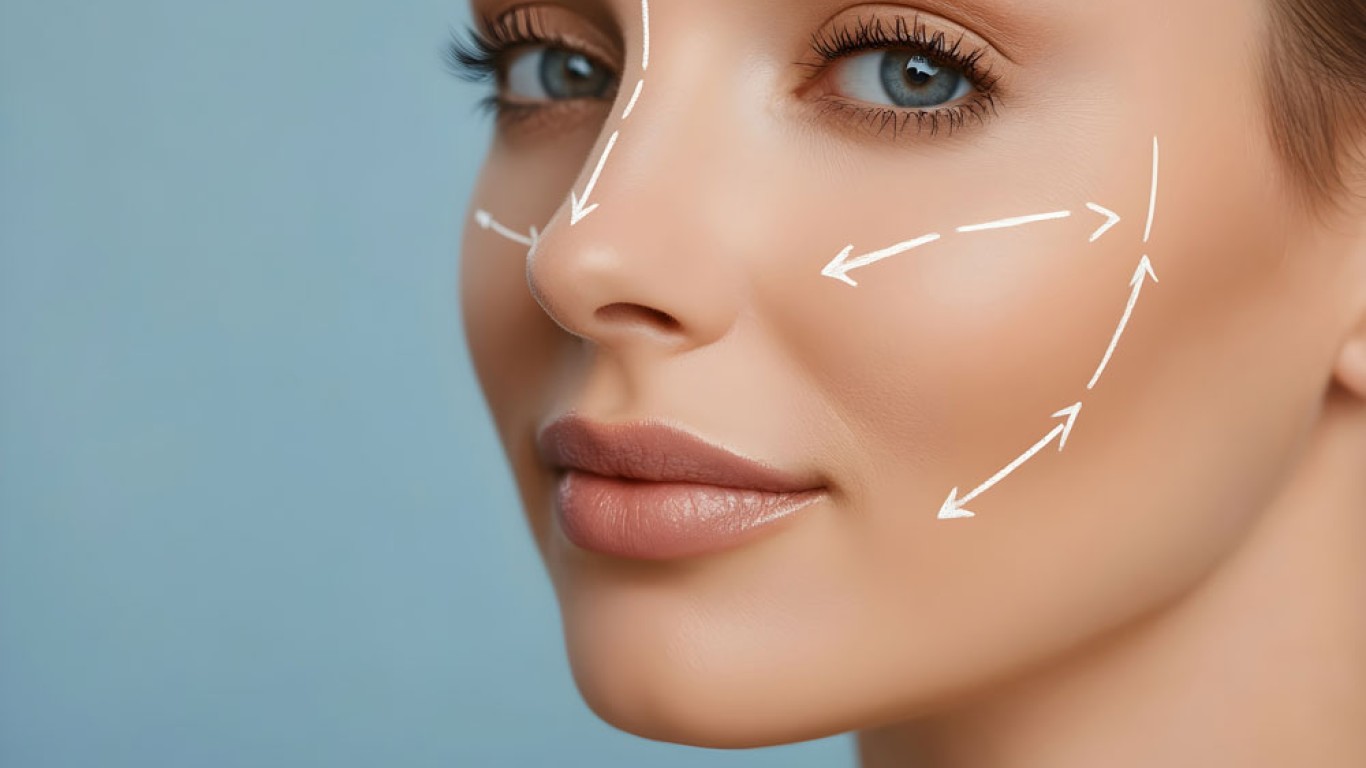
Baby Botox uses smaller doses of botulinum toxin than many standard treatments. The goal is subtle line softening while preserving natural movement and expression. This Botox is not a separate product. It uses the same botulinum toxin products used for conventional treatment. However, practitioners administer smaller amounts according to individual facial anatomy and goals. The term describes an aesthetic approach rather than one standardised clinical protocol. Patients seeking subtle improvements may find this approach particularly appealing. This article explains baby Botox, suitable candidates, treatment differences and expected results.
What Is Baby Botox?
Baby Botox refers to treatment using relatively small amounts of botulinum toxin. Practitioners may distribute these amounts across carefully selected injection points. The reduced dose aims to decrease muscle activity without completely restricting movement. Consequently, facial lines can soften while expressions remain natural. Subtlety is the defining characteristic of Botox. However, there is no universally standardised dose defining the technique. Treatment should always reflect facial anatomy, muscle strength and individual goals. This Botox may suit patients wanting to address early dynamic lines. It may also appeal to people who are new to injectable treatments. Additionally, some patients simply prioritise maintaining greater facial movement.
Baby Botox vs Standard Botox: Key Differences
The main difference between this Botox and standard Botox is usually the treatment dose. However, exact doses vary according to product, treatment area and individual anatomy. Standard treatment generally aims for stronger muscle relaxation. Consequently, movement may become more noticeably reduced in treated areas. This Botox aims to provide lighter muscle relaxation. Lines can soften while greater movement remains. Treatment duration may also differ between patients. Lower doses may wear off sooner than larger conventional doses. However, longevity depends on metabolism, muscle strength, product and treatment area. Some patients may consequently require more frequent appointments. A qualified practitioner can recommend suitable dosing based on individual goals.
Who Is Baby Botox Suited To?
This Botox may suit a broad range of adult patients. Younger adults sometimes choose treatment when early dynamic lines become noticeable. Low-dose treatment can reduce muscle activity responsible for repeated facial creasing. However, preventative benefits vary considerably between individuals. First-time patients may also prefer beginning with a conservative treatment approach. This allows them to assess how reduced muscle activity affects their appearance. Patients wanting greater facial mobility may also consider baby Botox. This can include people whose work relies heavily on facial expression. However, treatment suitability depends on facial anatomy and individual muscle activity. A professional consultation can determine whether lower-dose treatment matches the patient's goals.

Baby Botox as a Preventative Treatment
Repeated facial movements contribute to the development of dynamic lines. Smiling, frowning and squinting repeatedly fold the skin in predictable areas. Over time, some dynamic lines can become visible when the face rests. Botulinum toxin temporarily reduces activity within selected facial muscles. Consequently, treated areas experience less repetitive folding while the product remains active. Some younger patients choose lower-dose treatment before deeper static lines develop. However, ageing involves many additional biological and environmental factors. Genetics, sun exposure, smoking and skin quality also influence visible ageing. Therefore, it cannot prevent every age-related facial change. Consistent sun protection and appropriate skincare remain important alongside injectable treatments. Patients should discuss preventative treatment carefully with a qualified practitioner.
How Long Does Baby Botox Last?
Baby Botox results are temporary. Duration varies considerably because the Botox does not have one standardised dosing protocol. Lower doses may provide a shorter duration than conventional treatment. Individual metabolism and muscle strength can also affect longevity. The treatment area and injected product may influence duration further. Consequently, patients should not expect one exact timeframe. Some patients require more frequent maintenance than those receiving conventional doses. Practitioners can adjust future treatment based on the patient's response. A slightly stronger treatment may provide greater longevity while maintaining natural movement. However, dosing should always reflect individual anatomy and aesthetic priorities. Regular assessment helps determine the most appropriate maintenance schedule.
Baby Botox Technique: What the Appointment Involves
A Botox appointment follows a similar process to conventional treatment. Consultation begins with an assessment of facial movement and treatment goals. The practitioner also reviews relevant medical history and treatment suitability. Afterwards, the skin is cleaned and injection points are identified. Treatment itself usually takes only several minutes. A very fine needle delivers small quantities into selected muscles. Discomfort is generally brief, although individual experiences vary. Afterwards, patients receive specific aftercare instructions from their practitioner. Advice may include temporarily avoiding strenuous exercise or pressure around treated areas. Patients should follow their practitioner's individual instructions carefully. Effects usually develop gradually during the days following treatment. The final response can then be assessed during an appropriate follow-up appointment.
Baby Botox in Turkey
Botox is available at medical aesthetics clinics across Turkey. Treatment prices can be lower than those charged by UK private clinics. However, prices vary according to product, practitioner and treatment areas. International patients should request personalised quotations before booking treatment. They should also confirm which botulinum toxin product the clinic uses. Product authenticity and appropriate storage are important considerations. Practitioner qualifications and facial anatomy experience should also be verified independently. Precise dose calculation and placement influence both safety and aesthetic results. Therefore, patients should prioritise clinical standards rather than price alone. Those combining treatments should also confirm whether procedures can safely occur together. Reliable aftercare arrangements remain important after returning home.
Conclusion
Baby Botox uses relatively small doses of botulinum toxin for subtle facial line softening. The approach aims to preserve greater movement while reducing selected muscle activity. It may suit first-time patients and people seeking conservative results. Some younger adults also consider the treatment for early dynamic lines. However, the Botox does not have one standardised dosing protocol. Treatment duration consequently varies between individuals. Lower doses may require more frequent maintenance than conventional treatments. The Botox is also available through medical aesthetics providers in Turkey. However, patients should verify practitioner qualifications, products and clinic standards before treatment. Price should never take priority over clinical safety and practitioner experience. Professional consultation can determine whether lower-dose or conventional treatment better suits individual goals.
For more information about botox and to book a consultation visit the ACIBADEM Beauty Center Aesthetics page.
Frequently Asked Questions
Neither is objectively better. Baby Botox produces subtler results with preserved movement and shorter duration. Standard Botox produces stronger correction with longer-lasting results. The best choice depends on the patient's aesthetic priorities.
Most patients need the Botox every six to eight weeks. The lower dose is metabolised faster than standard Botox, which typically lasts three to four months.
Yes, in the sense that reducing the intensity of repeated muscle movements slows the formation of deep, etched lines. Patients who begin baby Botox early and maintain a consistent schedule see measurably slower line development over time.
Yes. Many patients begin with baby Botox and transition to standard doses when they want stronger or longer-lasting results. The dose can be adjusted at any appointment based on the patient's preference.
Baby Botox sessions in Istanbul typically cost £40 to £70. The equivalent appointment in London costs £150 to £300. The same licensed products and experienced practitioners are available in both locations.