Ataşehir Mah. Feza Sk. No:3 İstanbul / Türkiye
 English
  German
  Spanish
Introduction
The neck is one of the first areas to show visible ageing. Horizontal lines, vertical bands and crepey texture develop over time. Many patients invest in facial rejuvenation but neglect the neck. The contrast between a youthful face and an aged neck is striking. Neck line treatment has advanced significantly. Multiple effective options exist in 2026. Botox, fillers and laser each address different aspects of neck ageing. Understanding which approach suits specific concerns helps patients choose effectively. This article compares the main neck lines treatment options and explains what each achieves.
What Causes Neck Lines?
Several factors contribute to neck ageing. Horizontal neck lines form from repeated folding of the skin. Looking down at phones and screens accelerates this. Collagen and elastin decline reduces skin resilience. The skin creases more easily and recovers less. Vertical bands appear when the platysma muscle separates along the midline. These bands become more prominent with age and muscle activity. Crepey texture results from thinning skin and moisture loss. Sun damage is a major contributor. The neck receives significant UV exposure but is often neglected during skincare routines. Treatment must identify which specific concerns are present. Lines, bands and texture require different approaches. Many patients have a combination.
Neck Lines Treatment with Botox
Botox addresses specific neck concerns effectively. Vertical platysmal bands respond well to botulinum toxin injection. The toxin relaxes the platysma muscle. The bands soften and become less prominent. Treatment with Botox for bands takes approximately ten to fifteen minutes. Results develop over five to fourteen days. The bands appear smoother. Neck contour improves. The Nefertiti lift is a popular Botox technique for the neck and jawline. Small doses are placed along the jawline and into the platysma. This creates a subtle lifting and smoothing effect. Treatment with Botox also addresses horizontal lines to some degree. Relaxing the platysma reduces the muscle pull that deepens these creases. However, Botox alone does not fill established horizontal lines. It prevents them from worsening during expression. Treatment with Botox lasts three to four months.
Neck Lines Treatment with Dermal Fillers
Dermal filler addresses deep horizontal neck lines directly. Hyaluronic acid filler is injected along the crease. The product lifts the fold from beneath. The line appears shallower and softer. Treatment with filler produces immediate visible improvement. The neck skin is thin and delicate. Only small volumes of soft filler should be used. Over-filling creates visible lumps. Conservative placement produces the most natural result. Treatment with filler requires an experienced practitioner. The skin is thinner than the face. Product visibility is a real concern. A cannula technique reduces bruising and distributes filler more evenly. Filler for neck lines lasts six to twelve months. The neck area may metabolise filler slightly faster than the face due to constant movement. Regular maintenance sustains the smoother appearance. Treatment with filler suits patients with defined horizontal creases that bother them specifically.
Neck Lines Treatment with Skin Boosters and Profhilo
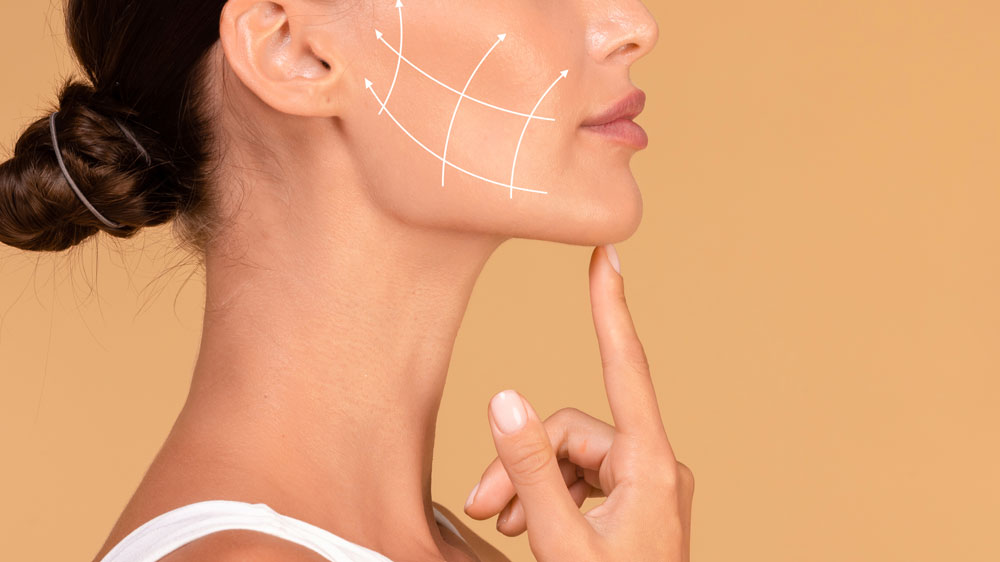
Skin boosters and Profhilo address overall neck skin quality. These treatments hydrate the skin from within. They stimulate collagen and elastin production. Neck lines treatment with Profhilo improves crepey texture, fine lines and skin firmness across the entire neck area. The treatment uses microinjections of fluid hyaluronic acid. The product spreads broadly beneath the skin. Neck lines treatment with Profhilo takes fifteen to twenty minutes. Two sessions are required four weeks apart. Results develop over several weeks. The neck skin appears smoother, firmer and more hydrated. Fine lines soften as skin quality improves. Neck lines treatment with skin boosters does not address deep creases or platysmal bands. It treats the overall skin condition. Patients often combine Profhilo with Botox or filler for comprehensive neck rejuvenation. The skin booster improves the canvas. Other treatments address specific structural concerns.
Neck Lines Treatment with Laser
Laser treatments address texture, fine lines and pigmentation on the neck. Fractional laser creates micro-channels in the skin. This stimulates collagen remodelling beneath the surface. Treatment with laser improves skin quality progressively over multiple sessions. Non-ablative lasers produce mild improvement with minimal downtime. Ablative fractional lasers produce more significant results but require longer recovery. The neck skin is more delicate than the face. Lower energy settings are used. Treatment with laser requires careful parameter selection. Over-treatment risks scarring on the thinner neck skin. IPL treats pigmentation and diffuse redness on the neck effectively. Sun damage spots respond well to light-based treatment. Treatment with laser suits patients with texture concerns, crepiness and sun damage alongside their lines.
Neck Lines Treatment Options Compared
| Treatment | Best For | Results Duration |
| Botox (necklines/Nefertiti) | Horizontal lines, platysmal bands | Three to four months |
| Hyaluronic acid filler | Deep horizontal creases | Six to twelve months |
| Profhilo / skin booster | Crepey skin, fine lines, hydration | Six to twelve months |
| Laser resurfacing | Texture, fine lines, pigmentation | One to three years |
| Radiofrequency / HIFU | Mild laxity, skin tightening | Six to twelve months |
| Microneedling / RF microneedling | Texture, crepiness, collagen | Six to twelve months per course |
Neck lines treatment is most effective when multiple approaches are combined. Botox addresses bands and dynamic creasing. Filler treats deep static lines. Skin boosters improve overall quality. Laser addresses texture and pigmentation. The combination addresses all components of neck ageing. Treating one aspect alone produces incomplete improvement. A comprehensive neck lines treatment plan considers every contributing factor.
Combining Treatments for Comprehensive Neck Lines Treatment
The most satisfying results come from combination approaches. A typical comprehensive treatment plan might include Botox for platysmal bands. Filler addresses the two or three deepest horizontal creases. Profhilo improves overall skin quality across the full neck area. Laser treats any sun damage or textural concerns. These treatments can be performed during the same visit or sequenced over several weeks. Treatment combinations are particularly effective because the neck ages through multiple mechanisms simultaneously. Addressing each mechanism produces synergistic improvement. The result looks more natural and complete than any single treatment alone. Patients in Turkey can combine multiple neck lines treatment modalities within comprehensive aesthetic packages. This integrated approach maximises value during a single treatment visit.
Neck Lines Treatment: Prevention and Maintenance
Prevention is an important complement to treatment. Sun protection is the single most impactful preventive measure. The neck should receive SPF daily. Many patients protect their face but forget the neck. This creates accelerated ageing below the jawline. Neck lines treatment is more effective when prevention is practised consistently. Retinoid skincare applied to the neck stimulates collagen production. Lower concentrations are used than on the face due to thinner skin. Moisturising the neck maintains skin hydration. Reducing screen time or holding devices at eye level reduces repetitive neck folding. Maintaining good posture supports the skin. Neck lines treatment maintenance varies by modality. Botox needs refreshing every three to four months. Filler requires maintenance every six to twelve months. Profhilo courses are repeated every six to twelve months. Laser courses may be repeated annually.
Cost and Availability
Pricing varies by treatment type and location. Botox for neck bands costs one hundred fifty to three hundred pounds in the UK. Filler costs two hundred to four hundred pounds per session. Profhilo costs two hundred fifty to four hundred pounds per session. Laser costs one hundred fifty to four hundred per session. Neck lines treatment in Turkey is priced significantly lower. Combination packages offer strong value. All-inclusive packages simplify planning for international patients. The comprehensive approach to neck lines treatment is more accessible at Turkish pricing. Multiple modalities can be combined within a single visit without the cumulative cost becoming prohibitive. Professional consultation determines the most effective combination for individual neck ageing concerns.
Conclusion
Neck lines treatment encompasses Botox, fillers, skin boosters and laser therapies. Each addresses different aspects of neck ageing. Botox softens bands and dynamic lines. Filler lifts deep creases. Profhilo improves overall skin quality. Laser treats texture and pigmentation. Combining approaches produces the most comprehensive improvement. Neck lines treatment is most effective as part of an ongoing maintenance programme. Prevention through sun protection and skincare supports long-term results. Professional consultation ensures personalised planning. Turkey offers all neck lines treatment options at competitive pricing with experienced practitioners.
For more information about neck lines and to book a consultation visit the ACIBADEM Beauty Center Skin Treatments page.
Frequently Asked Questions
A combination approach works best. Botox, filler and skin boosters each target different concerns.
Botox treats platysmal bands and helps prevent dynamic creasing. It does not fill deep static lines.
Three to twelve months depending on the treatment type. Maintenance sustains improvement.
Yes, with careful settings. The neck skin is thinner and requires lower energy than the face.
Ideally yes. Treating both prevents a visible contrast between the two areas.