Ataşehir Mah. Feza Sk. No:3 İstanbul / Türkiye
 French
  English
  German
  Spanish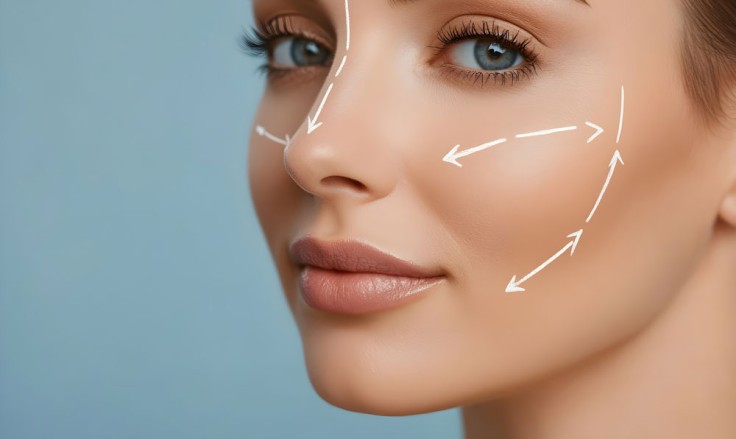
Wrinkle treatments have evolved significantly as aesthetic medicine focuses on precision and natural balance. Accordingly, many patients wonder whether Dermal fillers or botox offer the best solution. Wrinkles form for different reasons depending on facial movement, volume loss, and skin changes. Consequently, choosing the right treatment depends on understanding how each option works. Dermal fillers or botox are not interchangeable treatments despite frequent comparison. Each addresses distinct ageing mechanisms within the face. This article explains how both work, what they treat, and how to decide which suits you.
Understanding Why Wrinkles Form
Wrinkles develop through a combination of muscle movement and structural skin changes. Repeated facial expressions create dynamic lines over time. Meanwhile, ageing leads to collagen loss and reduced skin elasticity. Volume depletion further deepens static wrinkles. Therefore, wrinkles differ in cause and appearance across facial areas. Understanding this distinction helps guide treatment selection accurately. Botox or dermal fillers target different aspects of wrinkle formation. Facial habits, genetics, and environmental exposure further influence how quickly wrinkles become noticeable over time.
What Botox Is Designed to Treat
Botox works by relaxing targeted facial muscles. It reduces repetitive muscle contraction that creates expression lines. Common areas include the forehead, frown lines, and crow’s feet. These wrinkles appear primarily during movement. Botox softens these lines by calming muscle activity. Importantly, Botox does not add volume or fill depressions. Its strength lies in addressing dynamic wrinkles. This makes botox suitable for movement related facial lines.
How Dermal Fillers Address Wrinkles
Dermal fillers restore volume beneath the skin. They are commonly made from hyaluronic acid based materials. Fillers lift and support areas where volume loss has occurred. This action smooths static wrinkles visible at rest. Common treatment areas include smile lines and facial folds. Dermal fillers also support facial contour and structure. Their purpose differs significantly from muscle relaxation treatments.
Dermal Fillers or Botox for Forehead Wrinkles
Forehead wrinkles usually form due to repeated muscle movement. Botox often provides effective softening in this area. Dermal fillers are rarely used for horizontal forehead lines. Adding volume here can disrupt natural movement. Therefore, botox typically suits forehead wrinkles best. This example highlights how wrinkle cause influences treatment choice. Ultimately the selection depends on facial dynamics.
Treating Smile Lines With Botox or Dermal Fillers
Smile lines develop from both volume loss and repeated movement. Dermal fillers often address these lines more effectively. They lift the folds and restore midface support. Botox may be used sparingly to balance muscle pull. However, fillers usually provide primary correction. This demonstrates how combined assessment guides treatment planning. Dermal fillers or botox may sometimes work together strategically.

Dynamic Versus Static Wrinkles Explained
Dynamic wrinkles appear during facial expression. Static wrinkles remain visible even at rest. Botox targets dynamic wrinkles by calming muscle movement. Dermal fillers address static wrinkles by restoring structure. Identifying wrinkle type remains essential. Specialists assess facial movement patterns carefully. This evaluation determines whether botox or dermal fillers suit each area.
How Specialists Decide Between Dermal Fillers or Botox
Consultation involves observing facial movement and resting appearance. Practitioners assess skin quality and volume distribution. They also consider patient goals and lifestyle. Some patients prefer subtle softening. Others want visible volume restoration. Specialists then recommend either of the two treatments accordingly. Personalisation ensures balanced, natural results. No single treatment suits all wrinkle types.
Can Dermal Fillers and Botox Be Combined
In some cases, combining treatments produces optimal results. Botox relaxes muscles causing wrinkles. Dermal fillers restore lost volume simultaneously. This approach addresses multiple ageing factors together. Combination treatment requires careful planning and restraint. Specialists sequence treatments strategically. When done correctly, results appear harmonious rather than overtreated. Botox or dermal fillers may complement each other effectively.
Longevity Differences Between Botox or Dermal Fillers
Botox effects typically last several months. Muscle activity gradually returns over time. Dermal fillers often last longer depending on product and placement. Longevity varies based on metabolism and facial movement. Specialists discuss maintenance expectations during consultation. Understanding duration helps patients plan treatment schedules. Longevity differences influence choice between the two treatments.
How Treatment Goals Influence Choice
Some patients seek wrinkle softening without changing facial shape. Others want restored contours and support. Botox suits patients prioritising expression refinement. Dermal fillers suit those addressing volume loss. Treatment goals guide decision making strongly. Specialists align recommendations with these goals. Clear communication ensures satisfaction with outcomes from either treatment.
Age Related Considerations When Choosing Treatment
Younger patients often develop dynamic wrinkles first. Botox may suit early intervention effectively. As ageing progresses, volume loss becomes more noticeable. Dermal fillers may then play a larger role. Treatment needs evolve with time. Specialists adapt plans accordingly. Age influences but does not dictate dermal fillers or botox suitability alone.
Natural Results and Modern Aesthetic Philosophy
Modern aesthetics prioritise subtle, natural looking outcomes. Overcorrection has become less desirable. Both dermal fillers or botox can achieve understated results when used conservatively. Technique and experience influence outcome quality significantly. Patients increasingly value balance and restraint. This philosophy shapes current treatment planning approaches.
The Importance of Choosing an Experienced Provider
Experience matters greatly when selecting between dermal fillers or botox. Facial anatomy knowledge ensures safe, balanced results. Skilled practitioners understand how treatments interact. They avoid unnecessary product use. Consultation quality reflects provider expertise. Patients benefit from transparent guidance. Choosing experience supports predictable and satisfying outcomes.
Dermal Fillers or Botox in Turkey and Patient Interest
Turkey has become a recognised destination for aesthetic treatments. Clinics offer experienced specialists and advanced facilities. International patients value comprehensive consultation and care. Botox or dermal fillers treatments benefit from this professional environment. Transparent planning supports confidence. This global interest continues growing steadily.
Long Term Planning With Injectable Treatments
Injectable treatments work best within long term aesthetic planning. Specialists reassess facial changes over time. Treatment focus may shift between dermal fillers or botox. This adaptability supports natural ageing gracefully. Patients appreciate evolving strategies rather than fixed routines. Long term planning prevents over treatment for patients.
Why One Wrinkle Area Rarely Tells the Full Story
Wrinkles rarely exist in isolation across the face. Movement in one area often influences another subtly. For example, forehead tension can affect eyebrow position and eye expression. Similarly, volume loss in the midface can deepen lines elsewhere. This interconnected structure means treating a single wrinkle may not deliver balanced results. Specialists therefore assess the entire face rather than focusing narrowly. This broader evaluation helps determine whether dermal fillers or botox will work best overall. Patients often benefit from understanding how facial areas interact. Addressing harmony rather than isolated lines leads to more natural rejuvenation. This holistic approach has become central to modern aesthetic planning.
How Skin Quality Influences Dermal Fillers or Botox Choice
Skin quality plays a significant role when choosing between botox or dermal fillers. Thinner skin may show movement related wrinkles more prominently. Thicker skin may conceal lines but reveal volume loss instead. Hydration levels and elasticity also influence wrinkle appearance. Botox works well when skin quality remains relatively strong. Dermal fillers become more important as structural support declines. Specialists assess texture, thickness, and resilience during consultation. This assessment shapes treatment strategy significantly. Understanding skin quality helps avoid inappropriate treatment choices. Balanced results depend on matching technique to skin condition.
Managing Expectations With Botox or Dermal Fillers Treatments
Managing expectations forms an essential part of successful aesthetic treatment. Dermal fillers or botox offer refinement rather than dramatic transformation. Results develop gradually rather than instantly redefining appearance. Specialists explain realistic outcomes clearly during consultation. This clarity builds trust and satisfaction. Patients often appreciate subtle improvements that maintain recognisable features. Over time, these changes accumulate naturally. Maintenance planning further supports long term results. Understanding limitations prevents disappointment and over treatment. When expectations align with treatment capability, satisfaction increases significantly. This alignment underpins responsible aesthetic care.
Conclusion
Choosing between dermal fillers or botox depends on wrinkle type, facial movement, and personal goals. Botox softens expression driven wrinkles effectively. Dermal fillers restore volume and smooth static lines. Consultation ensures accurate assessment and personalised planning. Both treatments offer refined results when used appropriately. Understanding their differences supports confident decision making.
For more information and to book a consultation visit the ACIBADEM Beauty Center Botox or Dermal Fillers webpage.
Frequently Asked Questions
It depends on whether wrinkles are caused by movement or volume loss.
Yes, they are often combined for balanced facial rejuvenation.
Properly administered treatments preserve natural expression.
Botox lasts several months while fillers often last longer.
Specialists assess facial anatomy and goals during consultation.