Ataşehir Mah. Feza Sk. No:3 İstanbul / Türkiye
 English
Introduction
Bella Hadid has become one of the world's most recognisable fashion models. Consequently, her facial appearance has attracted considerable attention throughout her career. Fans have discussed her nose, eyes, cheeks and overall facial structure extensively. However, the Bella Hadid nose job is unusual among celebrity surgery stories. Hadid has personally confirmed undergoing rhinoplasty when she was 14 years old.
Years later, Hadid publicly expressed regret about changing her natural nose. She explained that she wished she had kept features connected with her family heritage. Her comments provided rare insight into experiencing cosmetic surgery at such a young age. They also raised wider questions about identity, maturity and long-term satisfaction.
However, Hadid has disputed many other cosmetic surgery rumours. She has denied undergoing several procedures commonly attributed to her online. Consequently, confirmed information should remain separate from speculation about her wider appearance. This article examines Bella Hadid's nose job regret and her own comments. It also explores rhinoplasty, teenage surgery and the importance of realistic expectations.
Bella Hadid Nose Job: What Has She Confirmed?
Hadid confirmed her rhinoplasty during a 2022 interview with Vogue. She revealed that she underwent the procedure when she was 14. This disclosure ended years of speculation about whether her nose had been surgically altered. However, her comments also demonstrated that confirmation does not necessarily mean long-term satisfaction.
Hadid said she regretted changing the nose she inherited from her ancestors. She suggested she believed she would eventually have grown into her natural features. Consequently, the Bella Hadid nose job became widely discussed beyond ordinary celebrity surgery speculation.
Her comments highlight how perceptions of appearance can change during adolescence. Features someone dislikes at 14 may feel very different during adulthood. Facial proportions also continue developing during the teenage years. Therefore, cosmetic decisions made during adolescence require particularly careful consideration.
Importantly, Hadid's confirmation only relates to rhinoplasty. It should not become evidence that every other procedure attributed to her occurred. Her own statements provide a clear boundary between confirmed surgery and online assumptions.
Why Did Bella Hadid Regret Her Nose Job?
Hadid's regret appears closely connected with identity and family heritage. Her original nose represented characteristics inherited from her family. Years after surgery, she expressed sadness about losing that connection. Consequently, her experience demonstrates how cosmetic surgery can carry emotional meaning beyond physical appearance.
Rhinoplasty permanently changes nasal structures. Although revision surgery is possible, it cannot simply restore someone's exact original nose. Therefore, patients should consider how they may feel about permanent changes later. This becomes particularly relevant when surgery occurs during adolescence.
Beauty standards also change considerably over time. A feature considered undesirable during one period may later become celebrated. Likewise, individual attitudes towards inherited characteristics can evolve with age. Someone may eventually value a feature they previously wanted to change.
The Bella Hadid nose job story therefore raises questions about long-term decision-making. Cosmetic surgery should reflect stable personal motivations rather than temporary trends or external pressures. Patients also need enough maturity to understand the permanence of structural changes.
Teenage Rhinoplasty and Facial Development
The age of Hadid's surgery attracted considerable attention after her disclosure. At 14, many facial structures are still developing. Consequently, surgeons considering teenage rhinoplasty must assess physical development carefully alongside emotional maturity.
Nasal growth does not finish at exactly the same age for everyone. Biological development varies considerably between individuals. Therefore, chronological age alone cannot determine whether someone is physically ready for surgery. Surgeons must consider growth, anatomy and the reason for treatment.
Functional problems can sometimes justify nasal surgery during adolescence. Significant breathing difficulties, trauma or congenital abnormalities may require earlier intervention. Cosmetic motivations require different considerations, particularly when there is no medical urgency.
Emotional maturity is equally important. Teenagers can experience considerable pressure surrounding appearance. Social environments and changing beauty ideals may influence how young people view their features. Consequently, surgeons should explore whether concerns are stable and personally motivated.
How Rhinoplasty Changes the Nose
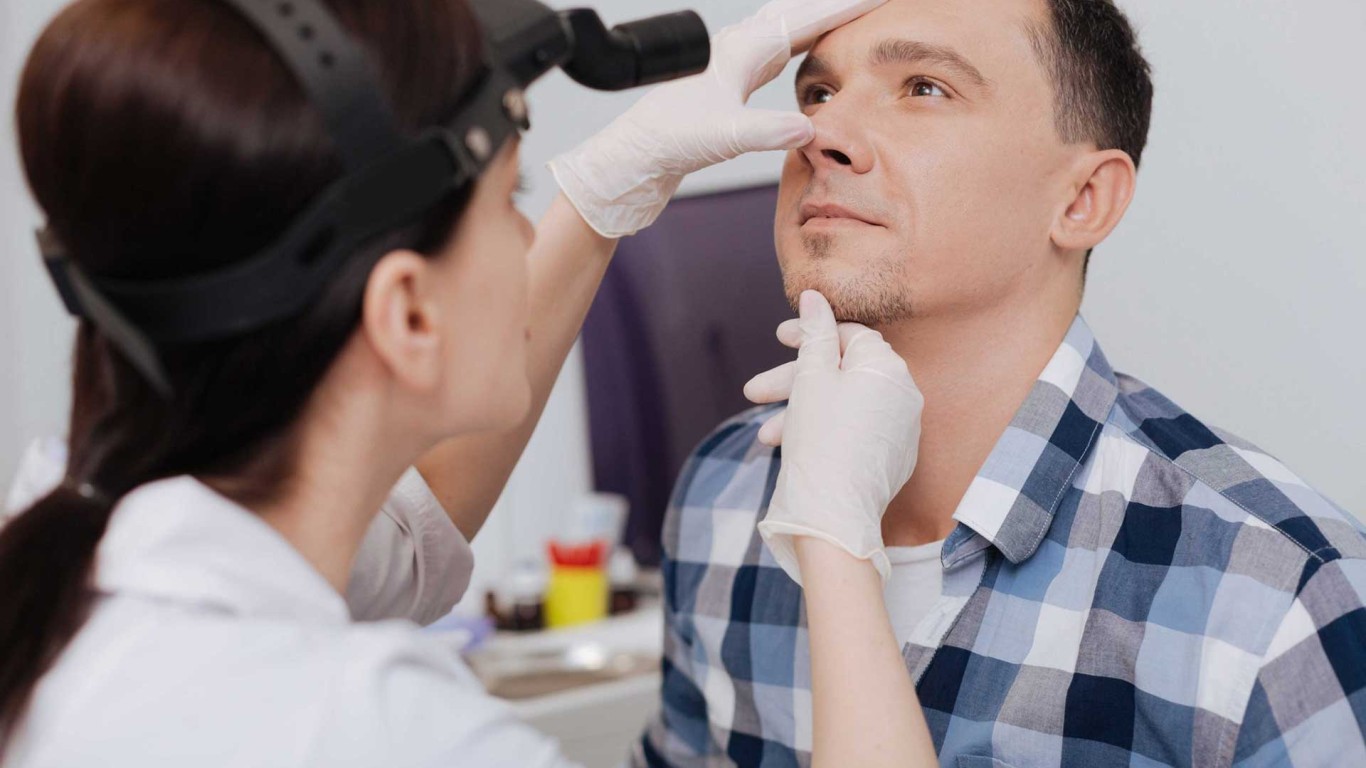
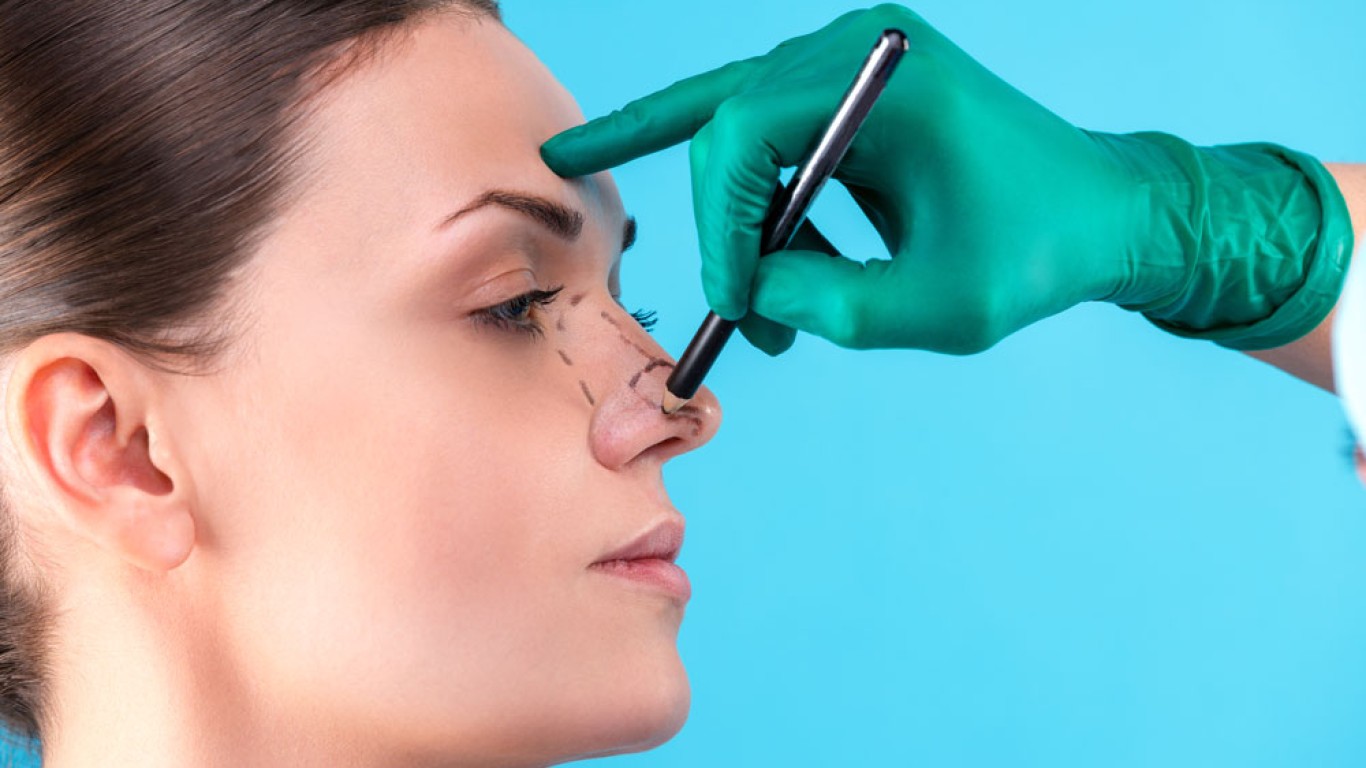
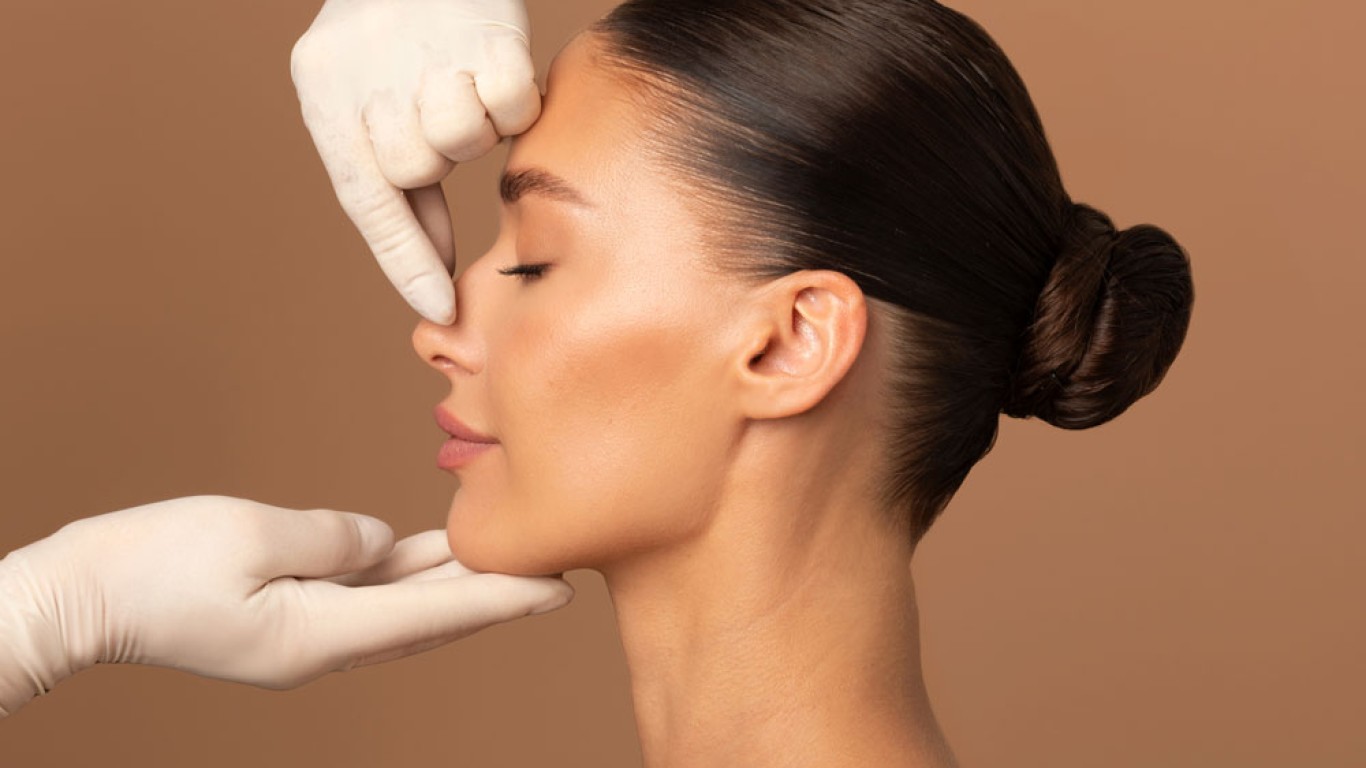
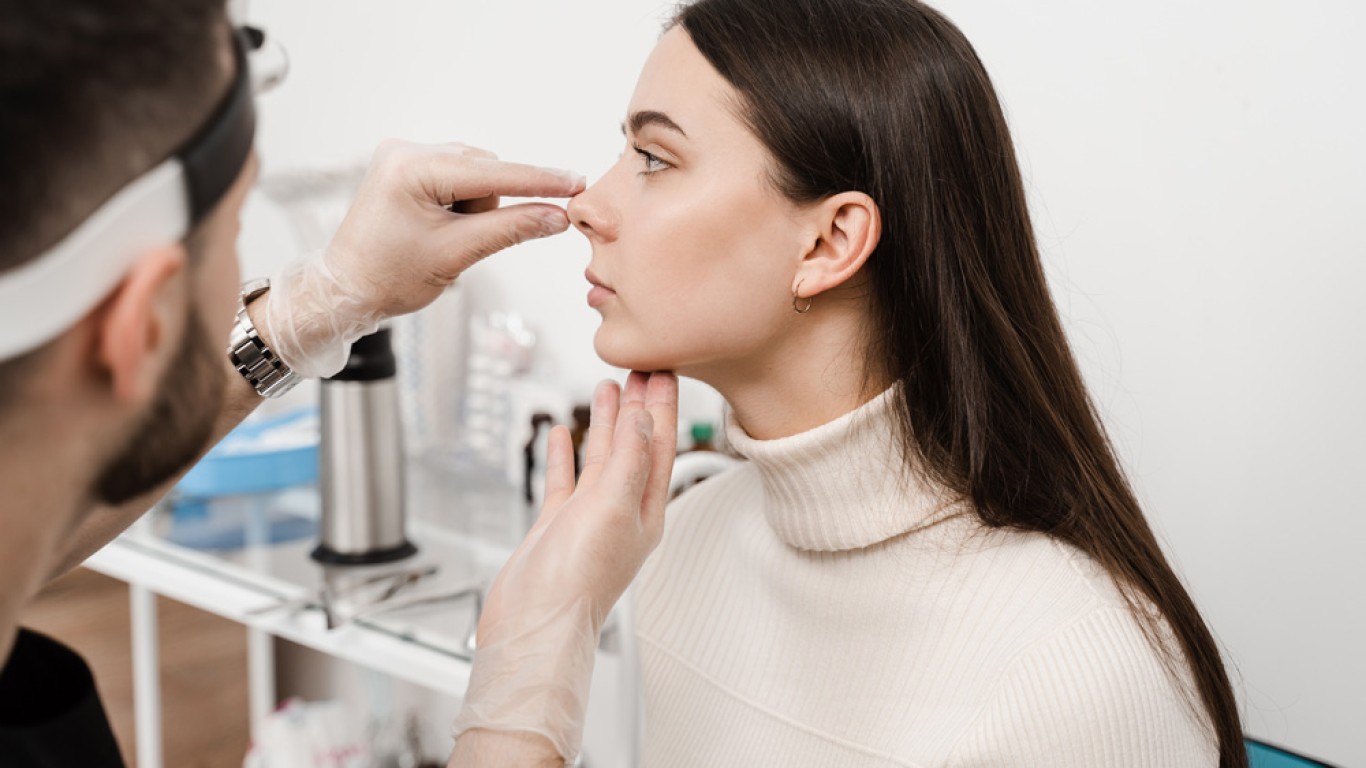
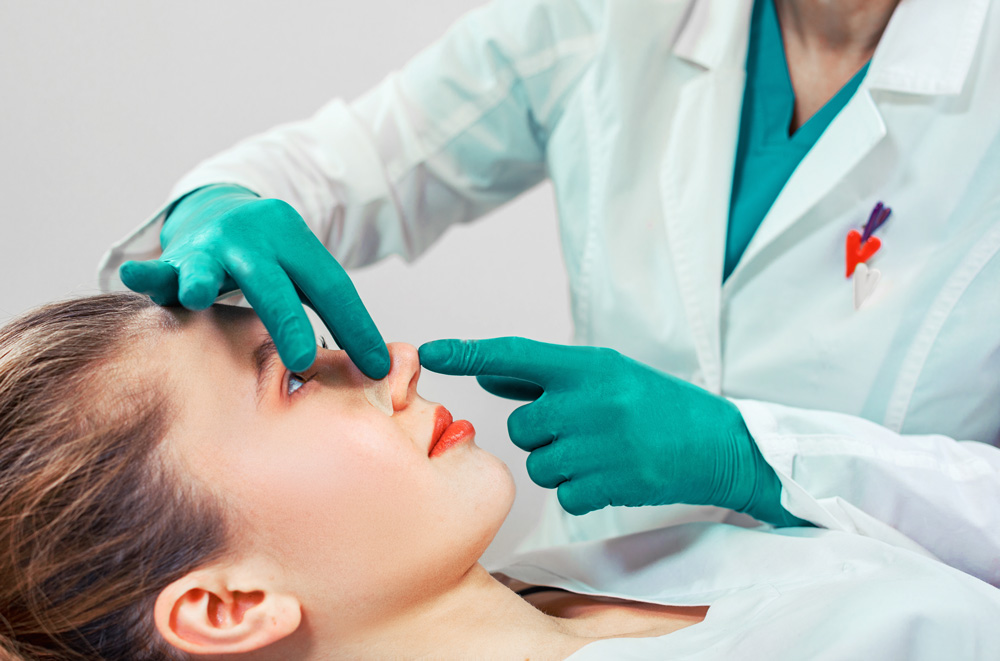
Rhinoplasty can modify several parts of the nose. Depending on individual anatomy, surgeons may reshape the bridge, tip or nostrils. They may also change nasal projection or overall proportions. However, successful treatment should consider the entire face rather than one feature alone.
During surgery, bone and cartilage may be reshaped or repositioned. Some techniques preserve more existing structures than traditional reduction approaches. Meanwhile, cartilage grafts can provide additional support when required. The chosen technique depends on anatomy and treatment goals.
Modern rhinoplasty often prioritises structural stability alongside appearance. The nose performs an essential breathing function. Consequently, cosmetic changes should not compromise airflow or long-term support. Functional assessment therefore forms an important part of surgical planning. Recovery also develops gradually. Initial swelling usually reduces during the early recovery period. However, residual swelling can remain for considerably longer. Final nasal definition may take many months to become apparent.
The experience surrounding the Bella Hadid nose job also demonstrates another important consideration. Technically successful surgery does not guarantee lifelong emotional satisfaction. Patients must feel comfortable with the permanent change itself.
Conclusion
The Bella Hadid nose job is confirmed rather than simply a celebrity rumour. Hadid revealed that she underwent rhinoplasty at 14. Years later, she expressed regret about changing the nose inherited from her family.
Her comments provide important insight into cosmetic surgery during adolescence. Personal identity and attitudes towards appearance can evolve significantly with age. Consequently, permanent procedures require careful consideration, particularly for younger patients.
Hadid's disclosure does not confirm the many other procedures attributed to her. Facial maturation, makeup, styling and professional photography can explain some apparent differences. Therefore, each cosmetic claim should be considered separately.
Rhinoplasty can create balanced and satisfying results for appropriately selected patients. However, realistic expectations and stable motivations remain essential. Treatment should preserve individuality while addressing concerns that genuinely matter to the patient.
For more information on cosmetic surgery in Turkey, and to book a consultation, visit the ACIBADEM Beauty Center webpage.
Frequently Asked Questions
Yes. Hadid publicly confirmed undergoing rhinoplasty when she was 14 years old.
Hadid has expressed regret about changing her original nose. She particularly discussed losing a feature connected with her ancestry.
Generally, no. Revision rhinoplasty can address concerns, but it cannot reliably recreate someone's exact original nasal anatomy.
Hadid has disputed several additional cosmetic surgery claims. Her confirmed rhinoplasty does not prove other procedures occurred.
Patients should consider motivations, facial proportions, risks and realistic expectations. They should also understand that structural changes are permanent.