Ataşehir Mah. Feza Sk. No:3 İstanbul / Türkiye
 French
  English
  German
  Spanish
Introduction
Aesthetic harmony depends largely on balanced structure rather than isolated features or trends. Facial proportion plays a central role in how the face is perceived as a whole. Even subtle imbalances can influence symmetry, visual flow and overall attractiveness. Modern treatment planning focuses on enhancing proportion instead of changing identity or following temporary aesthetic fashions. The goal is refinement that appears natural, cohesive and appropriate for the individual. By analysing structural relationships rather than single features, practitioners can create predictable and harmonious outcomes. Understanding structural balance is the foundation of successful aesthetic intervention.
What Is Facial Proportion?
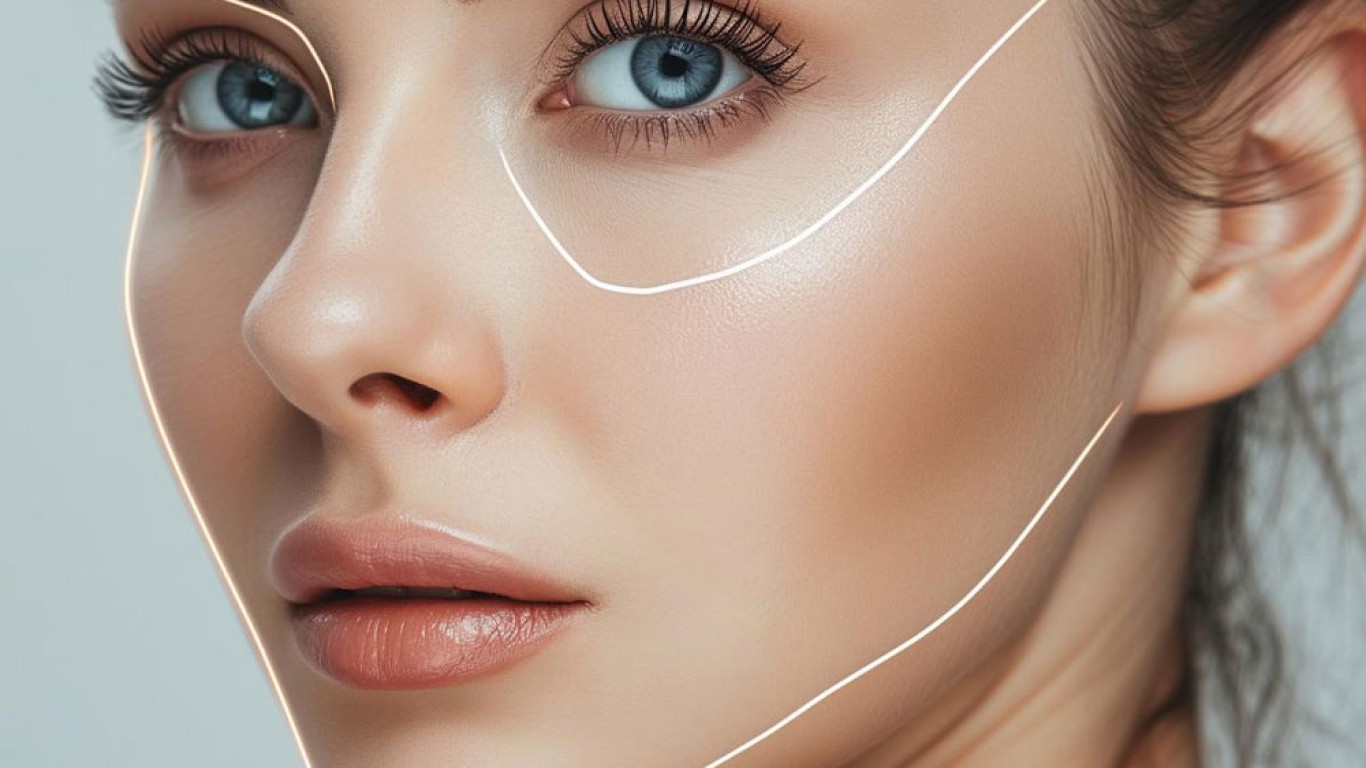
Facial proportion refers to the relationship between facial features and the overall face framework. It considers vertical balance between forehead, midface and lower face, as well as horizontal symmetry. Width, height, projection and contour are evaluated together rather than separately. Classical proportion theories often reference the rule of thirds or the golden ratio. However, modern planning adapts these principles to individual anatomy and ethnic characteristics. Proportion is personalised rather than formulaic, recognising that beauty standards vary. The objective is balance, not uniformity.
Why Facial Proportion Matters in Aesthetic Treatment
Treating one feature without considering overall balance can unintentionally disrupt harmony. For example, enhancing lips excessively may overpower the midface and alter natural proportion. Facial proportion ensures that changes align with structural context and facial dynamics. Subtle adjustments to chin projection or cheek volume can improve overall symmetry significantly. Balanced planning avoids exaggerated or artificial results that draw attention to the procedure itself. The objective is integration rather than isolated enhancement. When proportion guides treatment, improvements appear refined and cohesive.
Facial Proportion And The Role of Bone Structure
Underlying bone structure provides the essential framework for facial balance and proportion. Cheekbones, jawline definition and chin projection influence how features relate to one another. Treatment planning must respect skeletal anatomy and structural limitations. Facial proportion cannot be corrected solely through surface-level intervention when underlying imbalance exists. Structural awareness guides realistic enhancement and prevents overcorrection. In some cases, surgical solutions may be considered to address foundational discrepancies. Personal anatomy ultimately determines suitable options and achievable outcomes.
Soft Tissue and Volume Distribution
Fat distribution, skin thickness and elasticity affect contour and perceived proportion. Ageing often alters volume in the cheeks, temples and under-eye region. Facial proportion shifts gradually as tissues descend and collagen decreases. Restoring lost volume can re-establish harmony and structural support. Overcorrection must be avoided to maintain authenticity and avoid distortion. Careful layering of fillers or fat grafting supports subtle refinement. The balance between structure and softness defines natural-looking rejuvenation.
Facial Proportion: Assessing Profile Balance
Profile analysis is an essential component of comprehensive treatment planning. Chin projection, nose shape and forehead slope interact visually from the side view. Facial proportion is evaluated from both frontal and lateral perspectives to ensure cohesive harmony. Improving profile balance may require combined approaches rather than isolated changes. Subtle chin augmentation or nasal refinement can transform overall balance significantly. Balanced planning enhances side-view definition while preserving natural expression.
Non-Surgical Approaches to Facial Proportion
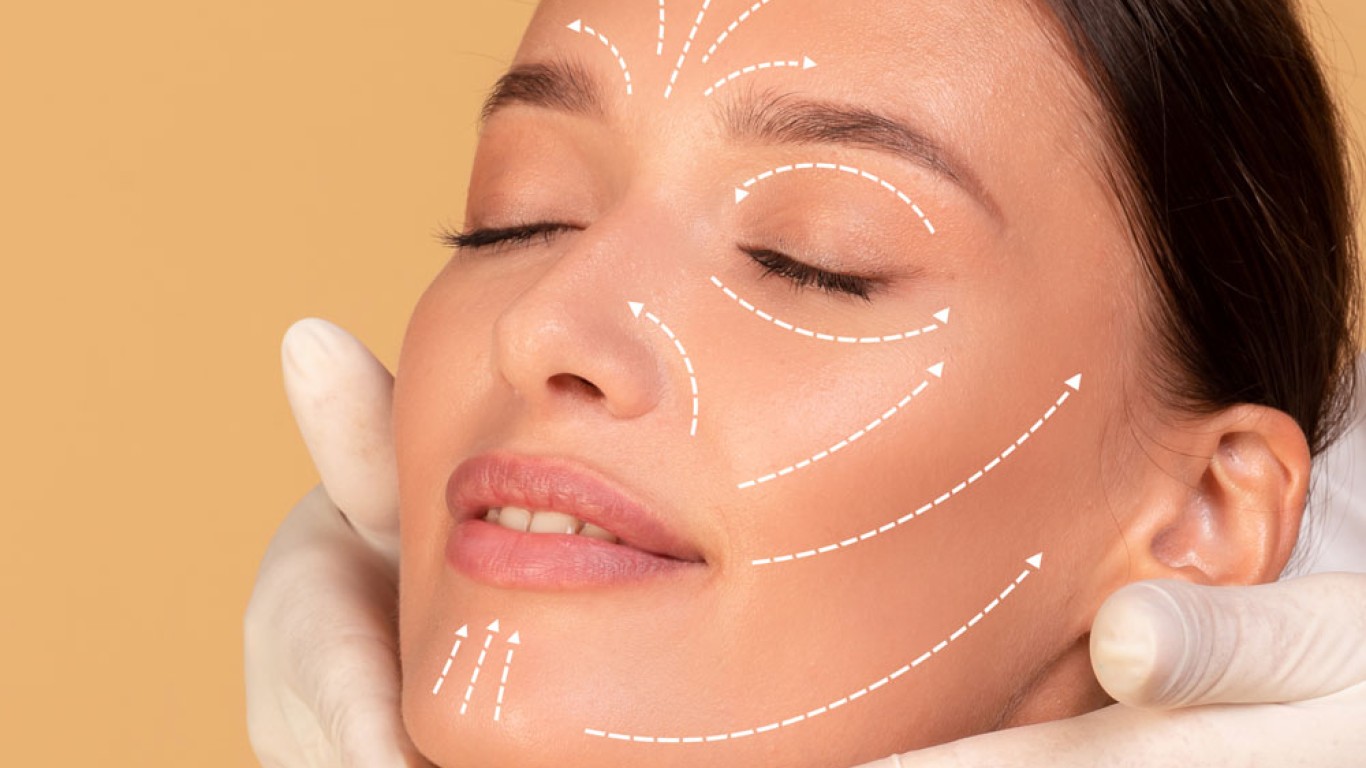
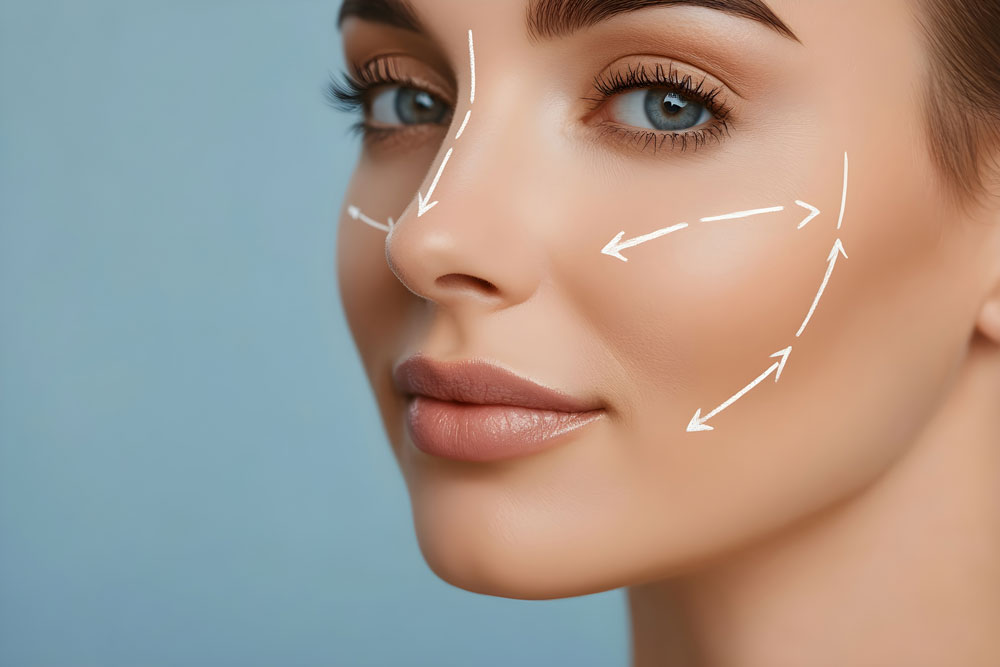
Injectable treatments can refine volume distribution strategically and conservatively. Dermal fillers enhance contour in targeted areas such as cheeks, chin or jawline. Botulinum toxin may soften muscular imbalance affecting symmetry. Facial proportion can be improved gradually with staged, measured adjustments. Non-surgical methods allow flexibility and incremental refinement. Precision placement ensures natural integration without abrupt change. Conservative dosing preserves movement and authenticity.
Surgical Approaches to Structural Balance
Some cases require surgical intervention to achieve optimal proportional correction. Rhinoplasty, chin augmentation or jawline reshaping may improve overall balance significantly. Surgical planning focuses on harmonising features rather than dramatic alteration. Facial proportion guides incision placement, projection goals and contour refinement. Conservative technique preserves identity and avoids overcorrection. Long-term structural stability remains the priority.
Individualised Planning in Modern Practice
No two faces share identical proportions, making personalisation essential. Digital imaging supports detailed measurement and visual simulation before intervention. Facial proportion assessment includes anatomical analysis alongside patient goals. Cultural background and aesthetic preference are considered during planning. Treatment plans are customised rather than standardised. Collaboration between patient and practitioner ensures alignment and clarity. Personalised planning improves both satisfaction and predictability.
Why Many Patients Choose Turkey for Facial Proportion Planning
Turkey offers experienced practitioners skilled in structural analysis and balanced treatment planning. Comprehensive consultation supports proportion-based evaluation before any intervention. Facial proportion is assessed holistically rather than focusing on isolated features. Modern facilities provide advanced imaging and surgical tools. Patients value personalised strategies, transparent communication and natural outcomes. Expertise in proportion-driven planning enhances long-term satisfaction.
Vertical Thirds and Their Influence on Balance
The concept of vertical thirds remains fundamental when analysing proportions of the face. The face is traditionally divided into three equal sections: forehead to brow, brow to base of nose and base of nose to chin. Disproportion in one third can influence the perception of overall harmony. For example, a shorter lower third may make the chin appear recessed. Conversely, an elongated lower third can affect lip balance. Treatment planning evaluates these segments carefully. Subtle adjustments restore visual equilibrium without exaggeration.
Horizontal Fifths and Symmetry Assessment
Horizontal balance is equally important in evaluating proportions of the face. The face can be visually divided into five vertical sections across its width. Ideally, each segment maintains relative proportional consistency. Asymmetry between these zones can influence perceived attractiveness. Minor imbalances are natural and common. Treatment planning focuses on soft correction rather than rigid symmetry. Enhancing balance gently preserves authenticity while improving overall structure.
Midface Projection and Youthful Contour
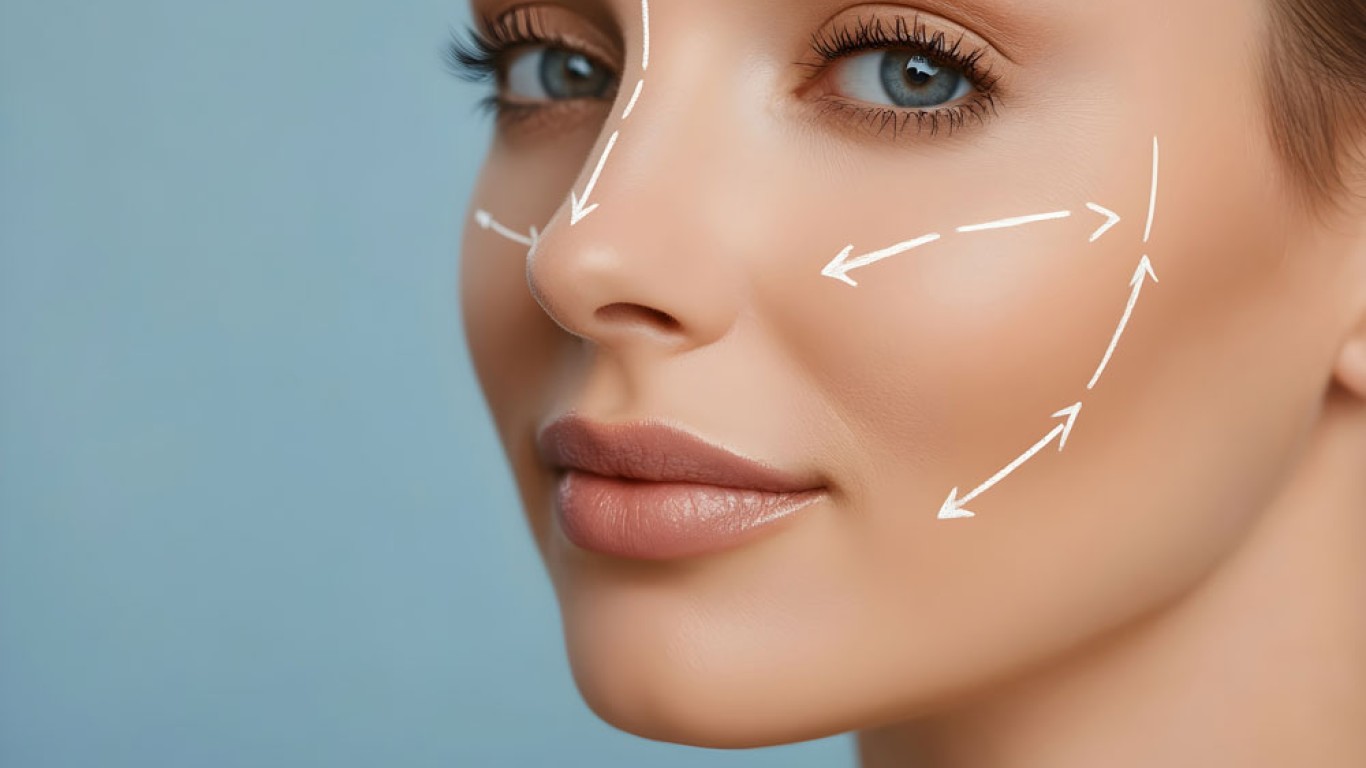
Midface projection significantly influences the proportion of the face and perceived age. Loss of volume in the cheek area can create flattening and shadowing. This affects how light reflects across the face. Restoring projection improves structural balance between the upper and lower face. Careful volumisation supports cheek contour without widening the face excessively. Controlled enhancement maintains natural proportion. Midface planning often plays a central role in rejuvenation strategies.
Chin and Jawline as Structural Anchors
The chin and jawline provide foundational support for face proportions. A recessed chin can disrupt profile harmony even when other features are balanced. Enhancing projection through fillers or implants may restore equilibrium. Jawline refinement strengthens lower facial definition. However, over-enhancement may appear disproportionate. Strategic adjustment ensures balance between strength and softness. Structural anchoring creates cohesive harmony across the face.
Lip Balance and Perioral Harmony
Lip enhancement must align with surrounding facial dimensions. Face proportion considers the relationship between lips, chin and nose. Overfilling lips can distort lower facial balance. Subtle contour improvement maintains proportion within the lower third. Attention to lip width and projection supports natural movement. Balanced perioral refinement enhances overall aesthetic flow.
Eye Position and Upper Face Dynamics
Eye spacing, brow position and forehead contour contribute to upper facial balance. Facial Face proportional analysis includes distance between the eyes and brow height. Subtle brow lift or eyelid correction may improve harmony. Adjustments must remain conservative to preserve expression. Upper face planning integrates structural and soft tissue evaluation. Coordinated refinement enhances openness without altering identity.
Ageing and Shifting Proportions
Face proportions change gradually with ageing due to volume loss and tissue descent. The lower face may appear heavier while midface volume decreases. These shifts alter the natural balance established in youth. Treatment planning considers restoration rather than reinvention. Subtle lifting and volume redistribution can re-establish equilibrium. Age-appropriate refinement preserves natural character.
Ethnic Considerations in Facial Proportion Planning
Face proportions standards vary across ethnic backgrounds. Treatment planning must respect anatomical diversity and cultural identity. Applying universal templates may lead to unnatural results. Proportion should enhance inherent characteristics rather than alter them. Personalised assessment ensures cultural harmony. Respect for diversity supports authentic outcomes.
Dynamic Proportion During Expression
Facial balance is not static and changes during movement. Smiling, speaking and blinking alter proportions temporarily. Treatment planning considers dynamic expression alongside static structure. Excessive filler or tightening can restrict natural motion. Preserving flexibility ensures authentic facial behaviour. Balanced intervention maintains harmony during both rest and movement.
Measurement Tools and Modern Imaging
Advanced imaging tools assist in analysing face proportion objectively. Digital mapping allows precise measurement of angles and distances. Simulations support patient understanding of potential outcomes. However, clinical judgement remains essential. Measurements guide but do not dictate decisions. Integrating technology with artistic expertise enhances planning accuracy.
Long-Term Strategy in Proportion Management
Face proportion planning should consider long-term ageing patterns. Gradual maintenance prevents abrupt changes over time. Staged treatment allows subtle refinement rather than dramatic transformation. Periodic reassessment adapts to evolving anatomy. Sustainable planning ensures harmony remains consistent. Long-term perspective protects natural appearance.
Conclusion
Face proportion is central to achieving natural and harmonious aesthetic results. Treatment planning must consider structural relationships, bone framework and soft tissue balance rather than isolated features. Whether through non-surgical refinement or surgical intervention, proportion guides thoughtful enhancement. With personalised assessment and precise technique, patients achieve balanced improvement. The procedure respects individuality and preserves identity.
For more information and to book a consultation visit the ACIBADEM Beauty Center Aesthetics webpage.
Frequently Asked Questions
It is the balance between facial features and overall structure.
It ensures natural and harmonious results.
Yes, when planned conservatively.
No, many cases respond to non-surgical refinement.
Through measurement, visual analysis and profile evaluation.