Ataşehir Mah. Feza Sk. No:3 İstanbul / Türkiye
 French
  English
  German
  Spanish
Introduction
Rhinoplasty is one of the most commonly performed cosmetic procedures. Most patients are happy with their results. However, some experience dissatisfaction after surgery. Nose job regret can range from mild disappointment to significant distress. The feelings may appear immediately or develop over weeks. Understanding why regret occurs and what options exist helps patients navigate this difficult experience. This article explains the common causes of nose job regret. It also covers when to wait, when to seek help and what solutions are available.
Why Nose Job Regret Happens
Several factors contribute to post-rhinoplasty dissatisfaction. Swelling is the most common cause of early regret. The nose does not look like the expected result. It appears wide, round or undefined. Patients forget that final results take twelve to eighteen months. Early appearance during swelling does not reflect the finished outcome. Unrealistic expectations before surgery also contribute. Some patients expect a perfect nose. Perfect symmetry is not achievable in any surgical procedure. Regret also occurs when the result does not match the patient's mental image. Communication gaps during consultation can leave expectations misaligned. Occasionally, genuine surgical problems cause justified dissatisfaction. Asymmetry, breathing difficulty or an unnatural appearance may result from technical issues. Each cause requires a different response.
Nose Job Regret During Early Recovery: Is It Normal?
Yes. Early regret is extremely common. Studies suggest that a significant proportion of patients feel anxious or unhappy during the first weeks after rhinoplasty. This is normal. The nose is swollen. Bruising distorts the facial appearance. The splint conceals the result. When the splint is removed at day seven, the nose looks nothing like the intended outcome. Regret at this stage is almost always premature. The nose has not healed. Swelling masks the underlying refinement. Patients who understand rhinoplasty swelling stages cope better during this period. Most patients who feel regret at week one feel very differently by month three. The improvement between week one and month three is dramatic. Patience during early recovery is the most important advice for anyone experiencing regret.
When Nose Job Regret Is Premature
Evaluating rhinoplasty results before healing is complete leads to unnecessary distress. The nose continues changing for twelve to eighteen months. Regret at any point before month six is usually premature. The tip is the last area to refine. It may appear bulbous or rounded for many months. This does not indicate a problem. Thick nasal skin resolves swelling more slowly. Patients with thick skin should expect an extended timeline. Regret based on tip appearance at month two or three is almost always too early. The bridge settles faster. Profile improvement becomes visible within weeks. But the tip requires patience. Seasonal and daily swelling fluctuations are normal during the first year. The nose may look different morning versus evening. This variation resolves as healing completes. Patients experiencing nose job regret should photograph monthly and compare over time rather than judging daily.
Legitimate Concerns After Rhinoplasty
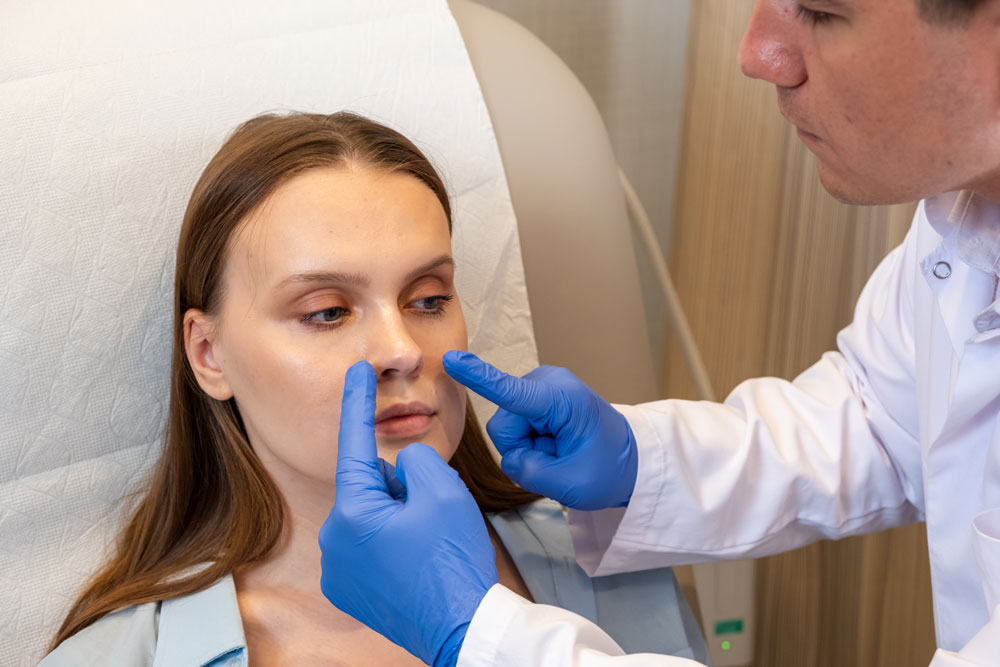
Not all regret is premature. Some concerns warrant professional assessment. Significant asymmetry that does not improve over several months may indicate a structural issue. Breathing difficulty that was not present before surgery should be evaluated. A nose that appears obviously unnatural may reflect over-correction. Collapse of the nasal valve can cause functional problems. regret based on these concerns is valid. Patients should raise them with their surgeon. An honest, experienced surgeon acknowledges when results have not met expectations. They discuss what can be done. A follow-up consultation allows the surgeon to assess the issue directly. Most surgeons include follow-up appointments within the original treatment plan. Patients should use these appointments to discuss concerns openly rather than suffering in silence.
What to Do If You Experience Nose Job Regret
The first step is to wait. Most regret resolves as swelling settles. Give the nose at least twelve months before making judgments. Continue attending follow-up appointments. Communicate concerns to the surgeon clearly. Ask for an honest assessment of the healing progress. People often benefit from a second opinion. Another experienced rhinoplasty surgeon can evaluate the result independently. They provide objective feedback on whether the concern is related to ongoing swelling or a genuine issue. Support from friends, family or a counsellor helps manage the emotional impact. Body image concerns after surgery are common. They do not indicate weakness. Nose regret is a recognised experience. Many patients navigate it successfully with time and professional support. Avoid obsessive mirror checking. Limit photograph comparison to monthly intervals. Focus on healing rather than evaluation during the first year.
Revision Rhinoplasty for Nose Job Regret
Revision rhinoplasty corrects issues from a previous procedure. It is more complex than primary rhinoplasty. Scar tissue from the first surgery changes the tissue characteristics. Cartilage may have been weakened or removed. Grafting material may be needed. Regret that persists after eighteen months may warrant revision discussion. The revision surgeon assesses the structural anatomy. They identify what can be improved. Not every concern is correctable. Revision has limitations. Realistic expectations are essential. Regret patients should choose a revision rhinoplasty specialist. Experience with secondary procedures is different from primary rhinoplasty expertise. The surgeon should demonstrate extensive revision before-and-after photographs. At least twelve to eighteen months must pass before revision is performed. Operating on tissue that has not fully healed increases complication risk significantly.
Non-Surgical Options for Nose Job Regret
Some post-rhinoplasty concerns can be addressed without further surgery. Dermal filler can correct minor irregularities. Small bumps or depressions respond to strategic filler placement. Nose job regret caused by asymmetry may be improved with non-surgical adjustment. Filler can disguise minor contour differences. The treatment is quick. Results are immediate and reversible. Filler lasts six to eighteen months. It provides a non-committal solution while patients decide about revision surgery. Nose job regret related to breathing may require functional assessment. Nasal steroid sprays may improve mild obstruction. Nasal valve collapse may need surgical repair. However, not all functional concerns require revision rhinoplasty. The treating surgeon or an ENT specialist can evaluate whether conservative management is appropriate before considering further surgery.
Preventing Nose Job Regret Before Surgery
Prevention begins during the planning phase. Choose an experienced rhinoplasty surgeon with extensive results. Review before-and-after photographs of patients with similar nasal anatomy. Discuss goals thoroughly during consultation. Use digital imaging to preview the expected outcome. Ensure the surgeon understands exactly what you want changed. Ask what the limitations are. Nose job regret is more common when expectations are vague or unrealistic. The surgeon should set clear, honest expectations. A surgeon who promises perfection is a warning sign. No surgery produces a perfect result. Communication quality during consultation predicts patient satisfaction strongly. Patients who feel heard and understood report higher satisfaction. Those who feel rushed or dismissed are more likely to experience nose job regret. Take time with the decision. A well-planned rhinoplasty with a skilled surgeon produces the best chance of a satisfying outcome.
Emotional Support During Nose Job Regret
The emotional impact of nose job regret should not be underestimated. The nose is central to facial identity. Changes to nasal appearance affect how patients see themselves. Nose job regret can trigger anxiety, low mood and social withdrawal. These feelings are valid. They are not unusual. Many patients experience some degree of post-surgical emotional adjustment. Talking about the experience helps. The feelings typically improve as healing progresses and the result refines. Most patients who experience early nose job regret go on to feel satisfied with their result once swelling has fully resolved. The emotional journey is part of the recovery process.
Conclusion
Nose job regret is a common experience during rhinoplasty recovery. Early dissatisfaction is usually caused by swelling rather than a genuine problem. Patience is the most important response during the first twelve months. Legitimate concerns should be discussed with the surgeon openly. Revision rhinoplasty corrects structural issues once healing is complete. Non-surgical filler offers a less invasive option for minor irregularities. Nose job regret is best prevented through careful surgeon selection and thorough pre-operative communication. Professional support helps patients navigate the emotional impact. Most patients who experience early nose job regret ultimately feel satisfied with their final result.
For more information about nose jobs and to book a consultation visit the ACIBADEM Beauty Center Aesthetics page.
Frequently Asked Questions
Yes. Early dissatisfaction during swelling is very common and usually resolves with time.
At least twelve to eighteen months. The nose continues refining throughout this period.
Filler can address minor irregularities. Significant structural issues require revision surgery.
At least twelve to eighteen months after the original surgery.
Select a specialist with extensive revision rhinoplasty experience and strong before-and-after results.