Ataşehir Mah. Feza Sk. No:3 İstanbul / Türkiye
 English
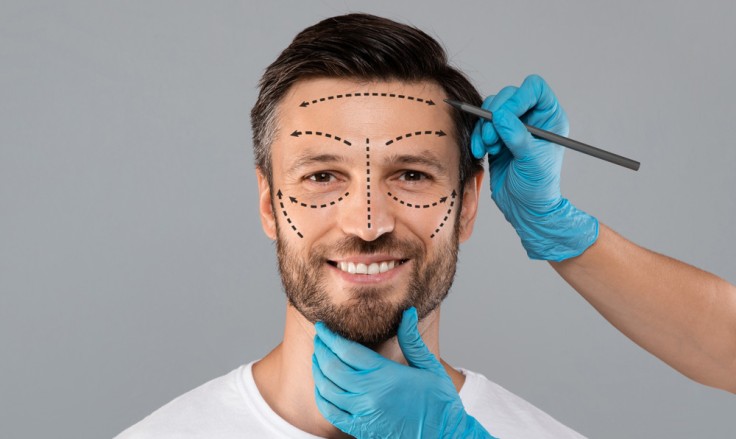
Introduction
Non-surgical anti-ageing for men has moved from niche to mainstream in recent years. Many men now want to look as energetic as they feel. They often prefer discreet treatments with little or no time off work. Modern options can soften lines, firm the skin and refresh tired features. Results can look natural and remain clearly masculine. However, men's skin and goals differ from women's in important ways. This article explains the most effective treatments and what each one achieves. It also covers downtime, skincare and how to build a simple routine.
How Men's Skin Ages
Male skin is usually thicker and oilier than female skin. It contains more collagen at first, which can delay fine lines. However, men often develop deeper creases when lines do appear. Strong facial muscles can create pronounced frown lines and forehead lines. Many men also have more sun damage from outdoor work or sport. Shaving can irritate the skin and affect texture. These factors shape which treatments work best for men.
Why Non-Surgical Anti-Ageing for Men Is Rising
Attitudes towards male grooming have changed significantly. Many men see looking fresh as part of professional presence. Treatments are quicker and more discreet than ever before. Most can fit into a lunch break or a single afternoon. Results tend to look subtle when planned carefully. Men also value the low downtime of injectable and energy-based options. Clinics increasingly tailor treatments to male patients.
Top Non-Surgical Anti-Ageing for Men Options
Several treatments are particularly popular. Popular options are compared below.
| Treatment | Main Concern Treated | Typical Downtime |
| Botox | Frown lines, forehead lines and crow's feet | Minimal |
| Dermal fillers | Volume loss and weak jaw or chin | One to three days |
| Skin boosters | Dull, dehydrated skin and fine lines | One to two days |
| Laser resurfacing | Sun damage, texture and fine lines | A few days to a week |
| HIFU or radiofrequency | Early laxity along the jaw and neck | Minimal |
| Chemical peels | Rough texture and uneven tone | A few days |
Each treatment can be used alone or as part of a combined plan.

Non-Surgical Anti-Ageing for Men: Botox
Botox is often the first treatment men try. It relaxes the muscles that create expression lines. Frown lines between the brows are the most common area. Forehead lines and crow's feet are also frequently treated. Men usually need higher doses because their muscles are stronger. A careful approach keeps the brows flatter and more masculine. Results appear within about two weeks and last three to four months.
Non-Surgical Anti-Ageing for Men: Fillers
Fillers restore lost volume and improve structure. In men, the jawline and chin are the most popular areas. Defining the jaw can make the lower face look firmer and younger. Cheek and temple filler can soften a thin or tired appearance. Under-eye filler may reduce shadows in suitable patients. Hyaluronic acid fillers can be dissolved if needed. Most results last around a year or longer.
Non-Surgical Anti-Ageing for Men:Skin Boosters and Peels
Skin quality is just as important as lines and volume. Skin boosters hydrate the skin from within and improve radiance. They can also soften fine lines and crepey texture. Chemical peels remove dull surface cells and improve tone. They can help with oily skin, enlarged pores and mild pigmentation. Both treatments suit men who want healthier skin without changing their features.
Non-Surgical Anti-Ageing for Men: Skin Tightening and Laser
Energy-based treatments help firm the skin and improve texture. HIFU uses focused ultrasound to stimulate collagen in deeper layers. Radiofrequency heats the skin gently to encourage tightening. Fractional lasers renew the skin surface and reduce sun damage. These treatments can improve early jowls and a softening jawline. Results build gradually over several months. They are popular with men who want a firmer look without injections.
Non-Surgical Anti-Ageing for Men: Treatments for Under-Eye Fatigue
Tired-looking eyes are a common concern for men. Hollows beneath the eyes can create shadows. Puffiness may be worse after poor sleep or alcohol. Filler may help hollows in carefully selected patients. Skin boosters and laser can strengthen thin under-eye skin. Lifestyle changes often reduce puffiness noticeably. Significant bags may need surgical treatment.
Hair and Scalp Considerations
Hair loss is a major ageing concern for many men. Non-surgical options include platelet-rich plasma treatments for the scalp. Prescription medications may slow hair loss in some men. Hair transplantation offers a permanent solution for suitable patients. Addressing hair loss can complement facial treatments. A specialist can advise on the best approach.
Building a Non-Surgical Anti-Ageing for Men Routine
A simple, consistent plan usually works best. Many men start with Botox for frown lines and forehead lines. Skin boosters or peels can then improve skin quality. Fillers may be added for jawline definition or volume loss. Energy-based treatments can be scheduled once or twice a year. A good daily skincare routine supports every treatment. A practitioner can help plan treatments across the year.
Daily Skincare for Men
Professional treatments work best alongside good daily habits. A gentle cleanser removes oil and dirt without stripping the skin. A moisturiser keeps the skin hydrated, especially after shaving. Daily sunscreen protects against sun damage and premature ageing. A retinoid product at night can support collagen over time. Vitamin C serums help brighten tired skin. Simple routines are easier to maintain consistently.
Non-Surgical Anti-Ageing for Men: Lifestyle Factors
Lifestyle has a strong effect on how the face ages. Smoking accelerates wrinkles and dulls the complexion. Heavy alcohol use can cause puffiness and redness. Poor sleep makes the eyes look tired. Regular exercise supports circulation and overall health. A balanced diet helps the skin repair itself. Healthy habits help treatment results last longer.
Choosing a Practitioner
Experience with male patients makes a significant difference. A qualified dermatologist or plastic surgeon is the safest choice. The practitioner should understand male facial proportions. Treatments should be carried out in licensed medical premises. Before-and-after photographs of male patients are helpful. A good practitioner will avoid feminising or overtreating the face.
Possible Side Effects
Most non-surgical treatments are well tolerated. Injections may cause mild swelling, redness or small bruises. Botox can occasionally cause a temporary heavy brow. Lasers and peels may cause short-term redness or flaking. Serious complications are rare with experienced practitioners. Men should report any unusual pain or skin changes promptly.
Treating Rosacea and Redness
Many men experience facial redness or visible blood vessels. This can make the skin look tired or older. Vascular lasers and light treatments can reduce redness. Medical treatment may also be needed for rosacea. Avoiding triggers, such as alcohol and heat, can help. Clearer skin often makes the whole face look fresher.
Time Commitment and Downtime
Busy schedules often shape men's treatment choices. Botox and fillers usually take under an hour. Most men return to work straight after injectables. Skin boosters may leave small bumps for a day. Laser treatments and peels can require a few days of recovery. Planning treatments before weekends or holidays can help.
Conclusion
Non-surgical anti-ageing for men includes Botox, fillers, skin boosters, lasers and skin tightening. Each treatment targets a different sign of ageing with little or no downtime. Male treatments focus on natural, masculine results rather than dramatic change. Good skincare and healthy habits help results last longer. An experienced practitioner can build a simple, effective plan for each patient.
To learn more about non-surgical anti-ageing for men and to book a consultation, visit the ACIBADEM Beauty Center Skin Rejuvenation webpage.
Frequently Asked Questions
Botox is often the most popular starting point, but many men combine several treatments.
Men often need higher doses because their facial muscles are stronger.
Not when an experienced practitioner focuses on masculine proportions.
Most have little downtime, although lasers may need a few days of recovery.
Many men start in their thirties or forties, depending on their skin and goals.