Ataşehir Mah. Feza Sk. No:3 İstanbul / Türkiye
 French
  English
  German
  Spanish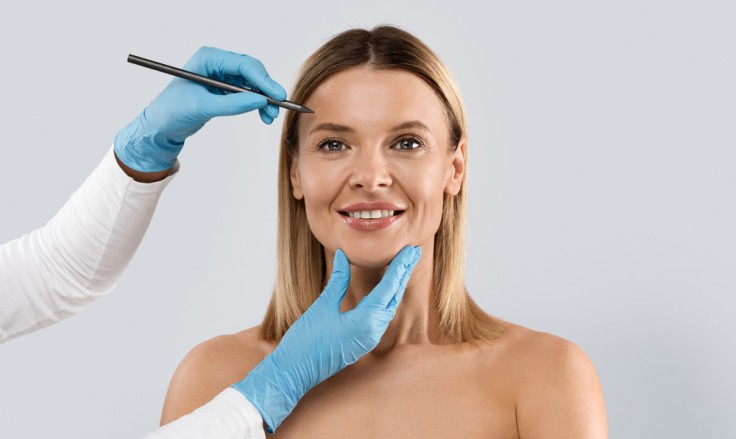
Introduction
Many people notice forehead lines as one of the earliest visible signs of ageing. These lines form through repeated expressions, natural movement and changes in skin structure. While they are common, many individuals want to soften them quickly. This guide explains the fastest treatments for forehead lines, how each method works and what to expect from the process. Understanding the options helps people choose the approach that aligns with their goals.
Why Forehead Lines Appear
Forehead lines develop through years of lifting the brows and making expressions. Skin becomes less firm over time, which makes these lines more noticeable. Natural movement continues to shape the forehead as people speak or react. Because several factors influence forehead lines, many individuals explore targeted treatment. A structured approach helps achieve reliable and predictable softening.
Forehead Lines: Botox as a Fast-Acting Solution
Botox remains the quickest way to smooth forehead lines - it relaxes the muscles responsible for lifting the brows. This reduces movement and allows the skin to settle more evenly. Many individuals notice visible softening within days. The full effect develops over 1-2 weeks. Botox also supports ongoing refinement through regular sessions - this makes it a popular choice for fast improvement.
Why Botox Works Quickly for Forehead Lines
Botox targets the specific muscles linked to forehead movement. By reducing activity, the skin experiences less pulling and creasing, which helps freshen the appearance without altering expression. The clear timeline also makes planning easier. Individuals often choose this method when they want fast results ahead of events or routine refresh sessions.
Forehead Lines: Hyaluronic Acid Fillers for Deeper Lines
Deeper forehead lines require a different approach. Hyaluronic acid fillers help soften lines that remain even when the face is at rest. Specialists place a small amount beneath the skin to support smoother texture. This method suits those wanting immediate structural improvement. While fillers are not always the first choice for forehead lines, they remain useful for lines that need added support.
Skin Resurfacing for Faster Texture Improvement
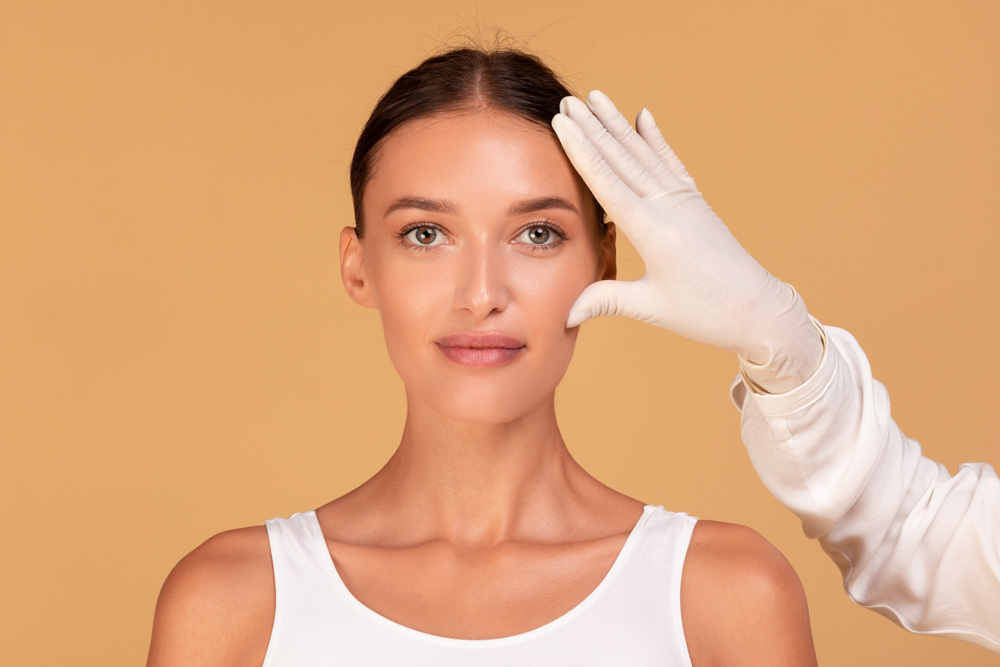
Skin resurfacing methods also help smooth forehead lines by supporting healthier surface layers. Light resurfacing options address fine texture and mild unevenness. Stronger resurfacing reaches deeper layers and provides clearer refinement. These treatments work steadily, offering wider improvement beyond the forehead. Many choose to combine resurfacing with other methods for stronger overall results.
Microneedling for Gradual Forehead Line Improvement
Microneedling helps improve texture and support smoother skin. This treatment creates micro-channels that encourage renewal. Many use microneedling to refine fine forehead lines. Results appear gradually, often after several sessions. Because improvement grows over time, microneedling suits those wanting a steady and structured approach. It can also complement faster treatments.
Chemical Peels for Surface Smoothing
Chemical peels are another option for addressing forehead lines. These peels remove dull surface layers and reveal fresher skin. Light peels brighten and smooth the area with minimal downtime. Medium peels offer stronger change for those wanting more noticeable refinement. Peels vary in strength, so specialists tailor them to match each person’s needs.
Topical Skincare for Ongoing Forehead Line Support
Daily skin care plays an important role in maintaining forehead smoothness.
- Ingredients such as retinol help support skin turnover and clearer texture.
- Antioxidants brighten the skin and encourage long-term vibrancy.
- Moisturisers keep the surface comfortable and balanced.
Although these products do not offer immediate transformation, they support the results from faster treatments. Consistency helps maintain softening achieved through targeted procedures.
Choosing the Right Treatment Based on Line Depth
Different types of forehead lines require different methods.
- Dynamic lines respond well to Botox because they form during expression.
- Static lines benefit from fillers or resurfacing because they remain visible at rest.
- A consultation helps determine which method matches line depth and skin characteristics.
- This ensures the treatment refreshes the forehead without affecting natural movement.
Why Combination Methods Work Well for Forehead Lines
Many individuals choose more than one treatment to help produce stronger and faster results. Botox reduces movement, resurfacing refines texture and skincare supports long-term clarity. Combining these approaches often creates balanced improvement across the forehead. Specialists help decide which methods pair well together. This creates a clear plan suited to personal goals.
Expected Timeline for Visible Results
- Botox offers results within days.
- Fillers show effect immediately.
- Resurfacing and peels develop over several sessions.
- Microneedling often shows improvement through ongoing consistency.
Understanding these timelines helps individuals choose the method that fits their needs. This clarity supports confidence in the treatment journey.
Maintaining Smooth Forehead Skin Over Time
Regular maintenance helps keep forehead lines soft. Many choose to schedule Botox every few months, while others return for resurfacing sessions during the year. Consistent skincare supports overall texture and balance. These steps create long-term smoothness and help prevent lines from becoming deeper.
Conclusion
Forehead lines can be softened quickly with a range of targeted treatments. Botox remains the fastest option for most individuals, while fillers, resurfacing and peels support deeper refinement. Choosing the right method depends on line depth and personal goals.
To find out more about what treatments are available to help combat forehead lines, visit the ACIBADEM Beauty Center skin treatments page.
Frequently Asked Questions
They develop from repeated expressions and natural ageing.
Botox offers the quickest visible softening.
Yes, fillers help soften static lines.
Yes, they support texture and clarity.
Combination approaches often create stronger results.