Ataşehir Mah. Feza Sk. No:3 İstanbul / Türkiye
 English
  German
  Spanish
Introduction
Bone grafting is a common preparatory step for dental implant placement. It restores jawbone volume that has been lost after tooth extraction. Without adequate bone, implants cannot anchor securely. Bone graft dental procedures create the foundation for successful implant treatment. Understanding the recovery process helps patients prepare for this important healing phase. Recovery takes longer than many patients expect. This article explains what bone graft dental recovery involves, what to expect at each stage and how to support the best healing outcome.
Why Bone Graft Dental Procedures Are Needed
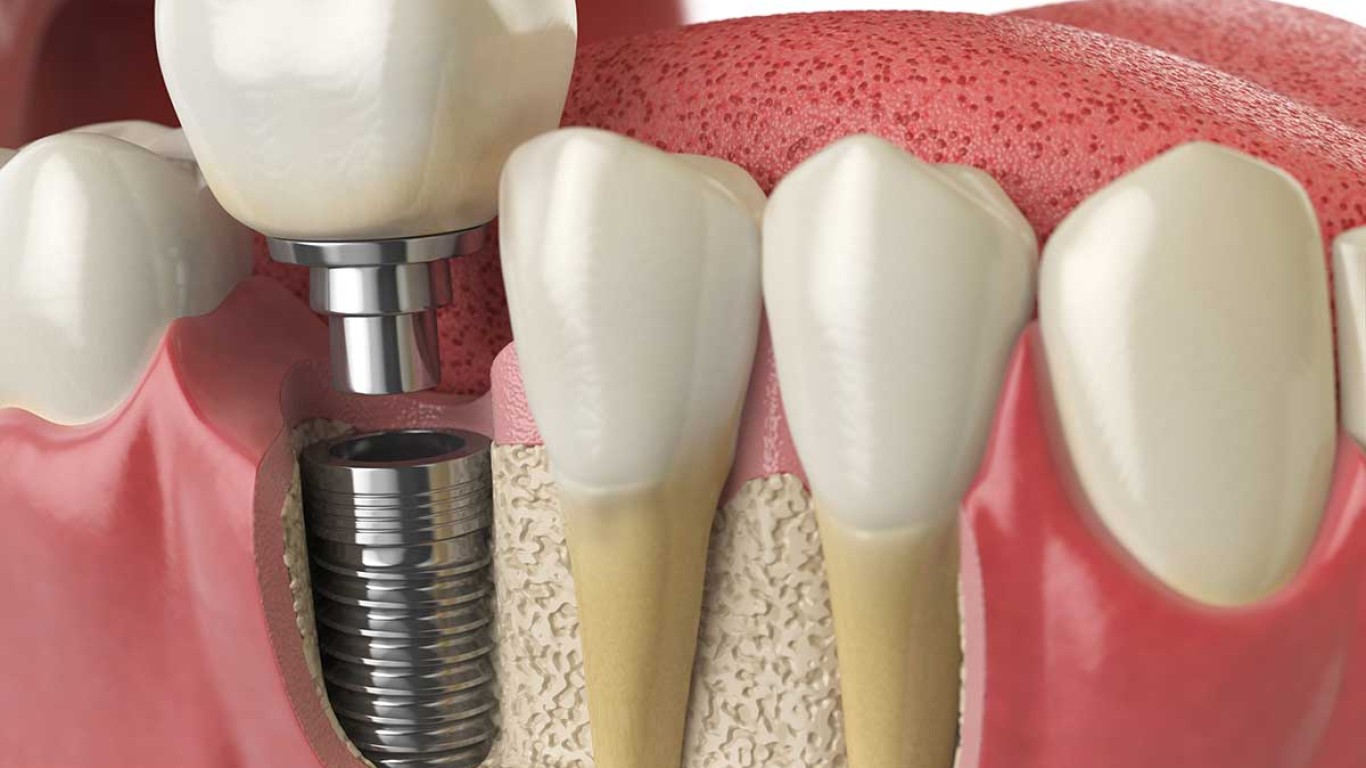
Jawbone deteriorates after tooth loss. The bone that previously supported the tooth root begins resorbing. The longer a tooth has been missing, the more bone is typically lost. Bone graft dental procedures restore the volume needed for implant placement. Implants require a minimum bone height and width for secure anchorage. Without sufficient bone, the implant cannot integrate properly. This dental treatment adds grafting material to the deficient area. The body incorporates this material over several months. New bone forms around and within the graft. The result is a regenerated bone volume capable of supporting dental implants. Not every implant patient needs grafting. Those with adequate bone proceed directly to implant placement. The dentist determines whether this dental treatment is necessary during the planning assessment using X-rays and CT scans.
Types of Bone Graft Dental Materials
Several grafting materials are used. Autograft uses bone from the patient's own body. It is harvested from the chin, jaw or hip. Autograft provides living cells that promote healing. It is considered the gold standard. Bone graft dental procedures using allograft use processed human donor bone. The material is sterilised and safe. It provides a scaffold for new bone growth. Xenograft uses processed animal bone, typically bovine. It is widely used and well established. Dental procedures using synthetic materials are also available. These biocompatible ceramics mimic natural bone structure. Each material has advantages. The dentist recommends the most appropriate type based on the defect size, location and individual clinical factors. Material choice does not significantly affect the final outcome when performed by experienced practitioners. All materials support successful bone regeneration.
Bone Graft Dental Recovery: What to Expect
| Recovery Milestone | Timeline |
| Initial swelling peak | Days two to three |
| Swelling resolves | Seven to ten days |
| Suture removal | Seven to fourteen days |
| Soft tissue healing | Two to four weeks |
| Bone integration begins | Six to eight weeks |
| Bone maturation complete | Three to six months |
| Ready for implant placement | Four to six months |
Bone graft dental recovery follows a longer timeline than many patients anticipate. The grafted material must integrate with the existing bone. This biological process cannot be accelerated. Patience during this phase is essential. The implant cannot be placed until the bone has matured sufficiently. Premature implant placement risks failure. The dentist monitors bone development through follow-up imaging. They confirm readiness before proceeding to the implant stage.

Bone Graft Dental Recovery: The First Week
The first week is the most uncomfortable period. Swelling begins within hours of the procedure. It peaks at days two to three. Cold compresses applied during the first forty-eight hours help manage swelling. Pain is moderate and managed with prescribed medication. Recovery during week one requires a soft food diet. Avoid chewing on the grafted side. Hot, spicy and acidic foods should be avoided. Drink plenty of water. Avoid using a straw. The suction can dislodge the graft material. Recovery requires avoiding smoking completely. Nicotine restricts blood flow to the graft site. This threatens graft survival. Do not touch the surgical site with fingers or tongue. Gentle rinsing with prescribed mouthwash keeps the area clean. Do not brush directly over the graft site during the first week. Most patients feel significantly more comfortable by day five to seven.
Bone Graft Dental Recovery: Weeks Two to Four
Swelling resolves during this period. Bruising fades. Pain decreases to minimal levels. Sutures are removed between seven and fourteen days. Recovery during this phase allows gradual return to normal eating. The soft food diet transitions to regular textures progressively. Avoid hard, crunchy foods on the grafted side for four weeks. The graft site may feel firm or slightly raised. This is normal. The grafting material sits beneath the gum tissue. Recovery during weeks two to four involves continued gentle oral hygiene. Brushing resumes around the surgical site with a soft toothbrush. The prescribed mouthwash continues as directed. Most patients return to normal daily activities within a few days of the procedure. Physical exercise can resume at two weeks for most patients. Contact sports should wait until the dentist confirms adequate healing.
Bone Graft Dental Recovery: Months Two to Six
The bone integration phase is the longest part of recovery. The body gradually incorporates the grafting material. New bone cells grow into and around the graft scaffold. Recovery during this period requires patience. No visible changes occur externally. The regeneration happens beneath the gum tissue. The dentist monitors progress through periodic X-rays. These confirm that bone density is developing as expected. Recovery is typically complete at four to six months. The new bone has matured sufficiently to support implant placement. Some patients heal faster. Others require the full six months. Individual healing speed depends on the graft size, material used, blood supply and overall health. Bone graft dental recovery is not rushed. The implant's long-term success depends on placing it into adequately matured bone.
Aftercare Tips for Bone Graft Dental Recovery
Good aftercare supports the strongest healing. Follow all post-operative instructions precisely. Take prescribed medications on schedule. Antibiotics prevent infection at the graft site. Pain medication keeps discomfort manageable. Bone graft dental recovery benefits from excellent nutrition. Protein, calcium, vitamin D and vitamin C all support bone healing. Adequate hydration is important. Avoid alcohol during the first week. The recovery requires avoiding smoking for the entire healing period. Ideally, patients should stop permanently. Smoking is the single greatest risk factor for graft failure. Attend all follow-up appointments. The dentist checks healing and monitors bone development. Report any concerns promptly. Signs of infection including increasing pain, swelling or discharge after the first week warrant immediate attention. This dental recovery is straightforward for most patients when aftercare is followed consistently.
Conclusion
Bone graft dental recovery takes four to six months for complete bone maturation. The first week involves managing swelling and following a soft food diet. Soft tissue heals within two to four weeks. Bone integration occurs over several months beneath the surface. Aftercare including nutrition, oral hygiene and smoking cessation supports the best outcome. This dental treatment creates the foundation for successful dental implant placement. Professional guidance ensures appropriate healing assessment before proceeding to the implant stage. Turkey offers bone graft dental treatment at competitive pricing within comprehensive implant packages.
For more information about dental procedures and to book a consultation visit the ACIBADEM Beauty Center Dental Treatments page.
Frequently Asked Questions
Four to six months for complete bone maturation before implant placement.
Moderate discomfort during the first week. Pain is well managed with prescribed medication.
A soft food diet is needed for the first two to four weeks. Normal eating resumes gradually.
Yes significantly. Smoking is the greatest risk factor for graft failure. Complete cessation is essential.
Often yes. Many all-inclusive packages cover grafting within the overall implant treatment price.