Ataşehir Mah. Feza Sk. No:3 İstanbul / Türkiye
 English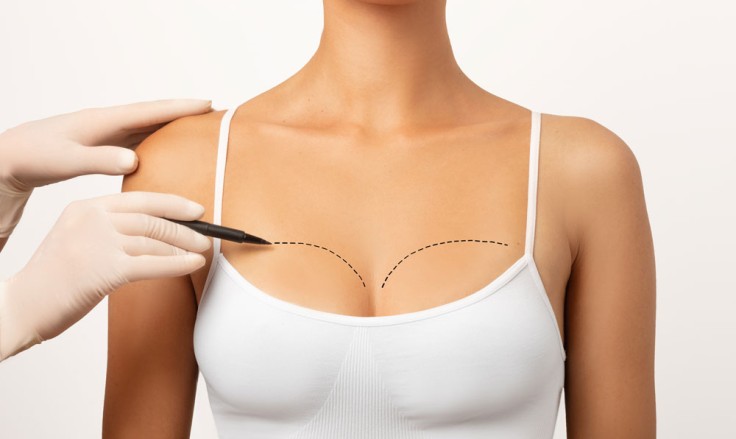
Introduction
Asymmetry in breast size or shape is extremely common. Most women have some degree of difference between their breasts. One may be slightly larger, sit slightly higher or have a differently positioned nipple. In the majority of cases, the difference is minor and entirely normal. However, when asymmetry in breast appearance is significant, it can affect clothing fit, self-confidence and body image. Understanding what level of breast asymmetry is normal and what can be corrected helps patients make informed decisions. This article explains the causes, when correction is appropriate and what treatment options exist.
Asymmetry in Breast Size: What Is Normal?
Perfect symmetry does not exist in nature. Asymmetry in breast size affects the vast majority of women. Studies suggest that over ninety percent of women have measurable breast asymmetry. The difference is typically small. One breast may be five to ten percent larger than the other. This level of breast asymmetry is entirely normal. It is usually unnoticeable to anyone other than the individual. Breast asymmetry shape is also common. One breast may be rounder. The other may be more elongated. One nipple may sit slightly higher. These minor variations are a normal feature of human anatomy. The body is not perfectly symmetrical. Arms, legs, eyes and ears all show minor asymmetry. Breasts follow the same pattern.
Breast asymmetry becomes a concern when the difference is visible in clothing, creates difficulty finding well-fitting bras or affects the individual's confidence and comfort. This is a personal threshold rather than a clinical one. The patient decides when the asymmetry bothers them enough to consider treatment.
What Causes Asymmetry in Breast Size and Shape?
Several factors produce breast asymmetry. Developmental asymmetry occurs during puberty. The breasts develop independently. One may grow faster or larger than the other. Asymmetry in breast development that is present from puberty is the most common type. It reflects normal biological variation. Hormonal influences affect breast tissue differently on each side. Breast asymmetry density and volume can result from hormonal fluctuations during the menstrual cycle, pregnancy and menopause. The response may differ between breasts. Pregnancy and breastfeeding change the breasts. One breast may produce more milk. It may enlarge more during lactation. After breastfeeding ends, the asymmetry for breast volume may be more noticeable than before pregnancy. Weight fluctuation affects the breasts.
Fat distribution is not always symmetrical. Weight gain or loss may affect one breast more than the other. Ageing produces progressive asymmetry. One breast may sag more than the other. The ligaments on one side may weaken faster. Asymmetry with breast position increases gradually with age. Chest wall asymmetry contributes in some cases. The ribcage itself may not be perfectly symmetrical. One side may project slightly more than the other. The breast on the more prominent side appears larger even when the breast tissue volume is identical.
When Should Asymmetry in Breast Shape Be Corrected?
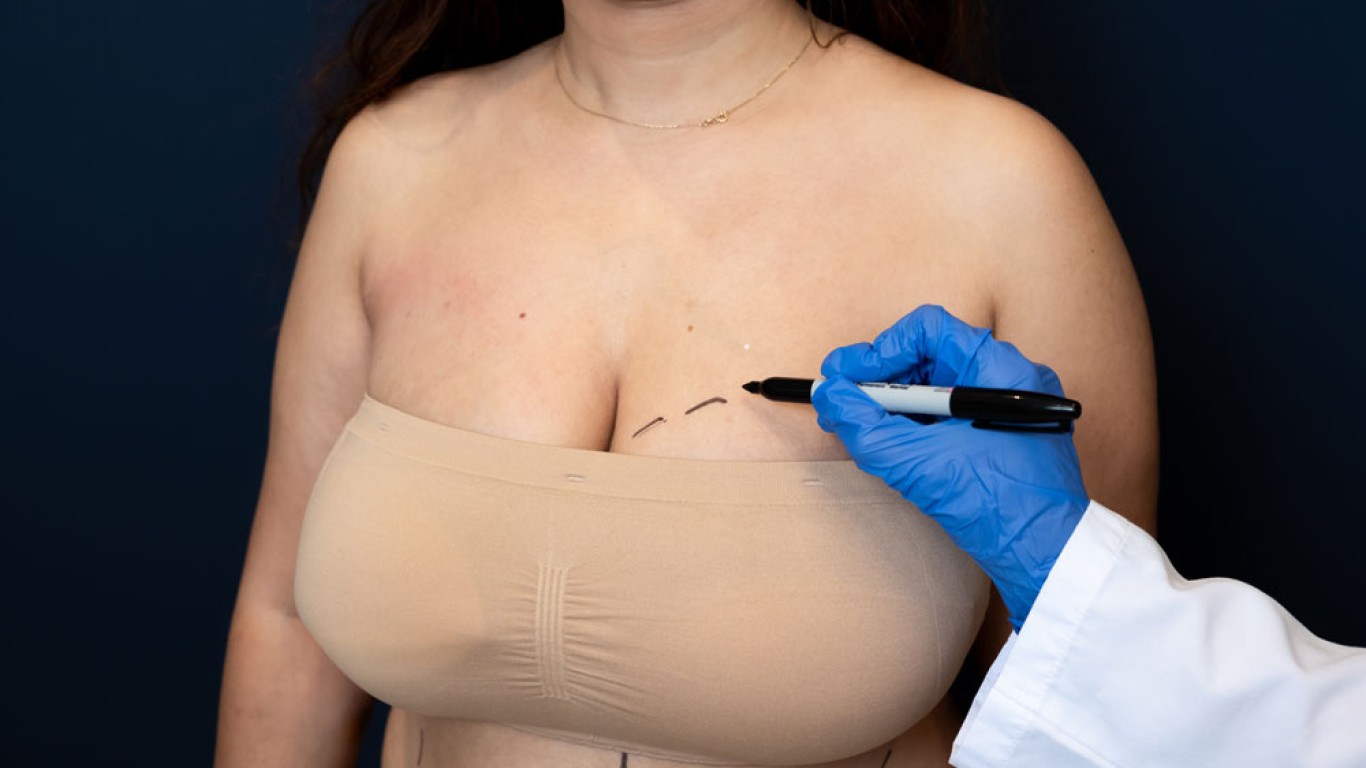
Correction is appropriate when the asymmetry causes distress. Asymmetry in breast appearance that is visible in clothing, creates difficulty with bra fitting or affects the patient's confidence is a valid reason to consider treatment. There is no minimum threshold of asymmetry required for treatment to be justified. The patient's experience determines appropriateness. Asymmetry with breast size of one cup size or more is generally considered significant. This level of difference is visible in most clothing. Bra fitting requires padding on one side or acceptance of a poor fit on the other. Asymmetry with breast shape that is less than one cup size may still warrant treatment if it causes meaningful distress. Some patients are deeply affected by differences that others would consider minor. The emotional impact is valid regardless of the objective measurement. Medical professionals should assess the patient's concern without minimising it.

Asymmetry in Breast Correction: Surgical Options
| Type of Asymmetry | What It Involves | Surgical Approach |
| Size difference | One breast noticeably larger | Augmentation, reduction or both |
| Shape difference | Different contour, fullness or projection | Augmentation with lift, reshaping |
| Nipple position | Nipples at different heights or angles | Mastopexy, areola repositioning |
| Tuberous breast | Constricted base, herniated areola | Tissue release, augmentation, reshaping |
| Post-surgical asymmetry | Uneven result from previous surgery | Revision surgery |
Asymmetry in Breast Correction: Augmentation Approach
Augmentation is the most common correction for size asymmetry. Asymmetry in breast volume where one breast is significantly smaller can be corrected by placing different-sized implants. The smaller breast receives a larger implant. The larger breast receives a smaller implant or no implant. Asymmetry in breast correction using different implant sizes requires precise sizing. The goal is matching the breasts at a final size that satisfies the patient. Digital sizing tools help visualise the outcome. Sizer trials in the operating room fine-tune the selection. Asymmetry in breast correction may also use fat transfer for minor volume differences. Fat is harvested from another body area and injected into the smaller breast. This suits differences of less than one cup size. The correction uses natural tissue rather than an implant.
Asymmetry in Breast Correction: Lift and Reduction
Some asymmetry requires lifting or reducing one breast. Asymmetrical breast position where one nipple sits lower than the other benefits from mastopexy on the lower side. The breast is lifted. Nipple is repositioned. The two breasts align. Asymmetrical breast size where one breast is too large can be corrected by reducing the larger side rather than augmenting the smaller. Breast reduction removes tissue from the larger breast to match the smaller one. This approach suits patients who prefer the size of their smaller breast. Asymmetry in breast correction sometimes requires both approaches. One breast is augmented. The other is lifted. Or one is reduced while the other is augmented. The customised bilateral approach produces the best symmetry.
Realistic Expectations
Perfect symmetry is not achievable. Asymmetry in breast surgical correction aims for the best possible match rather than identical breasts. Minor differences will persist after surgery. The underlying chest wall asymmetry, tissue characteristics and healing patterns all contribute to subtle residual differences. Asymmetrical breast correction that produces a good match in a bra and clothing represents an excellent surgical outcome. The improvement from significant asymmetry to near-symmetry is meaningful. Patients who expect perfection should recalibrate. Those who expect significant improvement are consistently satisfied. Asymmetry in breast correction results are best judged at six to twelve months when swelling has resolved and the breasts have settled into their final position. Early asymmetry during healing does not represent the final outcome. The two breasts may swell and settle at different rates.
Conclusion
Asymmetry in breast size and shape is extremely common and usually normal. Correction is appropriate when the difference causes meaningful distress or practical difficulty. Surgical options include augmentation, reduction, lift and combination approaches tailored to each individual pattern. Perfect symmetry is not achievable but significant improvement is consistently produced. Non-surgical options provide temporary cosmetic management. Professional consultation determines the most effective surgical plan. Turkey offers breast asymmetry correction at competitive pricing with experienced specialists.
To find out more information about breast asymmetry and to book a consultation visit the ACIBADEM Beauty Center Aesthetics page.
Frequently Asked Questions
Yes. Over ninety percent of women have some degree of asymmetry. Minor differences are entirely normal.
When the asymmetry causes distress, affects clothing fit or impacts your confidence.
Near-symmetry is achievable. Perfect symmetry is not. Significant improvement is consistently produced.
Augmentation, reduction, lift or combination approaches. Each breast may receive different treatment.
Padded bras and inserts provide temporary cosmetic correction. Permanent correction requires surgery.