Ataşehir Mah. Feza Sk. No:3 İstanbul / Türkiye
 English
  German
  Spanish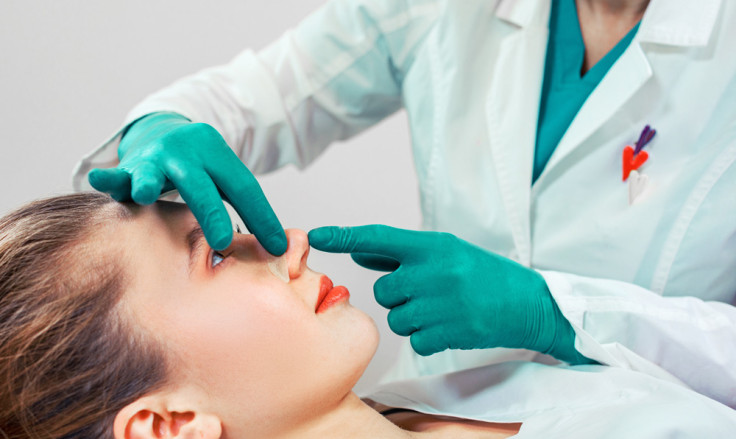
Introduction
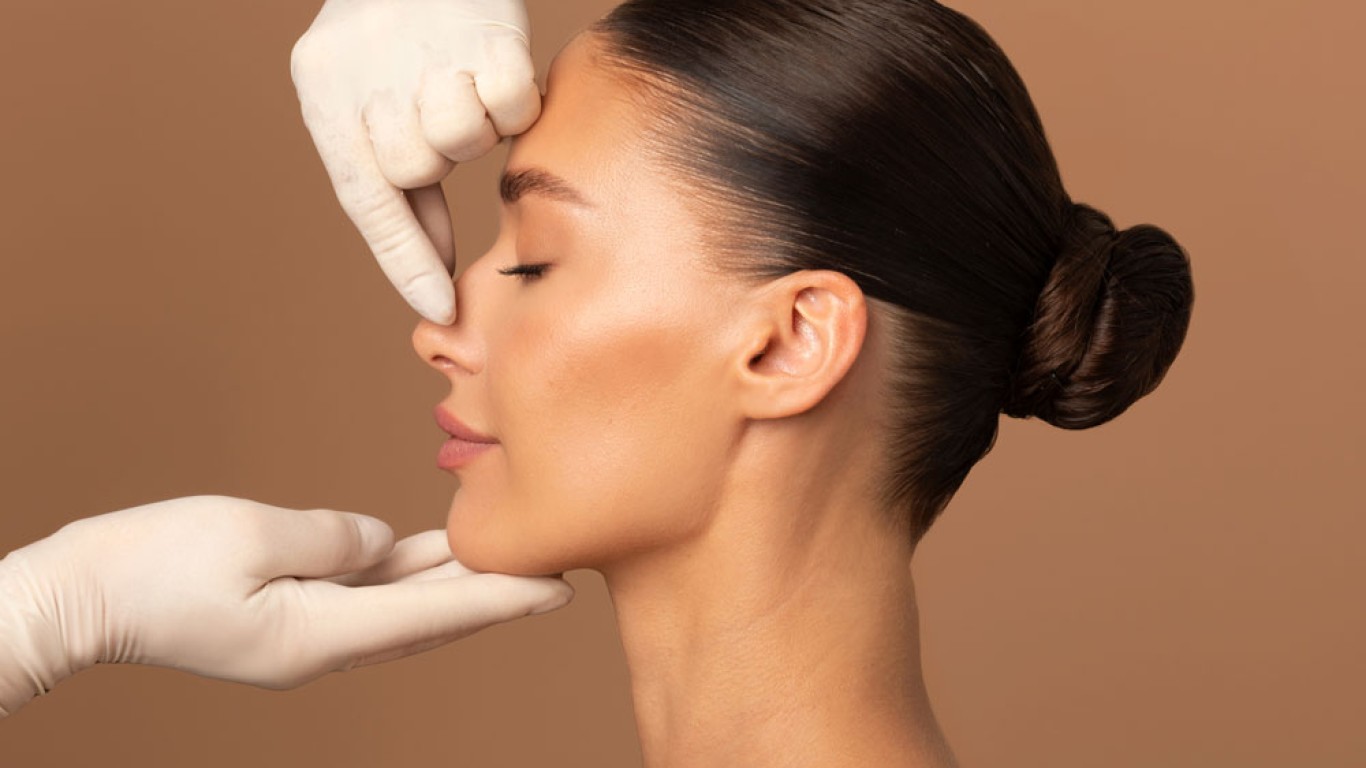
The nasal tip shapes how the nose looks from every angle. Some patients want a more defined, pointy nose. Others feel their nose is already too pointed and want it softened. Rhinoplasty can address both goals. Creating or correcting a pointy nose requires different surgical techniques. Understanding what is achievable helps patients communicate their goals effectively during consultation. This article explains how rhinoplasty creates tip definition and how it corrects an overly pointed nose.
What Makes a Nose Look Pointy?
A pointy nose results from specific anatomical features. The lower lateral cartilages form the nasal tip. When these cartilages are strong, narrow and well-defined, the tip appears pointed. Thin nasal skin reveals the underlying cartilage structure clearly. This creates sharper definition. A pointed nose can look elegant and refined on some patients. On others, it may appear overly sharp or pinched. The angle of tip projection also contributes. A tip that projects strongly from the face may look excessively pointed. The width of the tip matters. A narrow tip appears more pointed than a wide one. A pointed nose is a matter of proportion. What looks refined on one face may look exaggerated on another. Rhinoplasty addresses the tip in the context of overall facial harmony. The goal is a tip that suits the individual patient's facial proportions.
Creating a Pointy Nose with Rhinoplasty
Many patients want more tip definition. They describe wanting a pointy nose rather than a rounded or bulbous one. Rhinoplasty creates tip definition through several techniques. Suture refinement narrows the lower lateral cartilages. The tip becomes slimmer. Cartilage grafts can project the tip forward. A shield graft placed at the tip creates a defined point. A pointed nose created through rhinoplasty looks most natural when the definition is proportionate. Over-refinement produces an unnatural pinched appearance. The surgeon balances patient desire for definition against what the anatomy supports. Thin skin shows every refinement clearly. Thick skin obscures definition. A pointed nose is easier to create on patients with thinner nasal skin. Thicker skin requires stronger structural support beneath to project definition through the tissue. The surgeon adapts technique based on individual skin thickness. The consultation determines how much definition is safely achievable.
Correcting an Overly Pointy Nose with Rhinoplasty
Some patients feel their nose is too pointed. The tip may appear pinched or sharp. This can be a natural feature or the result of a previous rhinoplasty. A pointed nose that has been over-refined looks unnatural. The nostrils may appear narrowed. The tip may look detached from the surrounding nasal structure. Correcting an overly pointy nose requires adding tissue rather than removing it. Cartilage grafts widen and soften the tip. Spreader grafts between the upper lateral cartilages improve the transition between bridge and tip. A pointed nose correction may also involve releasing overly tight sutures from a previous surgery. The surgeon rebuilds the tip framework to create a softer, more natural contour. Correcting a pointy nose from previous surgery is revision rhinoplasty. This is more complex than primary rhinoplasty. Scar tissue changes the tissue characteristics. An experienced revision specialist is essential.

Pointy Nose: Natural vs Over-Refined
The distinction between a naturally defined tip and an over-refined one is critical. A pointed nose that looks natural has smooth contours. Tip blends with the bridge and alar sidewalls. The nostrils are proportionate. The nose suits the face. An over-refined pointed nose looks pinched. Tip appears too narrow relative to the bridge. The cartilage edges may be visible. The nostrils look compressed. A pointed nose created through excessive cartilage removal cannot be easily reversed. The removed tissue is gone. Rebuilding requires grafting. A pointed nose is best achieved through suture techniques and conservative grafting rather than aggressive removal. This preserves options for future adjustment. The surgeon who creates definition through structure rather than destruction produces the most natural and sustainable results.
Pointy Nose Rhinoplasty Techniques
Several techniques achieve tip definition. Interdomal sutures narrow the distance between the tip cartilages. The tip becomes more defined. Transdomal sutures reshape each cartilage individually. A pointed nose is created through controlled narrowing rather than tissue removal. Cephalic trim removes a small portion of the upper edge of the lower lateral cartilages. This reduces bulkiness. However, excessive cephalic trim creates weakness. A pointy nose from over-resection risks long-term collapse. Conservative trim preserves structural integrity. Tip grafts placed at the point of the nose create visible definition. A shield graft is the most common. It is carved from septal or ear cartilage. A pointed nose created through grafting is structurally supported. The definition persists because the graft provides permanent framework. The surgeon selects techniques based on the patient's starting anatomy and desired degree of definition.
Pointy Nose: Ethnic and Cultural Considerations
Tip shape preferences vary across cultures. A pointy nose is desired in some aesthetic traditions. Others prefer a rounded, softer tip. Rhinoplasty should respect the patient's cultural context. A pointed nose that looks appropriate within one facial framework may look incongruent within another. Ethnic rhinoplasty requires sensitivity to these differences. The surgeon should discuss tip shape preferences openly. Creating a pointy nose on a face with broader features may look unbalanced unless other proportions are considered. The nose must harmonise with the cheeks, brow and jaw. A pointed nose created in isolation without considering facial context risks looking out of place. Experienced rhinoplasty surgeons adapt their approach based on the patient's individual anatomy and cultural preferences. The goal is always a result that looks natural on the specific patient's face.
What to Discuss During Consultation
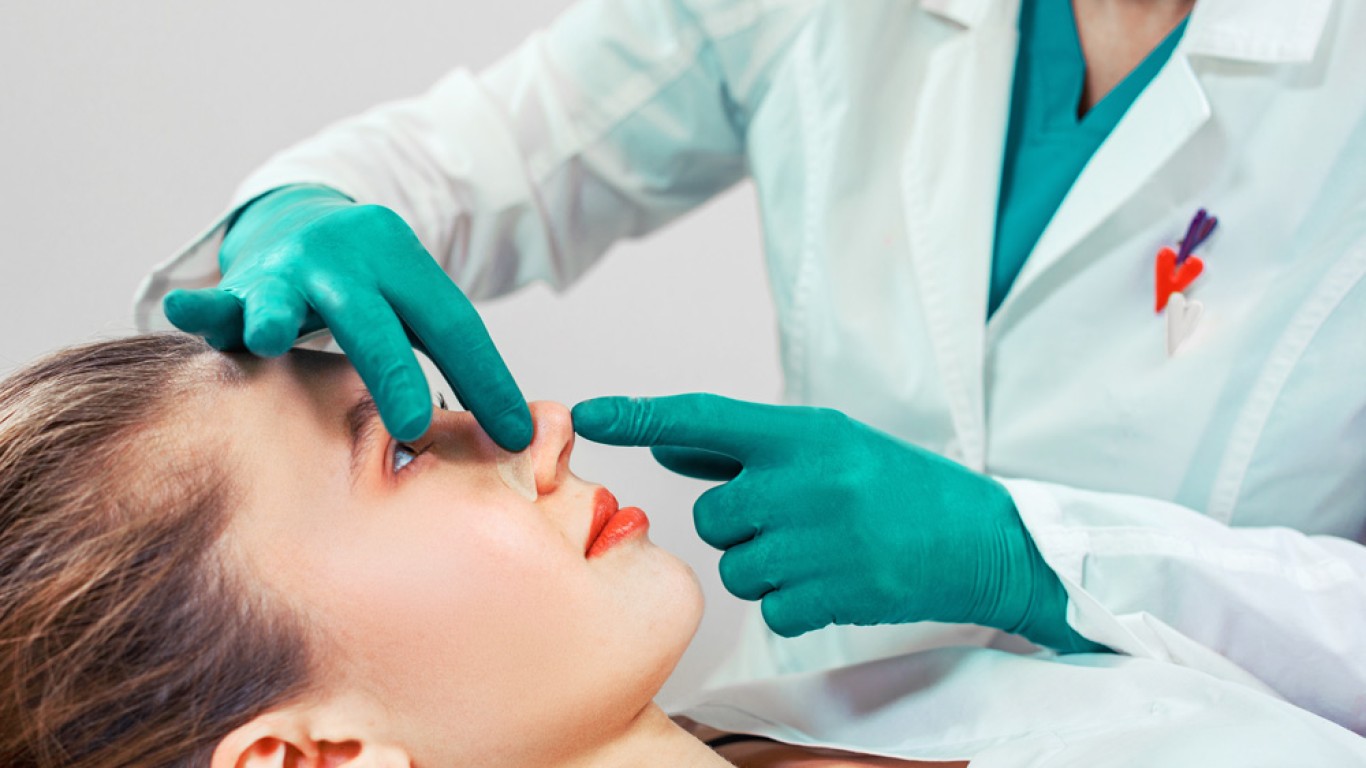
The consultation shapes the surgical plan. Patients wanting a pointy nose should bring reference images. These help communicate the desired level of definition. The surgeon evaluates whether similar definition is achievable given the patient's anatomy. Skin thickness is assessed. Cartilage strength is evaluated. A pointed nose plan is created based on realistic possibilities. Patients wanting to correct a pointed nose should describe what specifically bothers them. Is it too narrow? Too projected? Too sharp when smiling? The surgeon identifies which structural changes will address the concern. Digital imaging helps visualise the planned changes. Both creating and correcting a pointed nose benefit from thorough consultation discussion. Clear communication between patient and surgeon produces the most satisfying results. Misaligned expectations cause dissatisfaction regardless of surgical skill.
Conclusion
A pointed nose can be created or corrected through rhinoplasty. Creating definition involves suture refinement and cartilage grafting. Correcting over-refinement involves rebuilding tip structure. A pointy nose looks most natural when proportionate to the face and created through conservative technique. Over-resection risks long-term problems. The consultation establishes realistic goals based on individual anatomy. Professional guidance ensures the right balance of definition and natural appearance. Turkey offers rhinoplasty for tip refinement at competitive pricing with experienced nasal surgeons.
For more information about rhinoplasty and to book a consultation visit the ACIBADEM Beauty Center Aesthetics page.
Frequently Asked Questions
Yes. Suture techniques and cartilage grafts create tip definition and a more refined appearance.
Yes. Cartilage grafts soften and widen an over-refined tip.
Excessive cartilage removal during previous rhinoplasty. Revision surgery rebuilds the framework.
Yes significantly. Thin skin reveals more refinement. Thick skin requires stronger structural support.
Typically two thousand five hundred to five thousand pounds all-inclusive.