Ataşehir Mah. Feza Sk. No:3 İstanbul / Türkiye
 English

Introduction
BBL surgery duration is a common question for patients planning a Brazilian butt lift. Knowing how long the operation takes helps patients prepare practically and emotionally. It also helps families and companions plan the day of surgery. A BBL involves several stages, from liposuction to fat transfer. The total time depends on the treatment plan and each patient's anatomy. Time spent in hospital is also longer than the operation itself. This article explains how long BBL surgery usually takes and why. It also covers each stage, factors that affect duration and what happens afterwards.
What Is a Brazilian Butt Lift?
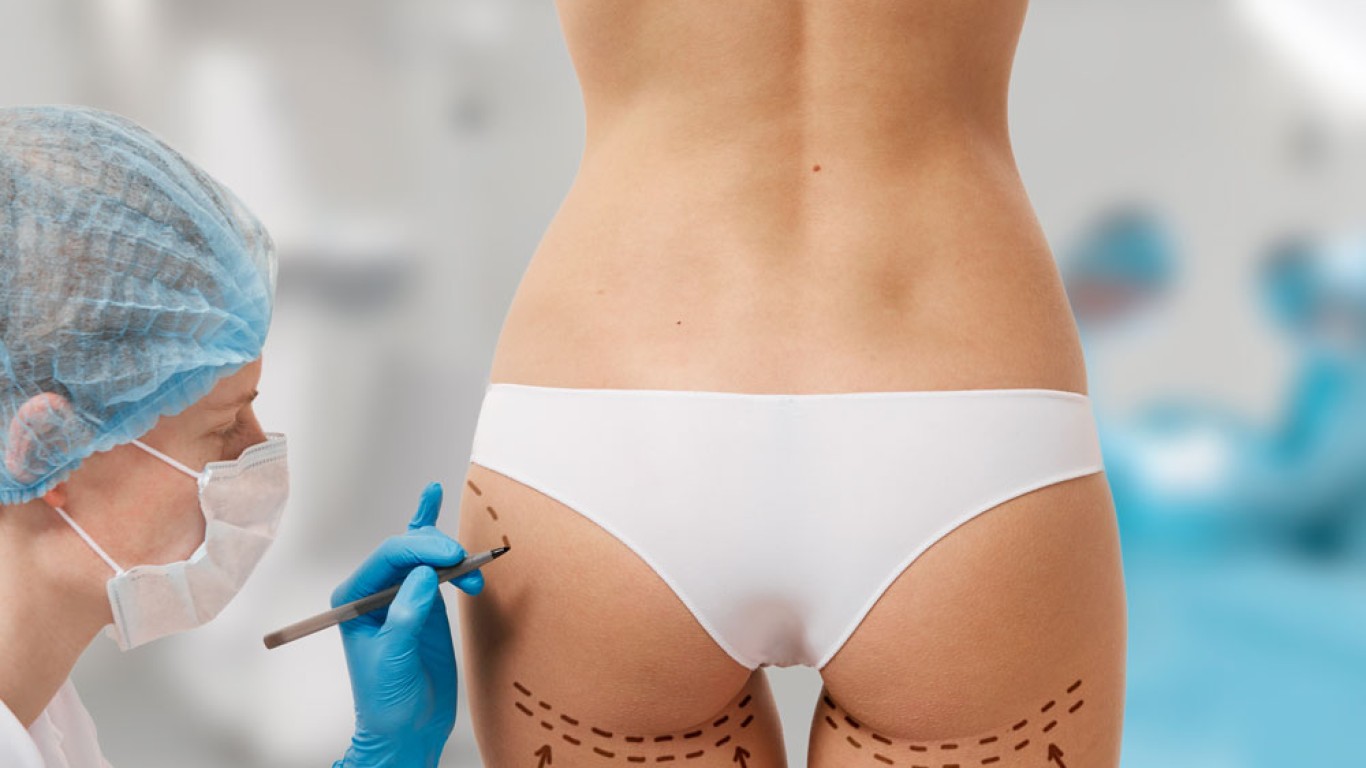
A Brazilian butt lift reshapes the buttocks using the patient's own fat. The surgeon first removes fat from areas such as the waist, back, flanks or thighs. This fat is then purified and carefully injected into the buttocks. The procedure adds volume, improves shape and creates a more defined waistline. Because it uses natural tissue, no implant is involved. Surgery is performed under general anaesthesia. Most patients stay in hospital for one or two nights. Around sixty to eighty percent of transferred fat commonly survives long term.
BBL Surgery Duration: What to Expect on the Day
The operation itself usually takes between two and five hours. Simpler cases with fewer donor areas are at the shorter end of this range. Cases involving 360-degree liposuction or large volumes take longer. However, the total time in hospital on the day is longer than the surgery. Patients usually arrive a few hours before the operation. Pre-operative checks, marking and anaesthetic preparation take time. After surgery, patients spend time in the recovery area. Most patients are then transferred to a ward for an overnight stay.
BBL Surgery Duration Stage by Stage
The operation follows several distinct stages. The following table shows approximate timings for each one.
| Stage | What Happens | Approximate Time |
| Preparation and anaesthesia | Positioning, monitoring and general anaesthesia | Twenty to forty minutes |
| Liposuction | Fat removed from donor areas | One to two and a half hours |
| Fat processing | Fat purified and prepared for transfer | Twenty to forty minutes |
| Fat transfer | Fat injected into the buttocks in small amounts | Thirty to ninety minutes |
| Closure and dressings | Incisions closed and garments applied | Fifteen to thirty minutes |
Timings vary between patients and surgical teams. Some stages may overlap when a team works efficiently.

What Affects BBL Surgery Duration?
Several factors influence how long the operation takes. The number of liposuction areas has the biggest effect. Treating the waist alone takes less time than a full 360-degree approach. The volume of fat being transferred also matters. Larger transfers require more careful injection time. Patient body shape and skin thickness can affect liposuction time. Previous liposuction can create scar tissue that slows the procedure. The surgeon's technique and equipment also influence efficiency. Combining a BBL with other procedures will lengthen the operation significantly.
The Liposuction Stage
Liposuction is usually the longest part of the operation. The surgeon makes small incisions in discreet locations. A special fluid is first injected to reduce bleeding and discomfort. Thin cannulas are then used to remove fat from each donor area. The surgeon contours the waist, back and flanks during this stage. Careful liposuction improves overall body shape, not just fat collection. Patients may be repositioned during surgery to reach different areas. The fat is collected in sterile containers ready for processing.
The Fat Transfer Stage
Fat transfer is the most technically demanding stage. The surgeon injects small amounts of fat in multiple layers. This helps each droplet develop a new blood supply and survive. Safety guidance recommends injecting fat only into the layer above the buttock muscle. Injecting into or below the muscle increases the risk of serious complications. Some surgeons use ultrasound to confirm the injection layer. This careful technique takes time and should never be rushed. A slower, safer transfer is always preferable to a faster one.
BBL Surgery Duration and Safety
Operating time is closely linked to safety. Longer operations can increase the risk of blood clots and anaesthetic complications. For this reason, surgeons plan cases to keep operating time reasonable. Very large or combined procedures may be split into two operations. Experienced surgical teams work efficiently without compromising technique. Patients should be cautious of clinics that promise very quick BBL surgery. Speed should never come at the expense of safe fat injection. An accredited hospital with full monitoring provides an additional layer of safety.
BBL Surgery Duration Compared With Other Body Procedures
Comparing operating times helps patients understand the scale of BBL surgery. Liposuction of one or two areas often takes one to three hours. A tummy tuck usually takes two to four hours. Mommy makeover can take four to six hours or more. A BBL sits between these procedures, usually taking two to five hours. When a BBL is combined with a tummy tuck, operating time increases considerably. Surgeons consider total operating time when planning combined procedures.
BBL surgery duration: Time Spent in Hospital
Most patients stay in hospital for one or two nights after a BBL. This allows the team to monitor recovery and manage pain. Nurses check blood pressure, breathing and wound dressings. Patients are encouraged to walk within hours of surgery. Early walking helps reduce the risk of blood clots. Compression garments are fitted before patients leave the hospital. Drains, if used, are usually checked before discharge. International patients usually stay in the area for seven to ten nights in total.
How BBL Surgery Duration Affects Recovery
Longer operations can be associated with more swelling and fatigue afterwards. Patients who have extensive liposuction may feel sore in several areas. Most patients feel tired for the first few days after surgery. Patients should avoid sitting directly on the buttocks for two to three weeks. A special cushion supports the thighs when sitting is necessary. Compression garments are worn for several weeks. Most patients return to light activity within two weeks. Full activity usually resumes after six to eight weeks.
Preparing for the Day of Surgery
Good preparation helps the day run smoothly. Patients should follow fasting instructions carefully before general anaesthesia. Smokers should stop several weeks before surgery. Certain medications and supplements may need to be paused. Patients should wear loose, comfortable clothing to the hospital. A companion can provide support and help after discharge. Patients should prepare their recovery space with cushions and essentials beforehand.
Anaesthesia and Monitoring
A BBL is performed under general anaesthesia. An experienced anaesthetist stays with the patient throughout the operation. Heart rate, blood pressure, oxygen levels and temperature are monitored continuously. Leg compression devices help maintain circulation during surgery. Warming blankets keep body temperature stable. Close monitoring is especially important during longer operations.
Conclusion
BBL surgery duration is usually two to five hours, depending on the treatment plan. Liposuction is typically the longest stage, while fat transfer requires the most care. More donor areas, larger volumes and combined procedures increase operating time. Patients usually spend one or two nights in hospital after surgery. Safety and careful technique should always take priority over speed.
To learn more about BBL surgery duration and to book a consultation, visit the ACIBADEM Beauty Center Brazilian Butt Lift webpage.
Frequently Asked Questions
Most BBL operations take between two and five hours.
Liposuction is usually the longest stage of the operation.
Most patients stay in hospital for one or two nights.
Not necessarily. Careful technique and safe fat placement matter more than duration.
Yes, but combining procedures increases operating time and may need careful planning.