Ataşehir Mah. Feza Sk. No:3 İstanbul / Türkiye
 French
  English
  German
  Spanish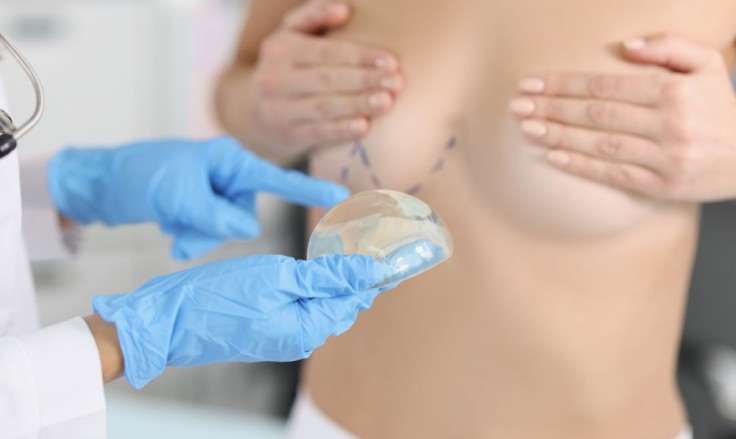
Introduction
Breast implants can enhance volume and shape, yet some individuals eventually choose to remove them. Personal preference, lifestyle changes or aesthetic goals may lead patients to consider implant removal. In these situations, breast implant removal with fat transfer has become an increasingly popular option. This technique removes the implant while reshaping the breast using the patient’s own fat. The approach allows surgeons to restore contour and volume without replacing implants. Many individuals appreciate the natural feel and subtle enhancement that fat transfer can provide. It also allows the breast to maintain a softer appearance compared with implants. Understanding how the procedure helps patients evaluate whether it suits their long-term goals and expectations.
What Is Breast Implant Removal with Fat Transfer?
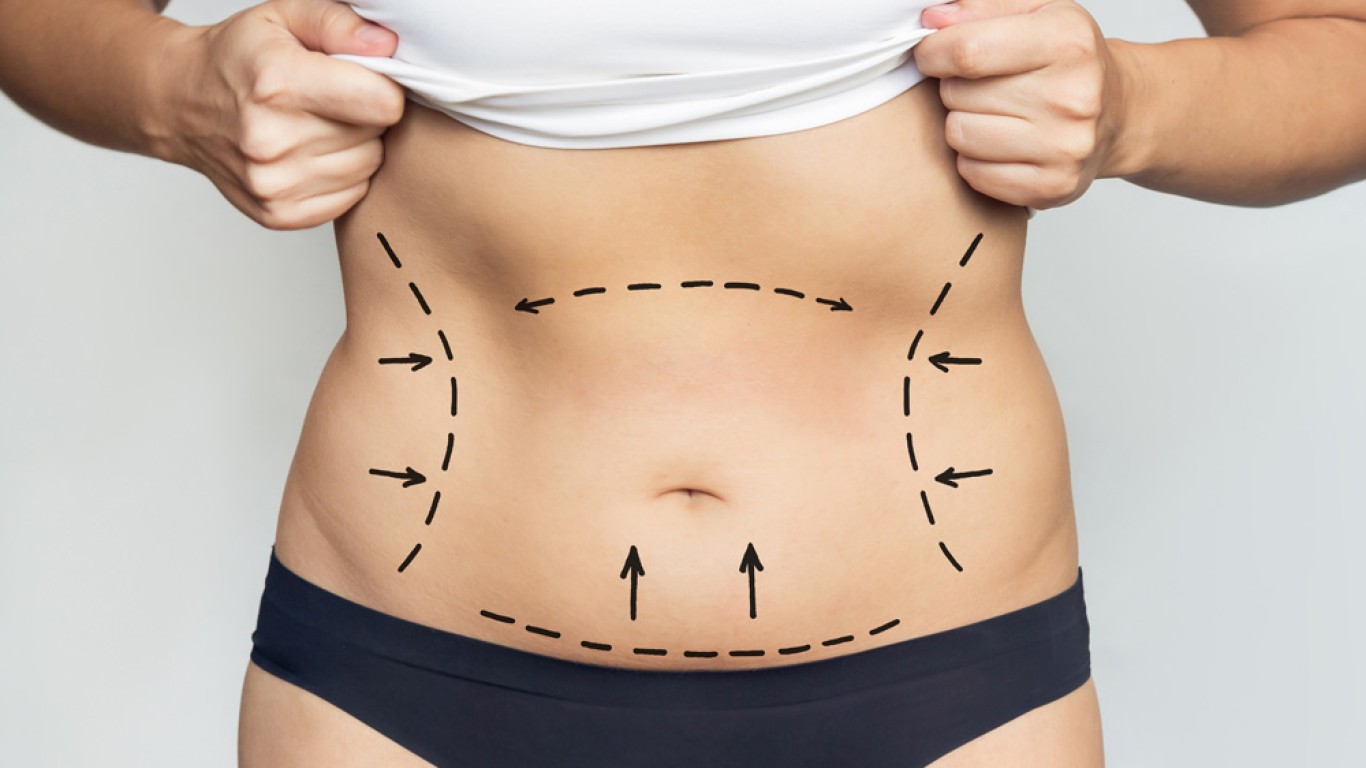
Breast implant removal with fat transfer combines two procedures within a single treatment plan. First, the surgeon carefully removes the breast implants through the existing incision. After implant removal, liposuction is used to harvest fat from another area of the body. Common donor areas include the abdomen, thighs or flanks. The collected fat is purified and prepared for reinjection. Surgeons then strategically place the fat into the breast tissue to improve shape and contour. This technique allows the breast to regain natural volume. While avoiding the placement of a new implant. By layering the fat carefully, surgeons aim to restore balanced breast proportions. They do this while maintaining a natural look.
Why Patients Choose Breast Implant Removal with Fat Transfer
Several reasons lead patients to consider breast implant removal and fat transfer. Some individuals prefer a more natural breast appearance and feel. Others want to maintain some volume after removing their implants. Fat transfer provides an alternative method to reshape the breast using natural tissue. The procedure also offers the added benefit of body contouring at the fat donor site. Removing excess fat from areas such as the abdomen or thighs can improve overall proportions. For many patients, this combined benefit makes the procedure particularly appealing. Some individuals also appreciate avoiding future implant maintenance or replacement procedures.
How the Procedure Works
The procedure typically begins with careful removal of the existing breast implants. Surgeons may also address surrounding tissue if needed to support breast shape. Once the implants are removed, fat harvesting begins. Liposuction is performed using specialised techniques that protect the viability of the fat cells. The harvested fat is then purified to remove excess fluid and impurities. Finally, the surgeon injects the purified fat into different layers of breast tissue. These small injections allow the fat cells to establish a blood supply. They integrate with the natural breast tissue. The careful placement of fat helps create smooth contours and natural-looking results.
Results from Breast Implant Removal with Fat Transfer
The goal of breast implant removal with fat transfer is to create natural-looking breast contours. Fat transfer allows surgeons to restore softness and subtle volume to the breast. While the result is typically smaller than implant augmentation, the shape often appears balanced. Because the procedure uses the patient’s own tissue, the breasts feel natural and move naturally. Results continue to refine gradually as swelling resolves and transferred fat cells stabilise. Many patients notice improved shape even several months after the procedure as the tissues settle.
Benefits of Using Natural Fat for Reshaping
One of the main advantages of breast implant removal with fat transfer is the use of natural body tissue. Fat transfer avoids the need for synthetic implants while still improving breast shape. Many patients appreciate the natural softness and appearance that fat grafting provides. The procedure can also correct minor contour irregularities that may remain after implant removal. Additionally, liposuction at the donor site improves body contour in areas where fat is removed. This combination of breast reshaping and body contouring often enhances overall body balance and proportion.
Recovery After Breast Implant Removal with Fat Transfer
Recovery varies depending on the extent of the procedure and the areas treated with liposuction. Patients may experience swelling or bruising in both the breast and donor areas. These effects typically improve gradually during the first few weeks of healing. Surgeons often recommend supportive garments to protect both the breasts and liposuction areas during recovery. Following postoperative instructions helps support optimal healing and fat survival. Most patients can resume normal activities gradually as healing progresses. Light activities are possible within a short period, although strenuous exercise may require additional time.
How Long Results Last
Fat transfer results can be long lasting. In particular when the transferred fat cells establish a stable blood supply. Some fat may be naturally reabsorbed during the early healing period. The fat cells that remain typically behave like natural breast tissue. Maintaining a stable body weight helps preserve these results over time. The transferred fat integrates with the body. So the breast continues to age naturally with surrounding tissue. This natural integration allows the breasts to maintain softness and flexibility over time.
Who Is a Good Candidate for Breast Implant Removal with Fat Transfer
Ideal candidates for breast implant removal with fat transfer are individuals who want implant removal. And those who want to maintain moderate breast volume. Patients should have sufficient donor fat available for transfer. Good overall health and stable body weight also support better outcomes. Individuals seeking a dramatic increase in size may require other procedures. A consultation with a qualified surgeon helps determine whether this approach is appropriate. The surgeon evaluates breast tissue condition, skin elasticity and overall body proportions before recommending treatment.
Consultation and Personalised Planning
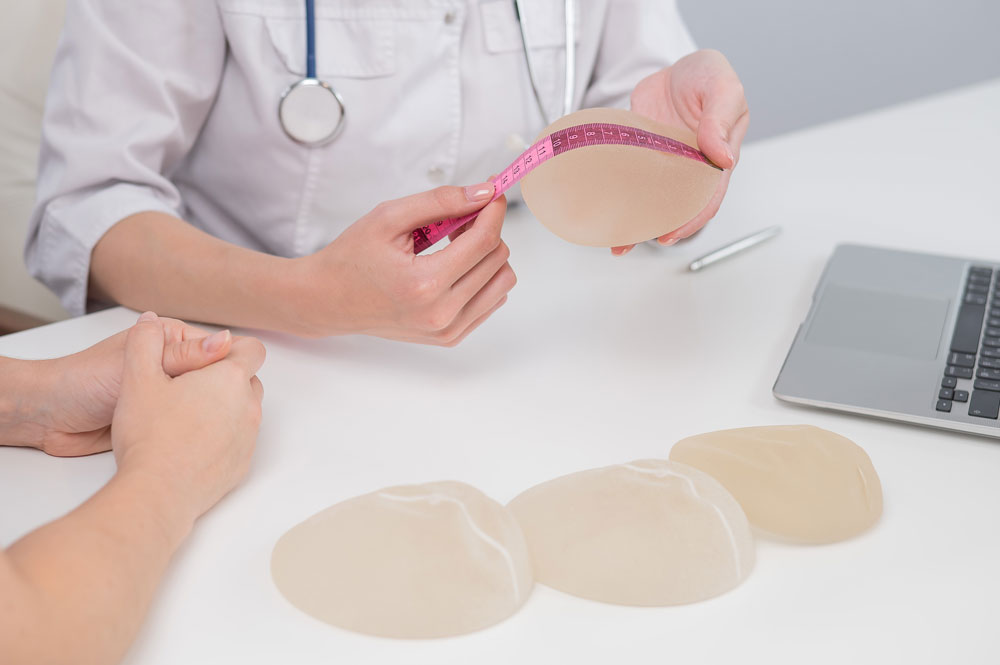
Consultation plays a central role in planning breast implant removal with fat transfer. During this stage, the surgeon evaluates breast tissue, skin elasticity and implant history. The amount of available donor fat is also assessed. Treatment planning focuses on restoring breast shape while maintaining natural proportions. Digital imaging may be used to demonstrate potential outcomes. This personalised approach helps ensure that expectations remain realistic and aligned with achievable results. Open discussion during consultation helps patients understand how the procedure may reshape the breast.
How Skin Elasticity Affects Breast Shape After Implant Removal
Skin elasticity plays an important role in determining the breast look after implants are removed. When implants are taken out, the surrounding breast tissue and skin must adjust. Patients with good skin elasticity often experience smoother contour adaptation because the skin can contract more effectively around the reshaped breast. In cases where skin elasticity is reduced, the breast may appear looser after implant removal. Breast implant removal with fat transfer helps restore shape by adding volume in strategic areas. The transferred fat supports the structure while the skin gradually adapts to the new contour. Surgeons assess skin quality carefully during consultation to determine how the tissue may respond.
Balancing Breast Proportion After Implant Removal
Achieving balanced breast proportions is a key goal during breast implant removal with fat transfer. When implants are removed, the breast may temporarily appear deflated or flattened. Fat grafting allows surgeons to rebuild volume gradually while maintaining natural proportions. Small amounts of fat are placed in different layers of breast tissue to restore contour. This careful distribution allows the breast to maintain softness and symmetry. Surgeons consider the relationship between the breasts and the chest wall when planning fat placement. Balanced proportions help ensure that the final result appears natural and harmonious with the body.
Long-Term Changes After Fat Transfer Reshaping
Over time, the breast continues to adapt after breast implant removal with fat transfer. Once transferred fat establishes a blood supply, the surviving cells behave like natural breast tissue. This means the breast can change slightly with weight fluctuations or hormonal changes. Maintaining a stable body weight helps preserve the reshaped contour. Many patients appreciate that the breast feels natural and moves naturally after the procedure. Long-term follow-up appointments help monitor healing and ensure the final result remains balanced.
Conclusion
Breast implant removal with fat transfer offers a natural approach to reshaping the breast. By combining implant removal with fat grafting, surgeons can restore contour and softness using the patient’s own tissue. Although results are typically more subtle than implant augmentation. The procedure can provide balanced and natural-looking breast proportions. With careful planning and expert technique, many patients achieve satisfying results without replacing implants.
For more information and to book a consultation visit the ACIBADEM Beauty Center Breast Augmentation page.
Frequently Asked Questions
It is a procedure that removes implants and reshapes the breast using transferred body fat.
Fat transfer can restore natural softness and moderate volume.
The amount depends on available donor fat and individual anatomy.
Transferred fat that survives becomes part of the natural breast tissue.
Individuals seeking implant removal with natural reshaping may be good candidates.