Ataşehir Mah. Feza Sk. No:3 İstanbul / Türkiye
 English
  German
  Spanish
Introduction
Choosing the right breast implant shapes is one of the most important decisions in augmentation planning. The shape affects how the breasts look from every angle. Round and teardrop are the two main breast implant shapes available. Each produces a distinct aesthetic. Understanding the differences helps patients communicate their goals effectively during consultation. This article compares the two main implant shapes in detail and explains how to choose between them.
Understanding Breast Implant Shapes
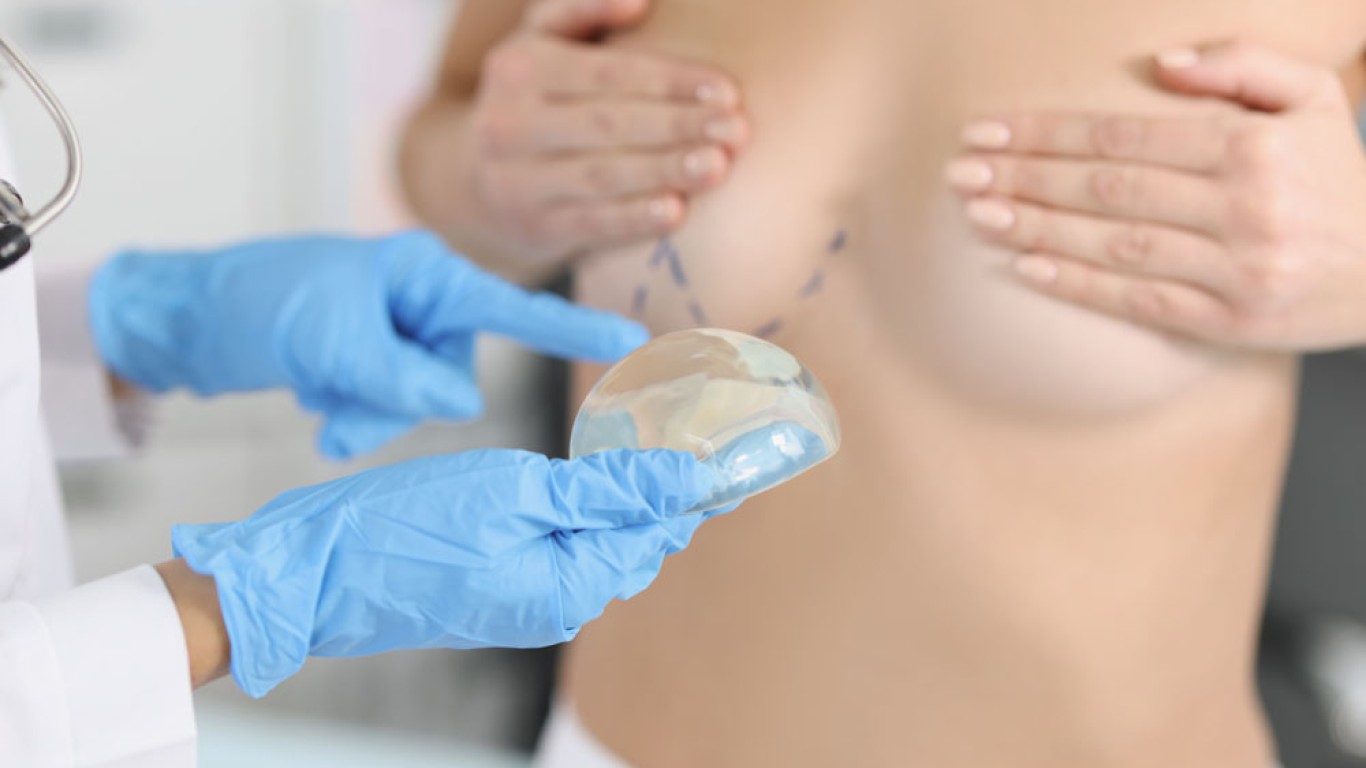
Breast implant shapes fall into two categories. Round implants are symmetrical circles when viewed from the front. They have equal fullness above and below the centre point. Teardrop implants are also called anatomical implants. They have a tapered upper portion and a fuller lower portion. Implant shapes determine the profile and silhouette of the augmented breast. Round shapes create more upper pole fullness. Teardrop shapes create a more gradual slope from the collarbone to the nipple. Both implant shapes produce attractive results. Neither is universally superior. The choice depends on the patient's anatomy, body proportions and aesthetic preferences. The surgeon recommends the most appropriate shape based on these individual factors.
Round Breast Implant Shapes
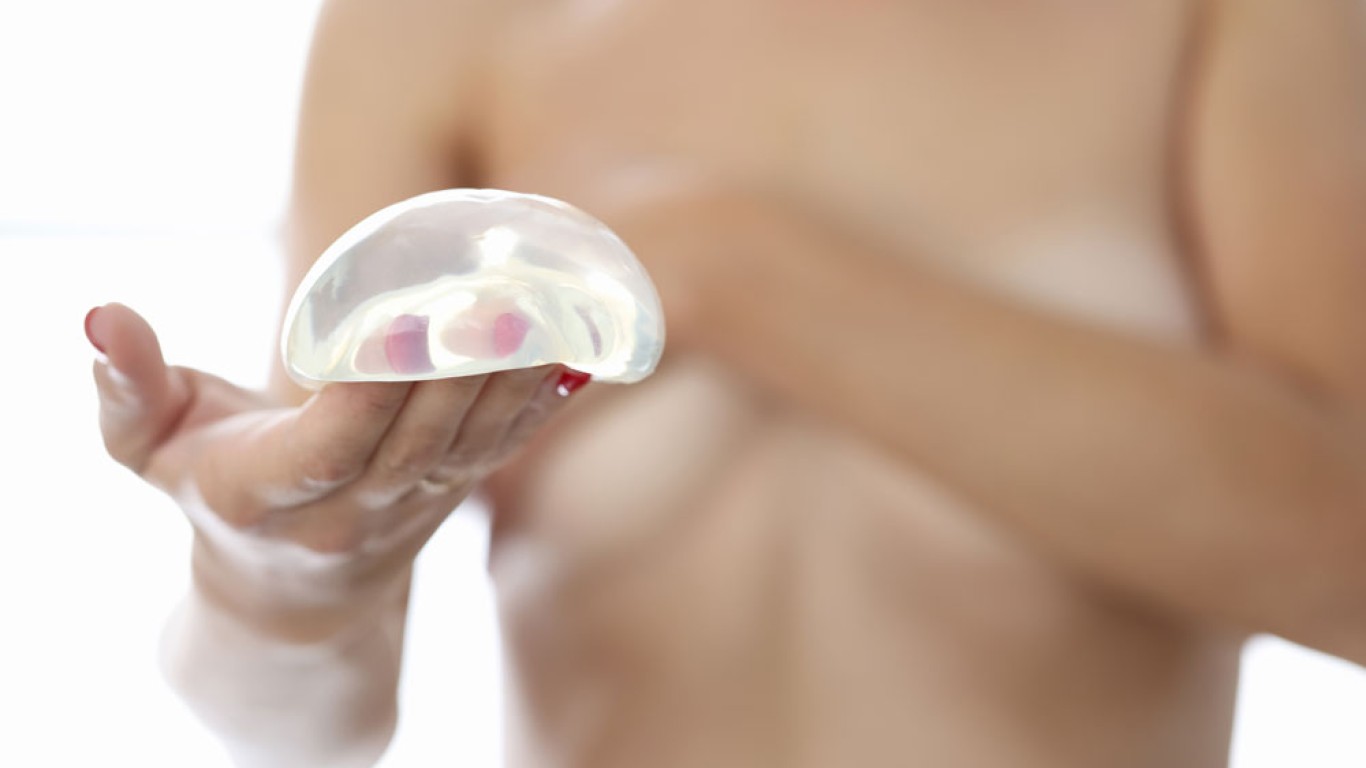
Round implants are the most commonly used implant shapes worldwide. They create fullness across the entire breast. The upper pole receives more volume than natural breast tissue would typically provide. This creates a rounded, lifted appearance. Implant shapes using round implants produce the most cleavage. The upper fullness pushes tissue toward the centre. Round implant shapes suit patients wanting a visibly augmented look. The result looks enhanced. However, modern round implants can also produce natural-looking results. When placed behind the muscle, gravity pulls the implant downward slightly. The breast shape appears more natural in the upright position. Round breast implant shapes are symmetrical. If the implant rotates within the pocket, the appearance does not change. This eliminates rotation as a complication risk. Round implants are available in smooth and textured surface options. They cost slightly less than teardrop alternatives.
Teardrop Breast Implant Shapes
Teardrop implants mimic the natural breast silhouette. Breast implant shapes using the teardrop design have less fullness in the upper portion. The volume is concentrated in the lower half. This creates a gentle slope from the upper pole to the point of maximum projection. The result looks more like a natural breast than a round implant typically produces. Implant shapes using teardrop implants suit patients wanting the most natural-looking augmentation. The breast appears subtly enhanced rather than obviously augmented.
Teardrop implant shapes have a textured surface. The texture helps the implant adhere to the surrounding tissue. This prevents rotation. Rotation would cause visible asymmetry because the shape is not symmetrical. Implant shapes using teardrop implants carry this rotation risk as a specific complication. It is uncommon but possible. If rotation occurs, a minor procedure repositions the implant. Teardrop implants cost slightly more than round alternatives due to the more complex manufacturing process.

Breast Implant Shapes Compared
| Feature | Round Implants | Teardrop Implants |
| Shape | Symmetrical circle | Tapered top, fuller bottom |
| Upper pole fullness | More | Less |
| Cleavage | More pronounced | More subtle |
| Natural appearance | Natural to augmented look | More natural slope |
| Shell texture | Smooth or textured | Textured (to prevent rotation) |
| Rotation risk | None (symmetrical) | Present (asymmetry if rotated) |
| Cost | Lower | Higher |
Breast implant shapes selection depends on what the patient wants to achieve. Round shapes suit patients wanting visible fullness and cleavage. Teardrop shapes suit patients wanting the most natural silhouette. The surgeon recommends based on individual anatomy alongside the patient's stated preferences. Implant shapes interact with body proportions. A teardrop implant on a very petite frame may look different from the same implant on a broader-chested patient. The surgeon evaluates how each shape would look on the specific patient's body during consultation.
Who Suits Round Breast Implant Shapes?
Round breast implant shapes suit a broad range of patients. Those wanting noticeable upper pole fullness prefer round. Patients who like the appearance of visible augmentation choose round. Implant shapes using round implants suit patients with some existing breast tissue. The natural tissue blends with the implant fullness. Round shapes also suit patients wanting the most cleavage. The upper fullness creates a pushed-together effect in certain bras and clothing. Breast implant shapes using round implants are the safest option from a rotation perspective. Patients concerned about implant malposition find round reassuring. Athletes and very active patients benefit from the rotation-proof design. Round implant shapes offer the widest range of size options. More profiles are available. The surgeon has maximum flexibility to match the patient's goals.
Who Suits Teardrop Breast Implant Shapes?
Teardrop breast implant shapes suit patients prioritising natural appearance. Those who want enhancement without an obviously augmented look prefer teardrop. Patients with very little existing breast tissue may achieve a more natural result with teardrop shapes. The gradual upper slope avoids the abrupt fullness that round implants can create on very slim patients. Implant shapes using teardrop suit patients with a tall, narrow chest wall. The anatomical shape complements this body type. Patients willing to accept the small rotation risk for a more natural silhouette choose teardrop. Implant shapes using teardrop require textured surfaces. Patients who prefer smooth implants cannot choose teardrop. This textured-only requirement is a practical consideration that influences the decision for some patients.
How Placement Affects Implant Shape
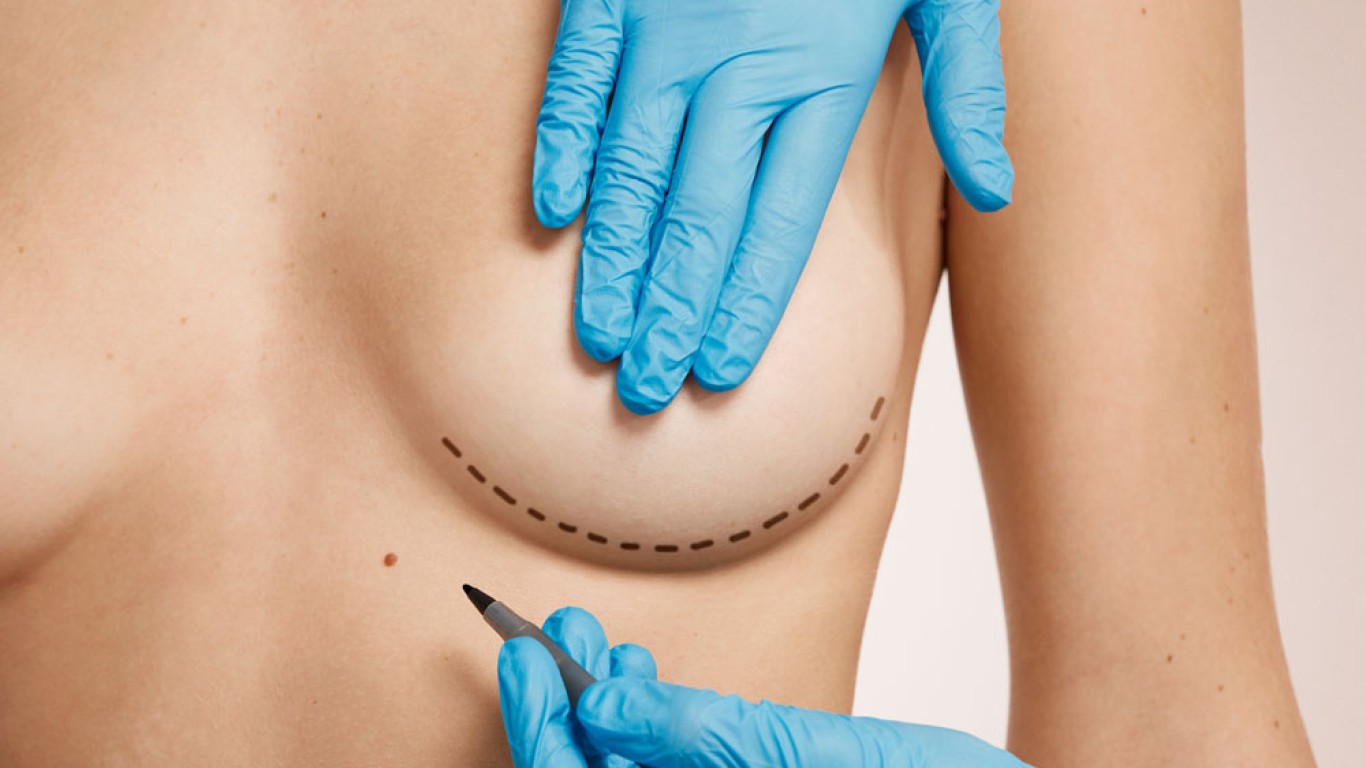
Implant placement interacts with shape significantly. Breast implant shapes behave differently above versus below the muscle. Round implants placed submuscularly look more natural than the same implant placed subglandularly. The muscle compresses the upper portion. This reduces upper pole fullness. The result approaches a natural slope. Implant shapes using round implants behind the muscle can produce results similar to teardrop implants in many patients. This is one reason round implants dominate the market. They offer versatility that teardrop shapes cannot match. Breast implant shapes using teardrop behind the muscle produce the most natural silhouette. However, the difference from round-behind-muscle is smaller than many patients expect. The surgeon demonstrates this during consultation. Understanding how placement modifies shape helps patients appreciate why many surgeons recommend round implants submuscularly as the most versatile option.
Conclusion
Breast implant shapes divide into round and teardrop categories. Round implants provide more upper fullness and cleavage. Teardrop implants create a more natural slope. Both produce excellent results for the right patients. Round implants are more versatile and rotation-proof. Teardrop implants suit patients prioritising the most natural silhouette. Placement behind the muscle modifies the shape effect of both types. Implant shapes should be selected collaboratively during consultation. Professional guidance ensures the best match between the patient's anatomy, goals and the chosen implant. Turkey offers both shapes at competitive pricing with experienced breast surgeons.
To find out more information about breast implant options and to book a consultation visit the ACIBADEM Beauty Center Aesthetics page.
Frequently Asked Questions
Teardrop creates the most natural slope. Round behind the muscle also produces natural-looking results.
Yes. Submuscular placement reduces upper fullness and creates a natural appearance.
Small but present. Textured surfaces reduce the risk. Rotation requires a minor corrective procedure.
Round implants are the most commonly used worldwide due to versatility and rotation-proof design.
Discuss your goals during consultation. The surgeon recommends based on your anatomy and preferences.