Ataşehir Mah. Feza Sk. No:3 İstanbul / Türkiye
 French
  English
  German
  Spanish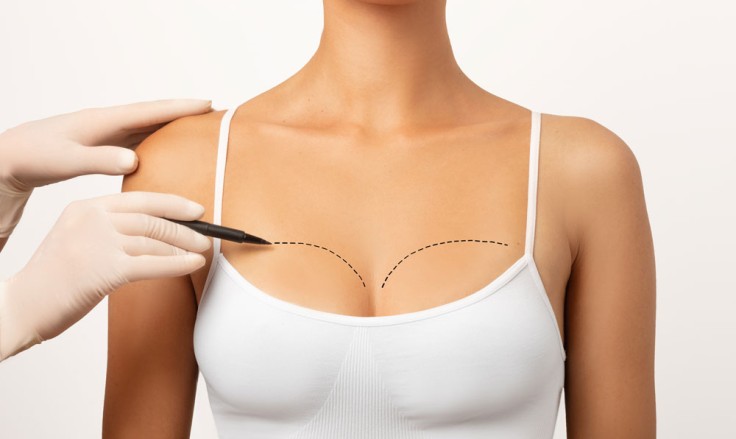
Introduction
Breast enhancement trends have shifted noticeably toward results that look and feel natural. Accordingly, many patients now compare a fat transfer boob job with traditional breast implants before making a decision. Both options aim to enhance breast shape and volume, yet they differ in technique, outcome and long term experience. Some individuals prioritise subtle refinement that blends seamlessly with their body. Others prefer a more noticeable change that alters breast size significantly. Understanding how a fat transfer boob job compares with implants helps clarify expectations and suitability. This article explores both options in depth, allowing patients to make informed, confident choices based on personal goals and anatomy.
What a Fat Transfer Boob Job Involves
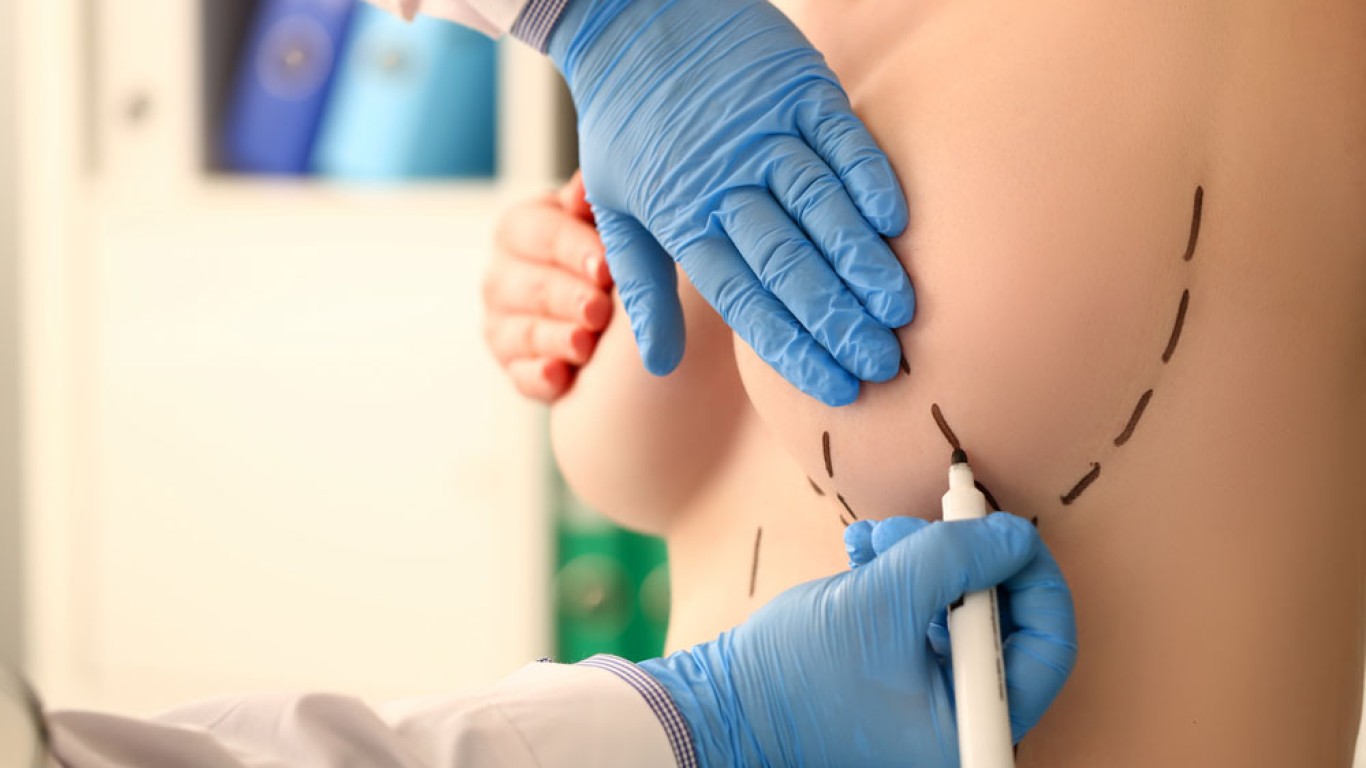
A fat transfer boob job enhances the breasts using the patient’s own body fat. Fat is first removed from areas such as the abdomen, flanks or thighs using liposuction. The harvested fat is then purified carefully to isolate healthy fat cells. Surgeons inject this fat into the breast tissue in small amounts. This layered placement helps maximise fat survival and create smooth contours. The primary goal of a fat transfer boob job is natural enhancement rather than dramatic enlargement. Because natural tissue is used, breasts often feel soft and organic after healing.
What Breast Implants Involve
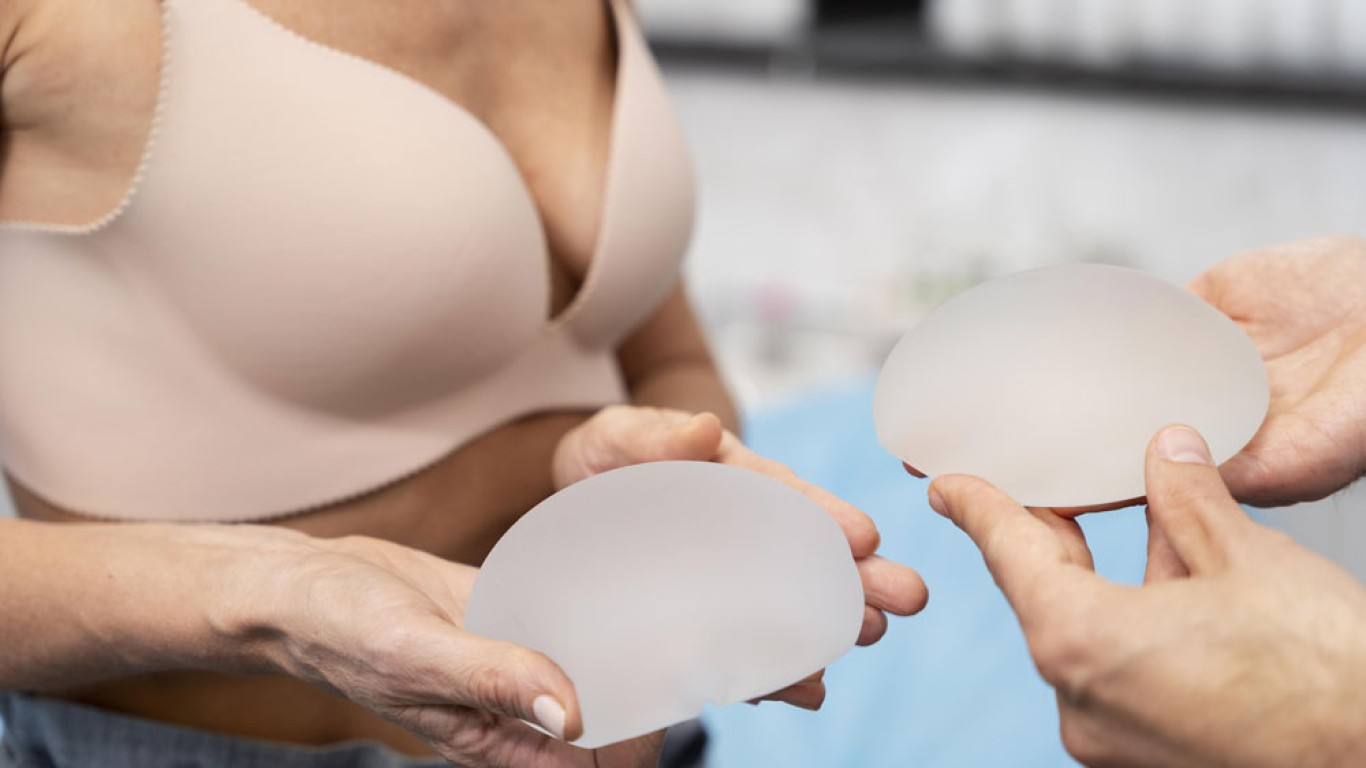
Breast implants involve inserting silicone or saline implants to increase breast volume. Surgeons select implant size, shape and profile during consultation. Placement may be above or below the chest muscle depending on anatomy and goals. Implants provide immediate and predictable volume increase. This approach suits patients seeking noticeable size enhancement. Modern implants are designed to mimic natural breast movement more closely than earlier versions. However, implants remain foreign materials within the body. Understanding this distinction helps patients weigh their comfort level.
Key Differences in Volume Enhancement
Volume potential represents one of the biggest differences between the two methods. A fat transfer boob job usually increases breast size by roughly one cup. Larger changes may require multiple procedures over time. Implants, however, can increase breast size by several cups in one operation. This predictability appeals to patients with specific size goals. Those seeking subtle change often prefer fat transfer, while patients wanting dramatic enhancement usually choose implants. Volume expectations strongly influence decision making.
Natural Look and Feel Comparison
Many patients want to prioritise a natural look and feel. A fat transfer boob job uses living tissue, which integrates into the body. As a result, breasts often feel very natural to touch, and movement also appears more organic. Implants may feel firmer depending on placement and type. While modern implants have improved significantly, fat transfer remains unmatched for softness. Aesthetic preference plays a central role in choosing between these options.
Suitability Based on Body Type
Body type significantly affects suitability. A fat transfer boob job requires sufficient donor fat. Very slim individuals may not have enough fat available. In contrast, implants do not depend on donor fat. Chest width, skin elasticity and existing breast tissue also matter. Consultation evaluates these factors carefully. Personal anatomy ultimately determines which option is feasible and likely to succeed.
Fat Transfer Boob Job vs Implants: Longevity of Results
Longevity differs between approaches. During a fat transfer boob job, some transferred fat is naturally reabsorbed. The remaining fat establishes blood supply and becomes permanent. Final volume stabilises over several months. Implants maintain consistent volume initially, however they may require replacement later in life. Understanding long term expectations helps patients plan realistically.
Fat Transfer Boob Job vs Implants: Scarring Considerations
Scarring patterns differ notably. Fat transfer uses very small incisions for liposuction and injection - these scars are usually discreet and fade well. Implant surgery requires larger incisions for placement and surgeons place these incisions strategically to minimise visibility. For patients concerned about scarring, this difference may influence preference.
Fat Transfer Boob Job vs Implants: Recovery Experience Compared
Recovery experiences also vary. A fat transfer boob job involves healing at both donor sites and the breasts. Swelling and bruising may occur across multiple areas. Implant recovery focuses primarily on the chest. Discomfort levels vary individually, thought downtime is manageable for both options. Understanding recovery scope helps patients plan time off appropriately.
Risk of Size Irregularities
Fat survival rates vary between individuals and this can cause minor asymmetry after fat transfer. Surgeons compensate by careful placement and planning. Implants provide symmetrical volume immediately but they may shift during healing. Both methods require precision to maintain balance and awareness of these factors supports realistic expectations.
Breast Shape Customisation
Customisation differs between methods. Fat transfer allows sculpting in specific regions - surgeons can enhance cleavage subtly or smooth contours. Implants offer shape variation through implant selection. Profiles influence projection and fullness and each method provides different creative control. Personal goals guide which type of customisation matters most.
Fat Transfer Boob Job vs Implants: Impact on Breast Sensation
Preserving breast sensation matters to many patients. A fat transfer boob job generally preserves sensation well. Implants may temporarily affect sensation due to tissue stretching but sensation often returns gradually over time. Individual healing responses differ. Surgeons discuss these possibilities during consultation.
Fat Transfer Boob Job vs Implants: Long Term Maintenance and Monitoring
Maintenance considerations differ significantly. Fat transfer results age naturally with the body and weight changes may affect breast volume. Implants require periodic monitoring for integrity and replacement may be advised eventually. Long term awareness supports satisfaction regardless of method chosen.
Combining Fat Transfer Boob Job With Implants
Some patients opt for a hybrid approach. Implants provide foundational volume while fat transfer refines edges and improves natural appearance. Fat can soften implant contours effectively. This combination requires careful planning and experience and not all patients are suitable. Hybrid approaches appeal to those seeking balance between volume and natural feel.
Cost Considerations and Overall Value
Costs vary based on complexity and expertise. A fat transfer boob job includes liposuction, processing and injection. Implants involve device costs and surgical placement. Value should be assessed beyond price alone - longevity, satisfaction and recovery experience all matter. Transparent consultation helps clarify financial expectations.
Psychological Impact and Confidence
Breast enhancement often influences confidence and body image. Subtle changes may feel more aligned with identity for some individuals. Others feel empowered by more noticeable enhancement. The fat transfer option often appeals to those seeking understated refinement. Emotional readiness plays an important role. Confidence benefits extend beyond physical change.
Who Chooses Fat Transfer Over Implants?
- Patients choosing fat transfer often prioritise natural results.
- They may prefer avoiding foreign materials.
- Subtle enhancement fits their lifestyle preferences.
- Having available donor fat is essential.
- These patients often value proportion and softness over size.
Who Chooses Implants Over Fat Transfer?
- Implants suit those seeking significant size increase.
- Predictable volume appeals to many individuals.
- Slim patients often lack donor fat for transfer.
- Implant options allow precise planning.
- Personal goals strongly influence this choice.
Breast Enhancement Trends in Turkey
Turkey has become a popular destination for breast enhancement because surgeons perform both techniques frequently. Clinics offer modern facilities and structured care, offering international patients comprehensive consultation models. The experience of Turkish surgeons supports consistent outcomes. As such, interest continues growing across the globe.
Managing Expectations Before Choosing
Clear expectations are essential before deciding. A fat transfer boob job cannot create dramatic enlargement. Implants offer more predictable size change. Understanding the limitations of each option helps prevent disappointment. Education supports confident, informed choices and a consultation with an expert remains critical.
Long Term Satisfaction Factors
Satisfaction ultimately depends on alignment true between goals and results. Natural feel may matter more than size for some patients while others prioritise visual impact. Lifestyle changes and ageing influence satisfaction over time. Long term thinking supports better outcomes.
Conclusion
Choosing between a fat transfer boob job and implants depends on anatomy, goals and expectations. Fat transfer offers subtle, natural enhancement using the body’s own tissue. Implants provide predictable, significant volume change. Both options can deliver satisfying results when selected appropriately. Professional guidance ensures the right approach for each individual.
To book a consultation and understand the best option for your goals, visit the ACIBADEM Beauty Center breast augmentation page.
Frequently Asked Questions
Surviving fat becomes permanent, although some initial reabsorption occurs.
It suits subtle enhancement but cannot achieve very large size increases.
Fat transfer generally offers the most natural look and feel.
Recovery involves more areas but is usually manageable.
A qualified surgeon should assess suitability and guide the decision.