Ataşehir Mah. Feza Sk. No:3 İstanbul / Türkiye
 French
  English
  German
  Spanish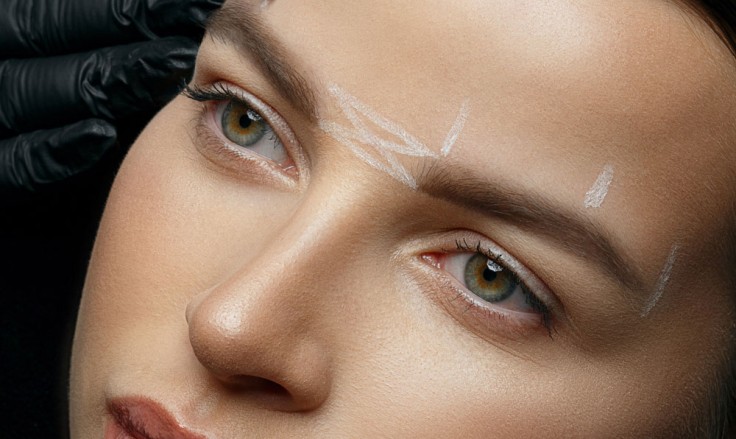
Introduction
The brow plays a key role in facial expression, symmetry and upper face balance. Even subtle brow descent can create a tired, heavy or stern appearance. As collagen declines with age, the brow may gradually lower. Many people seek lifting options without undergoing surgery or extended recovery. A non-surgical brow lift offers a minimally invasive approach to elevating the brow area with limited downtime. However, expectations must remain realistic. Understanding how this treatment works helps determine whether it can truly replace surgical correction or simply provide temporary refinement.
What Exactly Is a Non-Surgical Brow Lift?
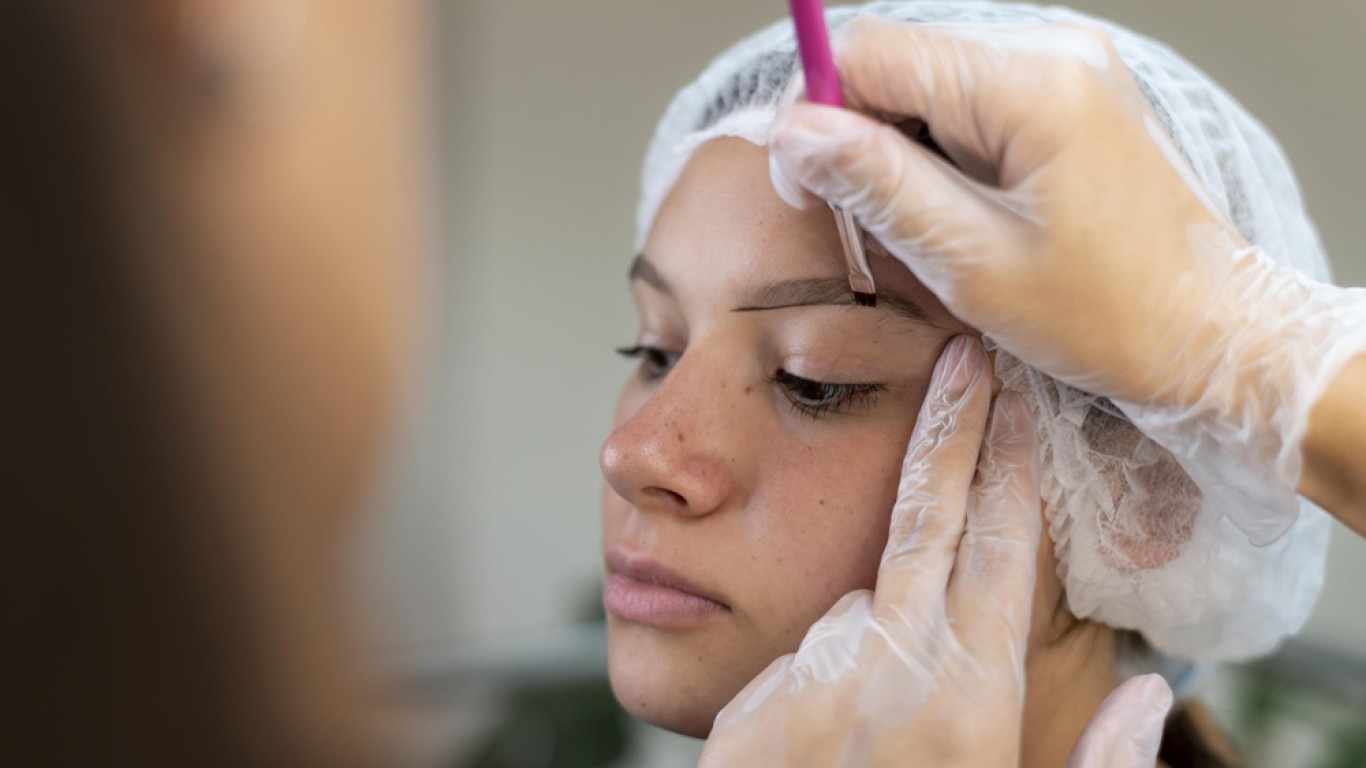
A non-surgical brow lift refers to techniques that elevate the brow without incisions or tissue removal. The most common approach uses muscle relaxing injectables to influence brow position. By relaxing downward pulling muscles, the brow can rise slightly through muscular balance. Dermal fillers may also support the brow tail in selected cases by restoring volume beneath the skin. Energy-based devices can stimulate collagen for gradual tightening. Each method aims to create subtle elevation rather than dramatic repositioning of deeper structures.
Ideal Candidates for Non-Surgical Brow Lift Elevation
A non-surgical brow lift is best suited for individuals with mild to moderate brow descent. Patients who notice slight heaviness at the outer brow often respond well to injectable techniques. Younger individuals seeking preventative refinement may also benefit. Those with good skin elasticity typically achieve more noticeable improvement. It is less effective in cases of significant skin excess or deep tissue laxity. Careful assessment ensures the treatment aligns with anatomical suitability. Selecting the right candidate is essential for achieving natural and satisfying results.
Non-Surgical Brow Lift: How Injectables Create Lift
Muscle relaxing injections weaken the muscles that pull the brow downward during expression. When these muscles relax, the opposing lifting muscles can function more effectively. This shift in balance may produce mild elevation of the brow tail. A non-surgical brow lift using injectables typically creates a natural and refreshed appearance without stiffness. The effect is gradual and controlled, usually developing over several days. Movement is preserved while excessive tension is reduced, maintaining authentic facial expression.
Non-Surgical Brow Lift: Role of Dermal Fillers in Brow Position
Dermal fillers can restore structural support in areas where volume has declined. When placed strategically beneath the outer brow, they may create subtle projection and lift. This approach does not physically reposition tissues like surgery. Instead, it enhances contour and support by improving underlying structure. A non-surgical brow lift using fillers is best suited for mild descent combined with volume loss. Conservative placement maintains natural proportion and prevents heaviness.
Non-Surgical Brow Lift: Energy-Based Skin Tightening
Radiofrequency and ultrasound devices deliver controlled energy to stimulate collagen production beneath the skin. Over time, improved collagen density may enhance skin firmness gradually. This tightening effect can contribute to a modest lifting effect in the upper face. A non-surgical brow lift using energy devices requires multiple sessions spaced over several weeks. Results develop progressively rather than immediately. This option suits individuals seeking gradual refinement without injections.
How Much Lift Is Realistic from Non-Surgical Brow Lift?
A non-surgical brow lift provides subtle elevation only and cannot reposition deep tissues significantly. Mild brow heaviness may improve noticeably, particularly at the outer brow. However, advanced sagging involving skin excess or deep tissue descent typically requires surgical correction. Clear consultation ensures expectations align with achievable outcomes. Subtle improvement can still create meaningful enhancement in facial openness.
The Importance of Facial Proportion
The brow must remain in harmony with the rest of the face - elevating it too much can create an unnatural or surprised expression. A non-surgical brow lift focuses on subtle adjustment rather than dramatic change. Brow height should complement eye shape and forehead structure. Balanced elevation enhances openness without distorting character. Skilled practitioners evaluate the entire upper face before treatment. Proportion and restraint are key principles in achieving believable results.
Non-Surgical Brow Lift Treatment Planning and Customisation
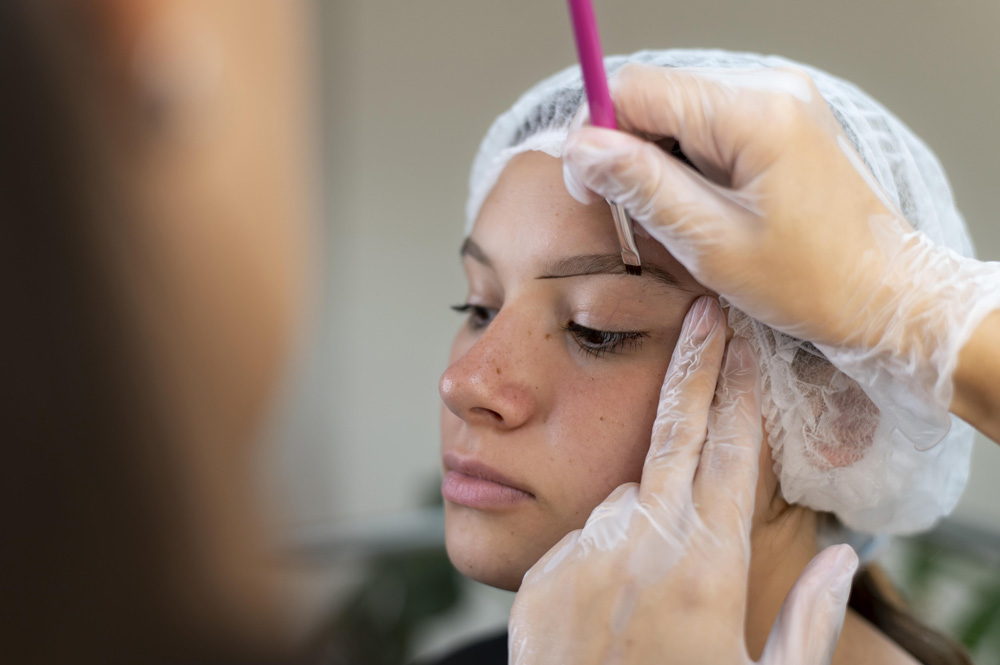
No two brows are identical in strength, symmetry or structure, so customisation plays a critical role in treatment success. A non-surgical brow lift plan considers muscle activity, brow position and patient goals. Some individuals require relaxation of central muscles, while others need outer brow support. Treatment may vary between both sides to correct asymmetry. Detailed planning prevents overcorrection and supports refined enhancement. Personalised dosing improves precision and longevity.
Potential Limitations of Non-Surgical Techniques
While minimally invasive methods offer convenience, they have structural limitations. A non-surgical brow lift can’t remove excess skin or reposition deep fascia. In cases of advanced ageing, improvement may be modest. Understanding these boundaries helps manage expectations realistically. Non-surgical options are maintenance focused rather than transformative. Clear consultation ensures patients understand achievable outcomes.
Longevity of Results
Results from injectables usually last several months before muscle activity returns gradually. Fillers may provide longer structural support depending on product choice and metabolism. Energy-based treatments stimulate collagen gradually but require maintenance to sustain firmness. A non-surgical treatment isn’t permanent and requires ongoing sessions for continued elevation. Longevity varies depending on technique, anatomy and individual response.
When Surgery May Be More Appropriate
Surgical brow lifts address deeper structural descent and excess skin directly. They reposition tissues and provide more dramatic, long lasting correction. In cases of significant laxity or functional brow heaviness, surgery provides more reliable improvement. A non-surgical treatment can’t replace this level of anatomical adjustment. Assessment determines whether non-invasive options are sufficient for individual goals. Functional visual concerns may also guide the decision toward surgery.
Combining Treatments for Better Results
Sometimes a combination approach produces the most balanced outcomes. Injectables may relax muscle tension while fillers restore structural support. Skin tightening devices can improve surface firmness gradually. A tailored non-surgical brow lift plan may integrate these methods carefully. Combined strategies create harmonious improvement across multiple layers. Personalised planning ensures subtle elevation without overcorrection.
Transitioning From Non-Surgical to Surgical Options
Some patients begin with non-invasive treatment before considering surgery later. A non-surgical treatment can serve as an introductory step. It allows individuals to explore subtle change without commitment to surgery. Over time, if laxity progresses, surgical options may be discussed. Transitioning is based on evolving anatomy rather than urgency. Structured follow up ensures appropriate timing for any future decisions.
Why Many Patients Choose Turkey for Non-Surgical Brow Lift Treatments
Turkey offers experienced aesthetic practitioners and access to advanced technology. Detailed consultation supports customised treatment planning tailored to anatomy and goals. A non-surgical treatment is performed conservatively to preserve natural expression and proportion. Patients value proportionate results, minimal downtime and structured follow up care. Precision technique enhances refined and balanced outcomes.
Maintaining Results Over Time
Consistency plays an important role in sustaining elevation. Regular maintenance sessions help preserve muscle balance and support. Lifestyle factors such as sun protection and skin care influence longevity. A non-surgical brow lift should be viewed as part of a broader facial strategy. Ongoing evaluation allows minor adjustments rather than drastic correction. Gradual maintenance often produces more natural and stable outcomes.
Overall, a non-surgical brow lift offers a refined solution for mild brow descent. While it cannot replace surgery in advanced cases, it provides meaningful improvement for appropriate candidates. Thoughtful planning, realistic expectations and skilled technique ensure balanced and proportionate results.
Conclusion
A non-surgical brow lift can provide subtle elevation and refreshed appearance for suitable candidates with mild descent. It works best for early changes rather than advanced laxity. While it cannot fully replace surgical correction in significant cases, it offers a less invasive alternative with minimal recovery. Clear expectations and personalised planning ensure satisfying and natural results.
For more information about choosing the right brow lift treatment for you, visit the ACIBADEM Beauty Center website.
Frequently Asked Questions
Results typically last several months depending on treatment type.
Discomfort is usually minimal and temporary.
It may help mild cases but not advanced sagging.
Injectable results appear within days to two weeks.
Maintenance sessions are needed for sustained results.