Ataşehir Mah. Feza Sk. No:3 İstanbul / Türkiye
 French
  English
  German
  Spanish
Introduction
Deep forehead wrinkles can create a tired, tense or aged appearance over time. These lines often become visible even when the face is completely relaxed. Many people assume surgery is the only effective solution once creases become pronounced. However, several non surgical treatments can soften deep forehead wrinkles successfully when selected carefully. The key lies in understanding their cause, depth and structural contribution. With personalised planning and realistic expectations, visible improvement is often achievable without invasive procedures or extended downtime.
Why Deep Forehead Wrinkles Form
Deep forehead wrinkles usually develop from repetitive muscle movement combined with gradual collagen decline. Years of raising the eyebrows reinforce horizontal creases in the same location. As skin elasticity reduces, these lines become etched permanently into the surface. Sun exposure accelerates collagen breakdown and weakens skin support significantly. Genetics, stress and lifestyle habits also influence how quickly deep forehead wrinkles appear. The longer the movement pattern persists, the more defined the creases become over time.
Assessing Wrinkle Depth Before Treatment
Not all forehead lines respond in the same way to treatment. Some are primarily dynamic, caused mainly by active muscle contraction. Others are static, remaining visible even when facial muscles are relaxed. Deep forehead wrinkles often involve both dynamic and structural components. Accurate assessment determines whether muscle relaxation, volume support or resurfacing is most appropriate. Evaluating brow position and skin thickness is also important. A tailored approach prevents over treatment and supports balanced, natural outcomes.
Deep Forehead Wrinkles: Injectables to Relax Muscle Activity
Muscle relaxing injectables are commonly used for forehead lines caused by repetitive movement. They reduce the strength of contractions that gradually deepen creases. Deep forehead wrinkles may soften progressively as the skin experiences less repetitive folding. This approach does not eliminate expression completely. Instead, it reduces excessive tension that reinforces line formation. Conservative dosing helps preserve natural eyebrow movement and emotional expression while improving surface smoothness.
Deep Forehead Wrinkles: Dermal Fillers for Structural Support
When creases remain visible at rest, dermal fillers may offer additional improvement. This is by restoring subtle structural support. Fillers are placed carefully beneath the skin’s surface to reduce indentation depth. This can soften deep wrinkles by smoothing transition areas gently. Precision is essential in this region due to vascular anatomy and muscle activity. When performed carefully, fillers provide refined contour while maintaining facial harmony and proportion.
Deep Forehead Wrinkles: Laser Resurfacing and Skin Renewal
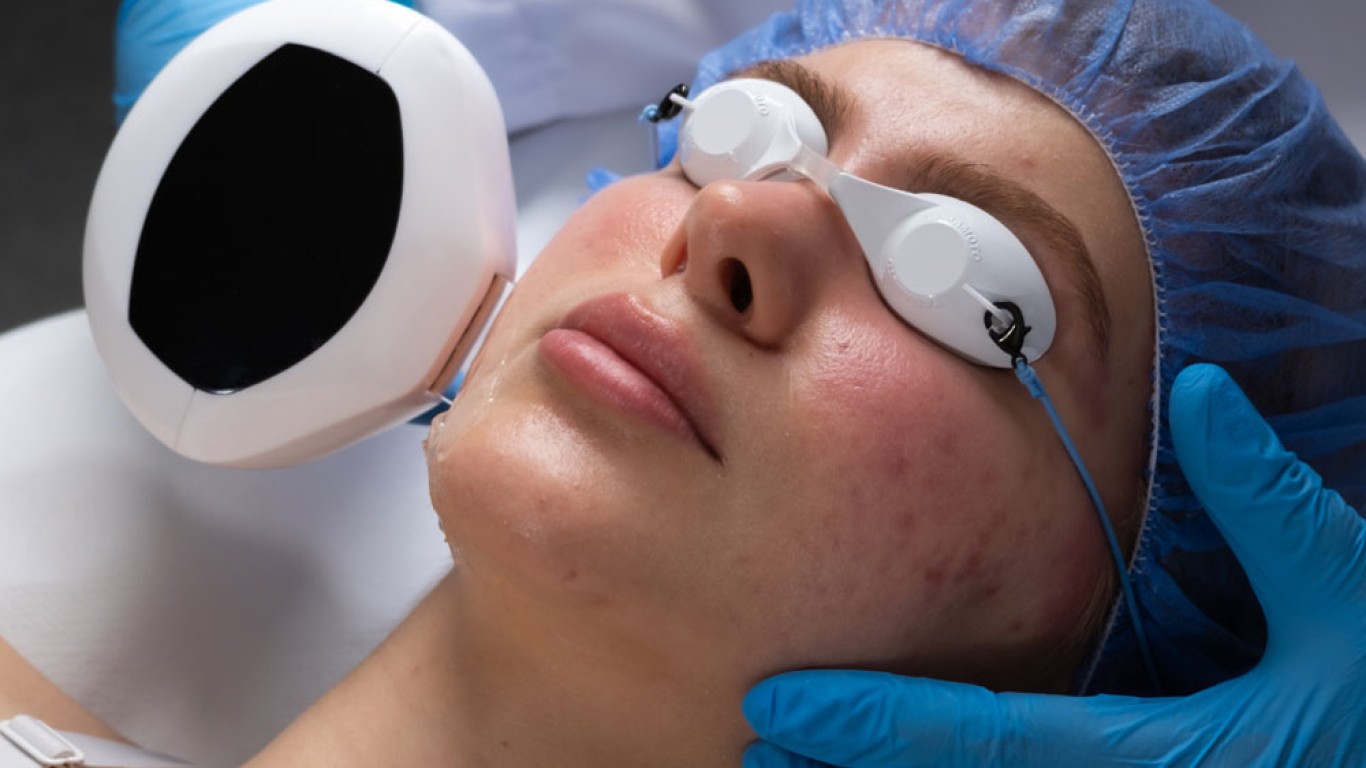
Laser treatments stimulate collagen production and improve surface texture gradually over time. These procedures target superficial irregularities and support dermal regeneration. Deep forehead wrinkles may appear less pronounced as collagen rebuilds beneath the skin. Results develop progressively over several weeks as the healing process continues. Skin texture often becomes smoother and more even. Resurfacing works particularly well when combined with muscle relaxation for comprehensive improvement.
Deep Forehead Wrinkles: Radiofrequency and Collagen Stimulation
Radiofrequency devices deliver controlled thermal energy into deeper skin layers to stimulate collagen formation. Gradual tightening may improve firmness and elasticity over time. Deep forehead wrinkles can appear softer as skin resilience improves. Multiple sessions are typically required to achieve visible change. This approach suits individuals seeking non injectable alternatives or those preferring gradual enhancement. Collagen stimulation supports long term refinement and complements other treatments effectively.
Deep Forehead Wrinkles: Combination Treatment Strategies
Deep wrinkles often respond best to combined treatment methods rather than single interventions. Muscle relaxation addresses dynamic movement that reinforces creases. Dermal support improves indentation depth where structural loss is present. Resurfacing enhances overall surface quality and texture. Using several techniques together creates balanced improvement without aggressive correction. Combination planning allows conservative refinement tailored to individual anatomy and aesthetic goals.
Preventing Further Deepening
Prevention remains important even after visible correction has been achieved. Daily sun protection protects collagen integrity and reduces additional breakdown. Hydration, balanced nutrition and adequate sleep support overall skin resilience. Reducing exaggerated repetitive expressions may also help limit progression. Deep forehead wrinkles can stabilise with consistent maintenance and review appointments. Early and regular intervention reduces the likelihood of surgical consideration later.
When Surgery May Be Considered
In some cases, structural brow descent contributes significantly to persistent lines. When muscles compensate for heavy brows, horizontal creases deepen further. In these situations, surgical brow repositioning may be discussed during consultation. However, many patients achieve satisfactory improvement without surgery. Non invasive options often provide meaningful softening and improved balance.
Why Many Patients Choose Turkey for Non Surgical Treatments
Turkey offers advanced aesthetic technology and experienced practitioners trained in facial anatomy. Clinics provide structured consultation and personalised treatment planning. Deep wrinkles are assessed carefully to determine appropriate combinations and conservative dosing. Patients value subtle, proportionate enhancement supported by professional guidance. Comprehensive planning ensures natural results aligned with facial expression and identity.
How Skin Thickness Affects Treatment Outcomes
Skin thickness plays an important role in how deep forehead wrinkles respond to treatment. Thicker skin may mask early lines but can form deeper creases once collagen declines. Thinner skin often shows lines earlier yet may respond quickly to surface treatments. Understanding tissue quality helps guide realistic expectations. Patients with strong dermal support may see smoother results from collagen stimulation. Those with thinner skin may benefit more from combined strategies. Tailoring treatment to skin characteristics improves precision and long term satisfaction.
The Influence of Facial Anatomy
Every forehead has a unique anatomical structure. Bone shape, brow prominence and muscle distribution all influence wrinkle formation. Some individuals naturally have more active frontalis muscles, leading to earlier crease development. Others may develop deep wrinkles due to structural brow descent rather than muscle strength alone. Accurate facial analysis ensures treatment addresses the true underlying cause. A personalised anatomical approach avoids generic solutions and enhances balanced refinement.
Can Skincare Alone Improve Deep Lines?
Many patients ask whether topical products can soften deep forehead wrinkles without professional treatment. While medical grade skincare improves hydration and surface smoothness, it rarely corrects etched creases fully. Retinoids can support collagen turnover gradually over time. Peptides and growth factor formulations may improve elasticity modestly. However, deeply established lines typically require muscle or structural intervention. Skincare remains an important supportive measure rather than a standalone solution.
The Role of Consistency in Non Surgical Treatment
Non surgical correction often requires ongoing maintenance rather than one single session. Deep wrinkles develop over many years, so gradual improvement is more realistic than immediate reversal. Regular follow up allows adjustment of dosage and technique as needed. Consistency prevents lines from returning to their previous depth. Long term management creates a stable and predictable outcome. Patients who commit to maintenance often achieve smoother, more durable results.
Emotional Expression and Treatment Balance
One concern when treating deep forehead wrinkles is preserving authentic expression. The forehead plays a central role in non verbal communication. Overcorrection can create an unnatural or rigid appearance. Careful dosing ensures facial cues remain expressive and genuine. The objective is to soften harsh creases without eliminating personality. Balanced treatment supports confidence while maintaining emotional clarity.
Early Intervention Versus Late Correction
Addressing lines earlier can simplify long term management significantly. Mild dynamic lines respond quickly to muscle relaxation alone. Once wrinkles become deeply etched, combination therapy may be required. Early intervention reduces structural indentation and collagen loss progression. Patients who begin treatment sooner may require lower intensity correction. Prevention and gradual refinement often lead to more natural outcomes.
Environmental Factors That Worsen Forehead Lines
Sun exposure remains one of the strongest environmental contributors to skin ageing. Ultraviolet radiation breaks down collagen fibres and weakens elasticity. Pollution and chronic dehydration can also accelerate skin deterioration. These factors deepen existing creases and reduce treatment longevity. Protecting the skin with sunscreen and antioxidant support enhances non surgical results. Environmental awareness plays a meaningful role in maintaining smoother skin.
Long Term Skin Health and Ageing Gracefully
Ageing is a natural process that cannot be eliminated completely. However, it can be managed thoughtfully and proportionately. Deep wrinkles do not require aggressive correction to achieve improvement. Subtle, strategic treatment maintains facial harmony over time. Supporting skin health through lifestyle habits reinforces medical intervention. Ageing gracefully focuses on preservation and balance rather than dramatic alteration. Overall, deep forehead wrinkles can often be softened successfully without surgery when addressed comprehensively. Understanding anatomy, skin quality and lifestyle influence allows tailored correction. Conservative, consistent treatment supports smoother skin while preserving authentic expression.
Conclusion
Forehead wrinkles can often be softened effectively without surgical intervention. By combining muscle relaxation, dermal support and collagen stimulation, visible improvement is achievable in many cases. Treatment selection depends on wrinkle depth, skin quality and facial structure. With personalised planning and consistent maintenance, smoother forehead contour can be achieved while preserving natural expression.
For more information and to book a consultation visit the ACIBADEM Beauty Center Skin Treatments webpage.
Frequently Asked Questions
They can be significantly softened but not permanently erased.
Results typically last several months before maintenance is required.
Most resurfacing procedures are well tolerated with minimal discomfort.
When performed by experienced practitioners, they can be used safely.
They can slow progression when maintained consistently.