Ataşehir Mah. Feza Sk. No:3 İstanbul / Türkiye
 English
Introduction
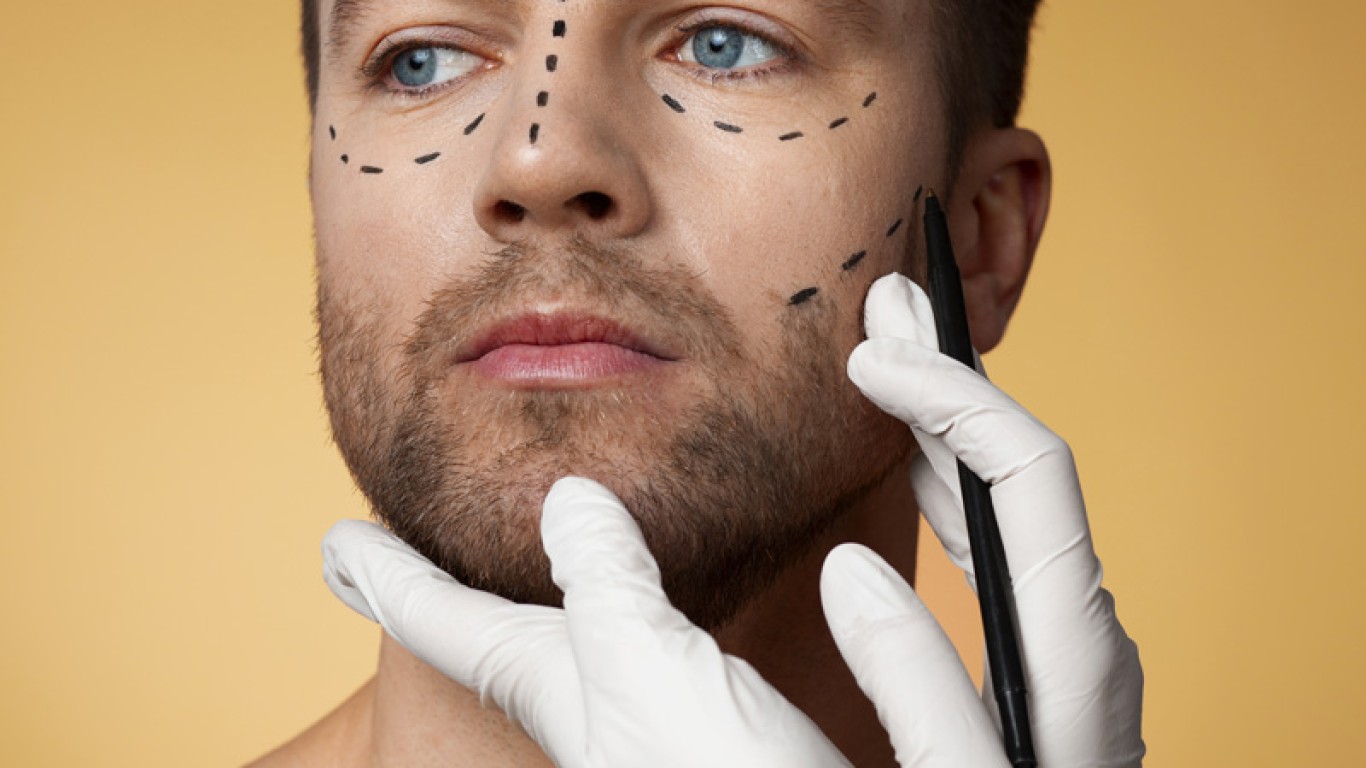
A mini facelift in the thirties is an increasingly discussed topic. Patients are more aware of cosmetic options at younger ages. Some patients notice early jowling or jawline softening in their late thirties. Others want preventive treatment. The question of whether a mini facelift in the thirties is appropriate depends on individual anatomy, the degree of ageing and whether non-surgical alternatives could achieve the same result. This article examines the case for and against a mini facelift in the 30s.
What Is a Mini Facelift?
A mini facelift is a less extensive version of a full facelift. It uses shorter incisions. The dissection is limited to the jowl and jawline area. The deeper SMAS layer is tightened over a smaller area. Recovery is faster. The improvement is more subtle. A mini facelift in the thirties addresses early changes that a full facelift would overcorrect. The procedure takes one and a half to three hours. Local anaesthesia with sedation is common. General anaesthesia is an option. Recovery allows social return within seven to ten days. Scarring is minimal. The incisions sit around the ear within natural creases. A mini facelift in the 30s produces a refreshed, defined jawline without the dramatic transformation associated with full facelift surgery.
Is a Mini Facelift in Your 30s Appropriate?
For most patients in their thirties, a mini facelift is premature. The majority of thirty-something patients do not have sufficient ageing to warrant surgical intervention. Skin quality is still good. Jowling is minimal or absent. The jawline remains reasonably defined. A mini facelift in the thirties for most patients would produce minimal visible improvement because there is little to correct. However, exceptions exist. Some patients develop early jowling in their late thirties due to genetics, weight fluctuation or naturally thin facial tissue.
These patients may have a genuine indication for a mini facelift in their thirties. The key is whether visible improvement would result from the surgery. If the jawline would look noticeably better after a mini facelift, the procedure may be appropriate regardless of age. If the improvement would be imperceptible, the surgery is unnecessary. A mini facelift in the 30s is appropriate when anatomy warrants it rather than when age alone determines timing.
Mini Facelift in Your 30s: When It Makes Sense
Specific scenarios justify the procedure. A mini facelift in the 30s makes sense for patients with hereditary early jowling. Some families develop lower face laxity decades before the general population. The genetic pattern is clear. The ageing is visible. The concern is established. A mini facelift in the thirties also makes sense for patients who have experienced significant weight loss. Rapid fat loss in the face deflates the cheeks. The skin hangs loosely along the jawline. Jowling develops at an unusually young age.
A mini facelift in the 30s after weight loss corrects this premature sagging. A mini facelift in the 30s may suit patients with naturally thin facial tissue. Less subcutaneous fat means less cushioning. Ageing changes show earlier. The skin descends more readily without the volume to support it. A mini facelift in the thirties for these patients addresses a real visible concern rather than a premature cosmetic desire.

Mini Facelift in Your 30s: When Non-Surgical Is Better
Most patients in their thirties suit non-surgical approaches. A mini facelift in the thirties is often unnecessary when the same concern can be managed without surgery. Dermal filler along the jawline restores definition. Botox in the lower face refines the jaw contour. Thread lifts provide mild elevation for early laxity. A mini facelift in the 30s alternative through non-surgical treatment produces genuine improvement for early changes at lower cost with no downtime. The results are temporary. Maintenance is needed.
However, the lower commitment level suits patients whose ageing is still mild. A mini facelift in the 30s should be considered only after non-surgical options have been explored. If filler and threads no longer produce satisfactory improvement, the transition to surgical correction is appropriate. Many patients use non-surgical treatment through their late thirties and forties before progressing to a mini facelift when the ageing exceeds what non-surgical methods can address. This staged approach provides continuous improvement without premature surgery.
Mini Facelift in Your 30s: Advantages of Earlier Surgery
Early intervention has genuine benefits when appropriate. A mini facelift in the thirties produces the most natural result because the correction is minimal. The face does not look operated upon. The improvement is subtle. Friends notice the patient looks refreshed without identifying surgery. A mini facelift in the thirties allows a longer enjoyment period. A procedure at thirty-eight provides ten or more years of benefit. The same procedure at fifty-two provides the same duration but at a later stage. A mini facelift in the thirties skin quality supports excellent healing. Younger skin has more collagen. Elasticity is better. Scars heal more finely. Recovery is typically faster. A mini facelift in the thirties tissue quality advantages produce the most refined and natural-looking surgical result.
Mini Facelift in Your 30s: Disadvantages
Several drawbacks warrant consideration. A mini facelift in the thirties may be unnecessary. If the ageing is too subtle to produce visible improvement, the surgery provides no benefit while carrying the risks of any surgical procedure. A mini facelift in the thirties means the patient may need a second procedure in their fifties when age-related changes become more significant. This means two surgical procedures over a lifetime rather than one well-timed procedure at the optimal moment. A mini facelift in the thirties cost must be weighed against non-surgical alternatives that could manage the concern for years before surgery becomes necessary. The surgical investment may be premature from a financial perspective. A mini facelift in the thirties carries the same surgical risks as at any age. Infection, bleeding, nerve injury and scarring are possible. These risks are not justified when the improvement would be minimal.
Conclusion
A mini facelift in the thirties is appropriate for patients with genuine early jowling from genetics, weight loss or thin facial tissue. For most patients in their thirties, non-surgical options including filler, Botox and thread lifts are more appropriate. The decision should be based on visible ageing rather than age alone. Honest consultation determines whether surgery would produce meaningful improvement. Earlier surgery produces the most natural results when justified. Premature surgery provides no benefit. Professional assessment ensures the right timing. Turkey offers mini facelift at competitive pricing with experienced specialists. Individual skin quality, facial structure and long-term expectations should also guide treatment decisions. Careful planning helps preserve natural facial proportions while avoiding unnecessary intervention.
To find out more information about facelifts and to book a consultation visit the ACIBADEM Beauty Center Aesthetics page.
Frequently Asked Questions
For most patients, yes. Some patients with genuine early jowling may be appropriate candidates.
Dermal filler, thread lifts and Botox manage early jawline changes effectively without surgery.
Honest professional consultation determines whether visible improvement would result from surgery.
Five to eight years. The face continues ageing from the rejuvenated starting point.
Two thousand five hundred to four thousand five hundred pounds all-inclusive.