Ataşehir Mah. Feza Sk. No:3 İstanbul / Türkiye
 French
  English
  German
  Spanish
Introduction
Breast enhancement has traditionally been associated with surgical implants. However, interest in non surgical breast augmentation has grown significantly in recent years. Many individuals want subtle improvements without undergoing invasive procedures or extended recovery. Non surgical breast augmentation focuses on techniques designed to enhance breast volume without traditional implants. These methods appeal to patients seeking gradual or modest changes rather than dramatic enlargement. Some individuals prefer approaches that use their own body tissue or temporary fillers. This is instead of using synthetic implants. Surgical breast augmentation remains the most effective way to increase breast size. However, non surgical approaches offer alternative options in certain situations. Understanding how these treatments work helps patients evaluate whether they can achieve meaningful results. Careful consultation with a qualified practitioner is essential. It will help patients determine which technique may deliver the most appropriate outcome.
What Is Non Surgical Breast Augmentation?
Non surgical breast augmentation refers to methods that enhance breast shape or volume without implant surgery. These treatments typically rely on injectable fillers or fat transfer techniques. The goal is to improve contour while maintaining a natural appearance. Unlike traditional augmentation surgery, these approaches do not require large incisions or implant placement. Some techniques involve transferring fat from another part of the body into the breast tissue. Others use specialised dermal fillers designed to add subtle volume. The suitability of each method depends on the patient’s anatomy and aesthetic goals.
How Non Surgical Breast Augmentation Works
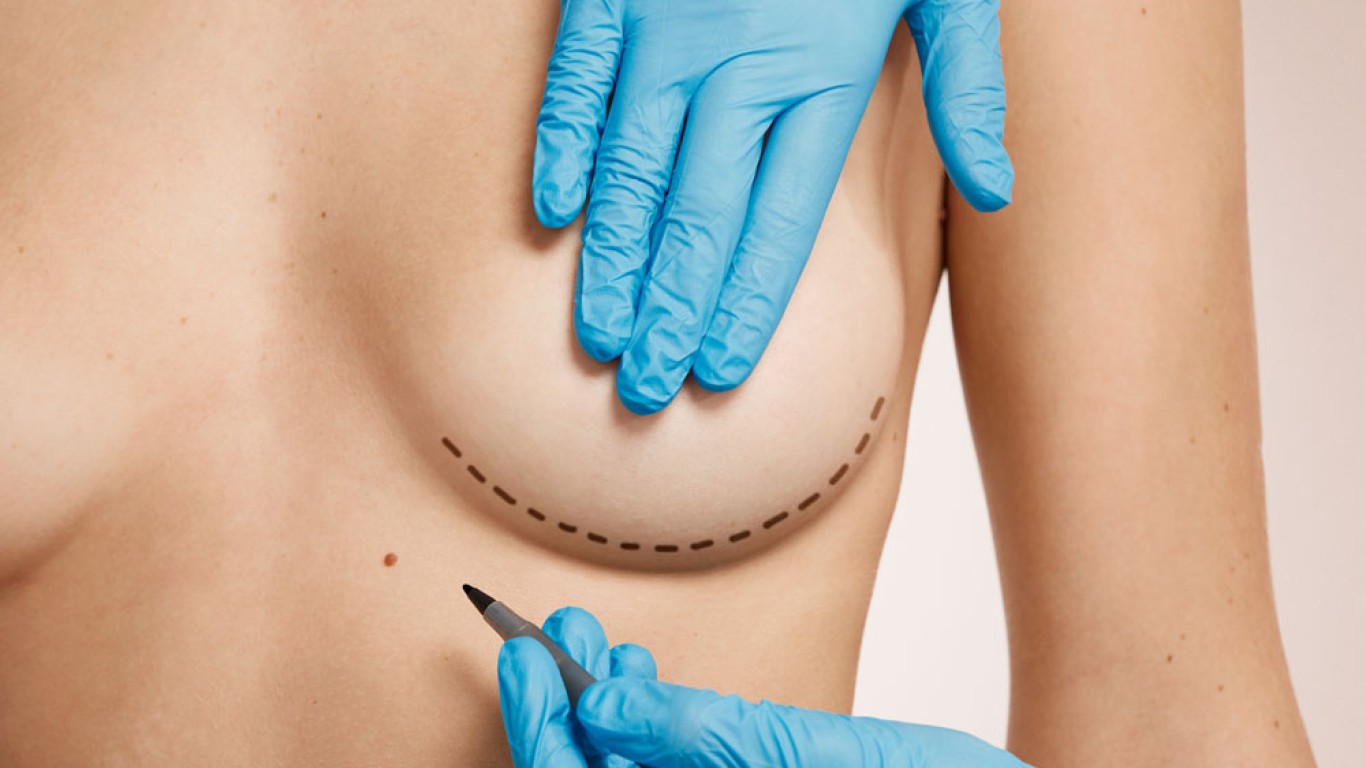
Different techniques are used depending on the treatment approach selected. Fat transfer breast augmentation involves removing fat through liposuction from areas. These include the abdomen or thighs. The harvested fat is then purified and carefully injected into the breasts. This technique increases volume using the patient’s own tissue. Alternatively, dermal fillers can be placed strategically to improve contour and projection. Both approaches aim to enhance shape while maintaining natural softness. The procedure is usually performed under local anaesthesia and typically requires minimal downtime. During treatment, the practitioner distributes fat or filler carefully across different areas of the breast. Precision during this stage helps prevent irregularities and ensures a balanced result.
Results You Can Expect from Non Surgical Breast Augmentation
Results from non surgical breast augmentation tend to be modest compared with implant surgery. Most patients experience subtle improvements in shape or fullness rather than a dramatic increase in size. Fat transfer can increase breast volume by approximately one cup size in suitable candidates. Fillers provide immediate contour enhancement but may require maintenance treatments. The natural feel of fat transfer is one of the main advantages of this approach. Because the procedure uses the patient’s own tissue, the breasts maintain natural softness and movement. Many individuals appreciate that the enhancement looks and feels similar to natural breast tissue. Over time, the body may reabsorb some transferred fat cells. This is why surgeons sometimes slightly overfill the area during the procedure. The final result becomes clearer after swelling settles and the surviving fat cells stabilise.
Advantages of Non Surgical Augmentation
One of the main benefits of non surgical breast augmentation is the reduced recovery time. Many patients return to normal daily activities shortly after treatment. The procedure does not require general anaesthesia or large surgical incisions. Fat transfer techniques also offer the additional benefit of body contouring at the donor site. This means fat can be removed from abdomen or thighs while enhancing breast volume. Many individuals appreciate the more natural approach compared with synthetic implants. Another advantage is the gradual nature of the enhancement. This can look more subtle and natural in appearance. Because the procedure uses small entry points rather than surgical incisions, visible scarring is minimal. For patients seeking gentle improvement rather than dramatic enlargement, this approach may be particularly appealing.
Who Is a Good Candidate for Non Surgical Breast Enhancement?
Ideal candidates for non surgical breast augmentation are individuals seeking subtle enhancement. It suits these people better rather than those who want dramatic size changes. Patients with adequate donor fat may be suitable for fat transfer procedures. Those interested in temporary contour adjustments may consider filler-based techniques. Candidates should have realistic expectations about the level of improvement achievable. Good overall health and stable body weight also contribute to better outcomes. A professional consultation helps determine whether this treatment approach is appropriate for each individual.
Non Surgical Breast Augmentation vs Implants
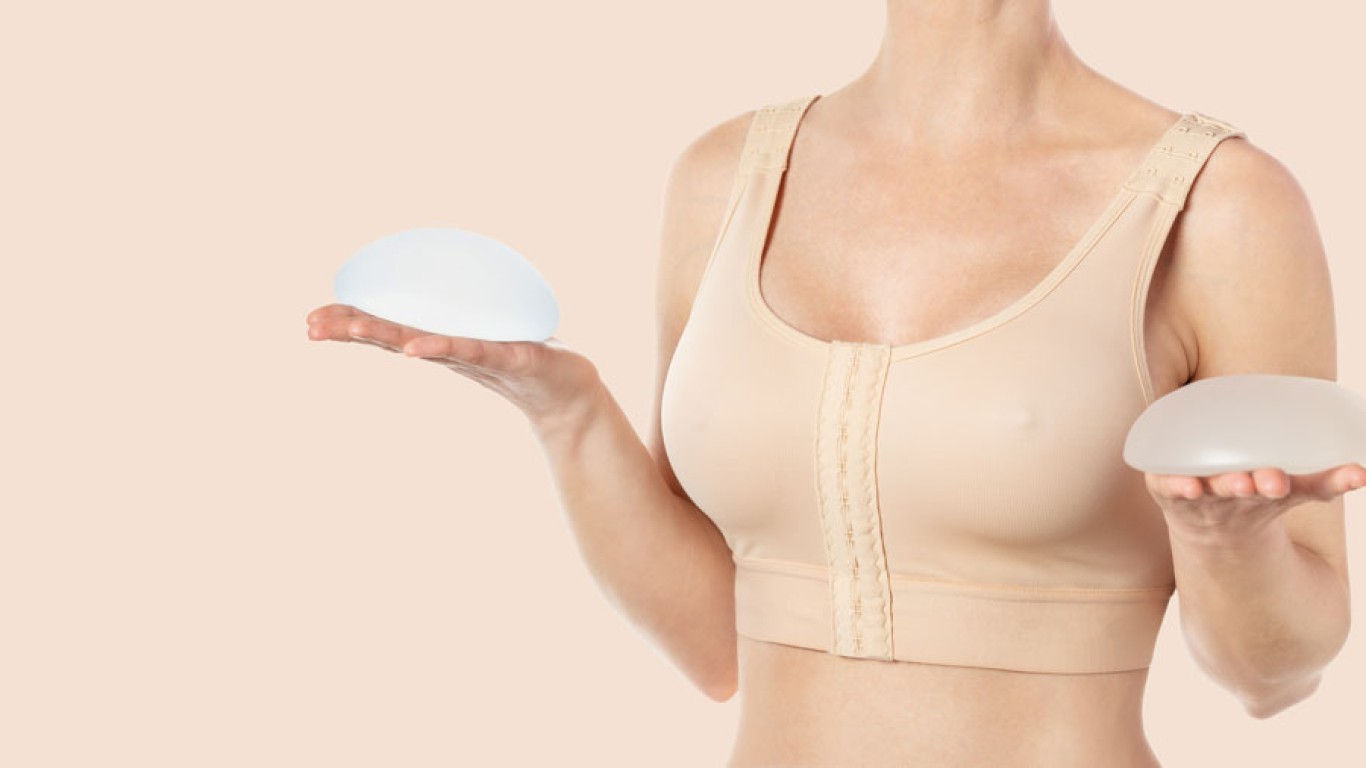
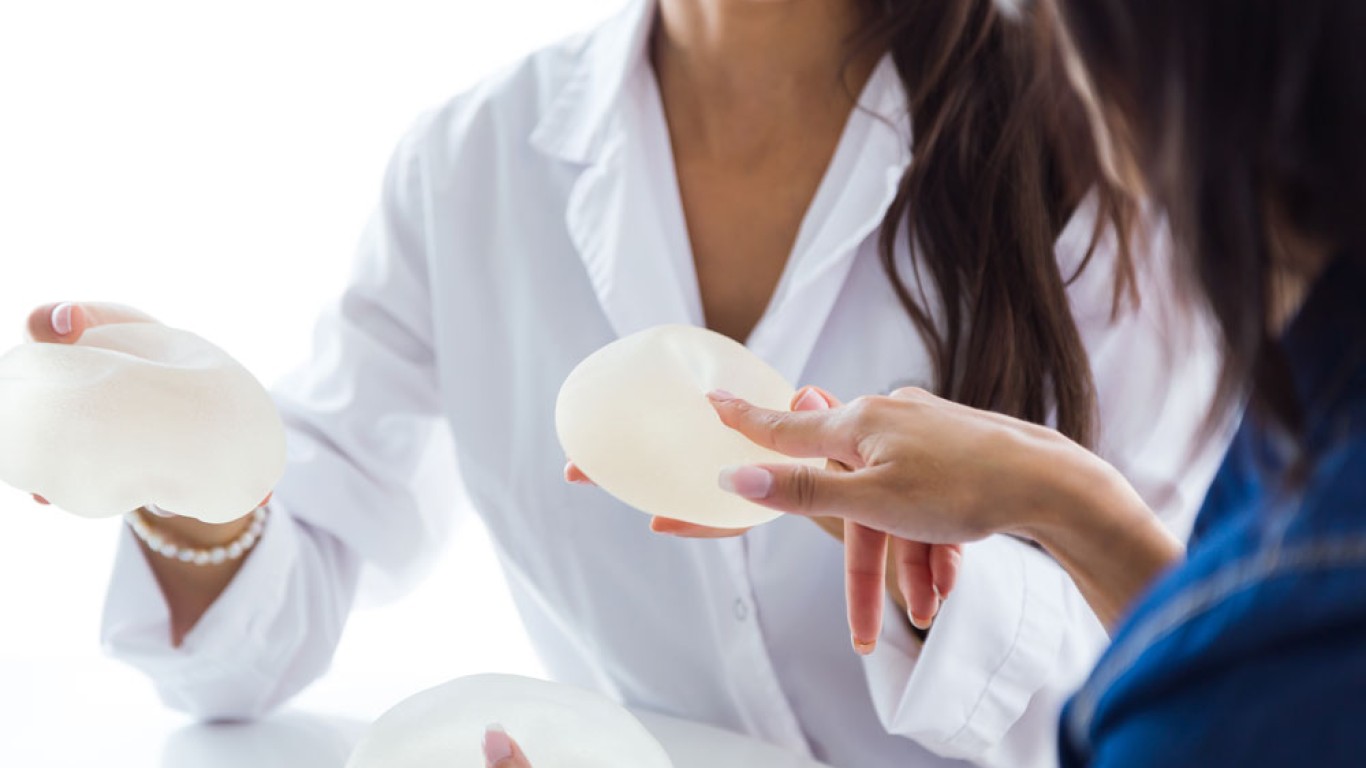
Traditional breast implants remain the most effective way to achieve significant breast enlargement. Implant surgery allows surgeons to create larger and more predictable increases in volume. Non surgical breast augmentation focuses instead on subtle enhancement. Fat transfer results appear natural but are limited in size increase. Fillers provide temporary shaping rather than permanent structural change. The choice between these options depends on patient goals, anatomy and desired results.
Recovery After Non Surgical Breast Augmentation
Recovery after non surgical breast augmentation is generally quicker than surgical procedures. Patients who undergo fat transfer may experience mild swelling or bruising. This can take place at both the donor and breast areas. These effects usually improve within a few weeks. Filler-based procedures often involve minimal downtime. Patients are usually able to resume most daily activities shortly after treatment. Following post-treatment guidelines helps support optimal healing and long-term results.
Long-Term Maintenance and Results
Long-term results depend on the treatment method used. Fat transfer results can be long lasting if the transferred fat cells establish a stable blood supply. Maintaining a stable body weight helps preserve these results over time. Fillers gradually break down within the body and may require repeat treatments. Some patients choose occasional touch-ups to maintain breast contour. Regular follow-up appointments help monitor outcomes and plan future treatments if necessary. Lifestyle factors such as nutrition, exercise and weight stability influence how long results remain visible. Patients who maintain consistent habits often preserve their enhancement for longer periods. Periodic consultations with a practitioner can help assess whether additional treatment sessions may be beneficial to maintain desired breast shape and volume.
Safety Considerations for Non Surgical Breast Enhancement
Safety is an important consideration when evaluating non surgical augmentation. These procedures avoid implant surgery. However, they still require careful medical assessment and professional expertise. Qualified practitioners must evaluate breast tissue, skin elasticity and overall health before recommending treatment. Fat transfer procedures require careful harvesting, purification and injection techniques to maintain fat cell viability. Injectable fillers used in the breast area must also be selected. These are placed with precision to maintain natural contour. Choosing a clinic with experience in aesthetic breast procedures helps ensure that treatments are performed with appropriate safety protocols and sterile conditions.
How Skin Quality Influences Results
Skin elasticity plays a significant role in how breast enhancement appears after treatment. Patients with good skin tone may experience smoother contour and more natural shaping. When skin elasticity is reduced, the breast tissue may not support additional volume as effectively. This can influence how visible enhancement appears after non surgical breast enhancement. Specialists often assess skin quality during consultation. This determines whether the treatment will produce the desired improvement. In some cases, additional skin tightening treatments may be recommended. This helps complement the enhancement and support better contour.
Planning Subtle Proportion Improvements
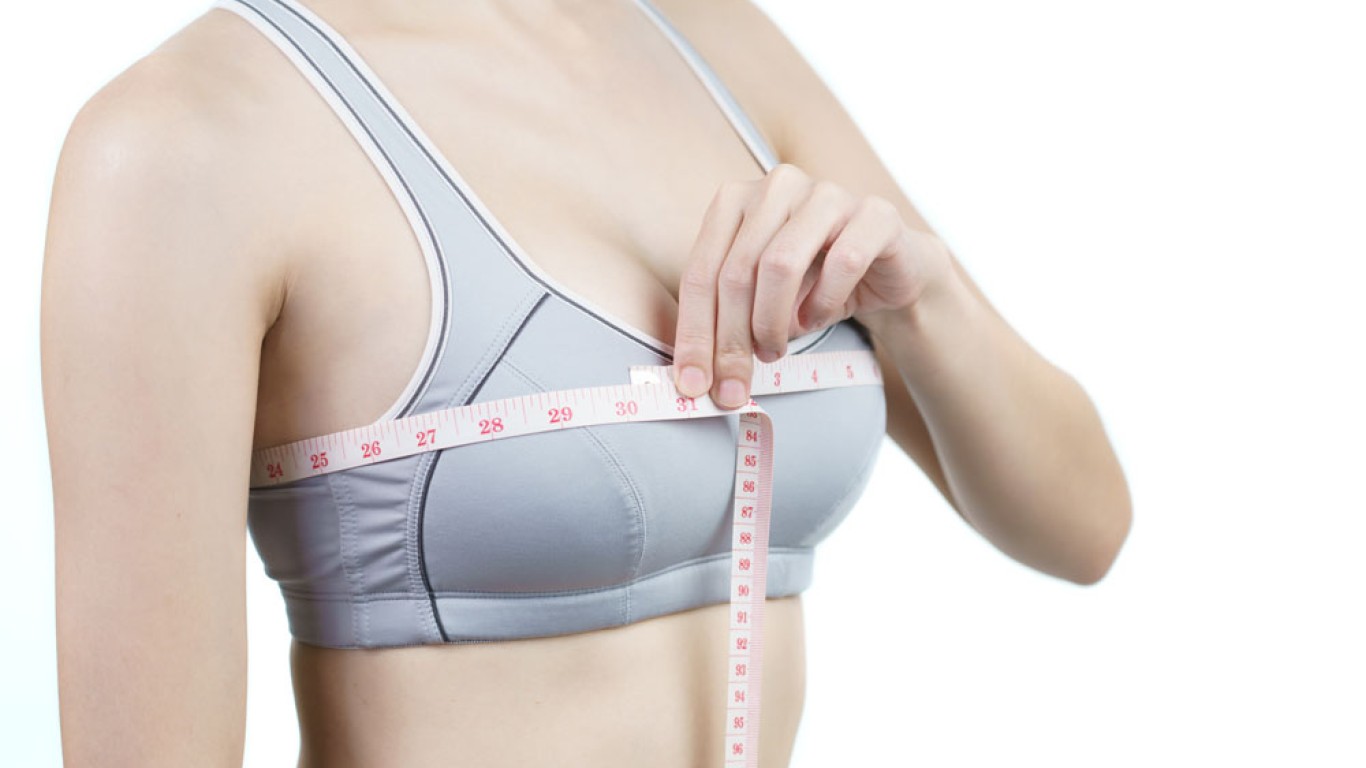
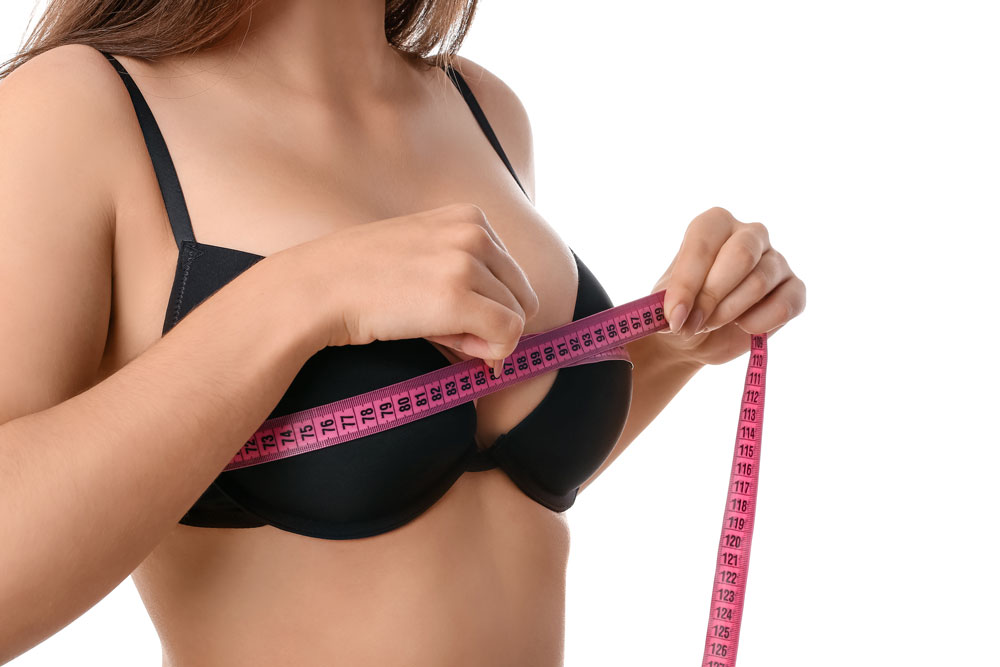
Non surgical breast enhancement often focuses on improving proportion rather than dramatically increasing size. Small adjustments in volume can enhance balance between the breasts and the rest of the body. Specialists carefully evaluate chest width, breast base diameter and overall body proportions when planning treatment. These measurements help guide how much volume can be added safely and effectively. By focusing on proportion rather than maximum enlargement, the result often appears more natural. This approach allows patients to enhance shape while maintaining harmony with their natural body structure.
Conclusion
Non surgical breast augmentation offers an alternative option for individuals seeking subtle breast enhancement without implants. Techniques such as fat transfer and fillers can improve breast contour while maintaining a natural feel. These methods provide modest volume increases and shorter recovery periods compared with surgical procedures. Understanding the capabilities and limitations of non surgical breast enhancement is important. It helps patients decide whether this approach aligns with their aesthetic goals. With proper consultation and personalised planning, subtle breast enhancement can be achieved without traditional implant surgery.
For more information and to book a consultation visit the ACIBADEM Beauty Center Aesthetics page.
Frequently Asked Questions
Yes, it can improve shape and volume subtly depending on the method used.
Most patients gain up to one cup size with fat transfer techniques.
Fat transfer results can last long term, while fillers require maintenance treatments.
Yes, most patients experience significantly shorter recovery periods.
Individuals seeking subtle enhancement rather than large volume increases may be good candidates.