Ataşehir Mah. Feza Sk. No:3 İstanbul / Türkiye
 French
  English
  German
  Spanish
Introduction
As the population ages, more patients find themselves considering vision correction for multiple conditions simultaneously. LASIK corrects refractive errors such as short-sightedness and astigmatism. Cataract surgery replaces the clouded natural lens with a clear artificial one. Some patients wonder whether LASIK and cataract surgery can be combined or performed together. The answer depends on individual circumstances, timing and the specific visual needs of the patient. Understanding how LASIK and cataract surgery relate helps patients navigate their options with greater clarity. This article explains when each procedure is appropriate and how they can work together in a comprehensive vision correction plan.
Understanding LASIK
LASIK reshapes the cornea to correct how light focuses on the retina. It treats short-sightedness, long-sightedness and astigmatism. The procedure creates a thin corneal flap and uses an excimer laser to reshape the underlying tissue. The two procedures address different parts of the eye. LASIK works on the cornea at the front of the eye. The procedure is most suitable for patients with healthy natural lenses. Most LASIK patients are between their twenties and fifties. The procedure does not prevent cataracts from developing later in life. Understanding this distinction clarifies why the two procedures serve different purposes within the visual system.
Understanding Cataract Surgery
Cataracts develop when the natural lens inside the eye becomes cloudy. This typically occurs gradually with age. Symptoms include blurred vision, glare sensitivity and faded colours. Cataract surgery removes the clouded lens and replaces it with a clear intraocular lens. Both improve vision but through fundamentally different mechanisms. Cataract surgery is typically performed when lens clouding significantly impairs daily visual function. The replacement lens can correct pre-existing refractive errors. This is where the two procedures begin to overlap in their ability to address multiple vision concerns simultaneously.
Can LASIK and Cataract Surgery Be Done at the Same Time?
LASIK and cataract surgery are not typically performed simultaneously during a single surgical session. They address different anatomical structures and require different approaches. However, they can be performed sequentially as part of a staged treatment plan. Some patients have LASIK first and develop cataracts years later. Others develop cataracts and use LASIK enhancement afterward to fine-tune the result. The two procedures can complement each other when planned as part of a coordinated approach. The timing and sequence depend on the patient's age, visual needs and the condition of both the cornea and the natural lens.
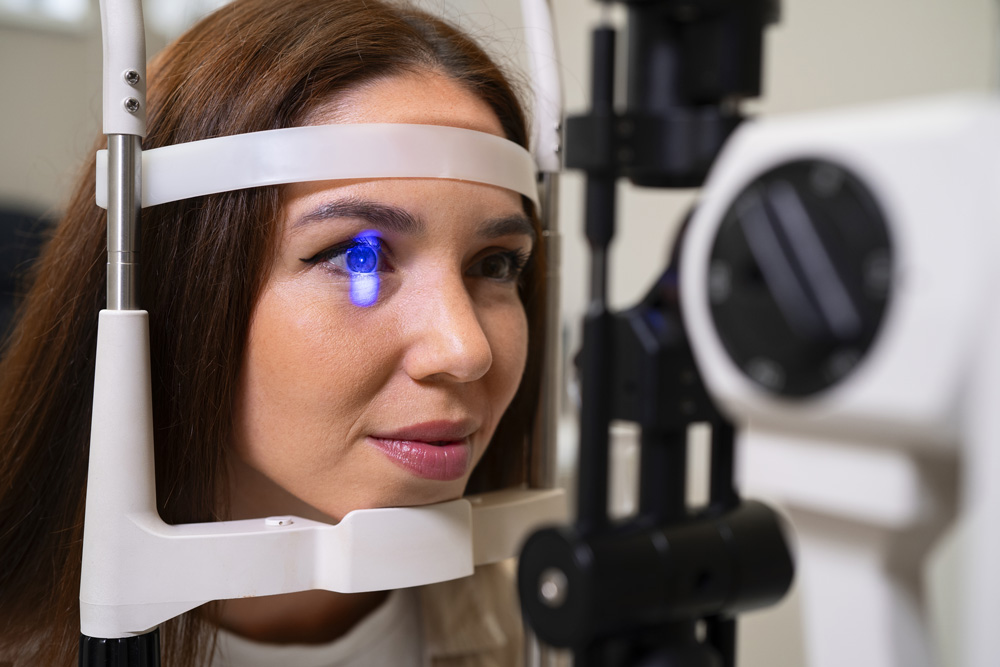
LASIK and Cataract Surgery: Enhancement After Lens Replacement
Some patients require LASIK and cataract surgery when the cataract procedure leaves a residual error. Even with advanced calculations, the prescription may not be perfectly neutral. LASIK enhancement can correct this remaining error. This approach is sometimes called bioptics. The two procedures performed in this sequence produce excellent combined visual outcomes. The LASIK enhancement is typically performed several months after cataract surgery once the eye has fully healed and the prescription has stabilised. This staged approach fine-tunes the result beyond what lens selection alone can achieve.
LASIK and Cataract Surgery: Previous LASIK Patients Developing Cataracts
Patients who had LASIK earlier in life may develop cataracts as they age. This is a natural process unrelated to the laser procedure. However, Planning in these patients requires special consideration. The corneal reshaping from LASIK affects the measurements used to calculate the replacement lens power. Standard lens calculation formulas may produce inaccurate results. Specialised formulas exist for post-LASIK eyes. Surgeons need records of the original LASIK procedure to optimise lens selection. Patients who have had LASIK and cataract surgery planned should inform their surgeon about their laser history to ensure the most accurate lens power calculation.
Premium Intraocular Lenses and Reduced Need for LASIK
Modern cataract surgery offers premium lens options that reduce the need for additional laser correction. Multifocal lenses provide clear vision at multiple distances. Toric lenses correct pre-existing astigmatism. Extended depth of focus lenses offer a continuous range of clear vision. These advanced options mean that LASIK and cataract surgery combination is needed less frequently than in previous years. However, premium lenses do not suit every patient. Some individuals still benefit from LASIK and cataract surgery as a combined approach when the lens alone cannot fully address their visual requirements or when a residual error persists after lens implantation.
Refractive Lens Exchange as an Alternative
Refractive lens exchange offers another approach for patients considering both vision correction and future cataract prevention. The procedure replaces the natural lens with a corrective intraocular lens before cataracts develop. This eliminates the possibility of future cataract formation. LASIK and cataract surgery can be considered alongside refractive lens exchange when evaluating all available options. Lens exchange suits patients over forty who want to address presbyopia and prevent cataracts simultaneously. The procedure is the same as cataract surgery but performed proactively on a clear lens. It provides a single intervention that addresses multiple vision concerns. Multifocal and extended depth-of-focus lenses may also reduce dependence on reading glasses after treatment.
LASIK and Cataract Surgery: Which Comes First?
The sequence depends entirely on the clinical situation. In younger patients with refractive errors and no cataracts, LASIK is the appropriate first step. If cataracts develop later, cataract surgery addresses the lens clouding. In older patients with early cataracts and refractive errors, cataract surgery with a premium lens may address both concerns in one procedure. LASIK and cataract surgery sequencing should be guided by specialist assessment. Attempting LASIK when early cataracts are present would be inappropriate because the lens cloudiness would continue to impair vision regardless of corneal correction. Professional evaluation determines the most logical treatment order. Careful planning also helps preserve long-term visual quality and minimise the need for future correction.
Consultation for Combined Vision Correction
Patients considering LASIK and cataract surgery should undergo comprehensive assessment. The specialist evaluates corneal health, lens clarity, refractive error and overall eye anatomy. Previous surgical history including any laser procedures is reviewed. Measurements are taken using advanced diagnostic equipment. The most appropriate treatment plan is then developed based on individual findings. LASIK and cataract surgery planning requires expertise in both corneal and lens-based procedures. Choosing a specialist who understands both disciplines ensures the most coordinated and effective treatment approach for patients with complex visual needs. Detailed consultation also allows realistic discussion about recovery timelines and expected visual independence after treatment.
Recovery When Combining Procedures
When LASIK and cataract surgery are performed sequentially, each procedure has its own recovery period. Cataract surgery recovery takes approximately four to six weeks for full stabilisation. LASIK enhancement recovery is typically rapid with clear vision within days. The gap between procedures allows the eye to heal completely before the second intervention. Most patients return to daily activities within one to two days after each procedure. Following aftercare instructions for each stage supports the best visual outcome. The combined recovery timeline is manageable for most patients when the procedures are properly spaced. Regular follow-up appointments help specialists monitor healing and refine long-term visual performance when necessary.
Long-Term Outcomes
Patients who have had LASIK and cataract surgery as part of a coordinated plan typically achieve excellent long-term visual outcomes. The combination addresses both corneal and lens-based components of vision. Premium lens technology continues to improve, which reduces the frequency of post-cataract LASIK enhancement. Patients who have previously had LASIK can still achieve good cataract surgery outcomes when specialised calculations are used. Regular eye examinations support ongoing monitoring. Together they represent a comprehensive approach to lifelong vision quality when each procedure is performed at the appropriate stage. Many patients enjoy reduced dependence on glasses for both distance and near vision after treatment.
Conclusion
LASIK and cataract surgery serve different purposes but can complement each other effectively within a coordinated treatment plan. They are not performed simultaneously but can be sequenced to optimise visual outcomes. Previous LASIK patients developing cataracts require specialised lens calculations. Premium intraocular lenses reduce the need for additional correction in many cases. Professional consultation determines the most appropriate approach for each patient's unique visual situation. Advances in laser technology and lens design continue improving precision, comfort and long-term patient satisfaction.
For more information on LASIK and cataract surgery visit the ACIBADEM Beauty Center Laser Eye Surgery page.
Frequently Asked Questions
They are not done simultaneously but can be performed sequentially.
Yes, with specialised lens calculations for post-LASIK eyes.
In many cases yes, though some patients still benefit from enhancement.
Several months are recommended to allow complete healing between stages.
This depends on age, lens clarity and refractive needs as determined by assessment.