Ataşehir Mah. Feza Sk. No:3 İstanbul / Türkiye
 English
Introduction
Patients often ask about panniculectomy without a tummy tuck. This question commonly arises after significant weight loss creates excess abdominal skin. The two procedures are related but remain distinct. Understanding their differences helps patients identify the most appropriate approach. Panniculectomy primarily addresses functional problems caused by overhanging abdominal tissue. A tummy tuck usually involves more extensive abdominal contouring. This article explains panniculectomy without a tummy tuck and its potential benefits. It also covers eligibility, recovery and expected results.
What Is a Panniculectomy?
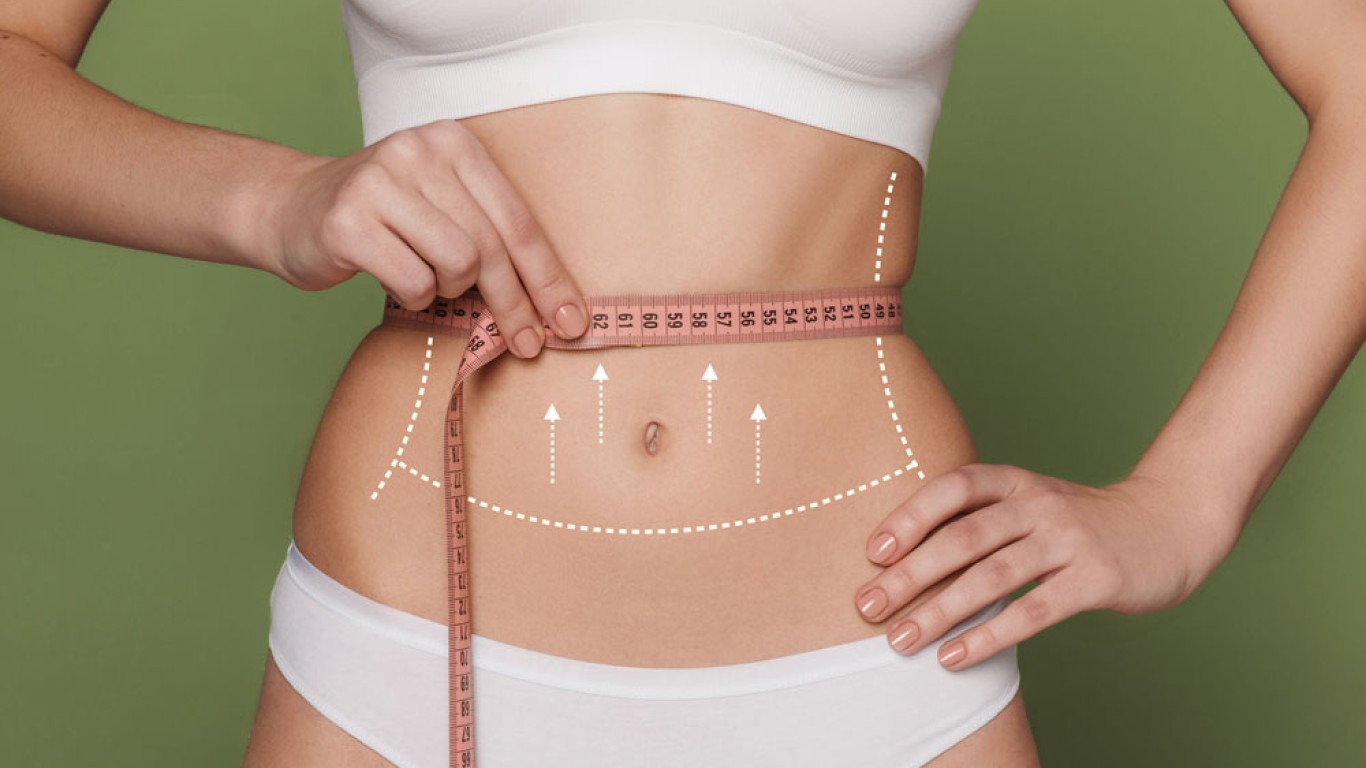
Panniculectomy removes the pannus from the lower abdomen. The pannus is an overhanging layer of excess skin and fatty tissue. It can extend towards or beyond the pubic area. A pannus commonly develops following significant weight loss. This weight loss may follow bariatric surgery, dietary changes or weight-loss medication. Pregnancy and obesity can also contribute to excess abdominal tissue. A large pannus can cause several practical problems. Skin folds may trap moisture and contribute to irritation. Some patients develop recurring rashes, infections or skin breakdown. Excess tissue can also make personal hygiene more difficult. Additionally, a large pannus may interfere with walking, exercise and clothing. Panniculectomy removes this tissue to address these functional concerns.
Tummy Tuck vs Panniculectomy: The Key Differences
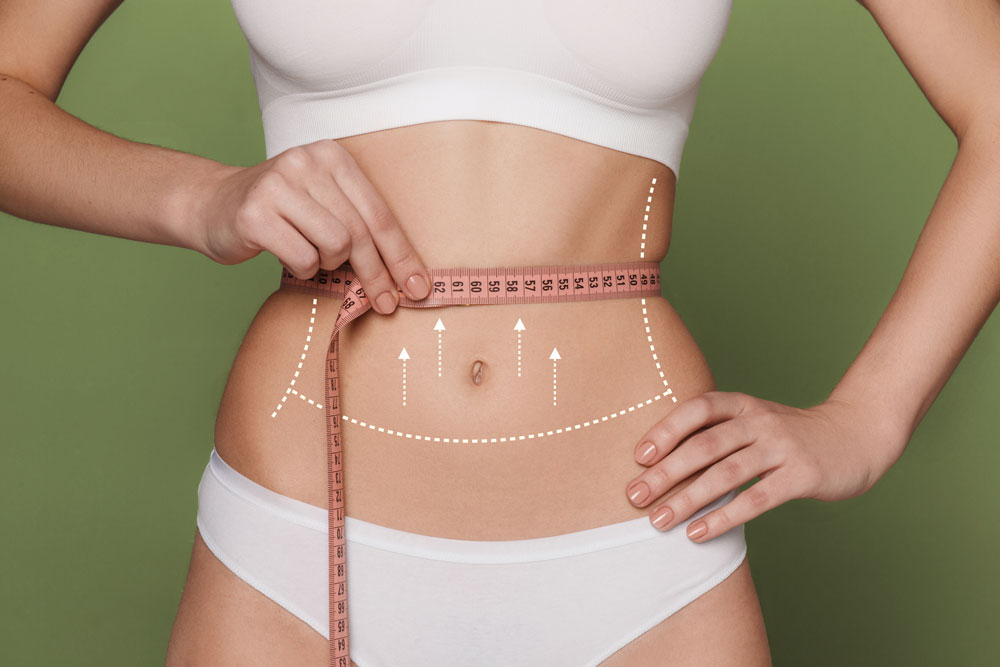
Panniculectomy without a tummy tuck differs from abdominoplasty in purpose and scope. Panniculectomy primarily removes overhanging lower abdominal skin and fatty tissue. It does not routinely reshape the entire abdomen. A tummy tuck usually provides more extensive cosmetic contouring. It removes excess abdominal skin and may tighten separated abdominal muscles. The belly button may also require repositioning during a full tummy tuck. Panniculectomy does not usually include these additional steps. Both procedures generally require a low horizontal abdominal incision. However, incision length depends on the amount of tissue requiring removal. Panniculectomy can create a flatter and more comfortable lower abdomen. However, it does not provide the comprehensive reshaping associated with abdominoplasty.
Can You Have a Panniculectomy Without a Tummy Tuck?
Yes, panniculectomy can be performed without a tummy tuck. It is a distinct operation with specific functional objectives. Not every patient with a pannus requires full abdominoplasty. Some patients mainly experience problems from overhanging lower abdominal tissue. These concerns can include irritation, infections, hygiene difficulties or restricted movement. Panniculectomy removes the problematic excess tissue. However, the upper abdominal area generally remains largely unchanged. This approach may provide sufficient improvement for appropriately selected patients. It may also involve less extensive surgery than full abdominoplasty. However, individual surgical risk depends on health, anatomy and procedure complexity. Consultation determines whether panniculectomy alone can adequately address the patient's concerns.
Who Qualifies for Panniculectomy Without a Tummy Tuck?
Suitability depends on medical history, symptoms, anatomy and general health. Patients may have documented functional problems caused by their abdominal pannus. These can include recurring infections, rashes and difficulties maintaining hygiene. Excess tissue may also interfere with mobility and physical activity. Documentation can be important when requesting NHS or insurance funding. However, funding criteria vary between healthcare systems and local commissioning policies. Surgical suitability also depends on general health and individual risk factors. Patients should ideally reach a stable weight before surgery. Higher BMI can increase risks associated with surgery and wound healing. However, individual BMI requirements vary between surgeons and hospitals. Smoking can also increase wound-healing complications. Therefore, surgeons assess each patient individually before recommending treatment.
Panniculectomy Without a Tummy Tuck: The Procedure
Panniculectomy is usually performed under general anaesthesia. The surgeon creates a horizontal incision across the lower abdomen. Incision length depends on the amount of tissue requiring removal. Excess skin and fatty tissue are then carefully removed. Afterwards, the remaining skin edges are brought together. The surgical wound is then closed in several layers. The belly button is not always repositioned during panniculectomy. However, surgical technique varies according to the amount and location of excess tissue. Drains may be placed temporarily following surgery. A compression garment may also be recommended during recovery. Surgical duration varies according to procedure complexity. Some patients require an overnight hospital stay. Others may require longer monitoring depending on their individual circumstances.
Recovery After Panniculectomy Without a Tummy Tuck
Recovery after panniculectomy occurs gradually over several weeks. Early recovery involves rest, wound care and gentle movement. Patients are usually encouraged to begin careful walking soon after surgery. This supports circulation and helps reduce certain post-operative risks. Compression garments may be recommended for several weeks. Drains may also remain temporarily following surgery. Patients receive instructions for monitoring and managing them at home. Returning to desk work may be possible after several weeks. Physically demanding jobs generally require a longer recovery period. Strenuous exercise should only resume after surgical clearance. Swelling gradually decreases throughout the following weeks and months. The resulting scar usually sits across the lower abdomen. Scar appearance continues changing for twelve months or longer. Patients should follow individual aftercare instructions throughout recovery.
Panniculectomy Without a Tummy Tuck: Results
Panniculectomy can provide meaningful functional improvements for appropriately selected patients. Removing the pannus eliminates the large overhanging skin fold. Consequently, some skin irritation and hygiene difficulties may improve. Walking and everyday movement may also become more comfortable. Clothing can fit differently following removal of excess tissue. Maintaining hygiene around the lower abdomen can also become easier. The procedure also changes the appearance of the lower abdomen. However, panniculectomy primarily focuses on functional improvement rather than comprehensive cosmetic contouring. Upper abdominal skin generally remains untreated. Abdominal muscle separation is also not routinely corrected. Patients seeking wider abdominal reshaping may prefer abdominoplasty.
Conclusion
Panniculectomy without a tummy tuck is a distinct surgical procedure. It removes overhanging lower abdominal skin and fatty tissue. The procedure primarily addresses functional problems associated with a significant pannus. These problems can include skin irritation, hygiene difficulties and restricted movement. Panniculectomy differs from tummy tuck surgery in purpose and scope. It does not routinely include abdominal muscle repair or extensive upper abdominal contouring. Suitable patients should generally have stable weight and appropriate overall health. Recovery takes several weeks and varies between individuals. Turkey offers panniculectomy through various private hospitals and specialist clinics. Treatment costs may be lower than comparable UK private surgery. However, patients should prioritise surgical expertise, safety standards and appropriate aftercare. Professional consultation determines whether panniculectomy alone provides the most appropriate treatment.
For more information about tummy tucks and to book a consultation visit the ACIBADEM Beauty Center Aesthetics page.
Frequently Asked Questions
No. A panniculectomy removes the overhanging lower abdominal skin panel. A tummy tuck addresses the full abdomen including muscle tightening and belly button repositioning. Panniculectomy is primarily functional; tummy tuck is primarily cosmetic.
NHS funding is available for panniculectomy when functional criteria are met, including documented skin infections and hygiene difficulties. Approval depends on local clinical commissioning policies and waiting times are long.
All-inclusive packages typically cost £2,000 to £4,000. UK private clinic pricing ranges from £4,000 to £8,000.
Most surgeons prefer BMI below 35. BMI above 40 significantly increases complication risk. Weight stability before surgery is also important to protect the surgical outcome.
Panniculectomy removes the lower abdominal overhang. It does not address the upper abdomen, muscle separation or belly button. A tummy tuck addresses these comprehensively. Many patients combine both procedures for optimal results.