Ataşehir Mah. Feza Sk. No:3 İstanbul / Türkiye
 French
  English
  German
  Spanish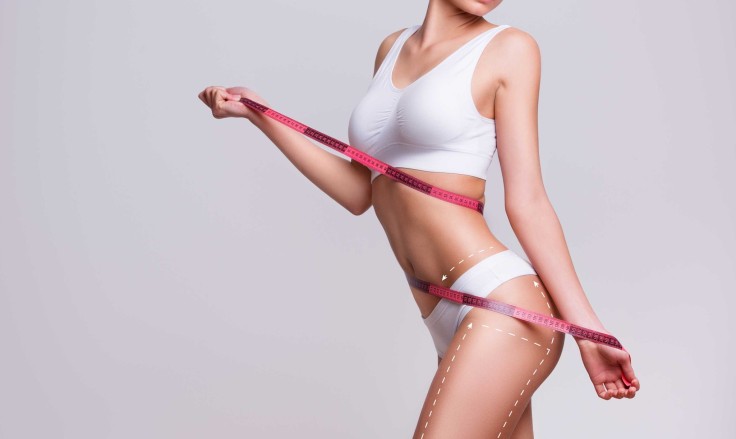
Introduction
Balanced body proportions play a central role in overall appearance. Many individuals seek refinement rather than dramatic change. Modern aesthetic treatments focus on harmony between different body areas. Subtle contour adjustments can significantly improve silhouette balance and proportion is often more important than size alone. Understanding available treatments helps guide informed decisions. Careful planning ensures natural-looking outcomes.
Understanding Body Proportions in Aesthetic Terms
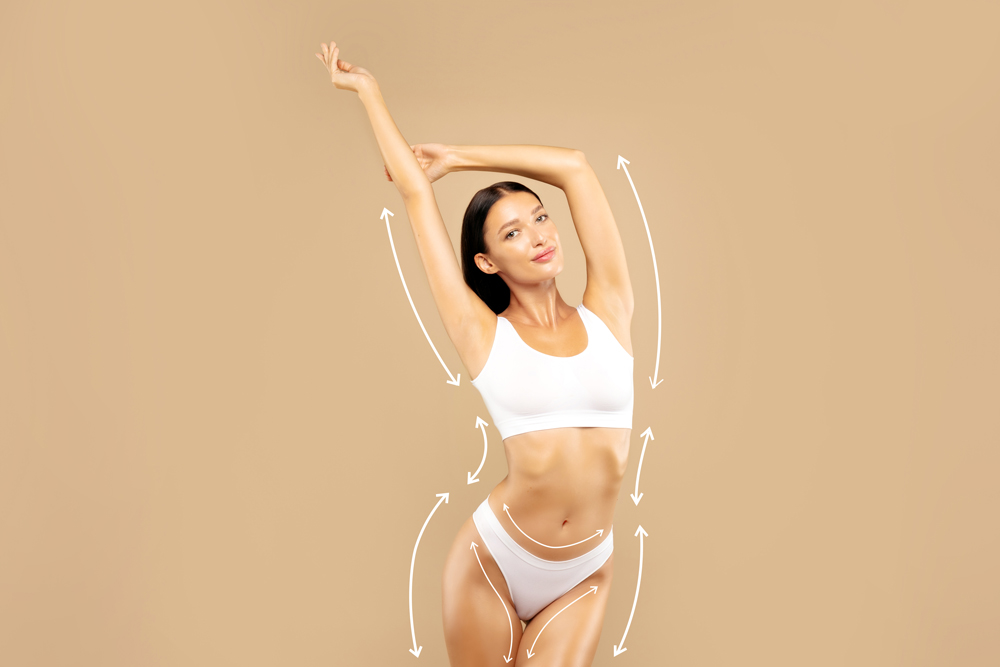
Body proportions refer to the relationship between different anatomical areas. Waist-to-hip ratio, shoulder width and leg length all contribute. Visual balance matters more than exact measurements but, generally, proportion influences how clothing fits and how posture appears. Aesthetic planning considers the entire silhouette - enhancing one area may require refining another. Symmetry and contour work together. Proportional harmony supports personal confidence. Individual anatomy guides professional recommendations.
Waist-to-Hip Ratio and Visual Balance
The waist-to-hip ratio plays a significant role in perceived harmony. A defined waist can enhance natural curvature effectively. Even small contour adjustments may shift overall balance noticeably. Strategic fat reduction can emphasise midsection definition. Enhancing hips or buttocks can further refine proportion. The goal is not exaggeration but controlled contrast. Balanced shaping improves silhouette flow. Proportional refinement considers both front and side views. Harmony depends on relational adjustments rather than size alone.
Shoulder-to-Waist Proportion in Men and Women
Upper body proportions influence overall body perception strongly. Broader shoulders may require waist refinement for balance. In women, shoulder and hip width relationships shape symmetry. In men, shoulder definition supports masculine proportion. Aesthetic planning evaluates the torso holistically. Treatments may focus on contouring the midsection subtly. Muscle definition enhancement can support upper body structure. Balanced proportions improve posture appearance. Individual goals guide proportional strategy.
The Influence of Posture on Perceived Proportion
Posture significantly affects how body proportions are perceived. Rounded shoulders can minimise waist definition visually while poor alignment may exaggerate abdominal projection. Improving posture enhances natural balance immediately. Some aesthetic treatments complement postural improvement. Core contouring may support upright positioning visually. Structural balance works alongside musculoskeletal alignment. Subtle refinement enhances overall presentation. Posture and contour function together.
Lower Body Contouring and Leg-Length Illusion
Lower body shaping influences how long the legs appear. Refining outer thigh fullness can streamline silhouette flow. Hip contour adjustments can enhance leg definition. Subtle smoothing supports vertical proportion. Balanced lower body contouring avoids excessive narrowing - the aim is elongation rather than reduction alone. Silhouette lines should appear continuous. Small adjustments create noticeable visual impact. Proportion often relies on optical balance.
The Role of Skin Tightness in Proportional Harmony
Skin laxity can disrupt body proportions significantly. Loose skin may conceal natural contours, so tightening treatments help to restore smoother lines. Improved skin support enhances structural balance. Contour refinement depends on surface quality. Firm skin improves definition visibility. Combined approaches may optimise results. Proportion improves when contour lines appear clean. Tissue quality supports silhouette harmony.
Customising Treatment Based on Body Type
Body type influences aesthetic strategy considerably. Pear-shaped individuals may prioritise waist refinement while apple-shaped bodies may focus on midsection contouring. Athletic builds often require subtle volume balancing. Customisation ensures proportion remains natural. Treatments are never standardised and each silhouette requires specific analysis. Balanced outcomes depend on personalised planning. Individual anatomy determines approach.
Non-Surgical Treatments for Proportion Enhancement
Non-surgical options provide gradual contour refinement. These treatments often focus on fat reduction or volume enhancement, and allow subtle reshaping without invasive procedures. Recovery time is typically minimal. Targeted fat reduction can slim specific areas while volume-based treatments may enhance hips or buttocks. These approaches improve body proportions through balance. Staged treatments allow progressive adjustment and flexibility is a key advantage.
Liposuction for Body Proportion Refinement
Liposuction remains a common method for reshaping. It removes localised fat deposits precisely, which can redefine waistlines or thigh contours. Strategic removal improves overall balance. Enhancing body proportions through liposuction requires restraint - overcorrection can disrupt harmony. Surgeons assess natural curves carefully. The goal is refinement rather than reduction alone, and realistic proportion guides every decision.
Fat Transfer for Structural Balance
Fat transfer redistributes volume from one area to another. This can enhance hips or buttocks while slimming donor sites. The technique supports proportional improvement naturally and volume placement is carefully calculated. Improving body proportions with fat transfer requires artistic judgement. Subtle augmentation creates smoother transitions while natural tissue integration supports long-term balance. Individual goals shape planning. Precision ensures harmonious outcomes.
Surgical Body Contouring Options
In some cases, surgical contouring is appropriate. Procedures such as tummy tucks reshape abdominal structure while thigh lifts refine lower body lines. These options address excess skin as well as fat. Surgical planning prioritises proportional correction. Enhancing body proportions involves coordinated reshaping so surgeons consider how each area interacts visually. Structural support improves silhouette definition. Truly balanced outcomes depend on surgical experience.
Enhancing Upper and Lower Body Proportions
Upper and lower body proportions influence overall symmetry. Broad shoulders may require hip enhancement for balance, while a narrow waist can emphasise curves naturally. Small adjustments can shift perception significantly. Aesthetic treatments focus on relational balance and the aim is coherence rather than exaggeration. Evaluating body proportions holistically improves outcomes. Planning includes posture and movement assessment. Subtle changes create noticeable improvement.
The Role of Muscle Definition in Body Proportions
Muscle tone contributes strongly to silhouette shape. Some treatments enhance muscle definition visually. This can create sharper waistlines or more defined abdominal contours. Structured enhancement supports proportion. Balanced muscle appearance improves body proportions overall. Treatments may complement exercise routines and subtle contouring can enhance athletic lines. Planning avoids artificial exaggeration. Natural movement remains important.
Ageing and Changes in Body Proportions
Ageing influences fat distribution and skin elasticity. The waist may thicken while hips lose volume - these changes affect perceived body proportions. Strategic treatment can restore balance. Refinement focuses on subtle repositioning. Volume support and contour smoothing work together while planning considers long-term stability. Age-related changes are addressed conservatively to ensure that harmony remains the objective.
Aesthetic Treatments for Body Proportions in Turkey
Turkey is increasingly recognised for comprehensive body contouring expertise. Clinics prioritise in-depth evaluation before recommending any refinement strategy. Improving body proportions is treated as a carefully coordinated process rather than a single procedure. Leading institutions focus on detailed anatomical analysis and goal alignment from the outset. Treatment plans are shaped around individual structure, lifestyle, and long-term expectations. Many international patients appreciate the clarity and continuity throughout their journey. Experienced surgical teams aim for proportionate, harmonious outcomes achieved through thoughtful planning and precise execution.
Combining Treatments for Optimal Balance
Sometimes one treatment alone is insufficient. Combining procedures may improve the overall silhouette. For example, fat reduction paired with volume enhancement creates synergy. Staged planning ensures cohesive results. Improving body proportions often requires coordination. Each area is evaluated in relation to others and incremental adjustments support long-term satisfaction. Balanced integration avoids overtreatment. Strategic combinations deliver refined outcomes.
Combining Fat Reduction and Volume Enhancement
Balanced proportions sometimes require opposing techniques. Reducing fat in one area may highlight imbalance elsewhere. Volume enhancement may restore symmetry. Coordinated treatment achieves cohesive shaping. For example, waist contouring paired with hip augmentation improves contrast. The relationship between areas is carefully evaluated. Sequential planning supports stability. Proportion emerges from integration. Coordination produces refined results.
Long-Term Maintenance of Body Proportions
Maintaining body proportions requires lifestyle consistency. Stable weight supports long-term contour and muscle tone contributes to balance. Follow-up care may be recommended. Proportional harmony evolves with ageing so minor adjustments may be considered over time. Long-term planning enhances the durability of any treatments and balanced care ensures lasting satisfaction. Commitment supports stable results.
Conclusion
Aesthetic treatments designed to improve body proportions focus on harmony rather than dramatic transformation. Whether through non-surgical contouring, liposuction, or fat transfer, careful planning is essential. Proportional refinement enhances silhouette balance and overall appearance. Individual anatomy and lifestyle influence treatment choice. With expert guidance and thoughtful coordination, body proportions can be enhanced naturally and effectively.
For more information about aesthetic treatments to help improve body proportions, visit the ACIBADEM Beauty Center website.
Frequently Asked Questions
They refer to the visual balance between different anatomical areas.
Yes, gradual contouring and volume enhancement can improve balance.
No, many cases respond well to non-surgical options.
When carefully planned, results remain subtle and harmonious.
Longevity depends on treatment type and lifestyle stability.