Ataşehir Mah. Feza Sk. No:3 İstanbul / Türkiye
 English
  German
  Spanish
Introduction
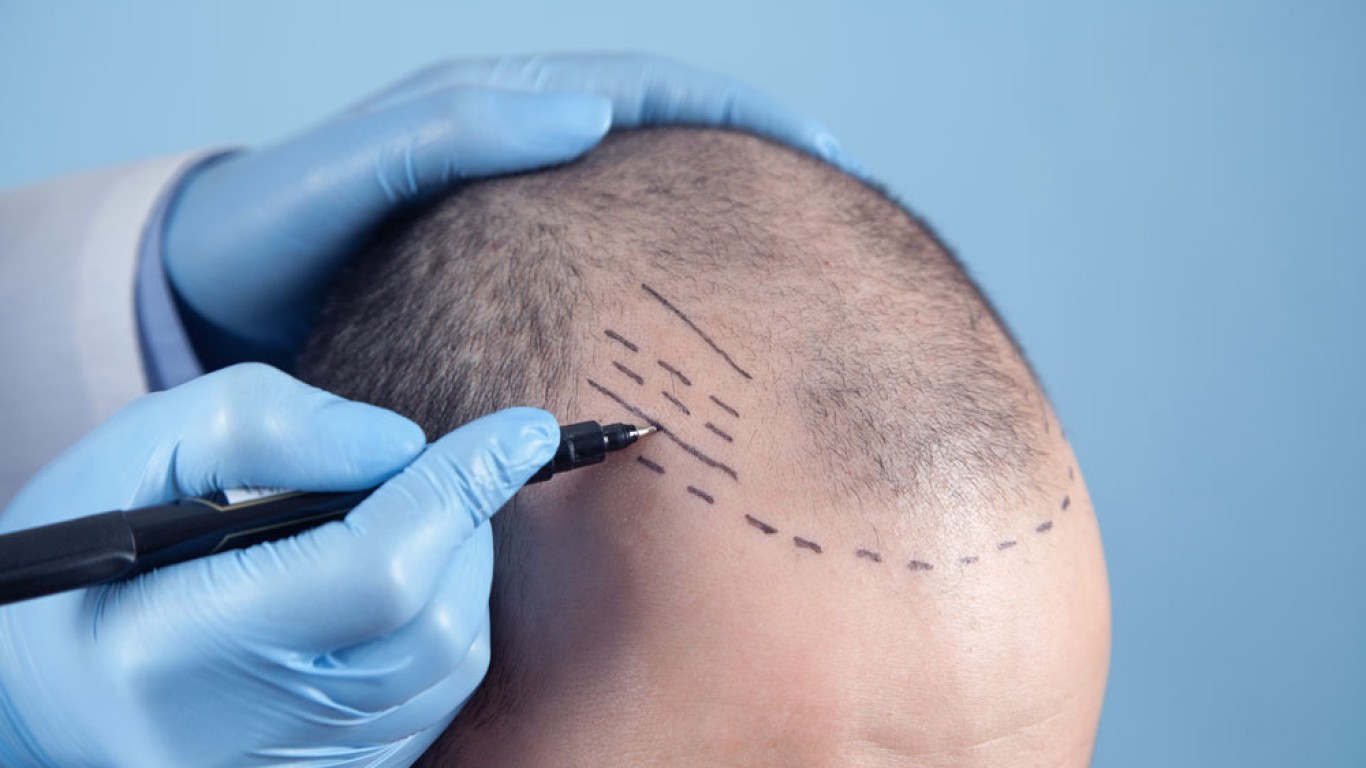
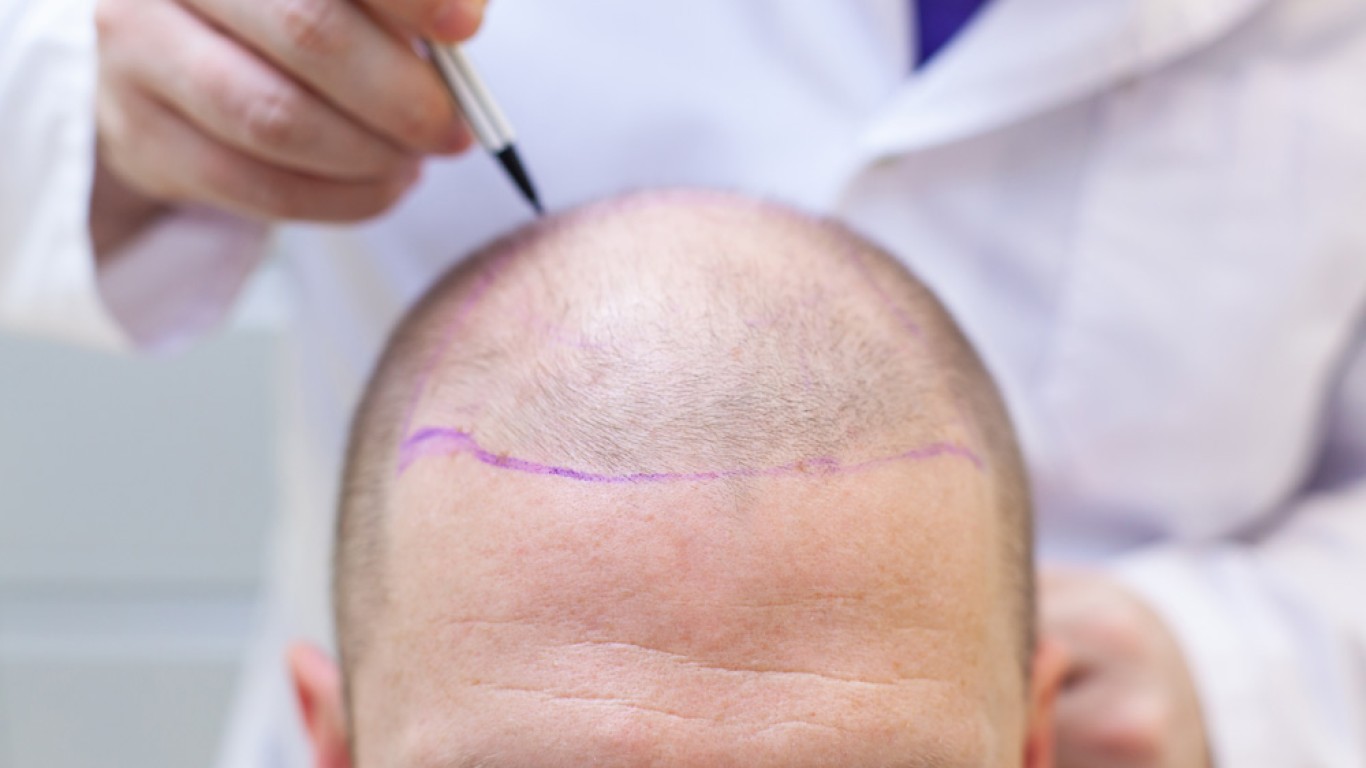
Hair loss at the crown is one of the most common patterns in male pattern baldness. The thinning area at the top of the head expands over time. It creates a visible bald spot that is difficult to conceal. A crown hair transplant addresses this concern by placing grafts into the thinning area. However, the crown presents unique surgical challenges compared with the hairline. Understanding these challenges helps patients set realistic expectations. This article explains why crown transplantation is different, what results to expect and how to plan effectively.
Why the Crown Is Challenging for Hair Transplant
Several factors make the crown more difficult to treat. The crown area is large. It typically requires a high number of grafts for adequate coverage. A crown transplant may need one thousand five hundred to three thousand grafts depending on the size of the bald area. This represents a significant portion of available donor supply. The hair growth pattern at the crown is circular. Hair radiates outward from a central whorl. The surgeon must angle each graft precisely to match this natural pattern. Incorrect angle placement creates an unnatural result. A crown hair transplant requires meticulous planning to replicate the spiral growth direction. The area is also highly visible from above and behind. Thinning coverage is more noticeable than at the hairline because the crown is viewed from multiple angles in everyday situations.
Crown Hair Transplant vs Hairline Transplant
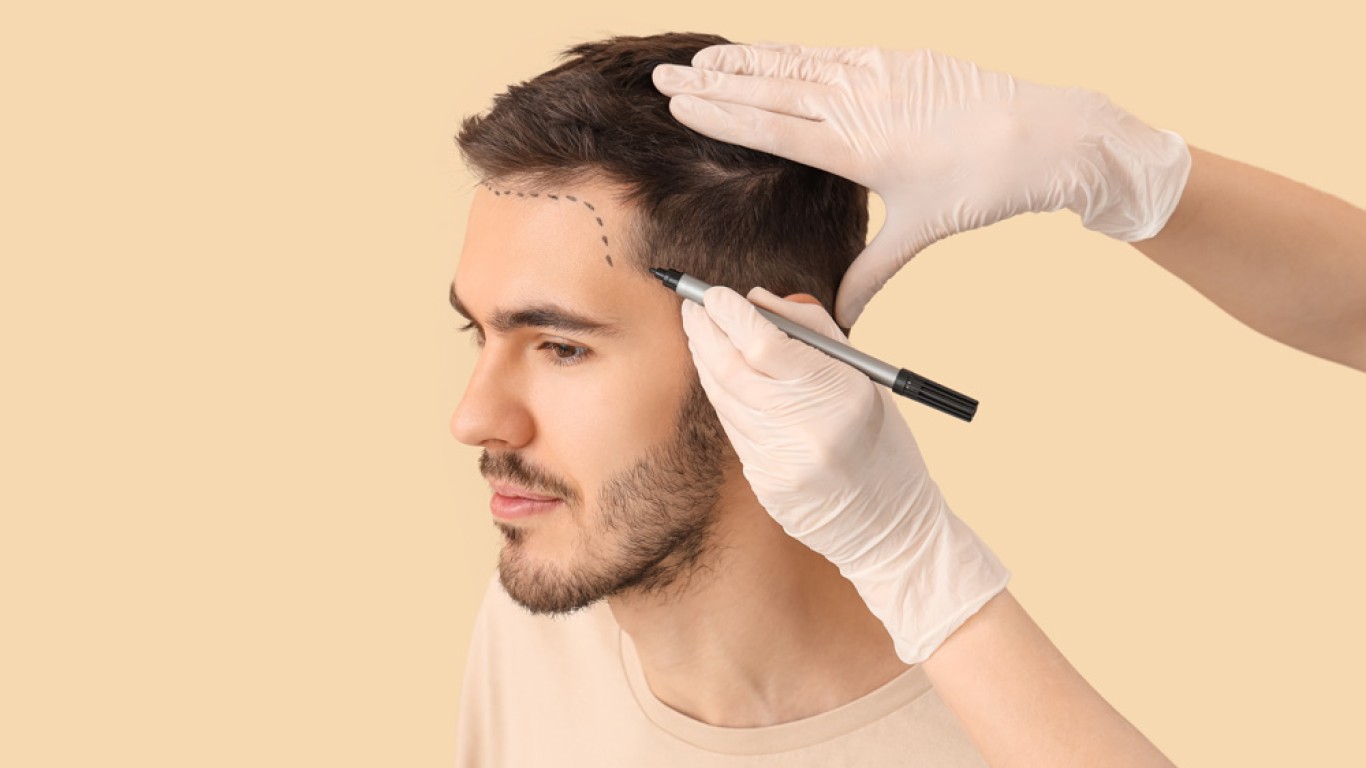
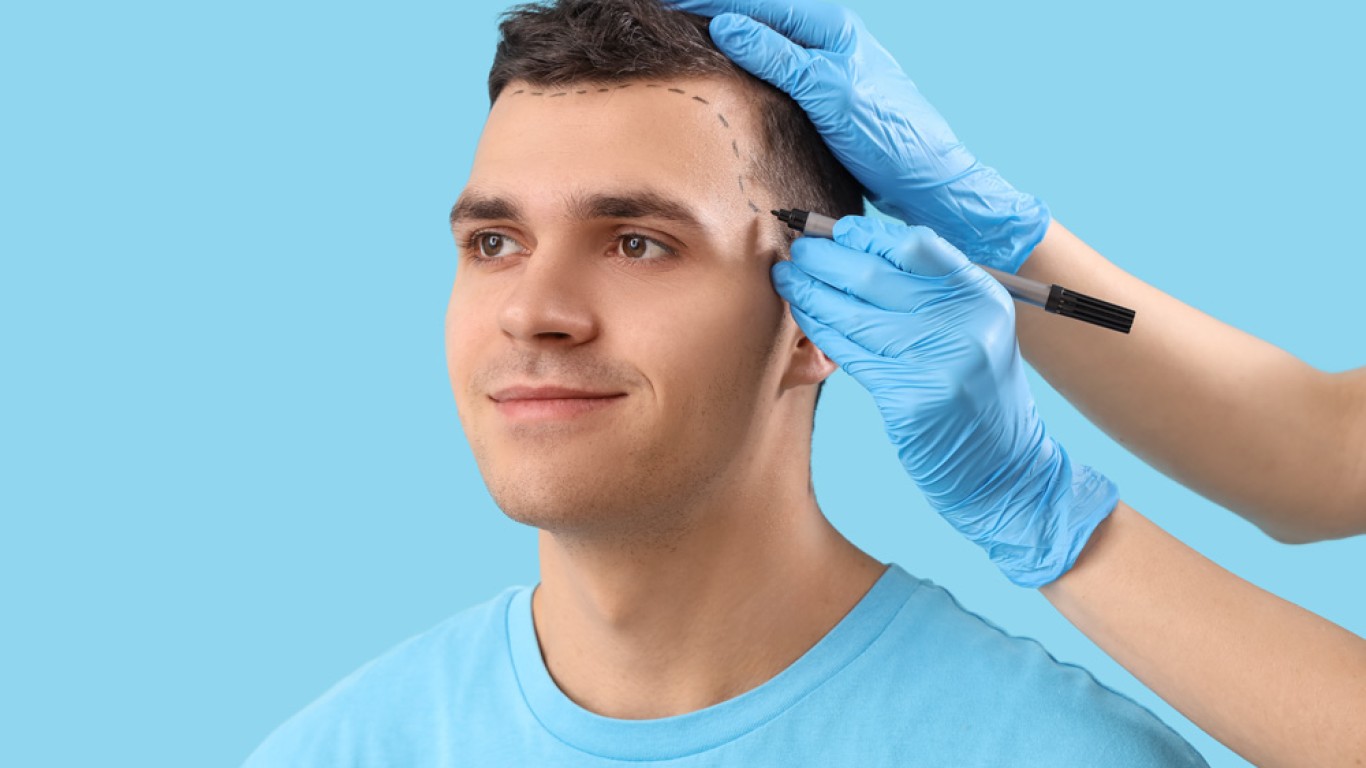
The two areas present different surgical considerations. Hairline transplantation requires fewer grafts for visible impact. A few hundred grafts create meaningful framing improvement. A crown hair transplant needs considerably more grafts for the same visual effect. The crown is a larger surface area. Density requirements are high because the area is viewed from directly above. Hairline design follows a linear pattern. Crown transplant design follows a circular pattern. This is technically more demanding. The hairline produces dramatic visible improvement. Crown coverage improvement is more gradual and less immediately striking. A crown transplant still produces meaningful change. But patients should understand that complete density restoration at the crown requires substantial graft numbers. Donor supply limitations may prevent full coverage in patients with advanced crown loss.
Planning a Crown Hair Transplant
Planning requires careful assessment of current and future hair loss. The crown may continue thinning after transplantation. Progressive loss can create an unnatural gap between transplanted and native hair. A crown transplant must account for this possibility. The surgeon plans graft placement to blend with anticipated future loss patterns. Medical treatments such as finasteride help stabilise existing crown hair. This reduces the risk of progressive thinning around the transplanted area. A crown hair transplant performed too early in the hair loss progression can produce an unnatural island of transplanted hair surrounded by continued thinning. Timing is critical. Most surgeons recommend stabilising hair loss with medication before committing donor resources to the crown. Conservative initial placement with planned future sessions is often the wisest approach.
The Crown Hair Transplant Procedure
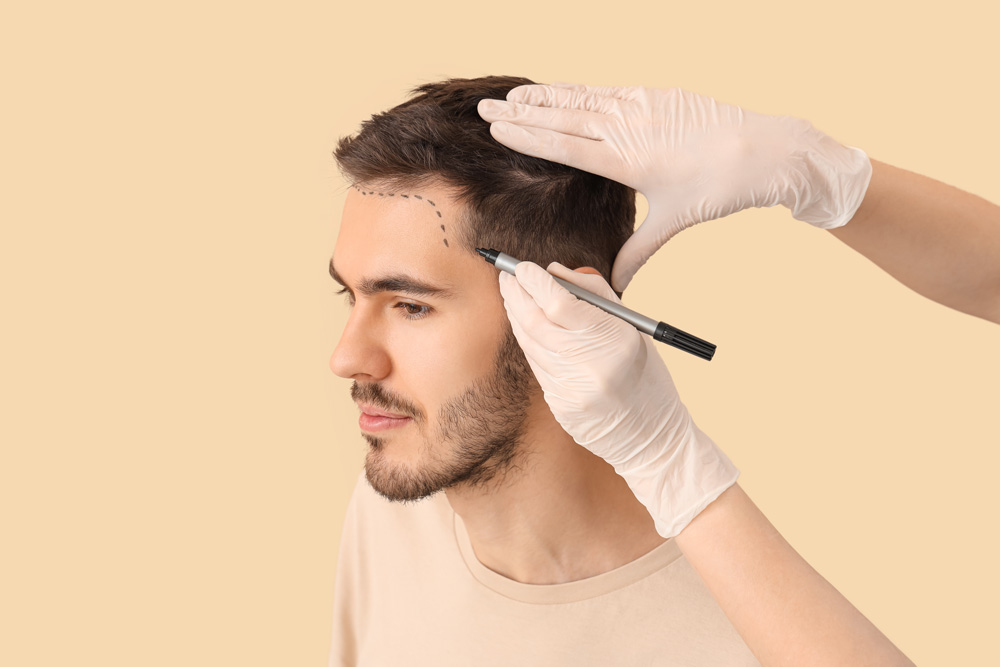
The procedure follows standard hair transplant technique with crown-specific adaptations. FUE is the most commonly used method. Individual follicular units are extracted from the donor area. They are implanted into the crown using fine needles or implanter tools. A crown transplant requires precise angle control at every graft site. The circular growth pattern must be replicated exactly. Grafts at the centre of the crown point outward from the whorl. Those at the periphery angle progressively away. A crown transplant takes approximately four to eight hours depending on the number of grafts. The procedure is performed under local anaesthesia. Patients remain comfortable throughout. The surgeon may use a mirror or imaging to confirm the natural whorl position before beginning implantation.
Crown Hair Transplant Results: What to Expect
Results develop gradually. Transplanted hair sheds within two to four weeks. This is normal. New growth begins at three to four months. A crown transplant result becomes visible from month four onwards. Hair continues growing and thickening through month twelve. Final density is assessed at twelve to eighteen months. The bald spot becomes progressively less visible as growth develops. A crown transplant may not achieve the same density as the surrounding native hair. The goal is to reduce the contrast between the bald area and the hair-bearing scalp. Most patients achieve significant coverage improvement. The bald spot is no longer visible in most viewing angles. However, a crown transplant rarely achieves the same thick appearance as the original hair in that area. Realistic expectations support the highest patient satisfaction.
How Many Grafts Does a Crown Hair Transplant Require?
Graft numbers depend on the size and severity of crown thinning. Early crown thinning may need eight hundred to one thousand five hundred grafts. Moderate crown loss typically requires one thousand five hundred to two thousand five hundred grafts. Advanced crown baldness may need two thousand five hundred to three thousand five hundred grafts or more. A crown hair transplant at these higher numbers consumes a substantial portion of donor supply. The surgeon must balance crown coverage against potential future hairline needs. Patients with early hairline recession and crown thinning face a strategic decision. Treating both areas simultaneously requires prioritisation. A crown transplant plan should consider lifetime donor management. Not all donor hair can be used in a single session. Staged procedures across multiple years may provide the most balanced long-term coverage.
Medical Treatment Alongside Crown Hair Transplant
Medical treatment plays a critical supporting role. Finasteride reduces DHT levels. This slows or stops progressive crown thinning. Starting finasteride before a crown hair transplant helps stabilise existing hair. The transplanted grafts are DHT-resistant. They grow permanently. But the surrounding native crown hair is not resistant. Without medication, it may continue thinning. A crown transplant works best when medical treatment maintains the native hair around the transplanted grafts. Minoxidil improves blood flow to the scalp. It supports existing follicle health. PRP therapy stimulates follicle activity. The combination of a crown hair transplant with medical maintenance produces the most comprehensive and lasting crown coverage. Patients who use medication alongside surgery consistently achieve stronger overall results.
Donor Management
Donor management is especially important for crown procedures. The crown requires many grafts. Other areas may also need treatment in the future. A crown hair transplant that uses too many grafts leaves insufficient donor for later hairline work. The surgeon must plan across the patient's entire anticipated hair loss trajectory. Conservative initial placement preserves future options. A crown hair transplant at a younger age should be particularly restrained. Hair loss may progress significantly over the following decades. Preserving donor capacity allows future procedures as needed. Experienced surgeons discuss lifetime planning with every patient. The donor area is a finite resource. A crown hair transplant forms one part of a long-term strategy rather than an isolated decision.
Crown Hair Transplant in Turkey
Turkey offers crown hair transplant procedures at competitive pricing. Experienced surgeons perform the procedure at high volume. This develops the technical precision that crown work demands. All-inclusive packages include consultation, surgery, accommodation and aftercare. A crown hair transplant in Turkey typically costs between one thousand five hundred and three thousand five hundred pounds depending on graft numbers. UK pricing for equivalent graft numbers ranges significantly higher. Turkish clinics use modern FUE technology and follow international protocols. Remote consultation before travel allows assessment of crown thinning severity. Professional guidance ensures appropriate graft planning and realistic expectations.
Conclusion
A crown hair transplant addresses one of the most common areas of male hair loss. The crown presents unique challenges including large surface area, circular growth pattern and high graft requirements. Planning must account for progressive hair loss and donor preservation. Medical treatment supports long-term results by stabilising native crown hair. A crown hair transplant produces meaningful improvement when expectations are realistic. Complete density restoration is rarely achievable. However, significant reduction in visible baldness is typical. Professional consultation ensures individualised planning. Turkey offers crown hair transplant procedures at competitive pricing with experienced specialists.
For more information about hair transplants and to book a consultation visit the ACIBADEM Beauty Center Hair Transplant page.
Frequently Asked Questions
Typically one thousand five hundred to three thousand five hundred depending on the size of the bald area.
Yes. The circular growth pattern and large area make it more technically demanding.
Yes, but full original density is rarely achieved. Significant improvement is typical.
Yes. Medication stabilises surrounding native hair and supports the overall result.
Typically one thousand five hundred to three thousand five hundred pounds all-inclusive.