Ataşehir Mah. Feza Sk. No:3 İstanbul / Türkiye
 French
  English
  German
  Spanish
Introduction
Dehydration lines on the forehead are a common but often misunderstood skin concern. Accordingly, many people mistake them for early ageing or permanent wrinkles. These fine lines usually appear when the skin lacks sufficient moisture rather than structural support. Consequently, they can develop suddenly and fluctuate in appearance. Environmental exposure, skin care habits, and lifestyle choices all influence their formation. Understanding the true cause allows more effective treatment selection. This article explains why dehydration lines appear, how they differ from wrinkles, and which treatment options help restore smoother looking skin.
What Are Dehydration Lines on the Forehead
Dehydration lines on the forehead are shallow creases caused by insufficient skin moisture. They often appear as fine, closely spaced lines across the forehead surface. Unlike wrinkles, they do not result from collagen loss or muscle movement. These lines frequently feel more noticeable when the skin feels tight or rough. They may appear more visible after cleansing or during dry weather. Importantly, dehydration lines are usually reversible with appropriate care. Recognising them correctly prevents unnecessary treatments.
Why the Forehead Is Especially Prone to Dehydration
The forehead is particularly vulnerable to dehydration due to its skin structure. It produces less natural oil compared with other facial areas. Additionally, it is frequently exposed to environmental stressors. Sun, wind, and pollution all affect moisture retention. Regular cleansing can further strip protective oils. As a result, dehydration lines on the forehead often appear earlier than elsewhere. Daily habits can unknowingly worsen moisture loss in this area.
Dehydration Lines Versus Forehead Wrinkles
Dehydration lines on the forehead differ significantly from true wrinkles. Wrinkles form gradually due to collagen breakdown and repeated muscle movement. Dehydration lines form quickly due to moisture deficiency. Wrinkles remain visible regardless of hydration levels. Dehydration lines often soften noticeably after moisturising. This difference is essential for correct treatment choice. Treating dehydration lines with anti wrinkle procedures may not address the underlying issue.
Common Causes of Dehydration Lines on the Forehead
Several factors contribute to dehydration lines forming on the forehead. Insufficient water intake reduces overall skin hydration. Harsh cleansers disrupt the skin’s protective barrier. Overuse of exfoliating products removes essential surface lipids. Environmental factors like air conditioning accelerate moisture loss. Seasonal changes further affect hydration balance. Identifying these causes helps reduce recurrence of dehydration lines on the forehead.
The Role of the Skin Barrier in Dehydration Lines
The skin barrier plays a crucial role in moisture retention. When intact, it prevents excessive water loss. A compromised barrier allows moisture to escape rapidly. This process increases transepidermal water loss significantly. Dehydration lines on the forehead become more visible as a result. Strengthening the barrier helps the skin retain hydration effectively. Many treatments focus on repairing this protective layer.
How Dehydration Lines Affect Overall Skin Appearance
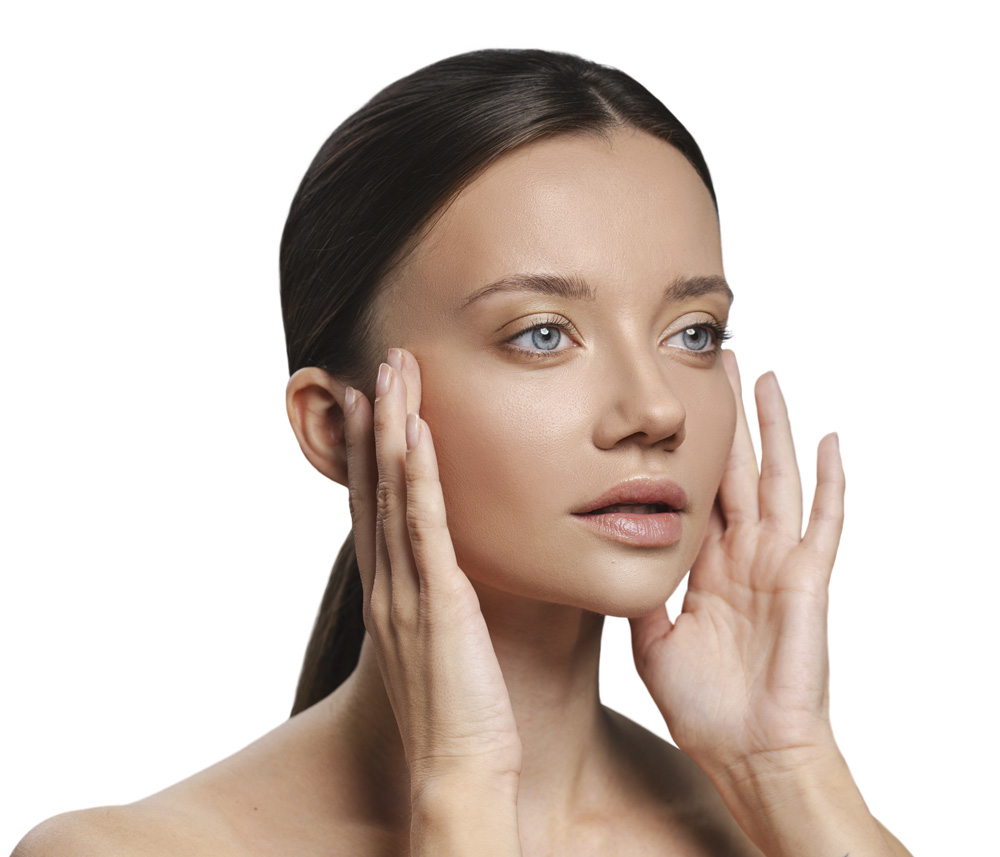
Dehydration lines on the forehead can change how the skin reflects light. The surface may appear dull and uneven. Makeup can settle into fine lines more easily. Skin often looks creased even without facial expression. These changes affect perceived skin health rather than age. Restoring hydration improves smoothness and luminosity. This improvement often occurs faster than wrinkle reduction.
Skincare Based Treatments for Dehydration Lines
Topical skin care plays a key role in treating dehydration lines. Products containing hyaluronic acid attract water into the skin. Glycerin supports long lasting moisture retention. Ceramides help rebuild the skin barrier. Layering hydration products improves effectiveness significantly. Consistent routines produce gradual improvement. Dehydration lines on the forehead often respond well to non invasive skin care solutions.
Professional Hydration Treatments
In clinic hydration treatments offer deeper moisture support. These treatments deliver hydrating compounds directly into the skin. Professional facials focus on replenishment rather than exfoliation. Controlled hydration improves skin elasticity temporarily. These treatments complement home skin care routines. Regular sessions may enhance long term hydration levels. Professional care supports persistent dehydration lines on the forehead effectively.
Injectable Hydration Treatments Explained
Some injectable treatments focus on improving skin hydration internally. These treatments enhance moisture levels within the dermis. They do not add volume or change facial shape. Instead, they improve skin quality gradually. Injectable hydration can reduce the appearance of dehydration lines over time. Specialists assess suitability carefully. These options suit individuals with persistent dehydration lines on the forehead.
Lifestyle Factors That Worsen Dehydration Lines
Lifestyle choices strongly influence skin hydration. Poor sleep affects skin repair processes. Excess caffeine intake may contribute to dehydration. Low humidity environments worsen moisture loss. High stress levels can disrupt skin balance. Inadequate nutrition affects barrier strength. Addressing lifestyle factors enhances treatment outcomes for dehydration lines on the forehead.
Seasonal Effects on Forehead Dehydration
Seasonal changes significantly impact skin hydration. Cold weather reduces ambient humidity levels. Indoor heating further dries the air. Summer sun exposure increases water loss through evaporation. The forehead reacts quickly to these changes. Adjusting skincare routines seasonally helps prevent dehydration lines. Proactive care reduces recurrence throughout the year.
Indoor Environments and Dehydration Lines
Indoor environments often accelerate dehydration. Air conditioning and heating reduce moisture levels dramatically. Prolonged screen time reduces blinking frequency. Facial tension may increase during focused work. These factors contribute to dehydration lines on the forehead. Using humidifiers helps counteract dry air. Adapting skincare for indoor exposure improves hydration retention.
Over Exfoliation and Its Impact on Dehydration Lines
Excessive exfoliation weakens the skin barrier significantly. Removing too many surface cells disrupts moisture retention. This damage allows water to escape easily. As a result, dehydration lines become more pronounced. Many people over exfoliate seeking smoother skin. Moderation is essential for barrier health. Reducing exfoliation helps minimise dehydration lines on the forehead.
The Importance of Early Hydration Intervention
Early intervention prevents dehydration lines from becoming persistent. Prolonged dryness can weaken collagen over time. Early hydration restores skin resilience quickly. Delayed care may allow fine lines to deepen unnecessarily. Preventative hydration preserves smoother texture longer. Specialists recommend addressing dehydration promptly. Early care keeps dehydration lines on the forehead reversible.
When Dehydration Lines Indicate Deeper Skin Needs
Persistent dehydration lines may signal underlying skin imbalance. Chronic dryness can impair barrier function long term. Ignoring hydration needs may accelerate ageing signs. Specialists may recommend advanced treatments if needed. Early assessment helps prevent progression. Timely care preserves overall skin quality.
Dehydration Lines and Forehead Expression
Dry skin folds more easily during facial movement. Dehydration lines may appear deeper during expression. Hydrated skin moves more smoothly. Improving hydration reduces expression related creasing. This effect enhances forehead appearance subtly. Skin feels more comfortable and flexible. Hydration improves both static and dynamic appearance.
Why Dehydration Lines Are Often Misdiagnosed
Many people mistake dehydration lines for early wrinkles. This leads to inappropriate treatment choices. Anti wrinkle treatments may not address moisture deficiency. Proper assessment distinguishes hydration related lines accurately. Specialists evaluate skin texture and elasticity carefully. Correct diagnosis ensures effective treatment selection. Education prevents unnecessary procedures.
Dehydration Lines Treatment in Turkey
Turkey offers advanced dermatological and aesthetic care. Clinics provide personalised skin assessments and modern treatments. Dehydration focused approaches prioritise skin health restoration. Patients benefit from comprehensive consultation models. International visitors value expertise and tailored care. Integrated strategies support effective management of dehydration lines.
Long Term Skin Hydration Planning
Managing dehydration lines requires long term planning. Hydration needs change with age and environment. Specialists adapt treatments based on skin response. Ongoing care preserves results and prevents recurrence. Long term planning supports consistent skin quality. Dehydration lines management becomes part of holistic skincare.
How Stress and Daily Tension Affect Forehead Hydration
Daily stress can influence hydration levels in the skin noticeably. Stress hormones may impair the skin barrier over time. Forehead tension often increases during concentration or worry. This tension can exaggerate dehydration lines visually. Additionally, stress may disrupt sleep quality, affecting skin repair cycles. Managing stress supports healthier skin function overall. Relaxation techniques and consistent routines help maintain hydration balance. Addressing stress complements skincare and professional treatments effectively.
Conclusion
Dehydration lines on the forehead result from moisture imbalance rather than permanent skin damage. Understanding their cause allows targeted treatment selection. Skin care, professional treatments, and lifestyle adjustments restore hydration effectively. Early intervention prevents progression into deeper lines. Consistent hydration remains essential for smooth skin. Education supports confident skincare decisions.
For more information and to book a consultation visit the ACIBADEM Beauty Center skin treatments page.
Frequently Asked Questions
They develop due to moisture loss and a weakened skin barrier.
No, they usually improve with proper hydration and care.
Dehydration lines soften quickly after moisturising, unlike true wrinkles.
Yes, hydration focused treatments can improve skin moisture significantly.
Consistent hydration, gentle skincare, and sun protection reduce risk.