Ataşehir Mah. Feza Sk. No:3 İstanbul / Türkiye
 French
  English
  German
  Spanish
Replacing missing teeth is an important step in maintaining oral function and appearance. Cost often becomes a deciding factor when choosing treatment location. Many patients now compare the cost of a dental bridge between countries before committing. Turkey and the UK are frequently compared due to differences in pricing structures. Understanding what influences these differences helps patients make informed decisions. This article compares dental bridge cost in Turkey and the UK, explaining what is included and why prices vary.
What a Dental Bridge Treatment Involves
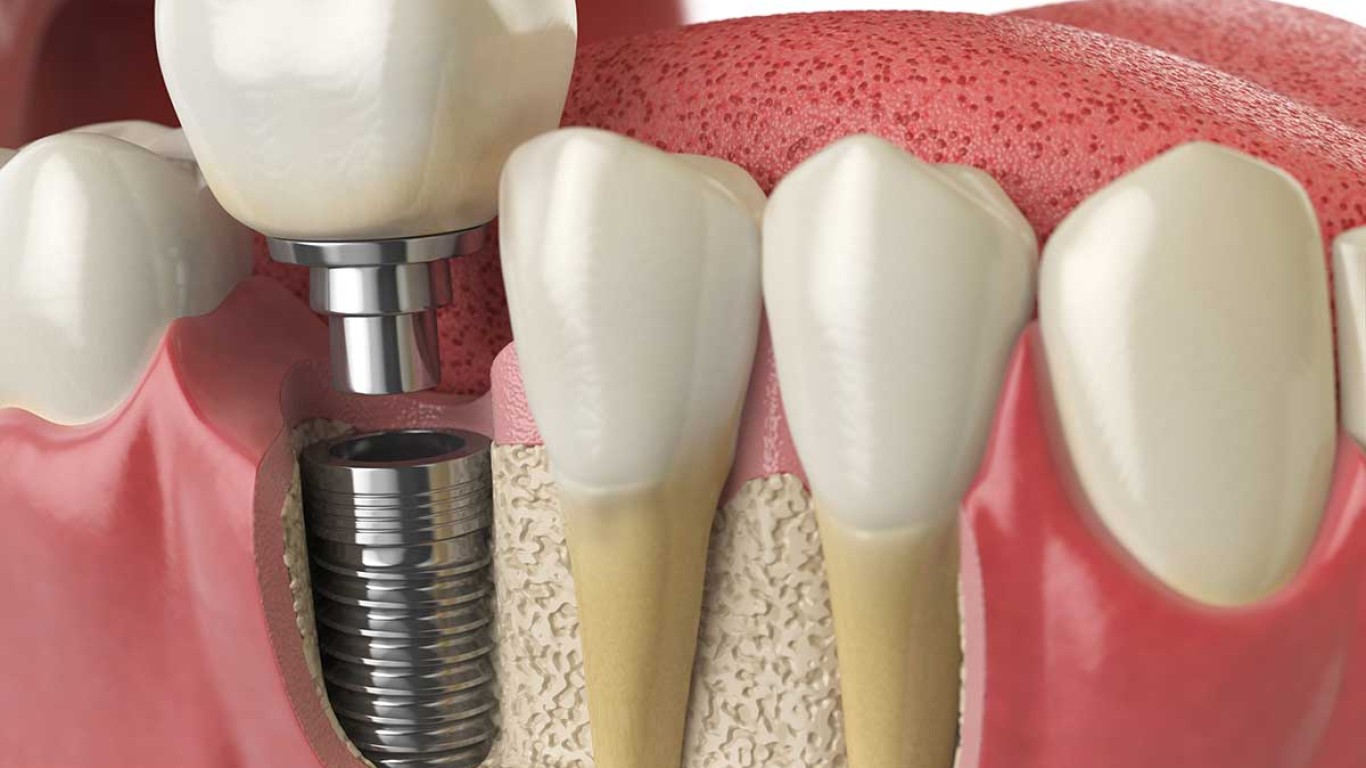
A dental bridge is a fixed restoration designed to replace one or more missing teeth. It is supported by neighbouring teeth that act as anchors. The artificial tooth fills the gap and restores bite balance. Treatment usually involves preparation, impressions, and final placement. The materials used and the number of teeth involved influence complexity. Custom fabrication ensures proper fit and appearance. Skilled planning is essential for comfort and durability. These factors all contribute to the overall cost of a dental bridge procedure. Understanding the process clarifies pricing differences.
Dental Bridge Cost in the UK: What to Expect
In the UK, the cost of a dental bridge can vary depending on location and clinic type. Private dental clinics typically charge higher fees than NHS-supported options. However, availability through public care is limited. Many patients therefore explore private treatment. Costs often include consultation, preparation, laboratory fees, and fitting. Materials such as porcelain or ceramic affect pricing. Complex cases increase overall expense. UK pricing reflects higher operational and laboratory costs. This influences the final figure patients see.
Dental Bridge Cost in Turkey: An Overview
Dental bridge cost in Turkey is generally lower than in the UK. Clinics benefit from different operational expenses and local laboratory access. This allows competitive pricing without reducing treatment scope. Many international patients find this appealing. Treatment packages in Turkey often include multiple services. Consultations, imaging, and follow-up care are commonly bundled. This structure provides clarity on total cost. Patients appreciate predictable pricing. Transparency supports confidence when planning abroad.
Comparing the Average Costs of Dental Bridges Globally in 2026
In 2026, average dental bridge costs vary significantly across regions. In the UK, a single-unit bridge typically ranges from £900 to £1,500 per tooth in private clinics. In the United States, comparable treatment often costs between $1,200 and $2,500 per unit. Western European countries such as Germany and France usually fall within a similar range to the UK. In contrast, Turkey offers lower average pricing, with dental bridge costs commonly ranging from £250 to £500 per unit. Countries such as Hungary and Poland also offer competitive rates, often between £400 and £700. These differences reflect variations in operating costs, laboratory pricing, and healthcare infrastructure.
Why Dental Bridge Cost Differs Between Turkey and the UK
Several factors explain the price difference. Labour and facility costs are lower in Turkey. Dental laboratories are often integrated within clinics. This reduces outsourcing expenses. In the UK, higher regulatory and operational costs influence pricing. Laboratory work may be outsourced at additional cost. Currency differences also play a role. These combined factors contribute to variation in dental bridge cost. Understanding this context helps explain the gap.

Materials and Their Impact on Dental Bridge Cost
Material choice significantly affects dental bridge cost. Porcelain bridges offer natural appearance. Ceramic blends provide strength and aesthetics. Metal-supported bridges may be used in less visible areas. In both Turkey and the UK, material quality influences price. However, sourcing and production costs differ. Turkish clinics often access high-quality materials at lower cost. Dentists guide patients through material selection. Choice balances durability and appearance.
The Rise of Monolithic Zirconia: 2026 Trends in Durable Aesthetic Bridges
Monolithic zirconia has become a preferred material for dental bridges in 2026. Its strength and durability suit both front and back teeth. Advances in milling technology have improved aesthetics significantly. This allows for natural-looking results without layering porcelain. Clinics in both Turkey and the UK now offer monolithic zirconia routinely. Its longevity appeals to patients seeking reliable restorations. Reduced chipping potential supports long-term confidence. Material innovation continues to shape cost of a dental bridge procedure considerations. Patients increasingly ask about zirconia during consultation.
Zirconia vs PFM: Price Differences by Material in Both Regions
Material choice directly affects overall pricing. Zirconia bridges typically cost more than porcelain-fused-to-metal options. This reflects material quality and production methods. However, the price gap varies by region. In the UK, zirconia often carries a significant premium. Laboratory and sourcing costs contribute to this difference. In Turkey, the price increase is often more moderate. This allows patients to access higher-end materials more affordably. Comparing zirconia and PFM options helps patients balance cost and longevity. Material transparency supports better planning.
Number of Teeth and Bridge Length
The size of the dental bridge also affects cost. Replacing a single tooth differs from spanning multiple gaps. Longer bridges require more materials and laboratory work. Preparation time increases accordingly. Dentists assess spacing and support carefully. Complex cases require detailed planning. This impacts the cost of a dental bridge in both countries. Accurate assessment prevents unexpected expenses. Planning supports clarity.
Consultation and Diagnostic Inclusions
Consultation and diagnostics form part of overall pricing. Imaging such as X-rays or scans may be required. These assessments guide treatment accuracy. Inclusion of diagnostics affects perceived value. In Turkey, diagnostic services are often included within packages. In the UK, they may be itemised separately. This difference influences total cost comparison. Patients should review inclusions carefully. Transparency supports informed choice.
Treatment Timeline and Associated Costs
Treatment timelines influence overall experience. In the UK, appointments may be spaced over longer periods. This can increase indirect costs such as time off work. Extended timelines affect convenience. In Turkey, treatment is often completed within a shorter visit. Streamlined scheduling supports international patients. Reduced treatment duration can lower travel-related expenses. Timeline efficiency adds value beyond the cost of a dental bridge alone.
Aftercare and Follow-Up Considerations
Aftercare is an important part of treatment value. Follow-up visits ensure proper fit and comfort. Adjustments may be required. Quality aftercare supports long-term success. Turkish clinics often include follow-up within treatment plans. UK clinics may schedule follow-ups separately. Understanding aftercare structure helps evaluate cost fairly. Ongoing support matters.
Dental Bridge Cost and Value for Money
Cost alone does not define value. Quality of care, materials, and planning matter equally. Patients often compare the cost of a dental bridge alongside service scope. Comprehensive care enhances perceived value. Turkey offers competitive pricing combined with structured care. The UK provides local convenience and familiarity. Value assessment depends on personal priorities. Understanding both perspectives supports balanced decision making.
Cost Comparison of Dental Bridge for International Patients
International patients often factor travel into cost comparisons. Flights and accommodation add to expenses. However, overall costs may still remain lower. Planning includes both treatment and travel.
Clinics in Turkey often assist with logistics. This simplifies the process. Patients value coordinated care. Cost comparison should include the full experience. Holistic evaluation supports clarity.
Choosing Where to Have Your Dental Bridge
Choosing treatment location depends on more than price. Accessibility, timing, and comfort matter. Some patients prefer local treatment. Others value cost efficiency abroad.
Comparing dental bridge cost helps narrow options. Consultation provides personalised guidance. Dentists explain suitability clearly. Informed choice leads to confidence. Individual needs guide decisions.
Breaking Down the 2026 “Dental Holiday” Package
By 2026, the concept of the dental holiday has become more structured and transparent. Many clinics now offer clearly defined packages that combine treatment with travel-related services. These packages are designed to simplify planning for international patients. Instead of paying separately for each stage, patients receive a single consolidated price. This approach reduces uncertainty around the cost of a dental bridge procedure.
A typical package may include consultations, diagnostic imaging, laboratory work, and follow-up care. Accommodation and airport transfers are often arranged as part of the experience. Treatment schedules are optimised to fit shorter stays. Patients value efficiency alongside cost clarity. The package model continues to influence how patients compare Turkey with the UK.
Conclusion
Dental bridge cost varies significantly between Turkey and the UK due to operational, material, and structural factors. Both locations offer effective treatment options with different pricing models. Understanding what is included helps patients compare fairly. Cost should be balanced with quality and convenience. Careful planning supports successful outcomes. Informed comparison empowers confident decisions.
For more information and to book a consultation visit the ACIBADEM Beauty Center Dental Treatments webpage.
Frequently Asked Questions
Lower operational and laboratory costs contribute to reduced pricing.
No, high-quality materials are used in both locations.
In Turkey, aftercare is often included within treatment packages.
Timelines vary but are often shorter in Turkey.
Consider cost, convenience, and personal preferences together.