Ataşehir Mah. Feza Sk. No:3 İstanbul / Türkiye
 French
  English
  German
  Spanish
Introduction
Choosing between a dental bridge vs implant is an important long-term oral health decision. Both options replace missing teeth effectively, yet they function very differently over time. Patients increasingly want solutions that offer durability, stability, and predictable maintenance. Understanding how bridges and implants perform long term helps guide appropriate treatment selection. This article explores structure, longevity, care requirements, and functional differences between both options.
What Is a Dental Bridge?
A dental bridge replaces one or more missing teeth using adjacent natural teeth for support. Crowns are placed on neighbouring teeth, with a false tooth suspended between them. The bridge restores appearance and chewing ability. It relies on surrounding teeth for long-term stability.
What Is a Dental Implant?
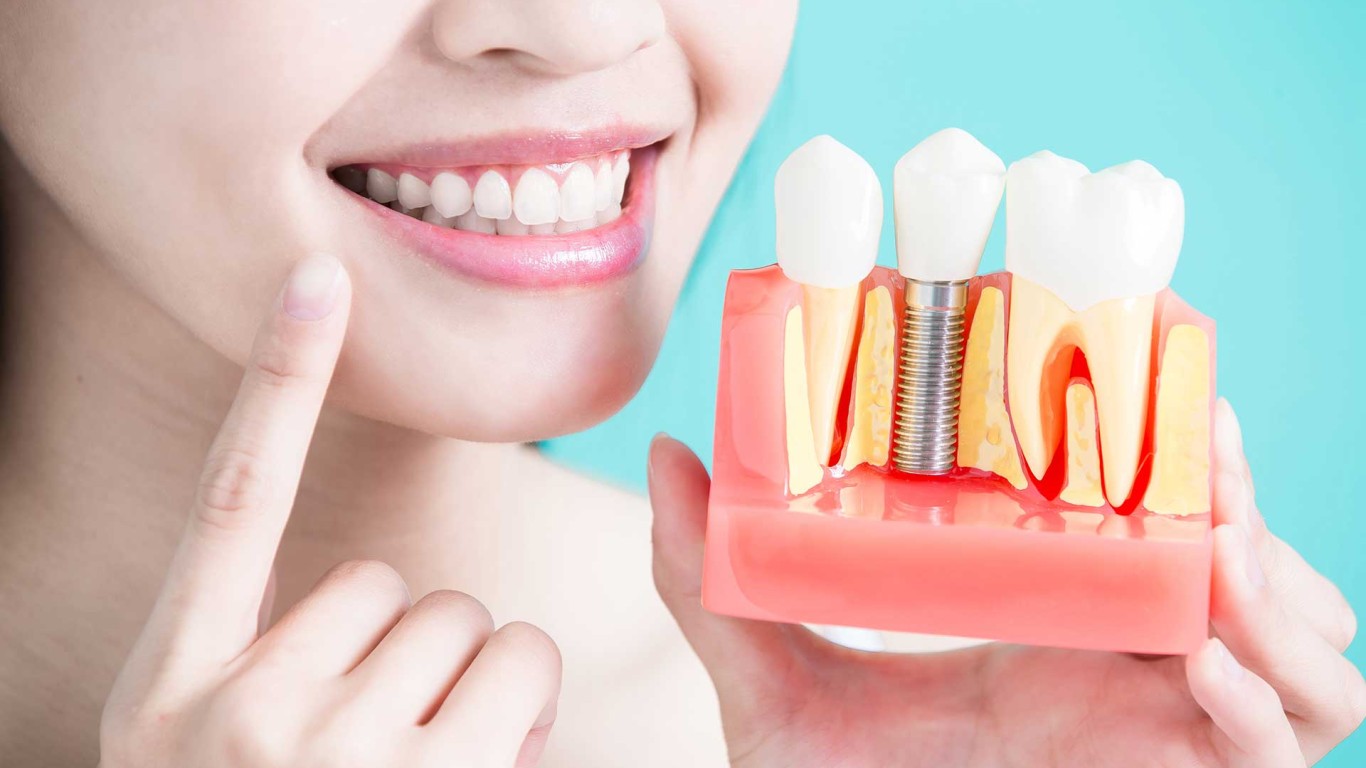
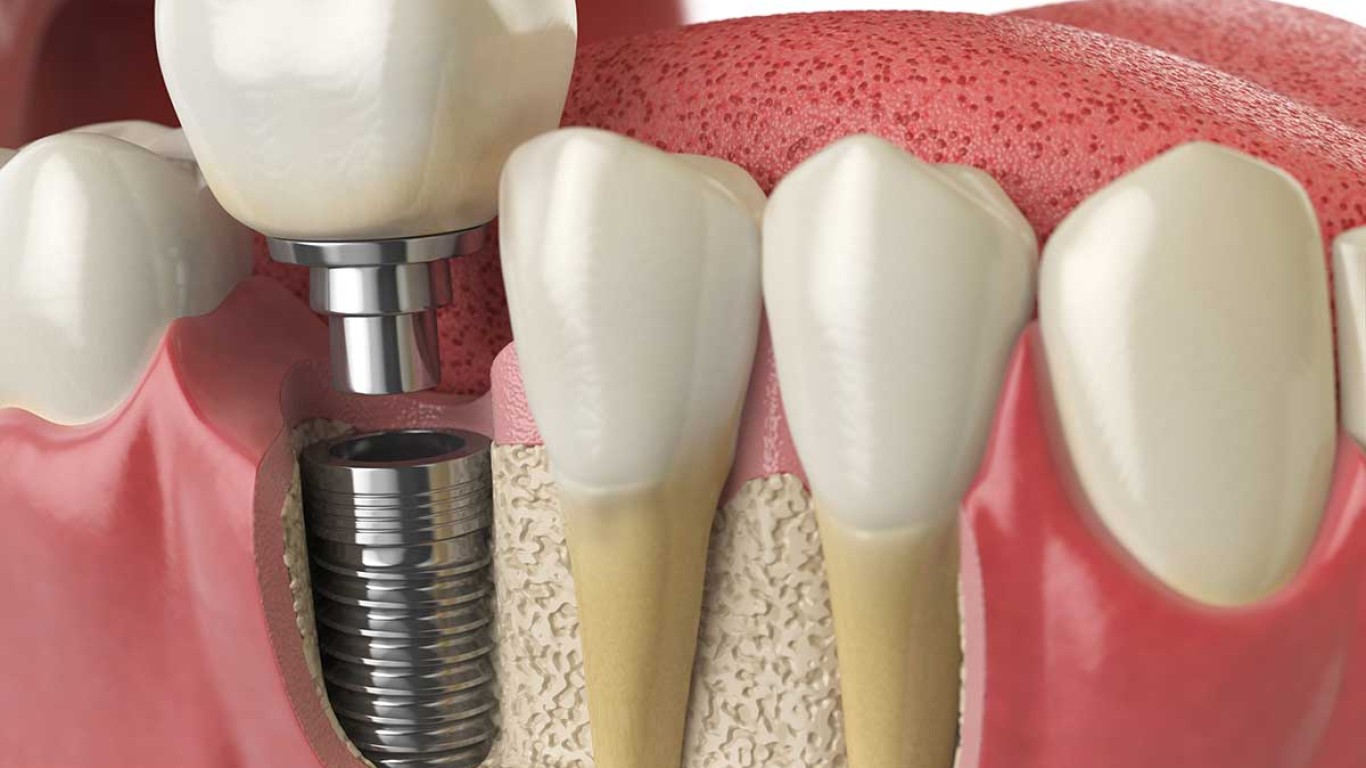
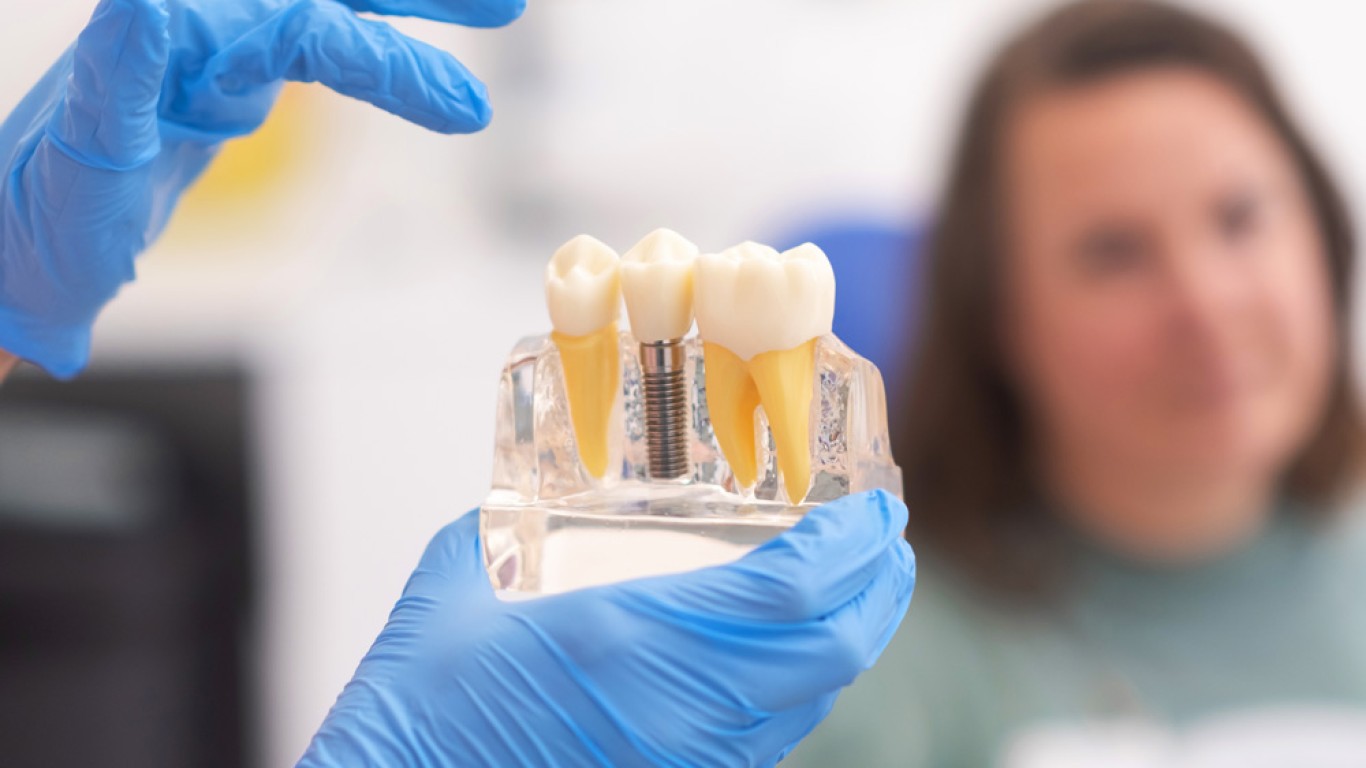
A dental implant replaces a missing tooth using a titanium post placed into the jawbone. This post acts as an artificial root. A crown is attached once integration occurs. Implants function independently without support from neighbouring teeth.
Structural Differences Between Dental Bridge vs Implant
The key difference in the dental bridge vs implant comparison lies in structural support. Bridges depend on adjacent teeth. Implants anchor directly into bone. This distinction influences long-term stability and maintenance needs.
Dental Bridge vs Implant: Longevity
Dental bridges typically last between ten and fifteen years with proper care. Longevity depends on oral hygiene and bite forces. Supporting teeth experience additional stress. Over time, this can affect bridge stability. On the other hand, dental implants are designed for long-term use. With proper care, implants can last decades. The titanium post integrates with bone, providing strong support. Implant crowns may require replacement due to normal wear.

Dental Bridge vs Implant: Bone Health Considerations
Jawbone health is an important long-term factor. Dental implants stimulate bone through chewing forces. This helps maintain bone density. Bridges do not provide this stimulation, which may allow gradual bone loss.
Dental Bridge vs Implant: Impact on Adjacent Teeth
Bridges require preparation of neighbouring teeth. This involves removing healthy enamel. Over time, these teeth may weaken or develop complications. Implants preserve adjacent teeth, as no modification is required.
Dental Bridge vs Implant: Short and Long Term Maintenance
Both options require consistent oral hygiene. Bridges need careful cleaning beneath the false tooth. Special flossing tools are often required. Implants are cleaned similarly to natural teeth, simplifying daily maintenance. Long-term maintenance differs significantly in the dental bridge vs implant decision. Bridge failure may involve decay or damage to supporting teeth. Implant issues usually relate to gum health rather than neighbouring teeth.
Dental Bridge vs Implant: Chewing Efficiency and Function
Dental implants provide strong chewing efficiency due to direct bone anchorage. Bridges restore function adequately but may feel less stable over time. Implants distribute bite forces more naturally across the jaw.
Dental Bridge vs Implant: Comfort and Sensation Differences
Implants often feel more like natural teeth once healed. Bridges may create pressure on supporting teeth. Some patients notice subtle differences during chewing. Comfort perception can influence long-term satisfaction.
Aesthetic Stability Over Time
Both options provide good aesthetic results initially. Over time, gum changes may affect bridge appearance. Implants maintain stable positioning as bone support remains intact. This contributes to consistent aesthetics.
Oral Hygiene Challenges with Bridges
Cleaning beneath a bridge requires additional tools. Plaque accumulation can occur if cleaning is inconsistent. This increases the risk of gum disease. Long-term success depends heavily on meticulous care.
Implants and Gum Health Long Term
Implant success relies on healthy gums. Inflammation around implants must be controlled. Regular dental reviews support long-term stability. Good hygiene habits reduce complications.
Suitability Based on Age and Health
Age and general health influence suitability. Bridges may be chosen when bone volume is insufficient. Implants require adequate bone or preparatory treatment. Professional assessment guides appropriate selection.
Treatment Timeframe Differences
Bridges are usually completed within weeks. Implants require several months due to healing phases. Long-term benefits often justify the longer implant timeline. Treatment duration can influence patient preference.
Flexibility for Future Dental Changes
Implants offer greater flexibility for future dental planning. Adjacent teeth remain untouched. Bridges limit future options if supporting teeth fail. This factor matters in long-term treatment strategy.
Cost Considerations Over the Long Term
Initial costs differ between options. Bridges usually have lower upfront costs. Implants may cost more initially but require fewer replacements. Long-term expenses often balance out over time.
Revision and Replacement Likelihood
Bridges may require replacement if supporting teeth deteriorate. Implants generally require crown replacement rather than full reconstruction. This difference influences long-term maintenance planning.
Speech and Bite Stability
Both options restore speech effectively. Implants provide stable bite support. Bridges rely on neighbouring teeth alignment. Long-term bite stability favours implant-based solutions.
Which Option Is Better Long Term?
In the dental bridge vs implant comparison, implants often offer superior long-term outcomes. They preserve bone, protect adjacent teeth, and provide lasting stability. Bridges remain suitable in specific circumstances. Every mouth is unique. Bone structure, gum health, and overall dental condition vary. A thorough assessment determines the most suitable option. Personalised planning ensures long-term success.
Conclusion
The dental bridge vs implant decision depends on long-term priorities, oral health, and structural needs. Dental implants often provide greater longevity, stability, and preservation of surrounding teeth. Bridges remain effective when implants are unsuitable. Careful professional evaluation ensures the chosen solution supports lasting oral function and balance.
For more information and to book a consultation visit the ACIBADEM Beauty Center Dental Implant webpage.
Frequently Asked Questions
Implants generally last longer with proper care.
Yes, they help maintain bone density.
No, bridges require specialised cleaning techniques.
Yes, they can support multiple restorations.
Yes, when implants are not suitable.