Ataşehir Mah. Feza Sk. No:3 İstanbul / Türkiye
 French
  English
  German
  Spanish
Introduction
Full mouth dental implants offer a long-term solution for those wanting a complete smile transformation. They replace missing teeth using strong implant foundations that hold a full arch restoration securely. Many individuals also compare this treatment to a full mouth bridge. This guide explains how full mouth dental implants work. How specialists plan treatment, and how results achieve a natural-looking finish.
What Full Mouth Dental Implants Are Designed to Do
Full mouth dental implants replace a full arch of missing teeth using several implant anchors. The implants support a fixed restoration that looks and functions like natural teeth. The connected design offers improved stability across the jaw. Because the restoration attaches firmly to the implants, it provides a balanced chewing experience. Full mouth dental implants combine advanced planning with digital design to achieve the desired result.
How Full Mouth Dental Implants Compare to a Full Mouth Bridge
A full mouth bridge uses either natural teeth or implants for support. Full mouth dental implants rely entirely on implants for foundation. Although both span an entire arch, the implant-based method offers deeper anchoring. Additionally, implant support helps maintain jaw structure because implants replace missing roots. This comparison helps individuals understand why specialists may recommend one approach over the other.
Assessment Before Full Mouth Dental Implant Treatment
Assessment begins with digital imaging of the jaw. Specialists analyse bone shape, gum health, and bite patterns. They also review spacing to determine where implants should be placed. Because accuracy influences long-term comfort, this stage is crucial. AI planning systems highlight symmetry, tooth size, and structural alignment. These tools help create a predictable and personalised plan.
Digital Scanning and Implant Blueprinting for Full Mouth Bridge
Digital scans map tooth shape and jaw contours. Advanced software creates a 3D model used to plan implant placement. AI tools examine the angles, density, and structural space. This helps specialists design the correct number of implants and determine their ideal positions. Additionally, digital blueprinting supports the creation of a natural-looking final restoration.
How Implants Are Placed in Full Arch Treatment
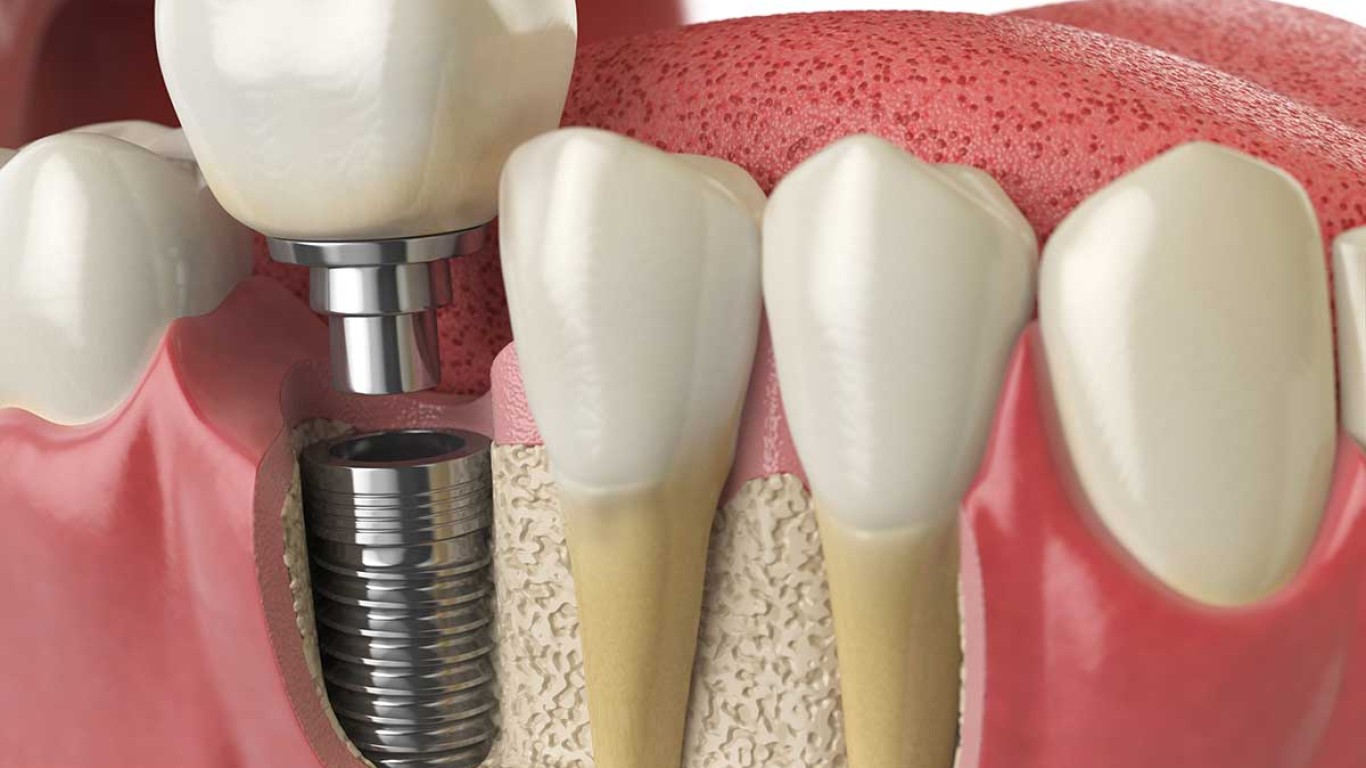
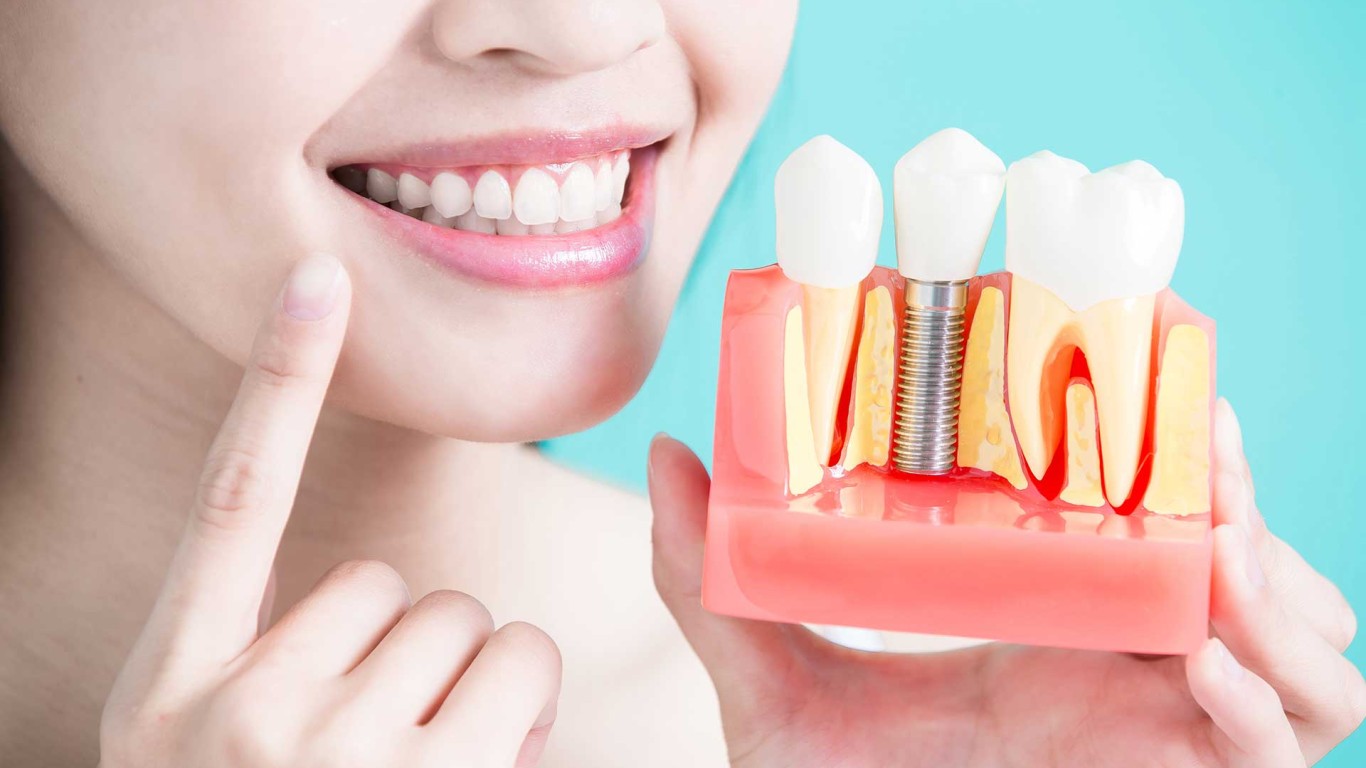
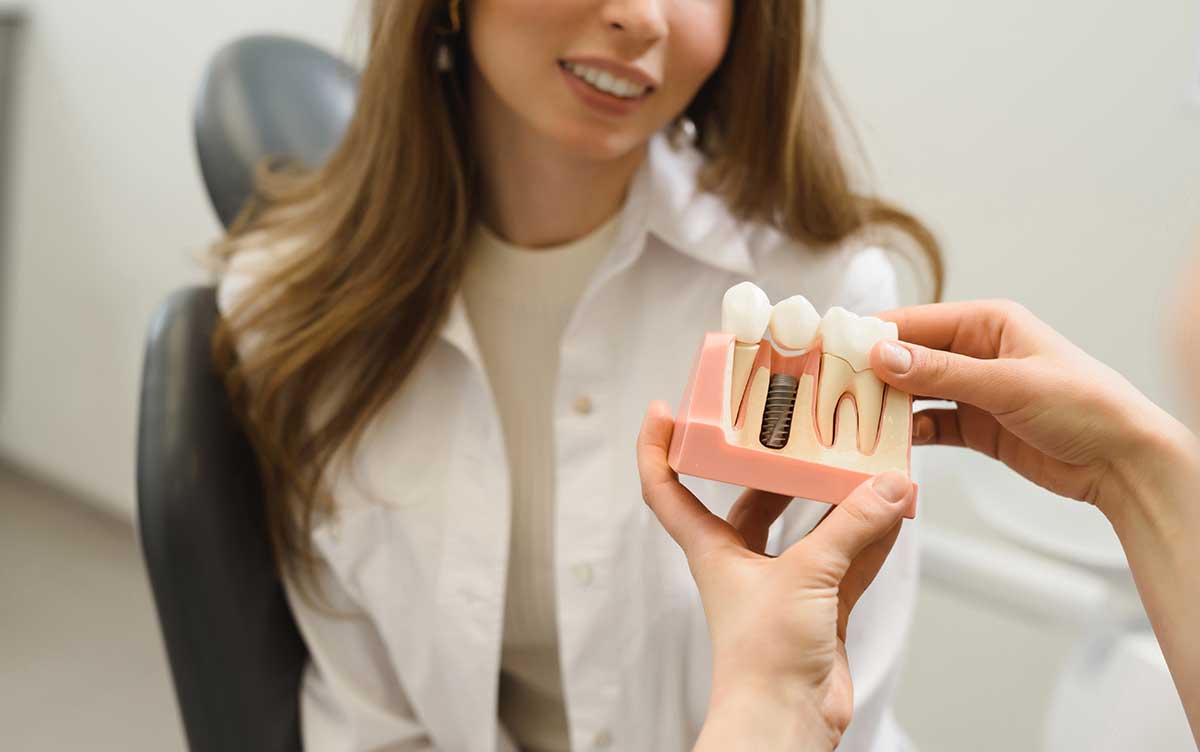
Implants are placed into the jawbone at planned locations. They form anchor points for the full arch restoration. The number of implants depends on bone density and design. Many full arch treatments use four to six implants to create balanced support. The connected restoration attaches once the implants integrate with the bone. This ensures a strong and stable base for daily function.
Designing the Final Smile
Design involves shaping tooth length, brightness, and alignment. Digital tools help specialists model the final appearance. They also analyse facial proportions to ensure natural balance. The goal is to match the design with each person’s features. Because the full arch restoration covers the entire jaw, consistent shape and colour support a natural-looking result. This stage blends visual goals with functional needs.
Material Options for Full Arch Restorations
Full mouth dental implants use strong materials such as zirconia or ceramic composites. Zirconia offers excellent durability and refined appearance. Ceramic composites provide balanced flexibility and natural style. Material selection depends on jaw movement, bite pattern, and desired finish. Specialists help match materials with structural and aesthetic goals.
How Full Mouth Dental Implants Improve Function
Implants restore chewing strength by anchoring the restoration securely. The connected design distributes force evenly. This helps stabilise movement during eating, speaking, and smiling. This improvement differs from removable options because implants support stronger engagement. Therefore full mouth dental implants often improve daily comfort.
How a Full Mouth Bridge Supports Function
A full mouth bridge also restores chewing but relies on natural teeth for support. Implant-supported bridges provide strong stability, while tooth-supported bridges rely on existing structure. Although both improve chewing, full mouth dental implants often offer greater anchoring. The difference lies in how each approach interacts with the bone.
Aesthetic Benefits of Full Mouth Dental Implants
This treatment creates natural-looking symmetry across the smile. The restoration is designed to match facial tone, lip line, and jaw shape. Shape refinement helps support proportional appearance. Colour selection also ensures bright yet natural shade. Because the arch spans the entire jaw, small adjustments enhance overall balance.
Daily Maintenance and Cleaning with Full Mouth Bridge
Daily cleaning helps maintain long-term comfort. Brushing supports gum health around the restoration. Interdental cleaning devices remove buildup from the bridge edges. Regular dental check-ups help monitor implant health and alignment. A full mouth dental implant restoration remains stable with consistent care and professional guidance.
Lifestyle Factors That Influence Treatment Choice
Lifestyle plays an important role. Those wanting fixed, long-term solutions may prefer implants. Those with strong natural teeth supporting a full mouth bridge may choose alternative designs. Daily routines, chewing habits, and long-term goals shape the final decision. Specialists ensure that each plan supports functional and aesthetic comfort.
Digital Dentistry and Natural-Looking Results
Digital dentistry enhances precision. AI mapping helps refine tooth positioning. 3D printing creates detailed models used to plan restoration shape. These tools allow specialists to preview the final smile before treatment begins. Because accuracy improves natural-looking results, digital workflows remain central to modern full arch care.
Who Benefits Most From Full Mouth Dental Implants
Full mouth dental implants suit individuals missing many teeth across one arch. They also suit those who want fixed solutions instead of removable appliances. Those wanting improved symmetry and daily comfort often benefit from implant-supported designs.
Conclusion
A full mouth bridge and full mouth dental implants both support full arch restoration. Yet implants offer deeper anchoring and long-term stability. Digital planning, advanced materials, and structured assessment help specialists design natural-looking results. With careful maintenance and regular dental review, full mouth dental implants support long-term comfort and improved daily function.
For more information and to book a consultation visit the ACIBADEM Beauty Center Dental Treatments webpage.
Frequently Asked Questions
They replace a full arch of missing teeth.
Implants use jaw anchoring, while bridges rely on teeth or implants.
Yes, digital design supports natural appearance.
Most plans use four to six implants.
They last many years with consistent care.