Ataşehir Mah. Feza Sk. No:3 İstanbul / Türkiye
 French
  English
  German
  Spanish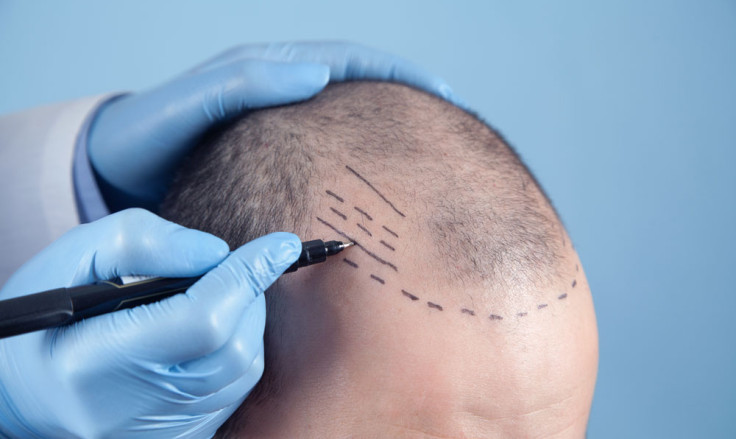
Introduction
Understanding the DHI hair growth timeline helps patients prepare for the journey from surgery to final results. Direct Hair Implantation is one of the most advanced hair transplant techniques available. The procedure uses a specialised tool to extract and implant individual follicles without creating recipient site incisions first. DHI hair growth follows a predictable pattern over twelve to eighteen months. Each phase brings specific changes. Knowing what to expect at each stage prevents anxiety and supports patience during the longer phases. This article explains the DHI hair growth timeline from the day of surgery through to full final results, month by month.
What Is DHI Hair Transplant?
DHI stands for Direct Hair Implantation. The technique uses a specialised pen-shaped tool called a Choi implanter. Individual hair follicles are extracted from the donor area one by one. Each follicle is then loaded directly into the implanter pen. The pen simultaneously creates the recipient channel and places the follicle in a single action. This differs from FUE where channels are created separately before graft placement. DHI offers precise control over depth, direction and angle of each implanted hair. The technique produces natural-looking results with dense packing capability. Understanding the DHI hair growth timeline that follows this advanced procedure helps patients set appropriate expectations.
DHI Hair Growth Timeline: Week 1
The first week of the DHI hair growth timeline focuses on initial healing. Small crusts form around each implanted follicle. The transplanted area appears red and slightly swollen. Mild discomfort is common and managed with prescribed medication. Sleeping with the head elevated reduces swelling. The donor area at the back of the head may feel tender. Patients should avoid touching or washing the transplanted area for the first forty-eight hours. Gentle washing can begin from day three following specific instructions. Most crusts fall off naturally within seven to ten days. The implanted hairs are still in their original follicles at this stage. Early hair growth changes are not yet visible.
DHI Hair Growth Timeline: Weeks 2 to 4
Weeks two to four of the DHI hair growth timeline bring an expected but sometimes alarming change. The transplanted hairs begin to fall out. This shedding phase is completely normal and expected. It is sometimes called shock loss. The implanted follicles shed their initial hairs as they enter a resting phase. The follicles themselves remain safely implanted beneath the skin surface. Nearly all transplanted hairs fall out during this period. The scalp may appear similar to or even worse than before surgery temporarily. This phase causes the most anxiety for patients. Understanding that shedding is a normal part of the hair growth timeline provides essential reassurance during this period.
DHI Hair Growth Timeline: Months 2 to 3
Months two and three of the DHI hair growth timeline represent the quiet phase. The transplanted follicles are in their resting period. Little visible change occurs during this time. The scalp has healed well by this point. Redness has resolved. The donor area looks normal. Patients may feel impatient during this period. The follicles are regenerating internally even though no visible growth is apparent. Some patients may notice very fine, light-coloured hairs beginning to emerge toward the end of month three. These are early signs that the hair growth cycle is reactivating. Patience during this stage supports the best long-term outcome from the transplant procedure.
DHI Hair Growth Timeline: Months 4 to 6
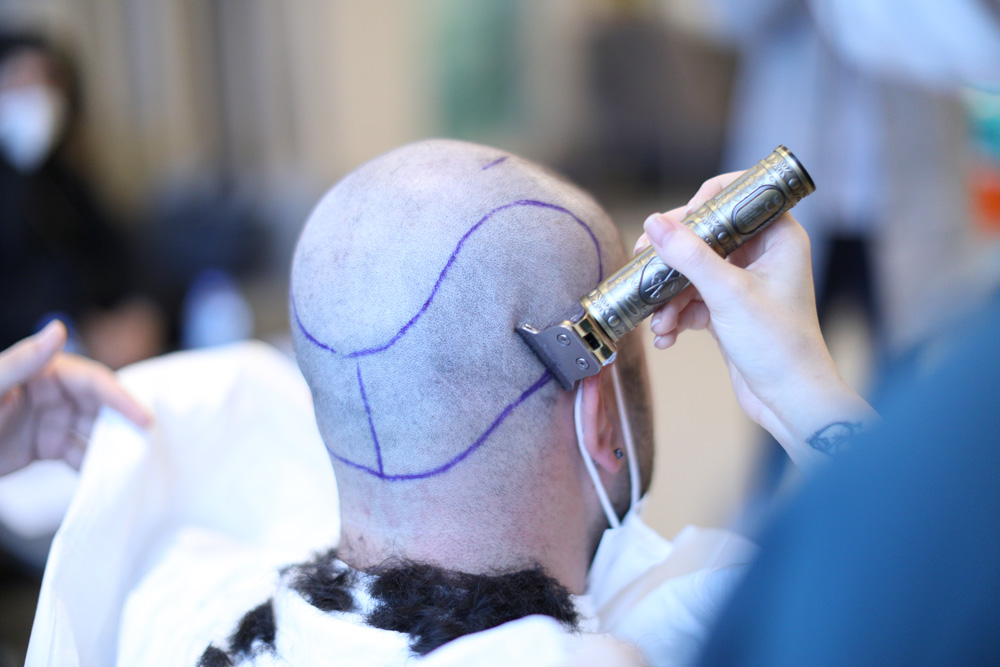
Months four to six of the DHI hair growth timeline bring exciting visible changes. New hair growth becomes clearly apparent during this period. The hairs emerge thin and fine at first. They may appear lighter in colour than the surrounding natural hair. Coverage in the transplanted area improves noticeably. The growth rate varies between individual follicles. Some areas show more progress than others initially. By month six, most patients see meaningful improvement in density and coverage. The hair growth pattern becomes visible with new hairs following the planned direction and angle. Confidence begins to build as the results start to take shape. The transformation compared with the shedding phase is encouraging.
DHI Hair Growth Timeline: Months 7 to 9
Months seven to nine of the DHI hair growth timeline show significant improvement. The majority of transplanted follicles are now producing visible hair. The new hairs thicken and darken as they mature. Texture becomes more consistent with surrounding natural hair. Density in the transplanted area continues to increase. Most patients describe feeling noticeably better about their appearance during this period. Styling becomes easier as the new hair reaches workable lengths. The DHI hair growth results are becoming increasingly apparent. Most patients feel comfortable with their appearance in social and professional situations. Photographs comparing this stage with pre-operative images show meaningful change.
DHI Hair Growth Timeline: Months 10 to 12
Months ten to twelve of the DHI hair growth timeline approach the final result. Approximately eighty to ninety percent of transplanted follicles are producing mature hair. The thickness and colour of new hairs closely match natural surrounding hair. Density is approaching its final level. The transplanted area blends naturally with existing hair. Most patients are very satisfied with their results at this stage. The improvement in appearance and confidence is substantial. Some subtle refinement continues beyond twelve months. The hair growth timeline demonstrates that patience throughout the process produces excellent results. The gradual nature of the improvement creates a natural-looking density that avoids an obvious transplant appearance.
DHI Hair Growth Timeline: Beyond 12 Months
Beyond twelve months the DHI hair growth timeline reaches completion. Final results typically develop between twelve and eighteen months. The remaining follicles that had not yet produced full-thickness hair reach maturity. Maximum density is achieved. The transplanted hair behaves like normal hair in terms of growth rate and texture. It can be cut, styled and treated normally. The hair is permanent because it comes from the genetically resistant donor area. The hair growth journey is complete. Long-term photographs document the full transformation from pre-operative thinning through to thick, natural-looking coverage. Most patients describe the procedure as life-changing once final results are fully apparent.
Tips for Supporting DHI Hair Growth
Several tips support optimal DHI hair growth throughout the timeline. Following all aftercare instructions carefully is essential during the first weeks. Avoiding smoking supports blood supply to the scalp. A balanced diet rich in protein, iron, zinc and biotin provides nutrients for healthy hair growth. Staying hydrated helps the body heal. Avoiding alcohol during the first week supports recovery. Gentle handling of the transplanted area prevents dislodging of new grafts. PRP therapy sessions can support follicle health and growth. Minoxidil may be recommended to support existing hair. Reducing stress helps because chronic stress can impair hair growth. These habits support the best possible results from the hair growth process.
When to Be Concerned During Recovery
Most aspects of the DHI hair growth timeline progress smoothly. However, patients should know when to contact their surgeon. Excessive bleeding in the first forty-eight hours warrants attention. Signs of infection such as increasing redness, warmth or discharge need professional assessment. Persistent pain beyond the first week should be evaluated. The shedding phase is normal and should not cause alarm. Very slow growth beyond six months may need assessment. Patchy growth patterns may resolve with time or may need evaluation. Most concerns are resolved through reassurance. The clinic should provide contact details for post-operative queries. Surgeons expect and welcome questions during the hair growth recovery period.
Conclusion
The DHI hair growth timeline spans twelve to eighteen months from surgery to final results. Each phase brings specific changes from initial healing through shedding, dormancy, early growth and maturation. Understanding what to expect at each stage prevents anxiety and supports patience. The shedding phase between weeks two and four is normal and temporary. Visible growth begins around months four to six. Most patients see significant results by months seven to nine. Final results develop between twelve and eighteen months. Following aftercare instructions and supporting hair health through nutrition and lifestyle habits enhances outcomes. The hair growth journey produces natural-looking, permanent results that most patients find life-changing.
For more information on the DHI hair growth timeline visit the ACIBADEM Beauty Center Hair Transplant page.
Frequently Asked Questions
Visible new growth typically begins around months four to six after surgery.
Shedding at weeks two to four is normal as follicles enter a temporary resting phase.
Final results develop between twelve and eighteen months after surgery.
Yes, transplanted hair is permanent because it comes from the genetically resistant donor area.
Good nutrition, avoiding smoking and PRP therapy can support optimal growth.